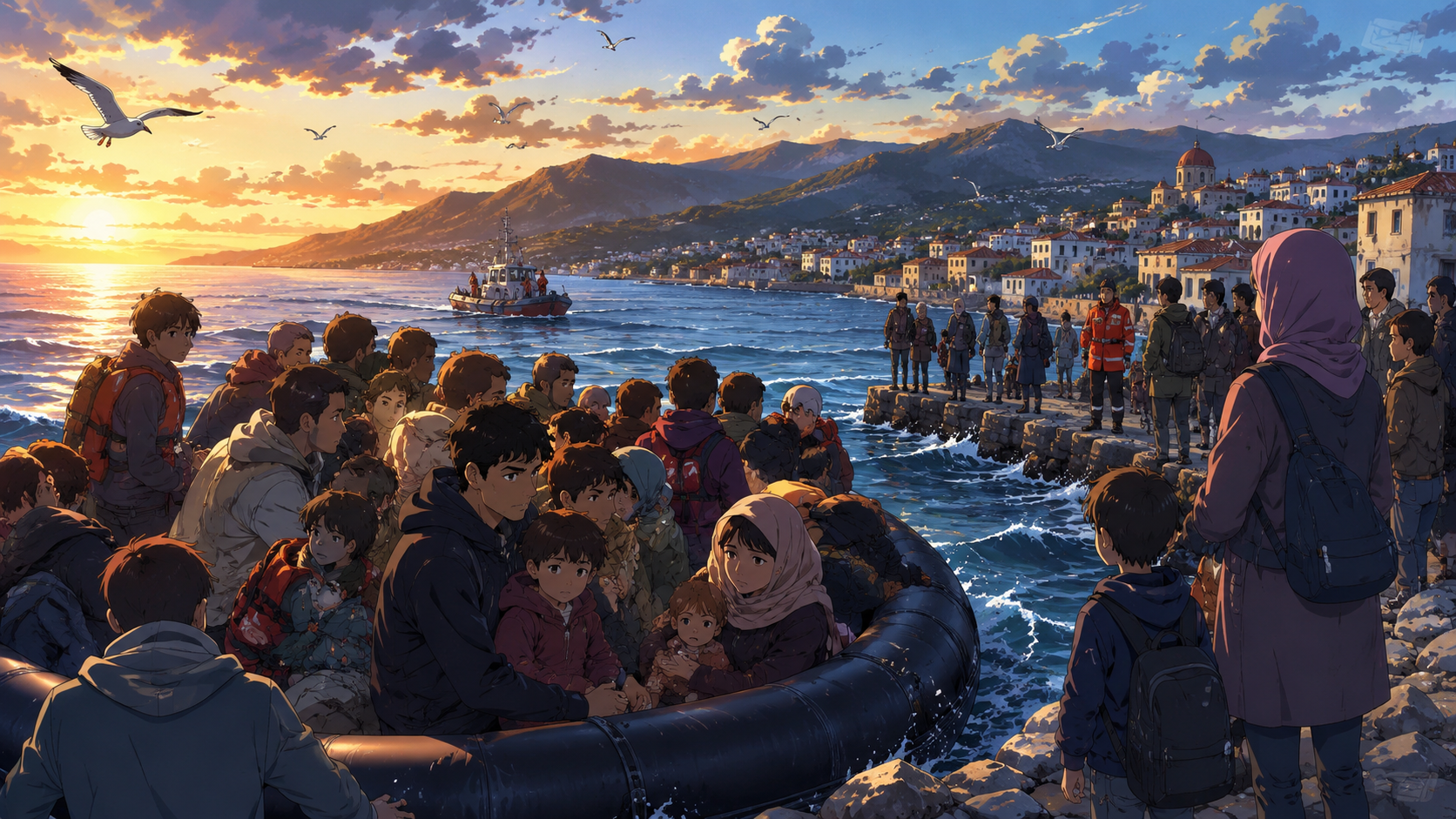
Introduction on Refugee Crisis in Southern Europe
Migration has been one of the defining social phenomena of the twenty-first century. Across the globe, millions of people move from one region to another in search of safety, employment, education, and better living conditions. Among the most significant migration movements in recent decades has been the refugee crisis in Southern Europe. Countries such as Italy, Greece, Spain, and Malta have become major entry points for migrants and refugees attempting to reach Europe from Africa, the Middle East, and Asia.
The refugee crisis in Southern Europe is not merely a political or humanitarian issue; it is also a deeply sociological phenomenon. It involves questions of social integration, identity, inequality, globalization, cultural diversity, social conflict, and human rights. Sociologists examine how migration reshapes societies, influences social structures, and affects relationships between newcomers and host populations.
This article explores migration routes and the refugee crisis in Southern Europe from a sociological perspective, analyzing its causes, impacts, challenges, and future implications.
Understanding Migration and Refugees
Migration refers to the movement of people from one place to another, either within a country or across international borders. People migrate for various reasons, including economic opportunities, family reunification, education, environmental pressures, and political instability.
A refugee is a person who has been forced to leave their home country due to persecution, war, violence, or fear of harm. According to international law, refugees are entitled to protection because returning to their country may threaten their lives or freedom.
While all refugees are migrants, not all migrants are refugees. This distinction is important because refugees are protected under international conventions and humanitarian laws.
Southern Europe as a Migration Gateway
Southern Europe occupies a strategic geographical position between Europe, Africa, and Asia. The Mediterranean Sea acts as both a bridge and a barrier connecting these regions.
Countries such as Greece, Italy, Spain, Cyprus, and Malta have become primary destinations or transit points for migrants and refugees seeking entry into Europe.
Several factors make Southern Europe a key migration gateway:
- Proximity to North Africa and the Middle East.
- Extensive coastlines that are difficult to monitor completely.
- Membership in the European Union.
- Perceived economic opportunities and social welfare systems.
- Existing migrant communities that attract newcomers through social networks.
These factors have transformed Southern Europe into one of the world’s most significant migration corridors.
Major Migration Routes to Southern Europe
The Central Mediterranean Route
The Central Mediterranean Route is one of the most frequently used migration paths.
Migrants typically depart from Libya, Tunisia, or Egypt and attempt to reach Italy or Malta by sea. Many travelers come from countries such as Sudan, Eritrea, Somalia, Nigeria, and Bangladesh.
This route is considered extremely dangerous due to:
- Overcrowded boats.
- Human trafficking networks.
- Harsh weather conditions.
- Limited access to rescue services.
Thousands of migrants have lost their lives while attempting this journey.
The Eastern Mediterranean Route
The Eastern Mediterranean Route mainly connects Turkey with Greece.
Migrants and refugees from Syria, Afghanistan, Iraq, Pakistan, and other countries travel through Turkey before crossing the Aegean Sea into Greek islands.
The Syrian Civil War significantly increased movement along this route, especially during the refugee crisis of 2015.
The Western Mediterranean Route
This route connects North Africa with Spain.
Migrants from Morocco, Algeria, Mali, Senegal, and other African nations attempt to enter Spain through sea crossings or land routes.
Spanish enclaves such as Ceuta and Melilla in North Africa have become important migration entry points.
The Balkan Route
Many migrants who arrive in Greece continue their journey through the Balkans toward Central and Northern Europe.
Countries along this route include North Macedonia, Serbia, Bosnia and Herzegovina, Croatia, Slovenia, and Hungary.
The route gained international attention during the 2015 refugee crisis when hundreds of thousands of refugees traveled through Southeastern Europe.
Causes of the Refugee Crisis

The refugee crisis in Southern Europe cannot be explained by a single factor. Instead, it results from multiple interconnected social, economic, political, and environmental causes.
Armed Conflicts and Wars
War remains one of the primary drivers of forced migration.
Conflicts in Syria, Afghanistan, Iraq, Yemen, and Sudan have displaced millions of people. Refugees often flee violence, destruction, and insecurity in search of protection.
Political Persecution
Authoritarian governments and political repression force many individuals to leave their countries.
People may face imprisonment, torture, discrimination, or threats because of their political opinions, religion, ethnicity, or social identity.
Economic Inequality
Global economic inequalities create strong migration pressures.
Many individuals migrate because they lack employment opportunities, healthcare, education, and basic living standards in their home countries.
The economic gap between Europe and many developing countries acts as a powerful pull factor.
Environmental and Climate Factors
Climate change increasingly contributes to migration.
Droughts, floods, desertification, and resource scarcity affect livelihoods, particularly in Africa and parts of Asia.
Environmental stress often interacts with poverty and conflict, creating conditions that encourage migration.
Globalization
Globalization has increased awareness of opportunities in other countries.
Modern communication technologies allow people to compare living standards and maintain connections across borders. As a result, migration aspirations have expanded globally.
Sociological Theories Explaining Migration
Push-Pull Theory
Push-Pull Theory is one of the most influential explanations of migration.
Push factors include:
- Poverty
- Conflict
- Unemployment
- Political instability
Pull factors include:
- Better jobs
- Safety
- Education
- Social welfare
Migration occurs when pull factors outweigh push factors.
World Systems Theory
World Systems Theory argues that migration is linked to global economic inequalities.
According to this perspective, wealthy countries benefit from economic dominance, while poorer regions experience underdevelopment. Migration becomes a consequence of unequal global relationships.
Social Network Theory
Social networks play a significant role in migration decisions.
Family members, friends, and community connections help migrants access information, housing, employment, and emotional support.
These networks reduce migration risks and encourage further movement.
Conflict Theory
Conflict Theory emphasizes power inequalities and competition over resources.
The arrival of migrants may generate tensions related to employment, housing, and public services. Social conflicts emerge when groups perceive threats to their economic or cultural interests.
Symbolic Interactionism
Symbolic Interactionism focuses on everyday interactions.
This perspective examines how migrants and host populations construct meanings, identities, stereotypes, and social relationships through daily experiences.
Social Consequences of the Refugee Crisis
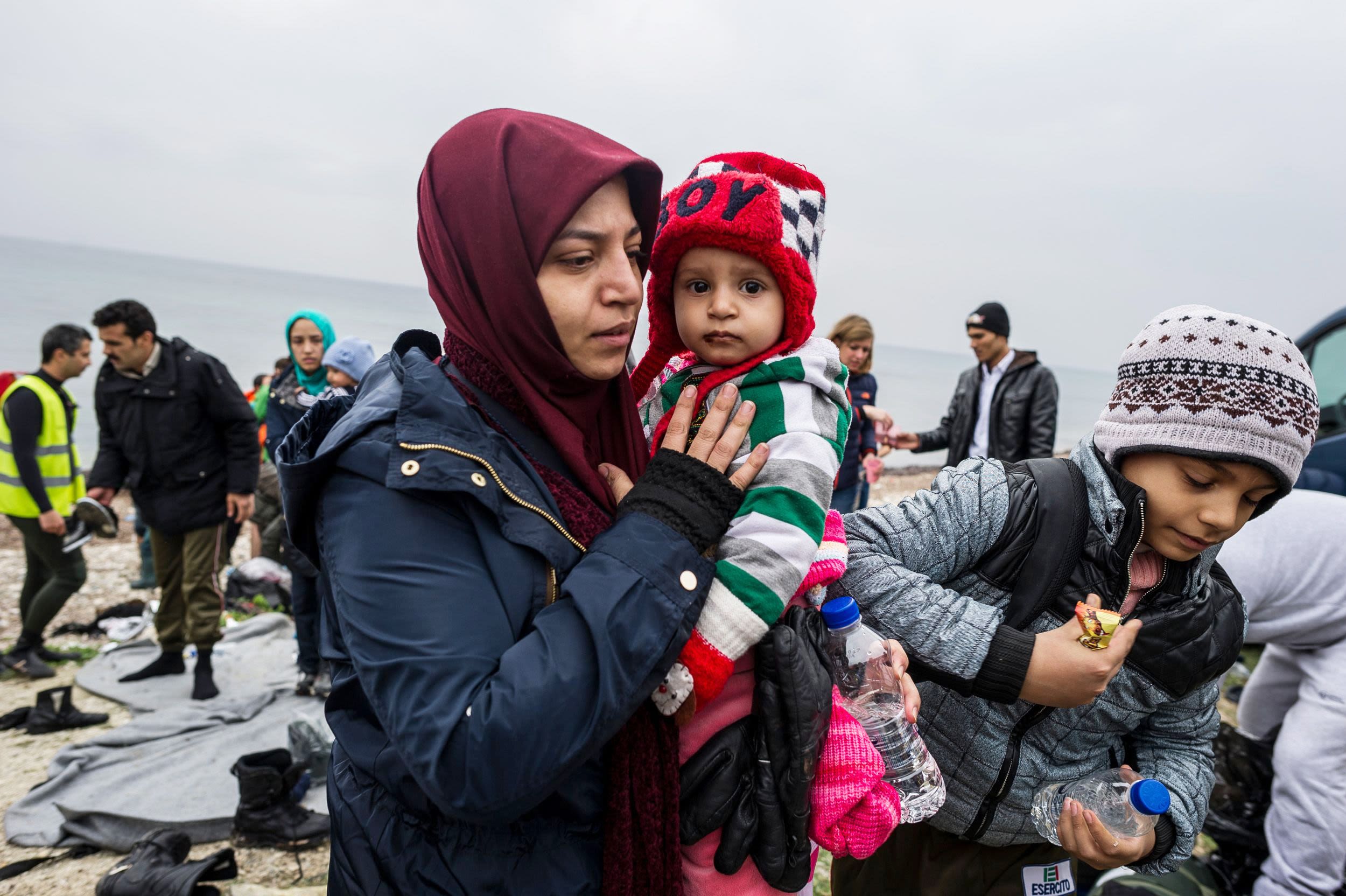
Demographic Changes
Migration alters population structures.
Many European countries face aging populations and declining birth rates. Migrants contribute to population growth and labor force renewal.
However, rapid demographic changes can also create social tensions if integration policies are insufficient.
Cultural Diversity
Refugees introduce new languages, traditions, cuisines, religions, and cultural practices.
Multicultural societies often become more dynamic and innovative. Cultural diversity can enrich communities and encourage intercultural dialogue.
At the same time, differences may create misunderstandings or social conflicts.
Social Integration Challenges
Integration remains one of the most significant sociological challenges.
Refugees frequently encounter:
- Language barriers
- Employment difficulties
- Housing shortages
- Educational obstacles
- Discrimination
Successful integration requires cooperation among governments, communities, educational institutions, and civil society organizations.
Transformation of Family Structures
Migration often separates families.
Parents may migrate first and later reunite with children. Long periods of separation can affect emotional well-being and family relationships.
Migration also changes gender roles as women increasingly participate in labor markets and decision-making processes.
Refugees and Social Exclusion
Social exclusion occurs when individuals are unable to participate fully in society.
Many refugees experience exclusion due to:
- Legal uncertainties
- Poverty
- Discrimination
- Limited social networks
- Restricted access to employment
Social exclusion can create cycles of marginalization and hinder long-term integration.
From a sociological perspective, reducing exclusion requires policies that promote equal opportunities and social participation.
Xenophobia and Anti-Immigrant Sentiments
One of the major social challenges associated with the refugee crisis is the rise of xenophobia.
Xenophobia refers to fear or hostility toward foreigners.
Several factors contribute to anti-immigrant attitudes:
- Economic insecurity
- Political polarization
- Cultural fears
- Media representations
In some countries, political movements have used migration as a central issue to mobilize support.
Sociologists emphasize that negative attitudes often result from social constructions rather than direct experiences with migrants.
Human Trafficking and Smuggling Networks
Migration routes across the Mediterranean have become closely linked with criminal networks.
Human smugglers facilitate irregular migration in exchange for money. Traffickers exploit vulnerable individuals through forced labor, sexual exploitation, and other forms of abuse.
The existence of these networks highlights broader sociological issues related to inequality, state control, and global mobility restrictions.
Role of Media in the Refugee Crisis
Media plays a crucial role in shaping public perceptions.
Positive media coverage may emphasize:
- Humanitarian concerns
- Refugee experiences
- Human rights issues
Negative coverage may focus on:
- Security threats
- Crime
- Cultural conflicts
Media narratives influence public opinion, government policies, and social attitudes toward migrants.
Sociological studies demonstrate that media representations significantly affect social acceptance or rejection of refugees.
European Union Responses
The European Union has implemented various policies to manage migration and refugee flows.
These include:
- Border management initiatives.
- Asylum procedures.
- Relocation programs.
- Humanitarian assistance.
- Cooperation with neighboring countries.
However, disagreements among member states have complicated collective responses.
Some countries support refugee protection, while others prioritize border security and migration control.
This tension reflects broader sociological debates concerning solidarity, national identity, and supranational governance.
Civil Society and Humanitarian Organizations
Non-governmental organizations (NGOs), religious institutions, and community groups play an important role in assisting refugees.
Their activities include:
- Rescue operations.
- Legal assistance.
- Education programs.
- Language training.
- Healthcare support.
Civil society organizations often bridge gaps between refugees and host communities.
Their efforts contribute to social cohesion and integration.
Gender Dimensions of the Refugee Crisis
Women experience migration differently from men.
Female refugees may face:
- Gender-based violence.
- Human trafficking.
- Limited healthcare access.
- Employment discrimination.
At the same time, migration can create opportunities for empowerment through education and economic participation.
A sociological analysis highlights the importance of gender-sensitive refugee policies.
Youth and Refugee Integration
Young refugees face unique challenges and opportunities.
Education serves as a key mechanism for integration.
Schools provide:
- Language acquisition.
- Social interaction.
- Cultural adaptation.
- Skill development.
Successful educational integration improves long-term social mobility and social inclusion.
Long-Term Sociological Implications on Refugee Crisis in Southern Europe
The refugee crisis is reshaping European societies in several ways.
Future implications include:
- Increasing multiculturalism.
- Changing labor markets.
- New forms of citizenship.
- Evolving national identities.
- Greater emphasis on human rights and diversity.
The success of these transformations depends largely on social integration strategies and public attitudes.
Conclusion on Refugee Crisis in Southern Europe
Migration routes and the refugee crisis in Southern Europe represent one of the most significant social issues of the modern era. Driven by war, poverty, inequality, political instability, and environmental pressures, millions of people have sought safety and opportunity through dangerous migration pathways across the Mediterranean.
From a sociological perspective, the refugee crisis is not simply a matter of border control or humanitarian assistance. It involves complex interactions between globalization, social inequality, identity, culture, integration, and social change. Refugees bring challenges as well as opportunities, contributing to demographic renewal, cultural diversity, and economic development while simultaneously raising questions about social cohesion and inclusion.
Understanding migration through sociological theories helps explain why people move, how societies respond, and what consequences emerge from large-scale population movements. As migration continues to shape the future of Europe, sociological insights remain essential for developing humane, inclusive, and sustainable solutions.
FAQs on Refugee Crisis in Southern Europe
1. What is the Refugee Crisis in Southern Europe?
The Refugee Crisis in Southern Europe refers to the large-scale arrival of refugees and asylum seekers in countries such as Greece, Italy, Spain, and Malta, primarily from conflict-affected regions in Africa, the Middle East, and Asia.
2. What are the main causes of the Refugee Crisis in Southern Europe?
The primary causes include war, political instability, persecution, poverty, human rights violations, and environmental challenges that force people to leave their home countries.
3. Why is Southern Europe at the center of the refugee crisis?
Southern Europe is geographically close to North Africa and the Middle East, making it a major entry point for refugees attempting to reach Europe through Mediterranean migration routes.
4. Which countries are most affected by the Refugee Crisis in Southern Europe?
Countries such as Greece, Italy, Spain, Malta, and Cyprus are among the most affected because they serve as the first points of arrival for many refugees.
5. What are the major migration routes involved in the Refugee Crisis in Southern Europe?
The main routes are the Central Mediterranean Route, Eastern Mediterranean Route, Western Mediterranean Route, and the Balkan Route.
6. How does the Refugee Crisis in Southern Europe impact local communities?
The crisis affects housing, healthcare, education, employment, and public services while also increasing cultural diversity and social interaction.
7. What sociological theories explain the Refugee Crisis in Southern Europe?
Sociologists often use Push-Pull Theory, World Systems Theory, Social Network Theory, and Conflict Theory to explain migration patterns and refugee movements.
8. What challenges do refugees face during the Refugee Crisis in Southern Europe?
Refugees often encounter language barriers, legal uncertainties, unemployment, discrimination, social exclusion, and difficulties accessing education and healthcare.
9. How does the Refugee Crisis in Southern Europe influence cultural diversity?
The arrival of refugees introduces new languages, traditions, religions, and cultural practices, contributing to multicultural societies across Southern Europe.
10. What role does the European Union play in managing the Refugee Crisis in Southern Europe?
The European Union coordinates asylum policies, border management, relocation programs, humanitarian aid, and refugee protection measures among member states.
11. How does social integration relate to the Refugee Crisis in Southern Europe?
Social integration helps refugees become active members of society through education, employment, language learning, and participation in community life.
12. What is the connection between human trafficking and the Refugee Crisis in Southern Europe?
Many refugees rely on smuggling networks to cross borders, making them vulnerable to exploitation, trafficking, and other forms of abuse.
13. How has the media influenced perceptions of the Refugee Crisis in Southern Europe?
Media coverage can shape public opinion by highlighting humanitarian concerns, security issues, integration challenges, or success stories involving refugees.
14. What are the long-term effects of the Refugee Crisis in Southern Europe?
Long-term effects include demographic changes, increased multiculturalism, labor market transformations, evolving national identities, and new social policies.
15. Why is the Refugee Crisis in Southern Europe important for sociological study?
The Refugee Crisis in Southern Europe provides valuable insights into globalization, migration, inequality, social integration, identity formation, cultural change, and human rights in contemporary societies.