Introduction
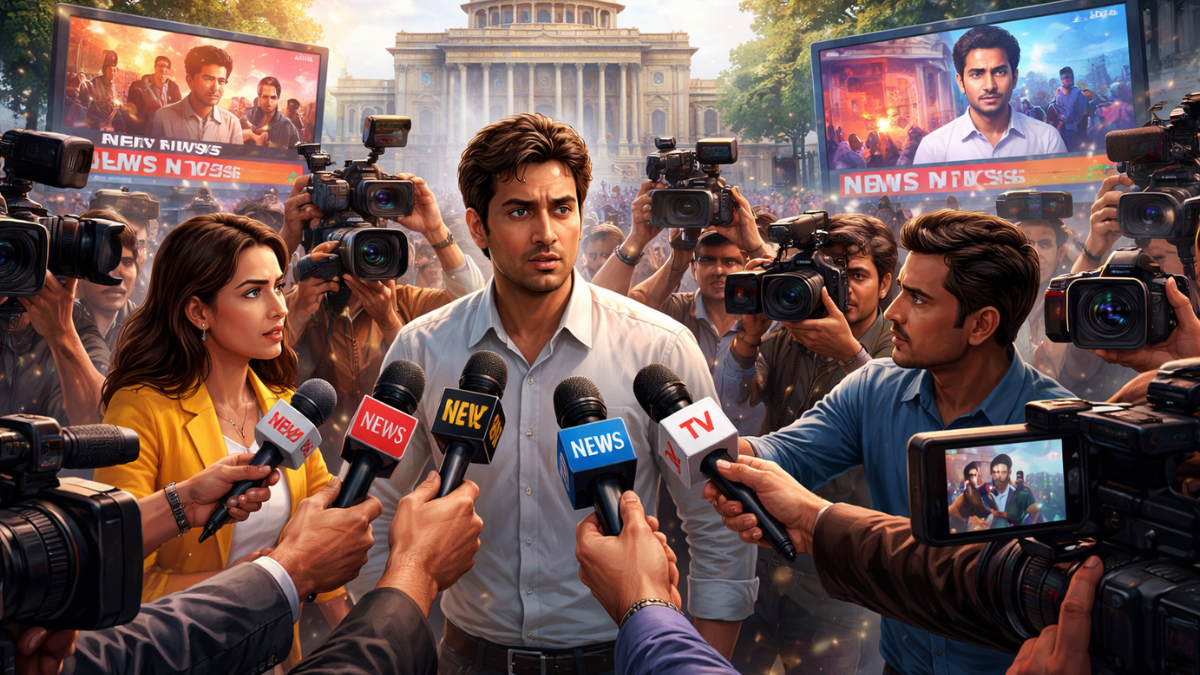
In modern democratic societies, the media plays a crucial role in shaping public discourse, disseminating information, and holding institutions accountable. In India, the rapid expansion of television news channels, digital media platforms, and social media has significantly increased the influence of the media in public life. While the media is often regarded as the “fourth pillar of democracy,” its growing tendency to conduct what is popularly known as “media trials” has raised serious sociological and ethical concerns.
Media trials refer to situations where media outlets present detailed discussions, accusations, and judgments regarding ongoing criminal cases before the courts have delivered their verdicts. In such cases, the media often frames individuals as guilty or innocent based on speculative information, leaked evidence, or sensational narratives. These portrayals strongly influence public opinion and can sometimes affect the judicial process itself.
From a sociological perspective, media trials represent an intersection between power, public perception, social control, and media institutions. They reveal how communication systems shape collective consciousness, construct social reality, and influence justice in society. This article explores the phenomenon of media trials in India, examining their historical emergence, sociological implications, influence on public opinion in India, and their impact on democracy and the justice system.
The Rise of Media Trials in India
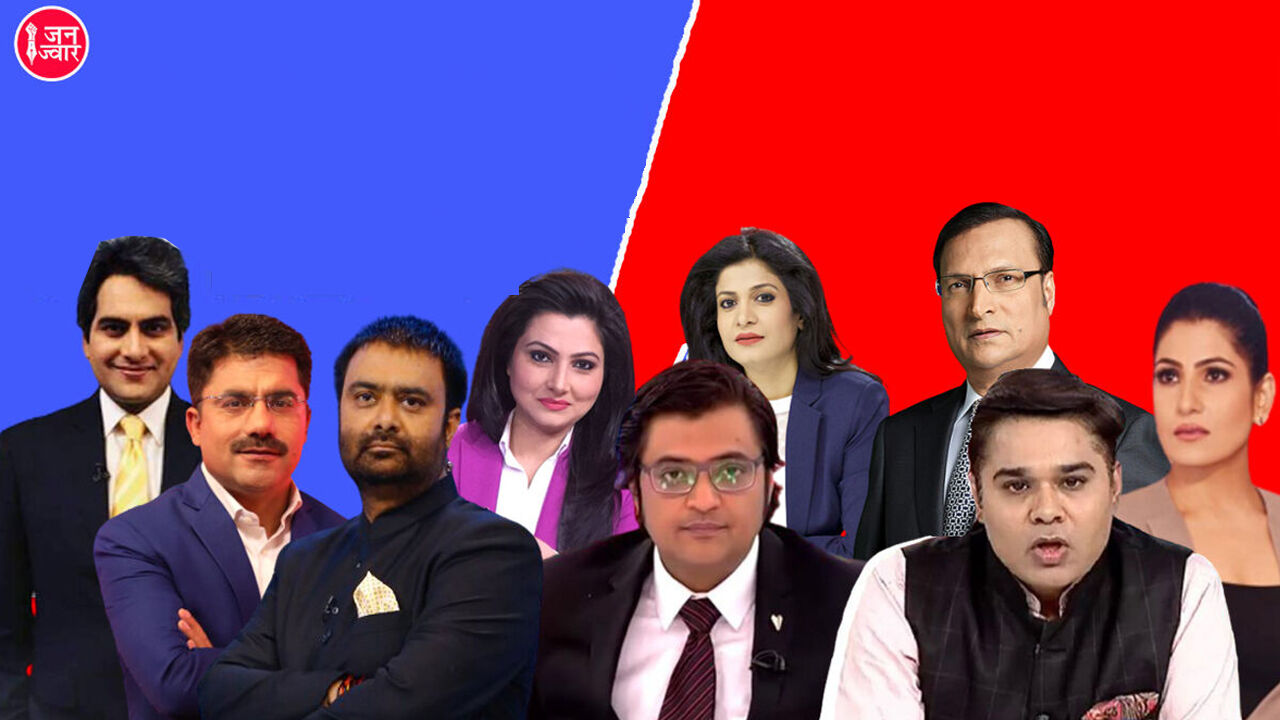
The phenomenon of media trials in India became prominent in the late 1990s and early 2000s, coinciding with the expansion of private television news channels and the liberalization of the media sector. Earlier, print journalism was the dominant form of news dissemination, and reporting on criminal cases was relatively restrained. However, the arrival of 24-hour television news channels created intense competition for viewership and ratings.
In order to attract audiences, many media organizations began adopting sensationalist reporting styles. Criminal investigations, celebrity scandals, and controversial cases became prime-time news topics. Journalists and television anchors started analyzing evidence, interviewing witnesses, and sometimes even declaring suspects guilty before the courts could reach a conclusion.
Several high-profile cases in India illustrate this trend. For instance, the Jessica Lal murder case (1999) gained widespread media attention when initial legal proceedings resulted in the acquittal of the accused due to lack of evidence. Media campaigns and public protests led to a reopening of the case and eventual conviction. Similarly, the Nirbhaya case (2012) triggered extensive media coverage that shaped public outrage and influenced legal reforms regarding sexual violence.
While these cases demonstrate the media’s potential role in demanding justice, they also highlight the increasing tendency of media institutions to function as informal courts. Sociologically, this phenomenon reflects the transformation of the media from a passive observer to an active participant in the judicial narrative.
Sociological Understanding of Media Trials
Media trials can be analyzed using several sociological perspectives, including symbolic interactionism, conflict theory, and functionalism.
From the viewpoint of symbolic interactionism, media narratives construct meanings and symbols that shape how people interpret events. When media outlets repeatedly portray a suspect as guilty, the audience begins to associate the individual with criminality even before the legal process is completed. This symbolic labeling can stigmatize individuals and influence social attitudes.
Conflict theory, rooted in the ideas of Karl Marx, emphasizes the role of power and inequality in shaping social institutions. Media organizations often operate within corporate structures and political influences, which may affect how cases are framed. Certain individuals or groups may be targeted or protected depending on economic interests, political alliances, or ideological agendas. Thus, media trials may reflect broader power struggles within society.
From a functional perspective, media trials can be viewed as mechanisms of social regulation. By highlighting crimes and identifying alleged offenders, the media reinforces social norms and values. However, when media coverage becomes excessive or biased, it can disrupt the balance between social order and justice.
Media and the Construction of Public Opinion
Public opinion refers to the collective attitudes and beliefs of individuals within a society regarding social issues. The media plays a significant role in shaping public opinion by determining which issues receive attention and how they are framed.
In India, television debates, investigative reports, and social media campaigns often influence how people perceive criminal cases. When news channels repeatedly broadcast specific narratives, they create what sociologists call “agenda setting.” This process determines which issues become important in public consciousness.
For example, if a news channel continuously emphasizes the guilt of a particular suspect, viewers may accept that narrative as truth. Over time, this perception can become deeply embedded in public consciousness. As a result, the accused person may face social condemnation even before a court verdict is delivered.
Social media platforms have intensified this phenomenon. Hashtags, viral videos, and online discussions amplify media narratives and mobilize public sentiment. In many cases, digital activism leads to large-scale public pressure on government authorities and judicial institutions.
However, sociologists caution that public opinion shaped by media narratives may not always be based on verified facts. Instead, it can be influenced by emotional appeals, selective reporting, and sensationalism.
Media Trials and the Justice System
One of the most critical concerns regarding media trials is their potential impact on the justice system. The principle of “innocent until proven guilty” is a fundamental aspect of democratic legal systems. However, when media outlets publicly label individuals as criminals before judicial verdicts, this principle may be undermined.
Judges and juries are expected to remain impartial and rely solely on evidence presented in court. Yet, in high-profile cases, widespread media coverage can create an environment where public expectations influence legal proceedings. Even if judges remain objective, the perception of bias may emerge.
Media trials can also affect witnesses and investigators. Witnesses may feel pressured to align their statements with public narratives, while investigators may face intense scrutiny and demands for quick results. This pressure can sometimes lead to procedural errors or compromised investigations.
Moreover, individuals accused in media trials often suffer severe reputational damage. Even if courts eventually declare them innocent, their social standing, employment prospects, and personal relationships may already be irreparably harmed.
Media Ethics and Professional Responsibility
Journalistic ethics require reporters to maintain accuracy, fairness, and impartiality. Responsible journalism involves verifying facts, protecting the dignity of individuals, and respecting legal processes.
However, the commercial pressures of modern media often lead to sensational reporting. Television debates sometimes prioritize dramatic confrontation over factual discussion. Anchors may present speculative theories as established facts, while panelists engage in heated arguments that blur the line between journalism and entertainment.
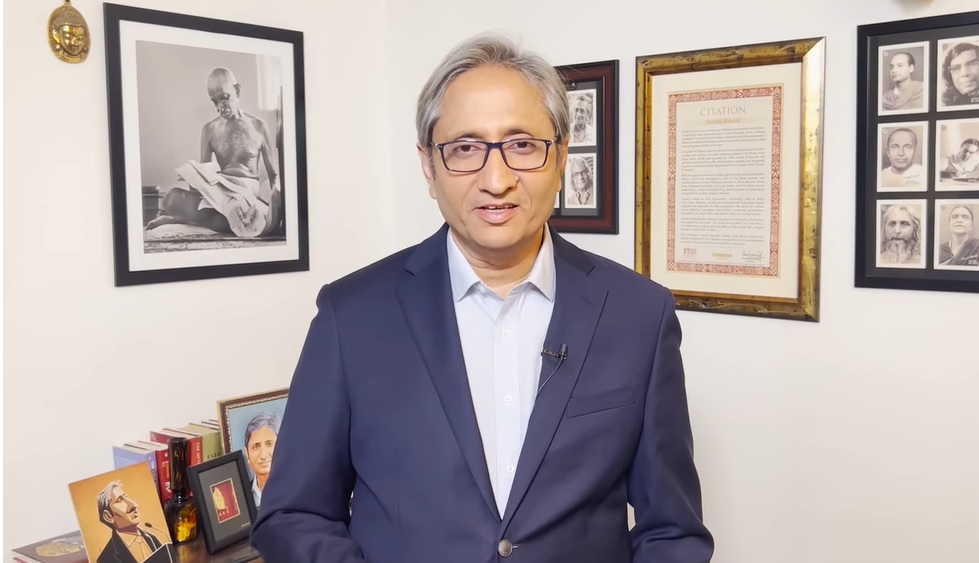
The Press Council of India and other regulatory bodies have repeatedly emphasized the need for ethical reporting in criminal cases. They advise media organizations to avoid prejudicial statements, speculative accusations, and disclosure of sensitive evidence that could affect investigations.
Despite these guidelines, enforcement remains limited, and many media outlets continue to prioritize ratings and audience engagement over ethical considerations.
The Role of Social Media
The rise of social media platforms has transformed the landscape of media trials in India. Unlike traditional journalism, social media allows anyone to share opinions, rumors, and interpretations of events. As a result, information spreads rapidly without formal verification.
In many high-profile cases, social media users conduct their own “digital investigations,” analyzing photographs, videos, and personal information about suspects. While some of these efforts may uncover useful insights, many others spread misinformation and conspiracy theories.
The sociological significance of social media lies in its ability to create collective emotional responses. When a large number of users express anger or sympathy online, it generates a sense of shared moral outrage. This digital mobilization can influence traditional media coverage and even prompt political action.
However, the absence of editorial oversight means that false information can spread quickly, further complicating the relationship between media, public opinion, and justice.
Case Studies of Media Trials in India
Several notable cases illustrate the dynamics of media trials in India.
The Aarushi Talwar murder case (2008) received extensive media coverage that often relied on speculative theories and sensational headlines. Media narratives portrayed various individuals as suspects, leading to widespread public confusion and controversy. The case highlighted how media speculation can complicate investigations and shape public perceptions.
Similarly, the death of actor Sushant Singh Rajput (2020) triggered intense media debates involving allegations of conspiracy, drug networks, and institutional failures. Television channels conducted daily discussions, often presenting unverified claims. The case became a national spectacle, demonstrating the powerful influence of media narratives on public discourse.
These examples show how media trials can transform criminal cases into mass entertainment events, raising questions about the boundaries between journalism and spectacle.
Sociological Consequences of Media Trials
Media trials have several broader sociological consequences. First, they influence the collective perception of justice. When people rely on media narratives rather than legal verdicts, the legitimacy of judicial institutions may be questioned.
Second, media trials contribute to the culture of public shaming. Individuals accused in high-profile cases often become subjects of intense scrutiny and ridicule. This phenomenon reflects broader societal tendencies toward moral judgment and social control.
Third, media trials highlight the increasing power of communication technologies in shaping social reality. Sociologist Marshall McLuhan famously argued that “the medium is the message,” meaning that communication technologies themselves influence how people perceive the world. In the context of media trials, television and digital platforms transform legal proceedings into public spectacles.
Finally, media trials reveal the tension between freedom of expression and the right to a fair trial. While democratic societies value free media, they must also protect the integrity of legal processes.
Balancing Media Freedom and Judicial Fairness
Addressing the challenges of media trials requires a balanced approach that respects both press freedom and judicial fairness. Media organizations must adopt stronger ethical standards and prioritize responsible reporting.
Journalists should focus on factual information rather than speculative commentary. Investigative reporting should complement legal processes rather than replace them. News organizations should also avoid sensational headlines and refrain from presenting opinions as facts.
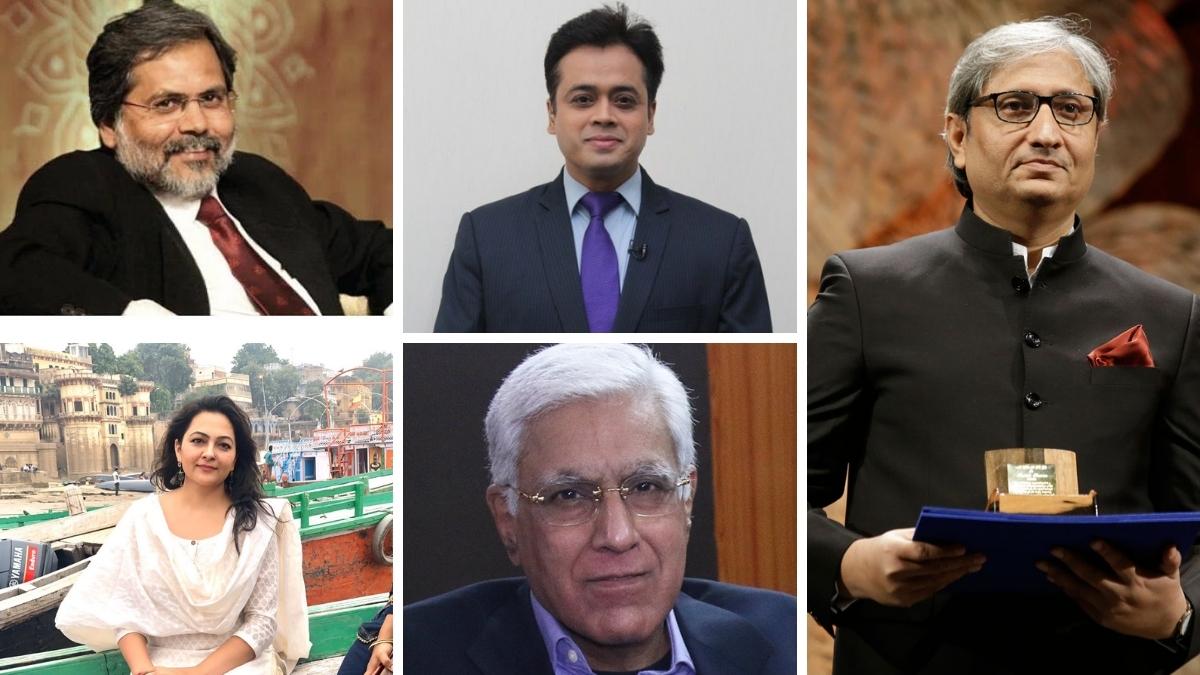
At the institutional level, regulatory bodies may consider developing clearer guidelines for reporting on ongoing investigations. Training programs in media ethics and legal awareness can help journalists understand the consequences of irresponsible reporting.
Public awareness is also important. Citizens should develop critical media literacy skills to evaluate news sources and distinguish between verified information and sensational narratives.
Conclusion
Media trials represent one of the most complex intersections between media power, public opinion, and the justice system in contemporary India. While the media plays a vital role in exposing injustice and promoting transparency, its tendency to conduct informal trials before judicial verdicts raises serious ethical and sociological concerns.
From a sociological perspective, media trials demonstrate how communication systems shape collective perceptions, construct social realities, and influence institutional processes. They reveal the power of media narratives to mobilize public sentiment, stigmatize individuals, and transform legal proceedings into public spectacles.
In a democratic society, the media must balance its role as a watchdog with its responsibility to respect legal principles. Strengthening journalistic ethics, promoting media literacy, and ensuring responsible reporting are essential steps toward maintaining the integrity of both the media and the justice system.
Ultimately, the challenge lies in ensuring that the pursuit of truth and justice remains grounded in fairness, evidence, and respect for the rule of law rather than sensational narratives and public pressure.
FAQs: Public Opinion in India
1. What is Public Opinion in India?
Public Opinion in India refers to the collective views, attitudes, and beliefs of citizens regarding social, political, and economic issues. It reflects how people perceive policies, institutions, and events within Indian society.
2. How is Public Opinion in India formed?
Public Opinion in India is formed through various influences such as media, education, political campaigns, cultural values, and interpersonal discussions within families and communities.
3. Why is Public Opinion in India important in a democracy?
Public Opinion in India plays a vital role in a democratic system because it influences elections, government policies, and political accountability. Leaders often respond to the concerns expressed by the public.
4. What role does media play in shaping Public Opinion in India?
Media significantly shapes Public Opinion in India by highlighting particular issues, framing narratives, and providing information that guides how citizens interpret events and social problems.
5. How do social media platforms affect Public Opinion in India?
Social media platforms amplify Public Opinion in India by allowing rapid sharing of information, opinions, and campaigns. However, they can also spread misinformation and polarized views.
6. Can Public Opinion in India influence government policies?
Yes, Public Opinion in India can strongly influence government decisions. Public protests, electoral behavior, and widespread discussions often push governments to reconsider or modify policies.
7. What is the relationship between Public Opinion in India and elections?
Elections reflect Public Opinion in India because voters express their political preferences through voting. Election outcomes often indicate the public’s approval or disapproval of government performance.
8. How do opinion polls measure Public Opinion in India?
Opinion polls measure Public Opinion in India by surveying a sample of people and analyzing their views on political leaders, policies, or social issues. These surveys attempt to represent broader societal attitudes.
9. What sociological factors influence Public Opinion in India?
Factors such as class, caste, religion, education, region, and economic conditions shape Public Opinion in India. These social structures influence how individuals interpret political and social issues.
10. How does education impact Public Opinion in India?
Education contributes to informed decision-making and critical thinking, which can significantly shape Public Opinion in India by enabling citizens to evaluate information more carefully.
11. Can Public Opinion in India change over time?
Yes, Public Opinion in India is dynamic and can change due to political events, economic developments, media narratives, and social movements.
12. What role do political parties play in influencing Public Opinion in India?
Political parties influence Public Opinion in India through campaigns, speeches, manifestos, and ideological messaging aimed at persuading voters.
13. How do cultural values shape Public Opinion in India?
Cultural traditions, historical experiences, and community norms influence Public Opinion in India by shaping how individuals perceive social issues and political developments.
14. What are the challenges in interpreting Public Opinion in India?
Challenges in interpreting Public Opinion in India include regional diversity, language differences, social inequalities, and the spread of misinformation that may distort public perceptions.
15. Why is studying Public Opinion in India important for sociologists?
Studying Public Opinion in India helps sociologists understand how collective beliefs emerge, how social institutions influence public thinking, and how citizens interact with political and media systems.