Introduction
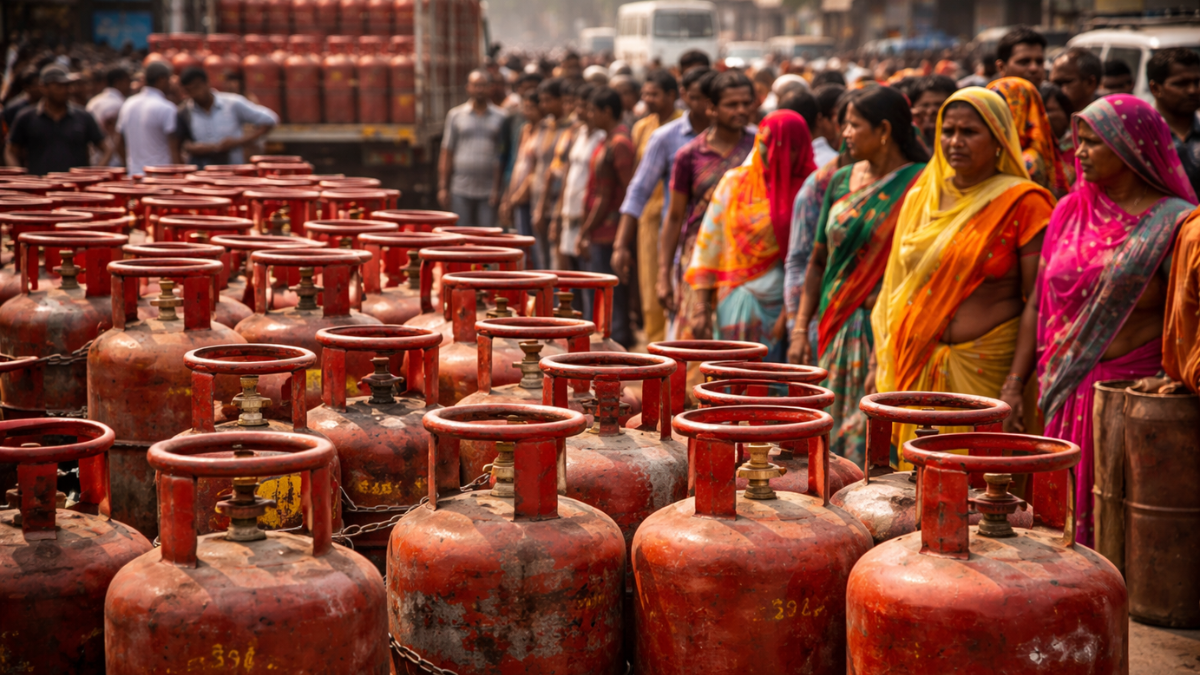
Energy resources play a fundamental role in shaping the economic, social, and political structure of modern societies. Among the various forms of energy used in households, Liquefied Petroleum Gas (LPG) has become one of the most important sources of cooking fuel in India. Over the last two decades, government policies such as the Pradhan Mantri Ujjwala Yojana (PMUY) have significantly increased LPG access, making it the primary cooking fuel for millions of Indian households. However, India’s dependence on imported LPG makes the country highly vulnerable to global geopolitical tensions.
The recent US–Israel–Iran conflict has intensified instability in the Middle East, one of the world’s most important energy-producing regions. As tensions escalate, disruptions in shipping routes, energy supply chains, and international fuel prices have triggered concerns about a potential LPG crisis in India. The impact of such a crisis is not merely economic but deeply sociological, affecting household welfare, class relations, food systems, gender roles, and patterns of inequality.
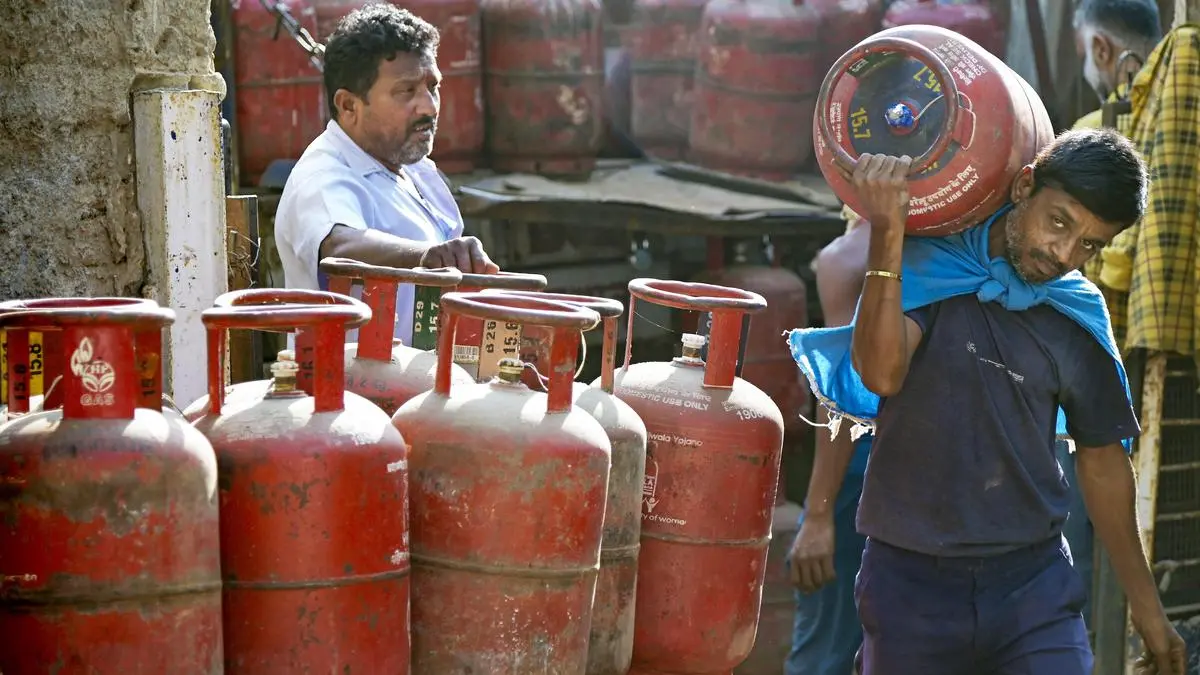
From a sociological perspective, the LPG crisis demonstrates how global geopolitical conflicts can directly influence everyday life in developing countries. Energy scarcity can reshape social behavior, reinforce inequalities, and affect the functioning of social institutions such as family, markets, and governance.
This article examines the LPG crisis in India caused by the US–Israel–Iran conflict from a sociological perspective. It explores the geopolitical background of the crisis, India’s energy dependency, and the socio-economic consequences for households, markets, and vulnerable communities.
Global Geopolitics and Energy Supply
Energy resources have historically been intertwined with global politics and international relations. The Middle East, particularly the Persian Gulf region, holds some of the largest reserves of oil and natural gas in the world. Countries such as Saudi Arabia, Qatar, Iran, Kuwait, and the United Arab Emirates are major suppliers of crude oil and LPG to global markets.
The US–Israel–Iran conflict has intensified geopolitical tensions in this region. Iran’s strategic position near the Strait of Hormuz, one of the world’s most important maritime routes for energy transportation, gives it considerable influence over global energy trade. Approximately one-fifth of the world’s petroleum and LPG shipments pass through this narrow passage.
When conflict escalates in the region, several disruptions occur simultaneously. Shipping companies face security risks, insurance costs for vessels increase significantly, and energy exporters may reduce production or delay shipments. These disruptions create instability in global energy markets, causing sudden increases in fuel prices and supply shortages.
For countries like India that rely heavily on energy imports, such geopolitical conflicts can quickly translate into domestic crises. The LPG crisis illustrates how global political conflicts penetrate everyday life through the mechanisms of globalization and economic interdependence.
India’s Dependence on LPG Imports
India is one of the largest consumers of LPG in the world. Over the last decade, government initiatives aimed at promoting clean cooking fuels have expanded LPG consumption across rural and urban areas. The transition from traditional biomass fuels such as firewood, cow dung, and coal to LPG has been widely promoted as a public health and environmental measure.
However, the rapid expansion of LPG consumption has increased India’s dependence on imports. Domestic production of LPG meets only a portion of the country’s demand, while the majority of supply comes from international markets.
Most of India’s LPG imports originate from Middle Eastern countries, including Qatar, Saudi Arabia, and the United Arab Emirates. These supplies are transported through the Persian Gulf and the Strait of Hormuz before reaching Indian ports.
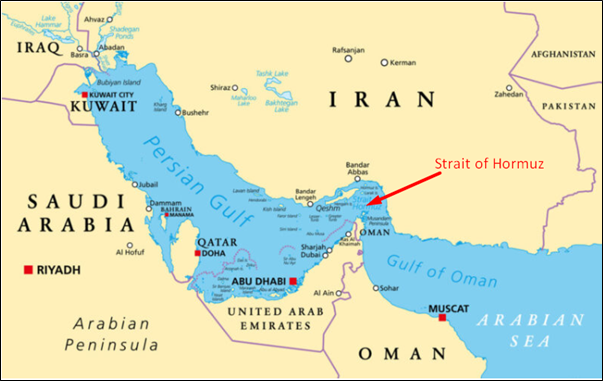
Because of this dependence, any geopolitical conflict affecting the Middle East can disrupt India’s energy security. The US–Israel–Iran conflict has raised concerns about potential blockades, reduced exports, and rising transportation costs. Even the threat of disruption can trigger speculative price increases in global markets.
Thus, India’s LPG crisis cannot be understood solely as a domestic issue. It is closely connected to global power politics, international trade networks, and the structural vulnerability of energy-importing nations.
Economic Implications of the LPG Crisis
The LPG crisis has immediate economic consequences for Indian society. Rising LPG prices increase the cost of living for millions of households. Cooking gas is an essential commodity, and price increases directly affect household budgets, particularly among lower-income groups.
When LPG prices rise, households may be forced to reduce consumption or shift back to traditional fuels. Such shifts have both economic and health implications. Biomass fuels are often cheaper but produce harmful smoke that contributes to respiratory diseases.
The crisis also affects commercial sectors that rely heavily on LPG. Restaurants, street food vendors, hotels, and catering services depend on cooking gas for daily operations. Rising LPG prices increase operational costs, which are often passed on to consumers through higher food prices.
This chain reaction contributes to food inflation, which disproportionately affects the poor. As food prices rise, household purchasing power declines, intensifying economic inequality.
Furthermore, disruptions in LPG supply can affect small-scale businesses that depend on affordable cooking fuel. Street vendors, tea stalls, and small restaurants form an important part of India’s informal economy. If LPG becomes scarce or expensive, these livelihoods may be threatened.
Sociological Dimensions of Energy Inequality
From a sociological perspective, the LPG crisis reveals patterns of energy inequality in Indian society. Energy access is not distributed evenly across different social groups. Urban middle-class households generally have stable access to LPG cylinders and may be able to absorb moderate price increases. In contrast, rural and low-income households are far more vulnerable.
The concept of energy poverty helps explain these inequalities. Energy poverty refers to the inability of households to access modern and affordable energy services. When LPG prices rise, poor households may reduce usage or revert to traditional fuels such as firewood and charcoal.
This regression undermines years of policy efforts aimed at promoting clean cooking energy. Programs like the Ujjwala Yojana were designed to reduce indoor air pollution and improve women’s health. However, rising LPG prices can make it difficult for beneficiaries to afford cylinder refills.
Thus, the LPG crisis highlights how global economic shocks can reverse progress in social development programs. It also demonstrates how energy access is closely connected to broader issues of poverty, inequality, and social justice.
Gender Dimensions of the LPG Crisis
Energy use in households is deeply connected to gender relations. In many Indian households, women are primarily responsible for cooking and managing domestic energy resources. As a result, changes in cooking fuel availability directly affect women’s daily lives.
Before the widespread adoption of LPG, rural women often spent several hours collecting firewood from forests or agricultural fields. This task was physically demanding and time-consuming. The introduction of LPG reduced this burden, allowing women to allocate more time to education, employment, or family care.
However, when LPG becomes expensive or scarce, households may revert to traditional fuels. This shift increases women’s workload and exposes them to harmful smoke produced by biomass burning.
Indoor air pollution caused by biomass fuels is a major health hazard, leading to respiratory diseases, eye irritation, and long-term health complications. Women and young children are particularly vulnerable because they spend more time near cooking areas.
From a sociological viewpoint, the LPG crisis illustrates how energy insecurity can reinforce gender inequalities and affect women’s health, autonomy, and quality of life.
Impact on Urban Food Systems
Urban food systems are highly dependent on reliable energy supplies. Restaurants, food delivery services, catering companies, and street vendors rely on LPG for cooking large quantities of food efficiently.
If LPG supply becomes unstable, the urban food economy may experience disruptions. Restaurants may reduce operating hours, increase prices, or temporarily shut down. Food delivery platforms may experience fewer orders due to higher costs and reduced supply.
Street food vendors, who form a vital part of urban food culture and informal employment, may face severe difficulties if LPG prices rise sharply. Many small vendors operate on very thin profit margins. Even a moderate increase in fuel costs can significantly reduce their income.
These disruptions can have broader social consequences. Urban consumers may face higher food prices, while workers in the food service industry may experience job losses or reduced wages.
Thus, the LPG crisis demonstrates how energy shortages can affect urban social systems, employment patterns, and everyday consumption practices.
Government Response and Policy Challenges
The Indian government has taken several measures to mitigate the potential impact of the LPG crisis. Authorities have attempted to increase domestic production, diversify import sources, and maintain strategic energy reserves.
One important strategy is the diversification of LPG imports from countries outside the Middle East. By importing LPG from regions such as the United States, Russia, and Africa, India can reduce its dependence on the Persian Gulf.
The government has also prioritized LPG supply for household consumption, ensuring that domestic users receive cylinders even during periods of supply disruption. Monitoring mechanisms have been introduced to prevent hoarding and black-market sales.
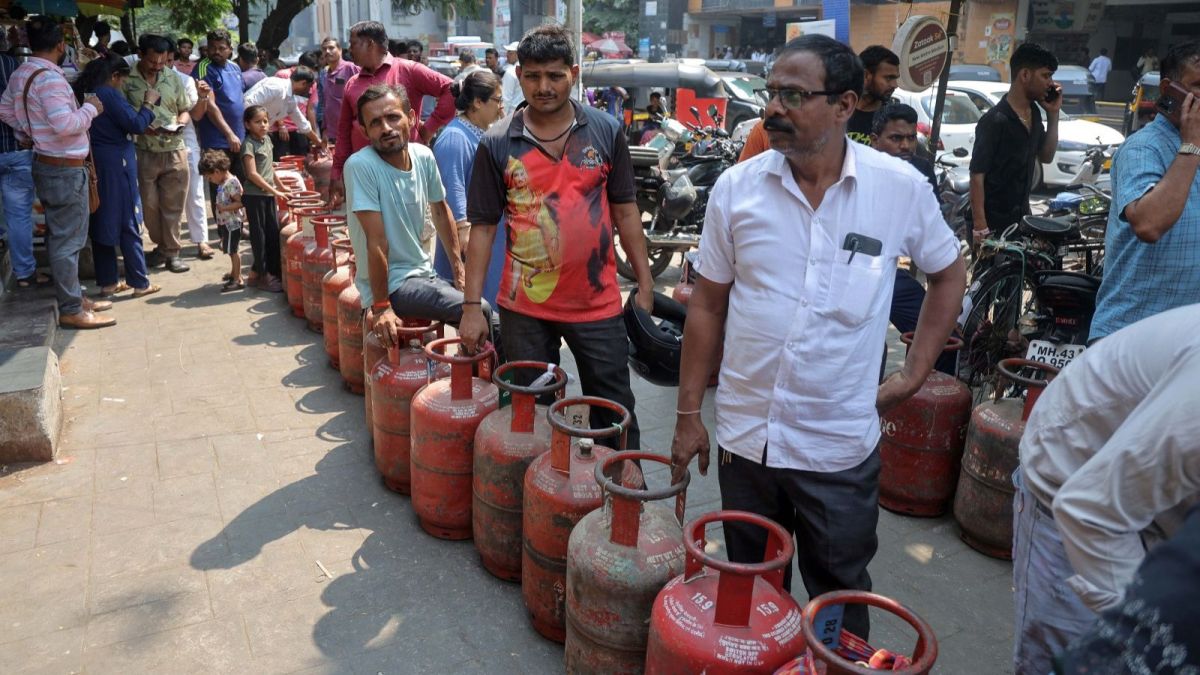
Despite these efforts, managing the LPG crisis remains a complex challenge. Energy security requires long-term planning, including investments in renewable energy, improved domestic production, and better infrastructure for fuel storage and distribution.
From a sociological perspective, government policies must also address the social consequences of energy crises, particularly their impact on vulnerable populations.
Globalization and Energy Vulnerability
The LPG crisis illustrates the broader sociological concept of global interdependence. In the era of globalization, national economies are closely linked through trade networks, financial systems, and supply chains. While globalization creates opportunities for economic growth, it also increases vulnerability to global shocks.
Conflicts occurring thousands of kilometers away can quickly affect local economies and everyday life. The US–Israel–Iran conflict demonstrates how geopolitical tensions in one region can influence energy prices, food costs, and household welfare in another.
This interconnectedness highlights the importance of global cooperation and diplomatic efforts to maintain stability in energy markets. It also underscores the need for countries like India to develop resilient energy systems that can withstand international disruptions.
Long-Term Implications for Indian Society
If the LPG crisis persists for an extended period, it could have long-term implications for Indian society. Rising fuel costs may accelerate inflation, deepen economic inequalities, and strain government welfare programs.
Energy insecurity may also influence patterns of consumption and technological innovation. For example, households may increasingly adopt alternative cooking technologies such as electric stoves or solar-based cooking systems.
The crisis may also encourage policymakers to invest more heavily in renewable energy sources, including solar, wind, and bioenergy. Such investments could reduce dependence on imported fossil fuels and contribute to sustainable development.
However, the transition to alternative energy systems must be carefully managed to ensure that vulnerable communities are not excluded from access to affordable energy.
Conclusion
The LPG crisis in India resulting from the US–Israel–Iran conflict demonstrates how global geopolitical tensions can produce far-reaching social consequences. While the crisis originates in international politics and energy markets, its effects are deeply embedded in everyday life, affecting household budgets, food systems, gender relations, and social inequalities.
From a sociological perspective, the crisis highlights the interconnected nature of modern societies. Energy security is not merely an economic or technological issue but a social one that influences health, livelihoods, and social justice.
Addressing the LPG crisis requires both immediate policy responses and long-term structural changes. Diversifying energy sources, strengthening domestic production, and investing in renewable energy can reduce vulnerability to global conflicts.
At the same time, policymakers must ensure that energy transitions remain inclusive and equitable. Protecting vulnerable communities from the social consequences of energy crises is essential for building a resilient and just society.
Ultimately, the LPG crisis serves as a reminder that global political conflicts can shape the everyday realities of millions of people. Understanding these connections is crucial for developing policies that promote both energy security and social well-being.
FAQs
1. What is the LPG crisis in India?
The LPG crisis in India refers to the situation where the supply of liquefied petroleum gas becomes unstable or expensive due to global conflicts, supply disruptions, or rising international fuel prices.
2. Why is the LPG crisis in India linked to the US–Israel–Iran conflict?
The LPG crisis in India is connected to the conflict because tensions in the Middle East can disrupt oil and gas shipping routes, particularly through the Strait of Hormuz, affecting LPG supply to India.
3. How dependent is India on imported LPG?
The LPG crisis in India highlights the country’s heavy dependence on imported LPG, as India imports more than half of its cooking gas from international markets.
4. How does the LPG crisis in India affect household budgets?
The LPG crisis in India increases cooking gas prices, which raises household expenses and puts financial pressure on low- and middle-income families.
5. How does the LPG crisis in India impact poor households?
During the LPG crisis in India, poor households may reduce LPG usage or return to traditional fuels such as firewood and coal.
6. What role does globalization play in the LPG crisis in India?
Global trade and energy networks mean that geopolitical conflicts can quickly trigger the LPG crisis in India through disruptions in international fuel supply chains.
7. How does the LPG crisis in India affect small businesses?
The LPG crisis in India increases operational costs for restaurants, street vendors, and food services that rely heavily on cooking gas.
8. How does the LPG crisis in India influence food prices?
Rising LPG costs during the LPG crisis in India increase cooking expenses for food businesses, which often leads to higher food prices for consumers.
9. What is the relationship between energy poverty and the LPG crisis in India?
The LPG crisis in India can deepen energy poverty by making clean cooking fuel unaffordable for low-income households.
10. How does the LPG crisis in India affect women in households?
The LPG crisis in India can increase women’s workload if families revert to traditional fuels that require collecting firewood and longer cooking times.
11. What health risks are associated with the LPG crisis in India?
If households shift to biomass fuels during the LPG crisis in India, indoor air pollution may increase, causing respiratory diseases.
12. What steps is the government taking to address the LPG crisis in India?
To manage the LPG crisis in India, the government is diversifying LPG imports, boosting domestic production, and prioritizing household supply.
13. Can renewable energy reduce the LPG crisis in India?
Yes, promoting alternative cooking technologies and renewable energy can help reduce dependence on LPG and lessen the LPG crisis in India.
14. How does the LPG crisis in India affect urban food systems?
The LPG crisis in India may disrupt restaurants and food vendors, affecting food availability and employment in urban areas.
15. What is the long-term solution to the LPG crisis in India?
Reducing dependence on imported fuels, improving domestic energy production, and expanding renewable energy are key solutions to the LPG crisis in India.