Introduction on Race Relations and Civil Rights Legacy
Alabama occupies a central and symbolic place in the history of race relations in the United States. More than almost any other state, it represents both the deepest roots of racial oppression and some of the most transformative struggles for racial justice. From slavery and segregation to mass protest movements and civil rights legislation, Alabama’s social landscape has been shaped by conflict, resistance, and gradual transformation. A sociological examination of race relations in Alabama helps us understand how power, inequality, identity, and collective action interact within a society marked by historical trauma and enduring racial divisions.
This article explores civil rights legacy in Alabama not simply as a sequence of historical events, but as a living social process. It analyzes how institutions, social structures, collective memory, and everyday interactions continue to shape race relations in the state today.

Historical Roots of Racial Inequality in Alabama
The foundations of racial inequality in Alabama were laid during the colonial and plantation eras. Slavery formed the economic backbone of the region, creating a rigid racial hierarchy that privileged white landowners and systematically dehumanized African Americans. From a sociological perspective, slavery was not only an economic system but also a cultural and ideological structure that normalized racial domination.
After the Civil War, the brief period of Reconstruction offered African Americans political participation and social mobility. However, this was violently dismantled by the rise of Jim Crow laws, racial terror, and white supremacist organizations. Segregation became institutionalized through law, education, housing, and employment, reinforcing what sociologists call structural racism—inequality embedded within social institutions rather than merely individual prejudice.
In Alabama, segregation was particularly rigid. Public spaces, schools, transportation, and even cemeteries were divided by race. This segregation was enforced not only by law but also by social norms, violence, and economic exclusion, creating a system of racial control that shaped everyday life.
Segregation, Power, and Social Control
Sociologically, segregation in Alabama functioned as a mechanism of social control. It limited African Americans’ access to resources, political power, and social mobility while maintaining white dominance. Voting restrictions such as poll taxes and literacy tests excluded Black citizens from democratic participation, ensuring that political institutions reflected the interests of the white elite.
Segregation also shaped identity formation. African Americans were forced to develop parallel institutions—churches, schools, businesses, and community organizations—which became sites of resistance and solidarity. These spaces nurtured leadership, collective consciousness, and moral frameworks that later fueled the civil rights movement.
Alabama and the Rise of the Civil Rights Movement
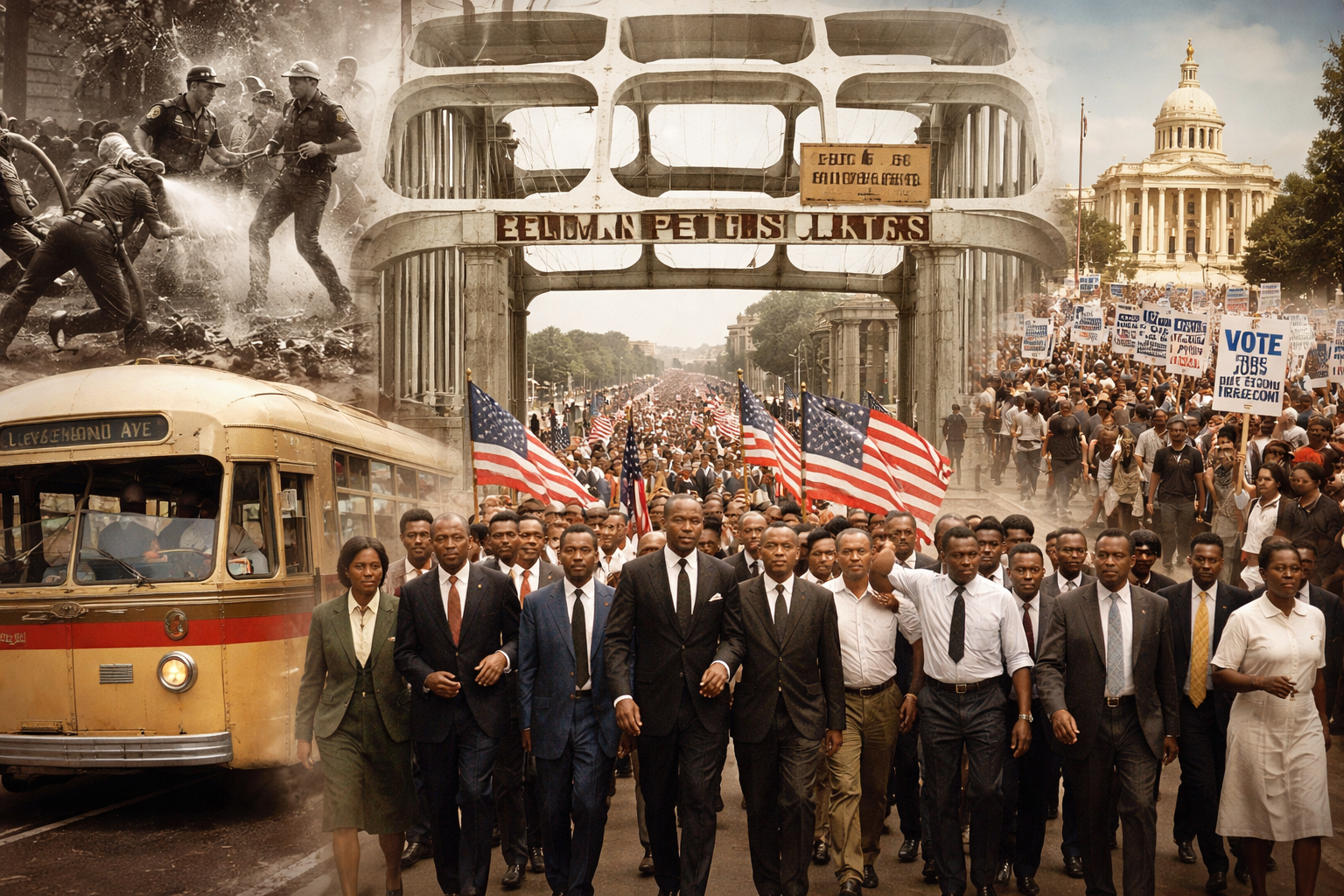
Alabama emerged as a focal point of the modern civil rights movement because of its extreme segregation and the courage of local activists. The Montgomery Bus Boycott (1955–56) marked a turning point, demonstrating the power of nonviolent collective action. Sociologically, the boycott showed how ordinary people could disrupt unjust systems by withdrawing cooperation.
Figures such as Martin Luther King Jr. articulated a moral vision that linked racial justice with democracy and human dignity. However, the movement was not driven by charismatic leaders alone. Grassroots organizers, women’s groups, churches, and youth activists formed dense social networks that sustained long-term resistance.
The Birmingham Campaign of 1963 exposed the brutality of segregation to a national audience. Images of police violence against peaceful protesters revealed the contradictions between American democratic ideals and racial reality. From a sociological lens, media played a crucial role in reshaping public opinion and mobilizing external support.
Similarly, the **Selma to Montgomery marches highlighted the connection between civil rights and political participation. These events emphasized that race relations are deeply tied to access to power and representation.
Legal Change and Social Transformation
The civil rights movement in Alabama contributed directly to landmark legislation, including the Civil Rights Act of 1964 and the Voting Rights Act of 1965. These laws dismantled formal segregation and expanded political rights, marking a significant shift in the legal framework of race relations.
However, sociologists distinguish between legal equality and social equality. While laws changed rapidly, social attitudes and institutional practices evolved more slowly. Many white communities resisted integration through private schools, suburbanization, and informal discrimination. As a result, racial inequality persisted in new forms.
Education, Housing, and Economic Inequality
Education became a key battleground in post–civil rights Alabama. Although schools were legally desegregated, residential segregation and unequal funding produced de facto segregation. Sociological research shows that education systems often reproduce social inequality by privileging students from historically advantaged backgrounds.
Housing patterns in Alabama also reflect long-standing racial divides. Redlining, discriminatory lending, and zoning policies confined many African Americans to under-resourced neighborhoods. These spatial inequalities affect access to quality education, healthcare, employment, and public services, creating what sociologists describe as a cycle of cumulative disadvantage.
Economically, African Americans in Alabama continue to experience higher unemployment rates, lower household wealth, and limited upward mobility. These disparities are not merely individual failures but outcomes of historical exclusion and structural barriers.
Criminal Justice and Racial Disparities
Race relations in Alabama are also shaped by the criminal justice system. African Americans are disproportionately arrested, incarcerated, and sentenced more harshly than white counterparts. Sociologically, this reflects broader patterns of racialized social control, where legal institutions reinforce existing inequalities.
The legacy of racial violence—from lynchings to police brutality—has created deep mistrust between Black communities and law enforcement. This mistrust influences everyday interactions and shapes contemporary movements for criminal justice reform.
Collective Memory and Civil Rights Heritage
One of Alabama’s most distinctive features is how its civil rights past is remembered and represented. Museums, memorials, and historic sites preserve the memory of struggle and sacrifice. Sociologically, collective memory plays a crucial role in shaping group identity and moral values.
However, memory is contested. While some view the civil rights legacy as a source of pride and progress, others see it as a challenge to traditional narratives of Southern identity. Debates over monuments, school curricula, and public commemorations reveal ongoing tensions over how history should be interpreted.
Contemporary Race Relations in Alabama
Today, race relations in Alabama are complex and evolving. Younger generations often express more inclusive attitudes, influenced by education, media, and global movements for racial justice. At the same time, political polarization and economic insecurity can intensify racial anxieties.
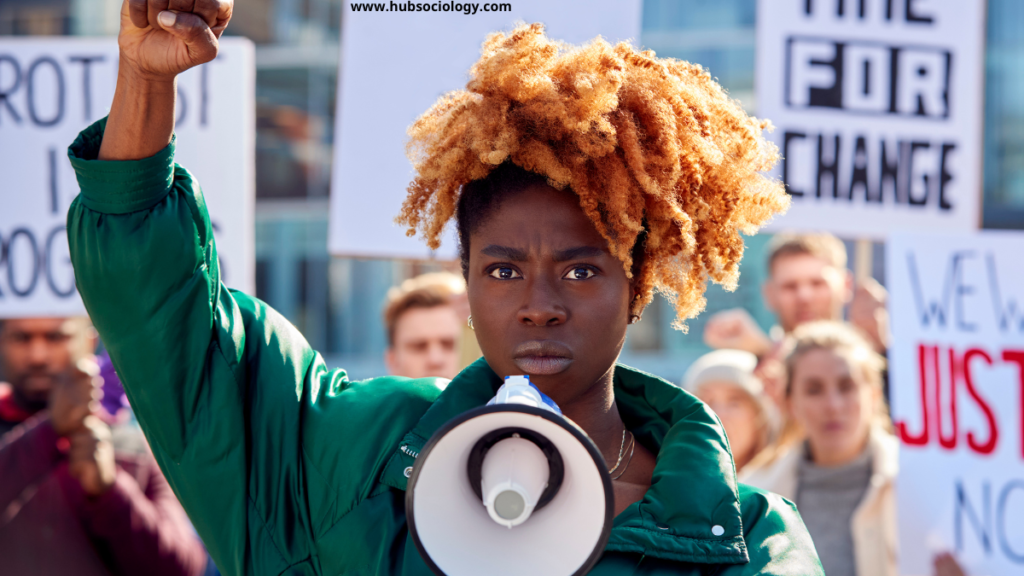
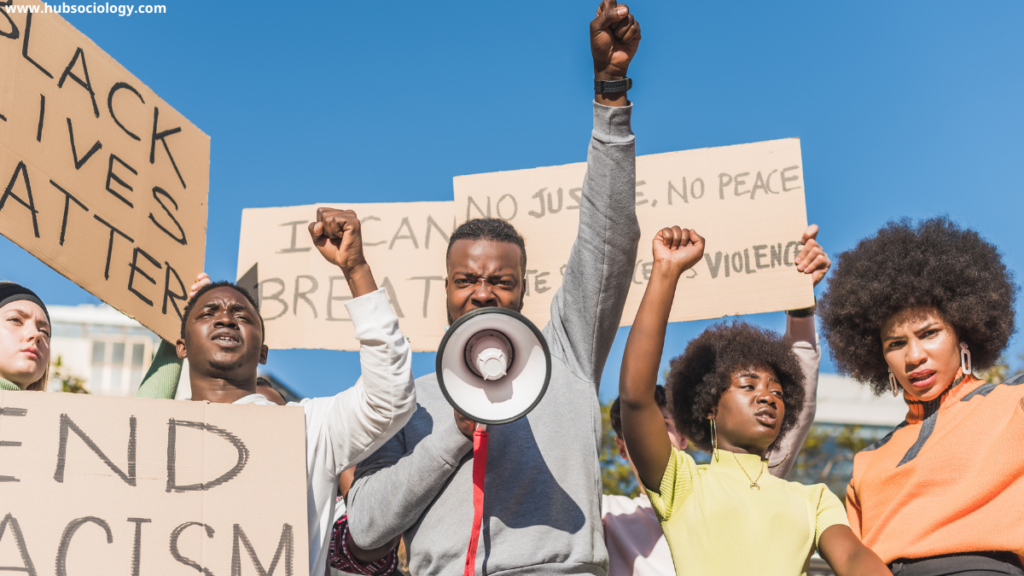
Social movements addressing voting rights, police reform, and economic inequality show that the civil rights legacy remains relevant. From a sociological perspective, these movements demonstrate that race relations are not static but continuously renegotiated through social action.
Intersectionality and New Dimensions of Inequality
Modern sociological analysis emphasizes intersectionality—the idea that race intersects with class, gender, and geography. In Alabama, poor rural communities, women of color, and immigrant populations experience unique forms of marginalization. Understanding race relations today requires examining how these overlapping identities shape lived experiences.
Conclusion on Race Relations and Civil Rights Legacy
The legacy of race relations and civil rights in Alabama is both painful and powerful. It reveals how deeply inequality can be embedded within social structures, but also how collective action can challenge and transform those structures. From slavery and segregation to protest and reform, Alabama’s history illustrates the dynamic relationship between power, resistance, and social change.
Sociologically, Alabama teaches us that civil rights are not merely legal achievements but ongoing social processes. The struggle for racial justice continues in schools, neighborhoods, workplaces, and political institutions. By understanding Alabama’s past and present, we gain broader insight into the nature of race relations in democratic societies and the enduring quest for equality and dignity.
FAQs on Civil Rights Legacy in Alabama
- What does the Civil Rights Legacy in Alabama mean?
The Civil Rights Legacy in Alabama refers to the historical struggle against racial segregation and discrimination and the lasting social, political, and cultural impacts of those movements within Alabama. - Why is Alabama central to the Civil Rights Movement?
Alabama was a major battleground because of its deeply entrenched segregation laws and strong resistance to racial equality, which triggered nationwide civil rights activism. - How did segregation shape the Civil Rights Legacy in Alabama?
Segregation created extreme racial inequalities that motivated collective resistance, making Alabama a focal point for protests, legal challenges, and national reforms. - What role did mass protests play in Alabama’s civil rights history?
Mass protests exposed institutional racism, mobilized national opinion, and pressured the federal government to pass civil rights legislation. - How did nonviolent resistance influence the Civil Rights Legacy in Alabama?
Civil Rights Legacy in Alabama is Nonviolent strategies, that highlighted moral injustice, gained public sympathy, and proved effective in challenging state-supported racial oppression. - What sociological factors sustained racial inequality in Alabama?
Structural racism, economic dependency, political exclusion, and cultural norms collectively reinforced racial hierarchies for decades. - How did the civil rights movement transform power relations in Alabama?
It weakened white political dominance by expanding voting rights and increasing African American participation in public institutions. - Is the Civil Rights Legacy in Alabama only historical?
No, it remains active through ongoing debates on voting rights, policing, education inequality, and racial justice. - How does education reflect the Civil Rights Legacy in Alabama?
Despite legal desegregation, unequal school funding and residential segregation continue to mirror historical racial divisions. - What is the connection between civil rights and voting rights in Alabama?
The struggle for voting rights was central, as political exclusion was a key tool of racial control. - How does collective memory shape the Civil Rights Legacy in Alabama?
Museums, memorials, and public narratives preserve history, influence identity, and shape contemporary racial attitudes. - Why do racial inequalities persist despite civil rights laws?
Laws addressed formal discrimination, but informal practices and institutional barriers continue to reproduce inequality. - How does the criminal justice system relate to Alabama’s civil rights legacy?
Racial disparities in policing and incarceration reflect unresolved structural inequalities rooted in the past. - What role do social movements play today in continuing the civil rights legacy?
Modern movements challenge voter suppression, racial profiling, and economic injustice, extending the historical struggle. - Why is studying the Civil Rights Legacy in Alabama sociologically important?
It helps explain how social structures, power, and collective action shape race relations in democratic societies.
2 thoughts on “Race Relations and Civil Rights Legacy in Alabama: A Sociological Perspective”