Introduction
East Asia has long been viewed as a region of cultural homogeneity, strong national identities, and limited immigration. Countries such as Japan, China, South Korea, and Taiwan historically emphasized ethnic unity and social cohesion. However, rapid economic growth, globalization, labor shortages, and demographic decline have transformed East Asia into an increasingly migrant-receiving region. Alongside economic migrants, refugees, marriage migrants, and ethnic returnees have reshaped the social landscape.
The growing presence of ethnic minorities has raised important sociological questions about identity, integration, discrimination, citizenship, and multiculturalism. Migration is not only an economic process but also a deeply social phenomenon that affects family life, community relations, cultural values, and national identity. This article examines migration and ethnic minorities in East Asia from a sociological perspective, focusing on patterns of migration, minority experiences, state policies, social integration, and emerging challenges.
Historical Background of Migration in East Asia
Traditionally, East Asian societies were shaped by strong notions of ethnic homogeneity. Japan promoted the idea of a mono-ethnic nation, Korea emphasized ethnic unity based on shared ancestry, and China prioritized Han Chinese identity. Migration was limited, controlled, and often temporary.
However, several historical developments changed this pattern. After World War II, Japan and Korea experienced rapid industrialization, which created demand for cheap labor. China’s economic reforms after 1978 opened its borders to foreign workers and students. Taiwan’s manufacturing boom attracted Southeast Asian labor migrants.
Colonial histories also influenced migration. Japan’s former colonies, such as Korea and Taiwan, had long-standing population movements. Chinese diaspora communities spread across Southeast Asia, creating transnational networks that later shaped modern migration flows.
By the late twentieth century, East Asia shifted from being a region of emigration to one of immigration. This transformation created new ethnic diversity and social complexity.
Patterns of Migration in East Asia
Migration in East Asia is diverse and multi-layered. It includes labor migration, marriage migration, student migration, refugee movement, and ethnic return migration.
Labor migration is the most visible form. Migrants from countries like Vietnam, the Philippines, Indonesia, Nepal, and Bangladesh work in construction, manufacturing, caregiving, and agriculture. These workers often fill jobs that local populations avoid due to low wages and harsh conditions.
Marriage migration is particularly common in South Korea, Japan, and Taiwan. Women from Southeast Asia marry men in rural areas where local women have moved to cities. These marriages are shaped by gender inequality, economic disparities, and cultural expectations.
Student migration has increased rapidly, especially in China, Japan, and South Korea. International students contribute to cultural diversity but also face language barriers and social exclusion.
Refugee migration remains limited compared to Western regions, but countries like Japan and South Korea are slowly increasing refugee acceptance.
Ethnic return migration involves people of Korean, Chinese, or Japanese descent returning from abroad, such as Korean-Chinese migrants in South Korea or Nikkeijin (Japanese descendants) in Japan. These migrants are often treated as cultural insiders but experience social marginalization.
Ethnic Minorities in East Asia
Ethnic minorities in East Asia include both indigenous groups and migrant communities.
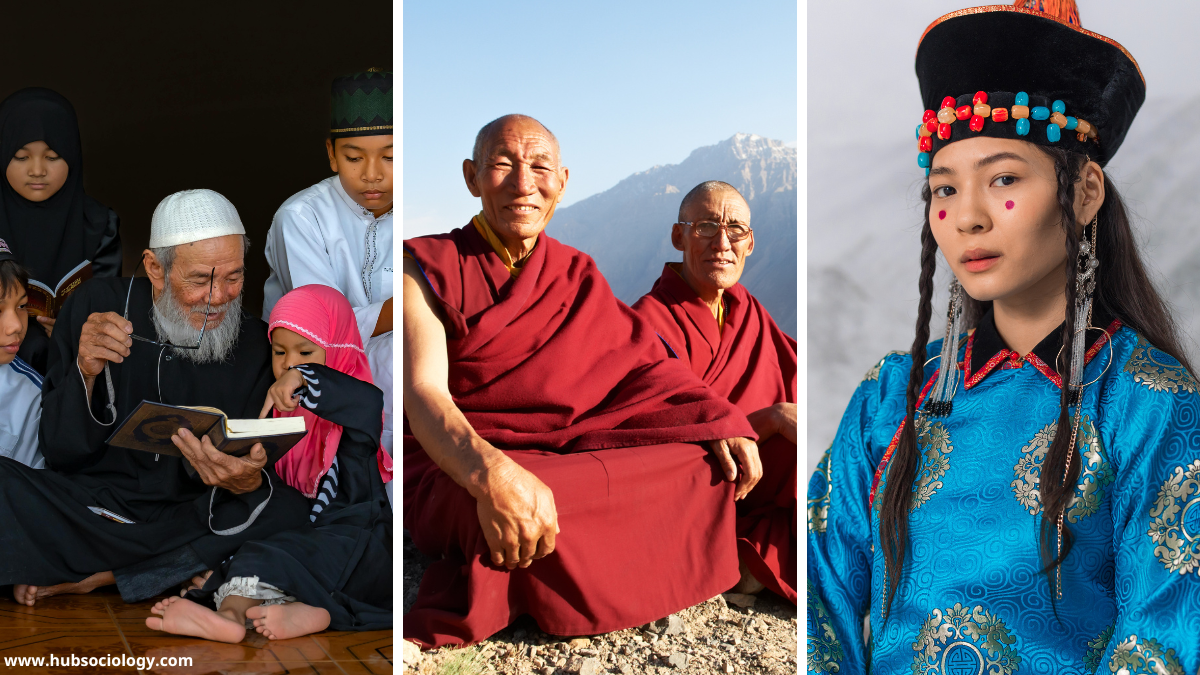
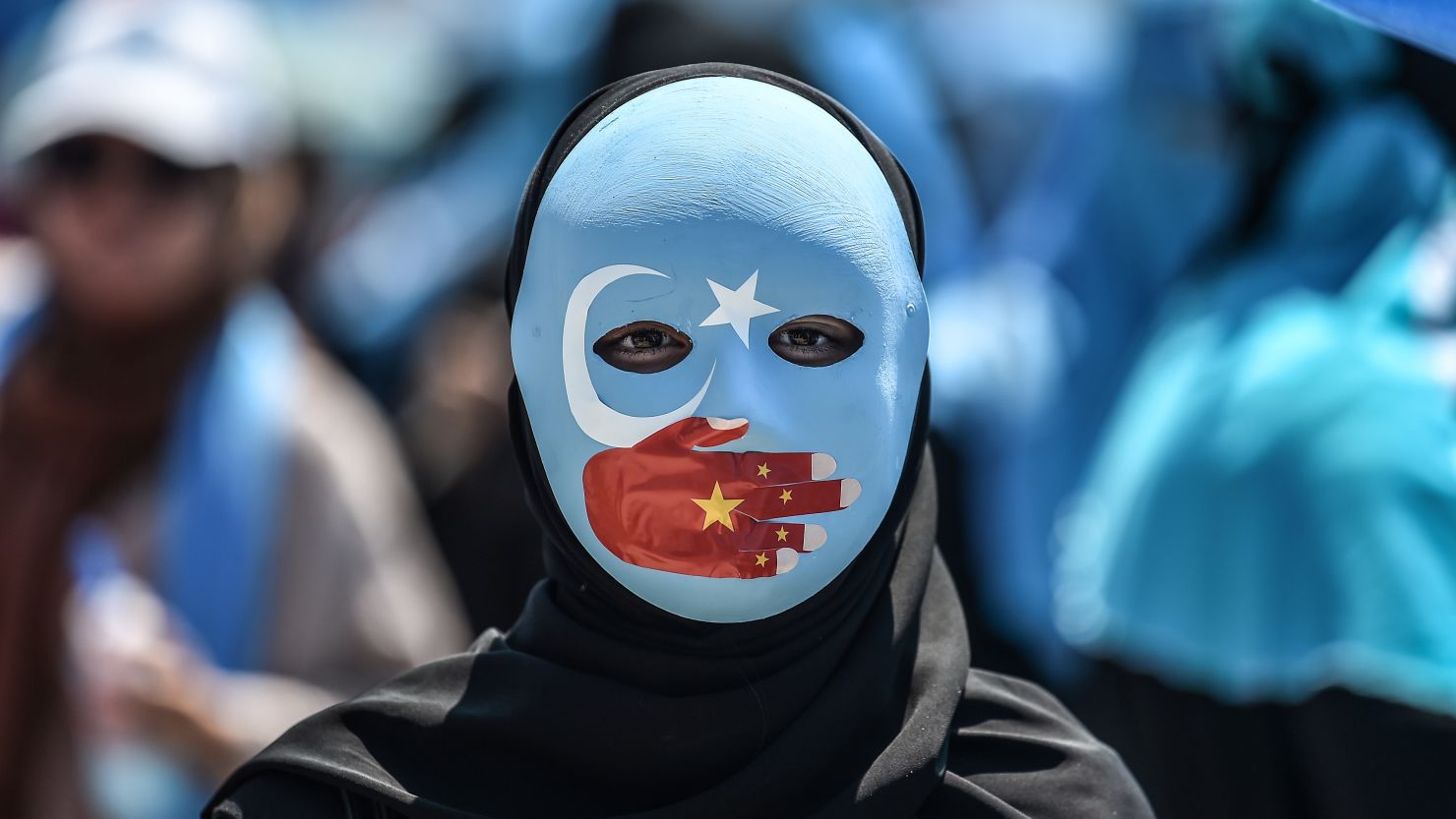
China officially recognizes 56 ethnic groups, with Han Chinese forming the majority. Minority groups such as Uyghurs, Tibetans, Mongols, and Zhuang have distinct languages, cultures, and histories. While China promotes ethnic unity, minorities often face political control, cultural assimilation, and economic inequality.
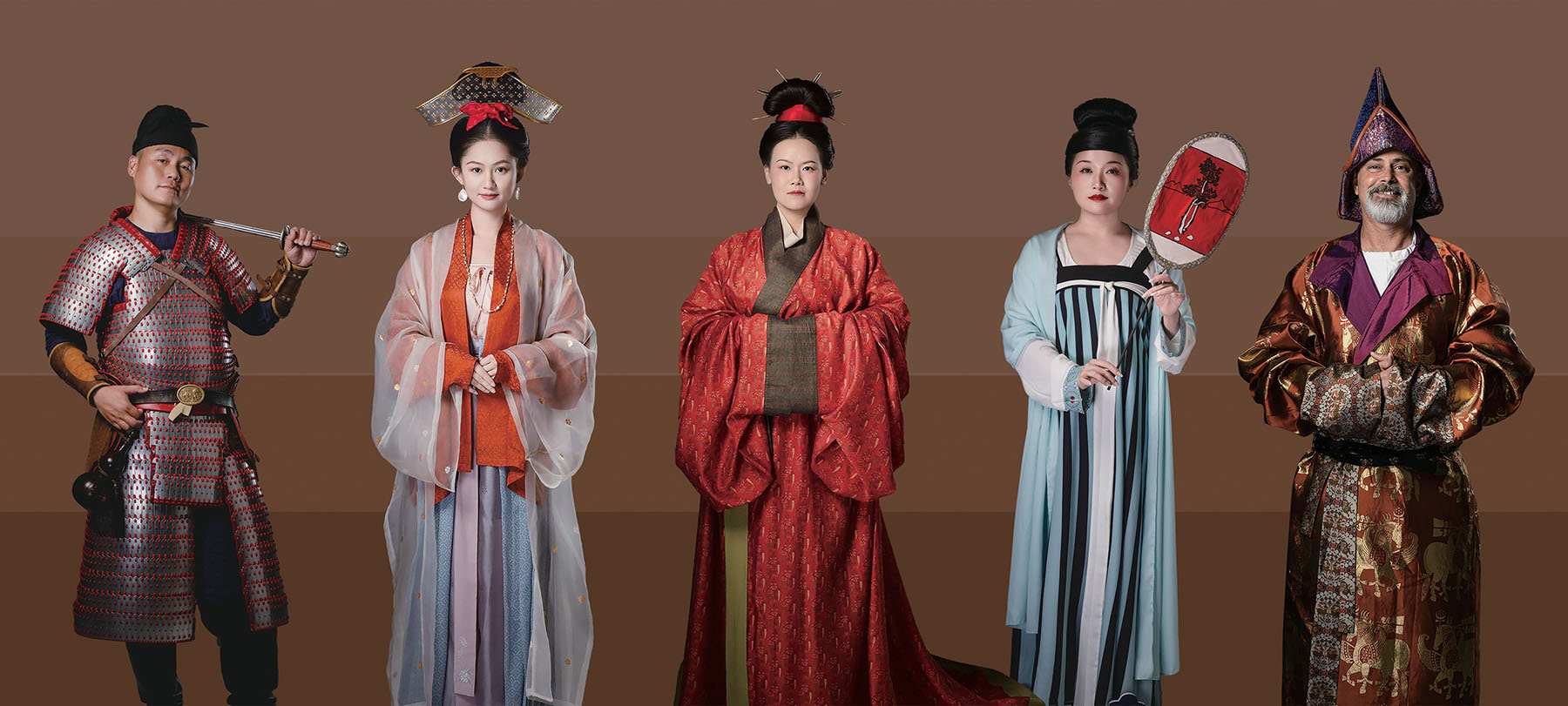
Japan has several minority groups, including the Ainu, Ryukyuan (Okinawan), Zainichi Koreans, and foreign migrants. Despite official narratives of homogeneity, these groups challenge the idea of a single Japanese identity.
South Korea traditionally viewed itself as ethnically pure, but growing numbers of migrants, mixed-race families, and foreign workers have created a more diverse society.
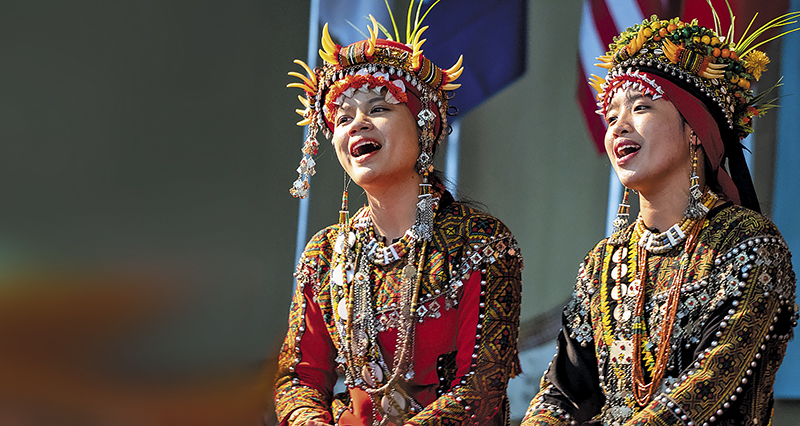
Taiwan has indigenous Austronesian communities and large numbers of Southeast Asian migrants. Taiwan’s identity politics, influenced by its relationship with China, shape how ethnic diversity is understood.
These minorities experience varying degrees of recognition, rights, and social inclusion depending on state policies and public attitudes.
Sociological Theories of Migration and Ethnicity
Sociology offers several frameworks to understand migration and ethnic minorities in East Asia.
Structural functionalism views migration as a response to labor shortages and economic needs. Migrants perform essential functions in society but remain in lower-status roles.
Conflict theory highlights power inequalities between native populations and migrants. Ethnic minorities often face exploitation, discrimination, and limited access to resources.
Symbolic interactionism focuses on everyday interactions, identity formation, and cultural negotiation. Migrants constantly manage language, behavior, and appearance to fit into dominant norms.
Assimilation theory suggests migrants gradually adopt the host society’s culture. However, in East Asia, full assimilation is difficult due to strong ethnic boundaries.
Multiculturalism emphasizes cultural diversity and minority rights, but East Asian countries have been slower to adopt multicultural policies compared to Western nations.
These theories help explain why migrants in East Asia often remain socially excluded despite economic integration.
Social Integration and Cultural Adaptation
Social integration refers to how migrants participate in education, work, family life, and community activities. In East Asia, integration is often partial and unequal.
Language barriers are a major challenge. Japanese, Korean, and Chinese are difficult languages for many migrants, limiting access to better jobs and social networks.
Cultural norms related to hierarchy, respect, and conformity make it hard for outsiders to fully belong. Migrants are expected to adapt without much support from the host society.
Education systems play a crucial role. Children from migrant families often struggle due to language differences and lack of inclusive policies. Some schools promote multicultural education, but progress is uneven.
Religious and cultural practices sometimes clash with mainstream norms, leading to social misunderstanding. Muslim migrants in Japan and Korea, for example, face challenges in finding halal food and prayer spaces.
Despite these difficulties, migrants create support networks through ethnic communities, religious groups, and social media. These networks provide emotional support and cultural continuity.
Discrimination and Social Exclusion
Discrimination against ethnic minorities remains a serious issue in East Asia.
Many migrants experience workplace exploitation, long working hours, and low wages. Temporary visa systems often limit job mobility, making workers dependent on employers.
Housing discrimination is common. Landlords may refuse to rent to foreigners due to stereotypes and language concerns.
Social prejudice is reinforced by media portrayals that associate migrants with crime or social problems.
Ethnic minorities, such as Zainichi Koreans in Japan or Korean-Chinese in South Korea, face identity-based discrimination despite long-term residence.
Women migrants, especially marriage migrants, face additional challenges related to gender inequality, domestic violence, and social isolation.
These forms of exclusion create a hierarchy of belonging where ethnic minorities are seen as permanent outsiders.
Citizenship and National Identity
Citizenship policies in East Asia reflect strong ethnic nationalism.
Japan and Korea follow blood-based citizenship systems, making it difficult for migrants to gain full legal and social recognition. Even naturalized citizens may be treated as foreigners.
China prioritizes political loyalty and national unity, limiting cultural autonomy for minorities.
Taiwan has shown more openness in recognizing multicultural families, but social acceptance still lags behind legal reforms.
National identity is closely linked to ethnicity, language, and history. Migrants challenge these identities by introducing new cultures and lifestyles.
Public debates about immigration often focus on social cohesion, cultural preservation, and security. These debates reveal anxieties about changing national identities.
Gender and Migration
Gender plays a central role in migration experiences.
Female migrants are overrepresented in care work, domestic labor, and marriage migration. These roles reflect traditional gender expectations and economic inequality.
Marriage migrants often face cultural adjustment, language barriers, and family pressure. Their children may experience identity confusion and social stigma.
Male migrants dominate construction and factory work, facing physical risks and job insecurity.
Gender-based discrimination intersects with ethnic and class inequalities, creating multiple layers of disadvantage.
However, migration can also empower women by providing income, independence, and new social roles.
Urbanization and Migrant Communities
Most migrants in East Asia settle in cities where jobs are available. Urban spaces become centers of cultural diversity.
Ethnic neighborhoods develop, offering familiar food, language, and social support. These areas help migrants maintain their identity while adapting to local life.
At the same time, urban segregation can limit interaction between migrants and locals, reinforcing social boundaries.
Cities like Tokyo, Seoul, Shanghai, and Taipei are becoming multicultural hubs, but urban policies often lag behind social reality.
State Policies and Migration Governance
East Asian governments manage migration through strict visa systems and labor regulations.
Most migrant workers are admitted on temporary contracts with limited rights. Permanent settlement is discouraged.
Multicultural policies exist but are often symbolic rather than transformative.
China focuses on political control and stability, especially in minority regions.
Japan and Korea emphasize cultural assimilation over diversity.
Taiwan has made more progress in recognizing migrant families and cultural rights.
Overall, migration governance prioritizes economic needs while minimizing social integration responsibilities.
Future Challenges and Opportunities
East Asia faces aging populations and labor shortages, making migration increasingly necessary.
Societies must address discrimination, improve integration policies, and redefine national identity.
Education, media representation, and legal reforms can promote social inclusion.
Embracing multiculturalism can strengthen social cohesion and economic resilience.
Migration is not a threat but a social transformation that requires thoughtful management.
Conclusion
Migration and ethnic minorities have become central to the social reality of East Asia. While economic integration has advanced, social inclusion remains limited. Strong ethnic nationalism, restrictive citizenship policies, and persistent discrimination create barriers to full participation.
From a sociological perspective, migration reveals deep issues of power, identity, and inequality. Ethnic minorities challenge traditional notions of belonging and force societies to reconsider what it means to be Japanese, Korean, Chinese, or Taiwanese.
The future of East Asia depends on its ability to balance cultural continuity with social diversity. By promoting equality, recognition, and inclusion, East Asian societies can transform migration from a social challenge into an opportunity for growth and cohesion.
FAQs on Ethnic Minorities in East Asia
1. What are ethnic minorities in East Asia?
Ethnic Minorities in East Asia refer to cultural, linguistic, or racial groups that differ from the dominant ethnic population in countries like China, Japan, South Korea, and Taiwan.
2. Which countries have the largest ethnic minorities in East Asia?
China has the largest number of recognized ethnic minorities, including Uyghurs, Tibetans, and Mongols.
3. Why are Ethnic Minorities in East Asia important for sociological study?
They reveal issues of identity, inequality, integration, and state power in rapidly changing societies.
4. How has migration increased Ethnic Minorities in East Asia?
Labor migration, marriage migration, and student migration have diversified East Asian societies.
5. What challenges do Ethnic Minorities in East Asia face?
They face discrimination, language barriers, limited citizenship rights, and social exclusion.
6. Are Ethnic Minorities in East Asia legally recognized?
Recognition varies by country. China officially recognizes 56 ethnic groups, while Japan and Korea are more restrictive.
7. How does nationalism affect Ethnic Minorities in East Asia?
Strong ethnic nationalism often limits social acceptance and cultural inclusion.
8. What role does education play for Ethnic Minorities in East Asia?
Education can support integration but often lacks multicultural content.
9. How are migrant workers treated in East Asia?
Many face temporary contracts, low wages, and limited legal protection.
10. What is marriage migration in East Asia?
It refers to foreign women marrying local men, especially in rural areas.
11. How do cities shape Ethnic Minorities in East Asia?
Urban areas provide jobs and communities but also create social segregation.
12. Are East Asian societies becoming multicultural?
Yes, but policies and public attitudes are still adapting.
13. What is ethnic return migration?
It involves people of East Asian descent returning from abroad.
14. How do media portray Ethnic Minorities in East Asia?
Media often reinforce stereotypes, affecting public perception.
15. What is the future of Ethnic Minorities in East Asia?
Greater inclusion, legal reform, and cultural acceptance are needed for social harmony.