
U.S. Immigration and Customs Enforcement (ICE) stands at the center of one of the most contentious debates in contemporary American society. As a federal agency tasked with enforcing immigration laws, ICE has major responsibility for detaining non-citizens, deporting alleged immigration violators, and investigating crimes connected to border and immigration violations. However, over recent months — particularly following high-profile enforcement actions and civilian deaths during ICE operations — the agency has been thrust into the national spotlight, stirring protests, lawsuits, and fierce public debate about civil rights, social cohesion, and state power. This article examines the sociological dimensions of ICE detention practices and their broader consequences for American society.
In January 2026, a fatal shooting by an ICE officer in Minneapolis — where 37-year-old Renee Good was killed — sparked widespread protests across multiple U.S. cities, drawing comparisons to earlier movements against police violence and amplifying longstanding concerns about federal immigration enforcement tactics and civil liberties.

ICE Detention in Context: Structures and Practices
Sociologically, immigration detention is not simply an enforcement mechanism; it reflects broader patterns of social stratification, institutional authority, and the regulation of mobility in globalized societies. ICE detention centers are among the largest such systems in the world, holding thousands of people each day, many of whom have lived in the U.S. for years. These facilities have grown dramatically over the past two decades. Critics point to conditions that include limited access to legal counsel, medical neglect, solitary confinement, and disproportionate impacts on racial and ethnic minority groups.
Research into immigration detention underscores how these environments frequently undermine basic human rights. Detained individuals often lack due process protections common in criminal justice systems, and mandatory detention rules prevent many from fighting their cases outside detention. The structural design of these systems — relying heavily on privatized facilities for profit — raises serious concerns about accountability and ethics.
From a sociological standpoint, such practices are embedded within larger social processes that define who counts as “insider” or “outsider” in society. Detention becomes a mechanism through which boundaries of citizenship, belonging, and legality are enforced, often reinforcing socioeconomic inequalities and racial hierarchies.
Civil Rights and the Question of Authority
One of the central criticisms of ICE detention practices relates to civil rights. Civil liberties advocates argue that the expansion of ICE authority has eroded constitutional protections and led to discriminatory treatment of certain populations. These concerns have come to the fore in high-profile legal challenges and lawsuits alleging racial profiling and unlawful detention practices. Recently, the American Civil Liberties Union (ACLU) filed a federal lawsuit against the U.S. government alleging systemic racial profiling, warrantless arrests, and civil liberties violations during ICE operations in Minnesota.
The dispute over authority — between federal agencies asserting broad enforcement powers and civil rights groups defending constitutional protections — illustrates a classic sociological tension between state power and individual rights. Legal claims argue that ICE’s actions are not merely administrative proceedings but deeply political acts that shape individuals’ life chances, community stability, and the nature of citizenship itself.
Recent events in Minnesota have also raised questions about the appropriate boundaries of policing and federal intervention. Protests following the killing of Renee Good spread rapidly, reaching communities in different parts of the country, and prompting local authorities to negotiate the balance between public safety and civil expression.
Social Movement Dynamics and Public Response
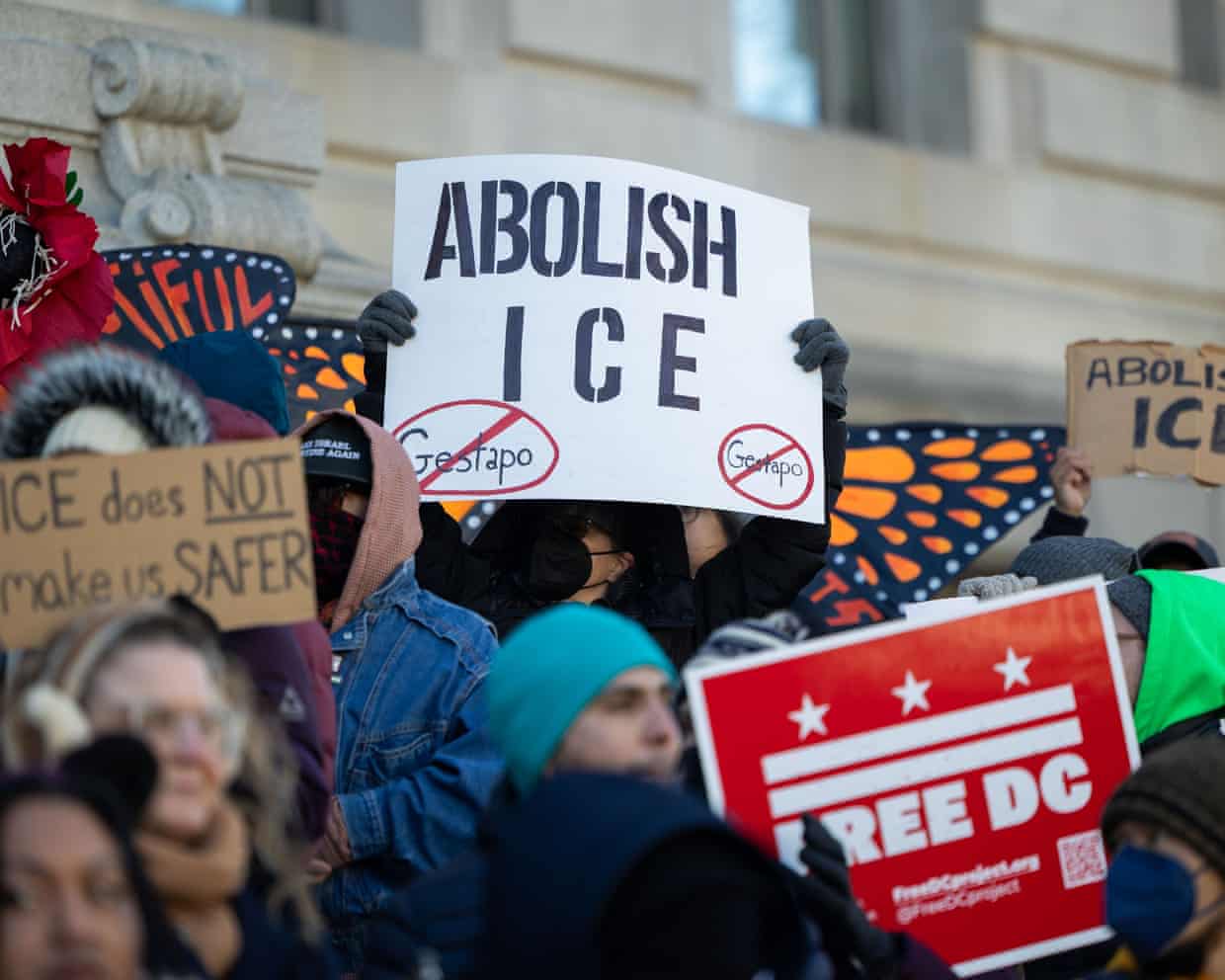
The public’s response to ICE detention practices reveals the dynamics of social movements and collective action. The protests around Minneapolis and beyond are not only reactions to a specific incident but are tied to broader grievances about systemic injustice, racial inequality, and the perceived militarization of immigration enforcement.
For many activists, calls to “abolish ICE” — a slogan that gained traction during earlier political cycles — have been revitalized. Protesters invoke civil rights frameworks to challenge detention policies and to highlight how enforcement operations disproportionately affect minority communities. This aligns with wider sociological scholarship on how grassroots movements emerge from collective grievances, mobilize resources, and frame narratives that challenge dominant power structures.
The expansion of protests into small towns and varied geographic settings testifies to how immigration and civil rights intersect with broader societal anxieties about fairness, justice, and state authority. The movement’s resonance across diverse populations underscores the integrative nature of civil rights concerns — they are not limited to immigrant communities alone but extend to any constituency concerned about government overreach and human dignity.
Detention, Family Separation, and Community Impact
Immigration detention has profound ramifications not only for detained individuals but also for their families and communities. Sociological research on deportation and family separation reveals complex psychosocial and economic effects that extend far beyond the moment of detention itself. Deportation often results in economic hardship, housing instability, and emotional trauma for families left behind. Children of detained or deported parents experience adverse developmental outcomes, including disrupted schooling and psychological stress.
Detention separates caregivers from children, weakening social support networks and exacerbating inequality. Families with mixed legal status — those with U.S. citizen children and non-citizen parents — often face precarious circumstances where parents are reluctant to seek healthcare, educational resources, or social services due to fear of enforcement action. Such dynamics produce a climate of insecurity that impacts entire communities.
Additionally, regional labor markets and local economies can be disrupted when workers are detained or deported. Industries that rely on immigrant labor — such as agriculture, construction, and service sectors — may experience workforce shortages, leading to broader effects on production and economic stability.
Health, Psychological Stress, and Well-Being
From a sociological lens, the consequences of immigration enforcement extend into the realm of health and well-being. Research indicates that both detainees and those living under the threat of detention experience elevated levels of stress, anxiety, and other adverse health outcomes. Fear of deportation and ongoing enforcement raids contribute to mental health challenges, including depression and post-traumatic stress symptoms.
Studies have also shown that release from detention can improve psychological well-being, highlighting the negative effects of confinement itself. When family and social connections are restored following release, individuals often report better overall health outcomes, underscoring the importance of social ties for mental and physical well-being.
These findings make clear that immigration enforcement practices cannot be understood merely as legal or administrative measures; they have measurable impacts on human lives, families, and social networks.
Race, Ethnicity, and Social Inequality
Sociology has long examined how institutions produce and reproduce patterns of racial and ethnic inequality. In the context of ICE detention, differential treatment and enforcement have been linked to broader patterns of racialized surveillance and control. Minority communities — particularly Latino, Somali, and other communities of color — have reported higher rates of detention, questioning, and aggressive enforcement tactics.
The recent ACLU lawsuit highlights these tensions by alleging that ICE agents engaged in discriminatory practices, including detaining U.S. citizens without cause and creating fear within targeted communities. Racial profiling in immigration enforcement parallels sociological theories that depict state institutions as reinforcing white privilege and marginalizing racialized others.
This pattern resonates with historical legacies of racialized policing and social exclusion in the United States. Just as sociology has documented the impacts of discriminatory policing on African American communities, similar frameworks apply to immigration enforcement, where legal status intersects with race, class, and ethnicity to shape individuals’ experiences with the state.
State Power, Legitimacy, and Institutional Trust
Immigration enforcement, especially when tied to civil rights controversies, affects public trust in social institutions. When citizens and residents perceive that government agencies act without accountability or fairness, institutional legitimacy can erode. Political scientists and sociologists alike argue that trust in institutions is essential for democratic stability and social cohesion.
Recent resignations within the U.S. Department of Justice’s civil rights division — in response to controversies over ICE operations and investigations — reflect internal tensions over how civil rights enforcement is prioritized at the federal level. These personnel shifts and public criticism magnify broader questions about institutional transparency and accountability.
When communities perceive federal agencies as overreaching or unjust, social trust diminishes. This can lead to disengagement from civic participation, skepticism toward law enforcement, and heightened social fragmentation — conditions that undermine the democratic fabric of society.
Policy Debates and Prospects for Reform
At the policy level, debate continues over how to balance immigration enforcement with civil liberties. Some scholars and activists advocate for alternatives to detention that prioritize community-based supervision rather than incarceration. Reducing reliance on detention and ensuring due process protections could mitigate many of the sociological harms identified above.
Others argue for broader immigration reform that addresses the root causes of migration, streamlines legal pathways to residency, and protects families from separation. These reforms carry implications not only for immigrant communities but also for how society conceptualizes rights, belonging, and social inclusion.
Conclusion
The controversies surrounding ICE detention and civil rights reveal deep social fault lines in American society. From the structural conditions of detention centers to the psychological and economic consequences of family separation, immigration enforcement touches upon fundamental questions about power, justice, and social inequality.
Sociologically, immigration detention cannot be isolated from broader patterns of institutional authority, race and class stratification, and collective action. The reactions to ICE practices — through protests, lawsuits, and public debate — reflect the ongoing struggle over who belongs in society, who is protected by civil rights, and how state power should be wielded in a democratic context.
As public discourse evolves and as new data emerges about the impacts of enforcement practices, sociological inquiry will remain crucial for understanding both the human experiences behind the headlines and the systemic forces that shape them.
FAQs (Focus Word: Civil Rights)
- What are civil rights in the context of immigration enforcement?
Civil rights refer to the legal protections that ensure individuals are treated equally under the law, including protection from discrimination, unlawful detention, and abuse of authority. - How does ICE detention affect civil rights?
ICE detention can impact civil rights when individuals face racial profiling, limited access to legal representation, or poor detention conditions. - Why are civil rights groups critical of ICE?
Civil rights groups argue that ICE sometimes violates constitutional protections such as due process and freedom from unlawful search and detention. - What civil rights issues arise in immigration detention centers?
Common concerns include lack of medical care, overcrowding, restricted legal access, and unfair treatment based on race or nationality. - How does ICE detention impact the civil rights of families?
Family separation disrupts the right to family life and affects children’s emotional and social development. - Is racial profiling a civil rights issue in ICE enforcement?
Yes, racial profiling violates civil rights by targeting individuals based on ethnicity rather than legal evidence. - What role does the ACLU play in protecting civil rights?
The ACLU files lawsuits and advocates for policies that protect immigrants’ constitutional and civil rights. - How do civil rights relate to due process in immigration cases?
Civil rights ensure fair legal procedures, including access to lawyers and proper hearings before detention or deportation. - Can ICE detain U.S. citizens?
Mistaken detentions have occurred, raising serious civil rights concerns about wrongful arrest. - How does ICE enforcement affect community civil rights?
Fear of enforcement discourages people from accessing healthcare, education, and legal services. - Why are protests linked to civil rights issues with ICE?
Protests demand accountability and protection of civil rights against perceived government overreach. - What civil rights protections apply to undocumented immigrants?
They still have basic constitutional rights, including protection from abuse and unlawful detention. - How does ICE detention affect mental health as a civil rights issue?
Psychological harm due to detention raises concerns about humane treatment and dignity. - Are private detention centers a civil rights concern?
Yes, profit-driven detention can lead to neglect and rights violations. - Why is civil rights central to immigration debates in America?
Because immigration policies shape equality, justice, and social inclusion in society.