Introduction
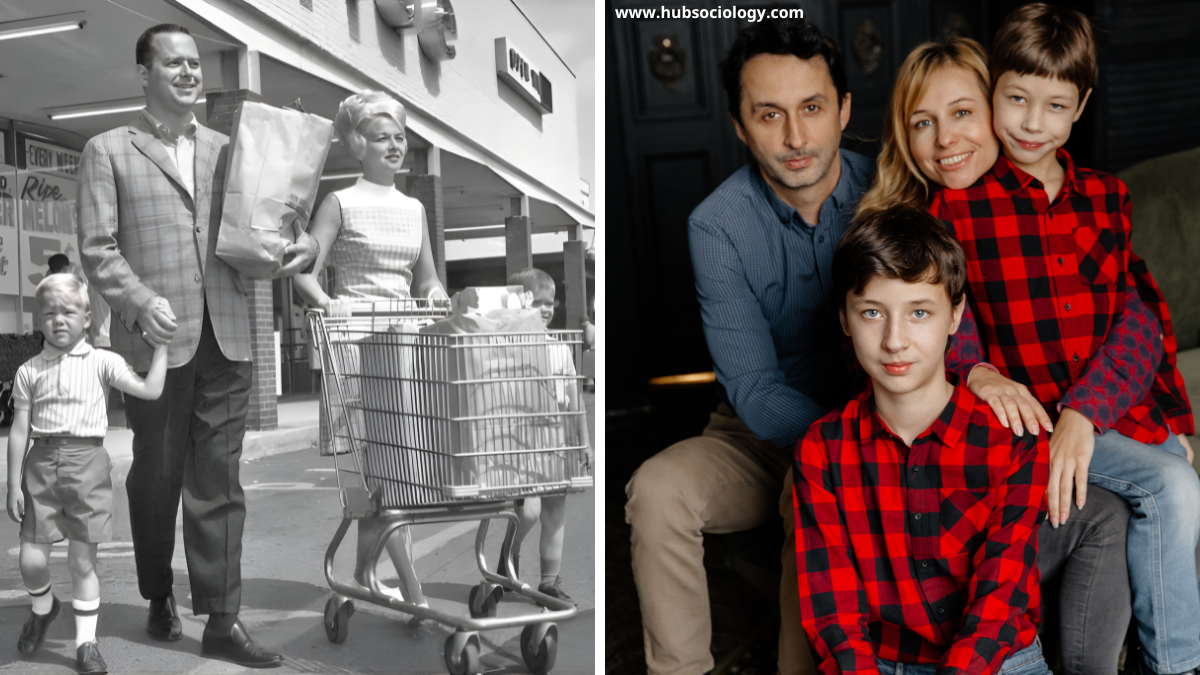
The 1960s marked a turning point in the social, political, and cultural history of the United States. This decade witnessed powerful movements for civil rights, women’s liberation, anti-war activism, and youth rebellion. These movements challenged traditional authority, reshaped social values, and transformed American institutions. Since then, American society has undergone profound changes in family life, race relations, gender roles, politics, economy, culture, and technology.
From a sociological perspective, these changes reflect broader processes such as modernization, globalization, social movements, and technological development. This article explores how American society has changed since the 1960s by examining key areas of social life and the forces driving transformation.
The Civil Rights Movement and Racial Transformation
In the 1960s, racial segregation and discrimination were deeply embedded in American society, especially in the Southern states. African Americans faced unequal access to education, employment, housing, and political participation. The Civil Rights Movement challenged this system through protests, legal action, and mass mobilization.
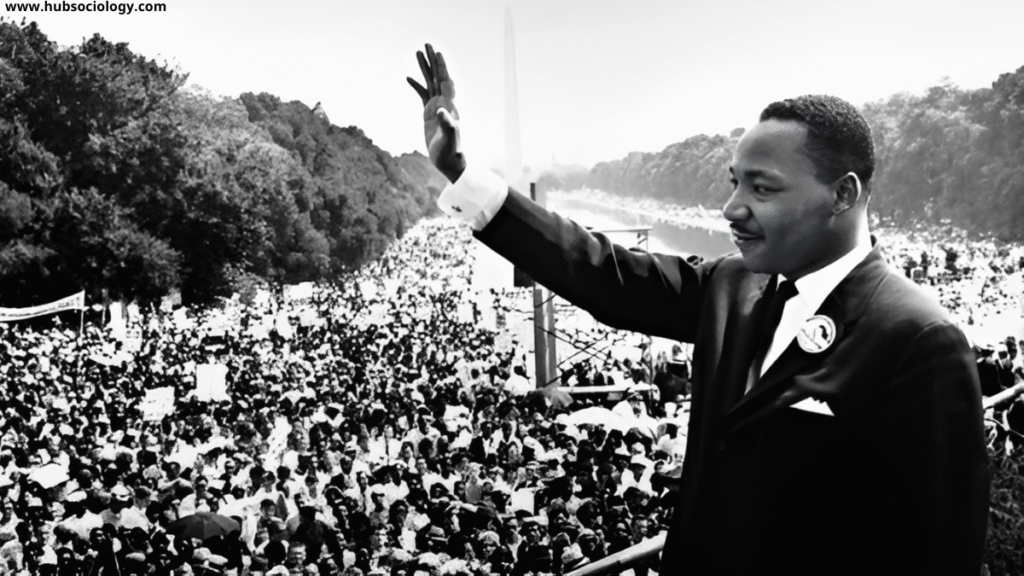
Major achievements such as the Civil Rights Act of 1964 and the Voting Rights Act of 1965 legally ended segregation and protected voting rights. These reforms transformed the legal status of African Americans and other minorities.
Since the 1960s, racial diversity in the U.S. has increased significantly due to immigration from Latin America, Asia, and Africa. American society has become more multicultural, with greater representation of minorities in politics, media, education, and workplaces.
However, sociologists note that racial inequality has not disappeared. Structural racism still affects income, education, housing, and the criminal justice system. Movements like Black Lives Matter show that racial justice remains a central issue in contemporary America.
Changing Family Structure and Relationships
In the 1960s, the dominant family model was the nuclear family with a male breadwinner and a female homemaker. Marriage was considered essential, and divorce was socially discouraged.
Since then, American family life has diversified. Today, families include single-parent households, blended families, same-sex couples, and cohabiting partners. Divorce rates increased in the 1970s and 1980s, reflecting changing attitudes toward marriage and individual happiness.
Women’s participation in the workforce has grown dramatically. This shift has altered gender roles within the household and reduced economic dependence on men. Fathers are now more involved in childcare than in previous generations.
Sociologists view these changes as part of the broader process of individualization, where personal choice and self-fulfillment shape social relationships more than traditional norms.
The Women’s Movement and Gender Equality
The 1960s saw the rise of second-wave feminism, which challenged gender inequality in education, employment, politics, and family life. Women demanded equal pay, reproductive rights, and freedom from discrimination.
Over time, women gained greater access to higher education and professional careers. Laws against workplace discrimination and sexual harassment strengthened women’s social position.
Despite progress, gender inequality persists. Women still earn less than men on average, and leadership roles remain male-dominated. Sociologists explain this through concepts like the “glass ceiling” and patriarchal social structures.
The feminist movement also influenced cultural attitudes, encouraging greater acceptance of diverse gender identities and challenging traditional masculinity.
Shifts in Sexual Norms and Identity
The 1960s initiated a “sexual revolution” that challenged conservative views on sexuality. The availability of birth control, changing moral values, and youth culture promoted greater sexual freedom.
Over time, attitudes toward premarital sex, cohabitation, and LGBTQ+ relationships became more accepting. Same-sex marriage was legalized nationwide in 2015, reflecting a major shift in social values.
Sociologically, these changes show how norms evolve through social movements, legal reforms, and generational change. Identity is now seen as more fluid, and personal expression is more socially accepted.
Political Culture and Social Movements
American politics in the 1960s were shaped by Cold War tensions, the Vietnam War, and domestic unrest. Young people and activists questioned government authority and demanded transparency and justice.
Since then, political participation has expanded through protests, grassroots movements, and digital activism. Movements for environmental protection, LGBTQ+ rights, racial justice, and gender equality have reshaped public discourse.

However, political polarization has also increased. Ideological divisions between conservatives and liberals have deepened, leading to social tension and mistrust in institutions.
Sociologists argue that media fragmentation, economic inequality, and identity politics contribute to this polarization.
Economic Transformation and Class Inequality
In the 1960s, the U.S. economy was dominated by manufacturing industries that provided stable, well-paying jobs for the middle class.
Since then, globalization and technological change have shifted the economy toward services, technology, and finance. Many factory jobs disappeared, leading to job insecurity for working-class communities.
Income inequality has grown significantly. Wealth is increasingly concentrated among the top economic groups, while wages for many workers have stagnated.
Sociologists explain this through structural changes in capitalism, weakened labor unions, and policy decisions favoring corporate interests. Economic inequality now shapes access to education, healthcare, and social mobility.
Education and Social Mobility
Education has expanded since the 1960s, with more Americans attending college and pursuing advanced degrees. Higher education is seen as a key pathway to social mobility.
However, access to quality education remains unequal. Students from wealthy backgrounds often attend better schools and have greater opportunities.
Student debt has become a major social issue, limiting economic freedom for younger generations. Sociologists view this as part of the broader problem of inequality in modern American society.
Technological Revolution and Social Life
One of the most dramatic changes since the 1960s is the rise of digital technology. Television, computers, smartphones, and social media have transformed communication, work, and social relationships.
People now interact online as much as in person. Social media shapes identity, political opinions, and social movements. Information spreads faster than ever before.
While technology connects people globally, it also creates new problems such as misinformation, digital addiction, and reduced face-to-face interaction. Sociologists study how technology reshapes social behavior and cultural norms.
Cultural Diversity and Immigration
The 1965 Immigration and Nationality Act changed U.S. immigration policy, leading to increased migration from non-European countries. This transformed American society into a more multicultural nation.
Today, the U.S. includes diverse languages, religions, cuisines, and cultural traditions. Cultural pluralism is more visible in media, education, and public life.
However, immigration remains politically controversial. Debates over borders, citizenship, and national identity reflect tensions between inclusion and exclusion.
From a sociological perspective, immigration highlights the dynamic nature of national identity and social integration.
Religion and Secularization
In the 1960s, religious institutions played a strong role in shaping social values. Church attendance was higher, and religious norms influenced public life.
Since then, American society has become more secular. Many people identify as non-religious, and traditional religious authority has declined.
At the same time, religious diversity has increased. Islam, Hinduism, Buddhism, and other faiths are more visible in American society.
Sociologists view this as part of modernization, where scientific thinking and individual belief systems reduce the influence of traditional religion.
Media, Popular Culture, and Identity
Mass media in the 1960s was limited to newspapers, radio, and television. Today, digital platforms dominate cultural production.
Popular culture now reflects greater diversity in race, gender, and sexuality. Representation in films, music, and television has expanded.
Social media allows individuals to create and share their own identities and narratives. However, it also intensifies social comparison and pressure.

Sociologists analyze how media shapes values, body image, political attitudes, and consumer behavior.
Youth Culture and Generational Change
The 1960s were known for youth rebellion against authority and tradition. Young people challenged war, racism, and conservative values.
Today’s youth face different challenges such as climate change, student debt, and mental health issues. Digital activism has replaced street protests in many cases.
Each generation reshapes society according to its experiences. Sociologists study generational change to understand how values evolve over time.
Crime, Law, and Social Control
Crime rates rose in the late 20th century, leading to stricter law enforcement and mass incarceration. Minority communities were disproportionately affected.
In recent years, there has been growing criticism of the criminal justice system. Calls for police reform and restorative justice reflect changing attitudes toward social control.
Sociologists emphasize that crime is linked to social inequality, urban conditions, and economic opportunity.
Conclusion
Since the 1960s, American society has experienced profound transformation. Racial equality has expanded, gender roles have changed, family structures have diversified, and cultural diversity has increased. At the same time, economic inequality, political polarization, and social tensions remain significant challenges.
From a sociological perspective, these changes reflect the dynamic nature of society. Social movements, technological innovation, globalization, and shifting values continuously reshape American life.
Understanding these transformations helps us analyze the present and prepare for the future. The story of American society since the 1960s is one of progress, conflict, adaptation, and ongoing struggle for justice and equality.
FAQs on American Society
1. What is meant by American Society?
American Society refers to the social structure, cultural values, institutions, and everyday life of people living in the United States.
2. How has American Society changed since the 1960s?
American Society has changed through civil rights progress, gender equality, cultural diversity, technological growth, and shifts in family and political life.
3. What role did the Civil Rights Movement play in American Society?
The Civil Rights Movement reduced racial segregation and promoted equality, reshaping social justice in American Society.
4. How have family structures changed in American Society?
American Society now includes diverse family forms such as single-parent homes, cohabitation, and same-sex families.
5. What is the impact of feminism on American Society?
Feminism improved women’s rights in education, employment, and politics, transforming gender roles in American Society.
6. How has immigration influenced American Society?
Immigration has increased cultural diversity and reshaped identity, language, and traditions in American Society.
7. What is the role of technology in American Society?
Technology has changed communication, work, and social relationships in American Society through digital platforms.
8. How has youth culture evolved in American Society?
Youth culture now focuses on digital activism, mental health, and global issues like climate change.
9. What are major social problems in American Society today?
Key issues include inequality, racism, political polarization, and healthcare access.
10. How has religion changed in American Society?
American Society has become more secular, with increased religious diversity and declining traditional authority.
11. What is the impact of globalization on American Society?
Globalization has influenced jobs, culture, and economic competition in American Society.
12. How does media shape American Society?
Media influences public opinion, identity, politics, and cultural values in American Society.
13. What is the role of education in American Society?
Education promotes social mobility but also reflects inequality within American Society.
14. How has gender identity evolved in American Society?
American Society now shows greater acceptance of diverse gender identities and expressions.
15. What is the future of American Society?
American Society will continue evolving through technology, diversity, and social movements.