
Healthcare inequality in America remains one of the most persistent and debated social problems in contemporary society. Despite being one of the wealthiest nations in the world, the United States continues to struggle with unequal access to healthcare services, disparities in health outcomes, and structural barriers that disproportionately affect marginalized communities. From race and class to geography and gender, patterns of inequality are deeply embedded in the social fabric of American healthcare.
This article offers a sociological examination of healthcare inequality in America by exploring its historical roots, structural causes, intersectional dimensions, and policy implications. By analyzing healthcare through theoretical perspectives and empirical realities, we can better understand why inequality persists and what reforms may lead toward a more equitable system.
Historical Foundations of Healthcare Inequality
Healthcare inequality in America did not emerge overnight; it is rooted in historical processes that shaped the nation’s economic and racial hierarchies. During the 19th and early 20th centuries, medical services were largely privatized and inaccessible to working-class and minority populations. Segregation laws under Jim Crow institutionalized racial disparities in hospitals and medical education, excluding African Americans from quality care and professional training.
Even after the Civil Rights Movement, structural inequality remained embedded in healthcare institutions. The introduction of Medicare and Medicaid in 1965 significantly expanded access to elderly and low-income populations, yet these programs also reflected broader political compromises that limited universal coverage.
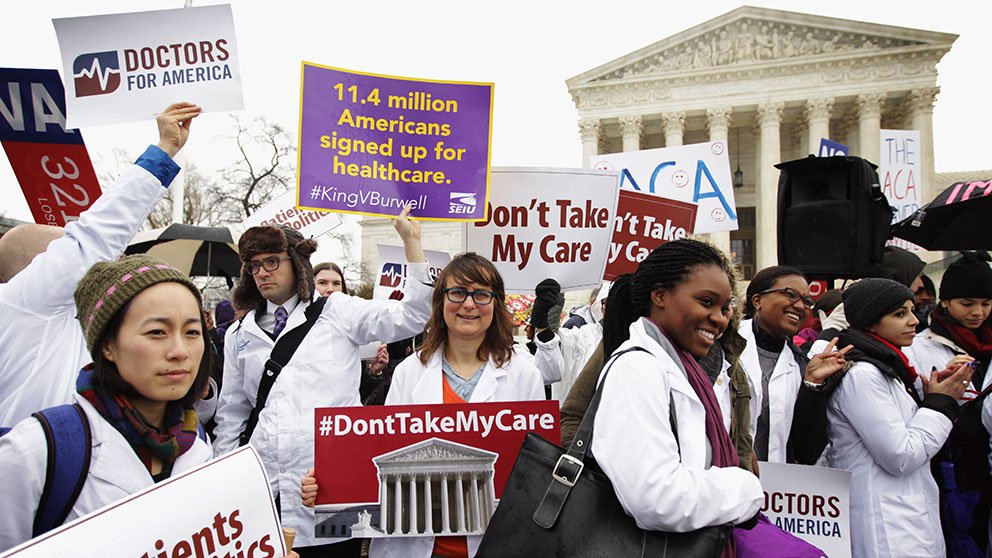
The passage of the Affordable Care Act (ACA) in 2010 marked another milestone. It aimed to reduce the number of uninsured Americans, regulate insurance markets, and expand Medicaid. While the ACA reduced uninsured rates, it did not eliminate disparities. States that chose not to expand Medicaid under the ACA created geographic gaps in coverage, illustrating how federalism shapes inequality.
Theoretical Perspectives on Healthcare Inequality
From a sociological standpoint, healthcare inequality can be examined through multiple theoretical lenses.
Functionalism
Functionalist theory views healthcare as a vital institution that maintains social stability. Talcott Parsons’ concept of the “sick role” emphasizes that medical systems regulate illness and restore individuals to productivity. However, functionalists often overlook how unequal access disrupts social integration. When marginalized groups lack adequate healthcare, social stability itself is compromised.
Conflict Theory
Conflict theorists argue that healthcare inequality reflects broader capitalist structures. In a market-driven system, healthcare becomes a commodity rather than a universal right. Corporate insurance companies, pharmaceutical industries, and hospital chains operate within profit-driven logics, often prioritizing revenue over equitable care. Inequality is thus seen as a predictable outcome of economic stratification.
Symbolic Interactionism
Symbolic interactionists focus on micro-level interactions between patients and providers. They examine how stigma, communication barriers, and implicit bias affect treatment outcomes. Studies show that minority patients sometimes receive different levels of care due to unconscious biases held by healthcare professionals. These everyday interactions reproduce systemic inequality.
Socioeconomic Status and Access to Care
Socioeconomic status (SES) remains one of the strongest predictors of healthcare access and outcomes in America. Individuals with higher income and education levels are more likely to have employer-sponsored insurance, preventive care access, and better health literacy. Conversely, low-income individuals face barriers such as lack of insurance, transportation difficulties, and limited availability of providers in underserved areas.
Medical debt further exacerbates inequality. Many Americans delay treatment due to fear of high costs. Even insured individuals encounter high deductibles and out-of-pocket expenses, revealing that insurance coverage does not necessarily equate to affordability.

For elderly populations, especially those over 60, managing chronic conditions such as diabetes and liver disease requires consistent monitoring and medication. When healthcare costs rise, adherence to treatment plans declines, increasing long-term complications and societal costs.
Racial and Ethnic Disparities
Race remains a central axis of healthcare inequality in America. African Americans, Hispanic Americans, Native Americans, and certain Asian American subgroups experience higher rates of chronic illnesses, maternal mortality, and lower life expectancy compared to white Americans.
The COVID-19 pandemic revealed stark disparities. Minority communities experienced disproportionately higher infection and mortality rates due to frontline employment, crowded housing conditions, and limited healthcare access.
Structural racism manifests in residential segregation, environmental hazards, and unequal schooling—all of which shape health outcomes. Sociologists refer to this as the “social determinants of health,” emphasizing that healthcare inequality extends beyond hospitals and clinics into housing, employment, and education systems.
Gender and Healthcare Inequality
Gender intersects with race and class to produce unique patterns of inequality. Women face reproductive healthcare challenges, pay disparities affecting insurance coverage, and higher rates of certain chronic conditions. Maternal mortality rates in the United States are significantly higher than in other developed countries, with Black women facing the highest risk.
LGBTQ+ individuals also encounter discrimination in healthcare settings, leading to avoidance of medical services and poorer health outcomes. Sociologically, these disparities highlight how heteronormative and patriarchal structures shape institutional practices.
Geographic Disparities and Rural Health
Healthcare inequality in America is also geographically patterned. Rural communities often face hospital closures, shortages of healthcare professionals, and limited specialty services. Urban areas may have more hospitals but still exhibit disparities concentrated in low-income neighborhoods.
States in the South and Midwest, particularly those that declined Medicaid expansion, show higher uninsured rates. Federalism allows states to design and implement healthcare policies differently, contributing to uneven access across regions.
The Role of Private Insurance and Market Logic
The American healthcare system relies heavily on private insurance tied to employment. This arrangement creates instability, especially during economic downturns when job loss results in loss of coverage. Market competition theoretically encourages efficiency, but in practice it often leads to administrative complexity and rising costs.
Pharmaceutical pricing further illustrates inequality. Life-saving medications may be unaffordable for uninsured or underinsured patients. Sociologically, this reflects the commodification of health within neoliberal economic structures.
Immigration Status and Healthcare Access
Immigrants, particularly undocumented individuals, face significant barriers to healthcare. Fear of deportation, language obstacles, and policy restrictions limit access to public programs. Even legal immigrants may encounter waiting periods before qualifying for Medicaid.
Healthcare inequality in America thus intersects with immigration policy, revealing how citizenship status becomes a determinant of health.
Mental Health Inequality
Mental health services are often underfunded and stigmatized. Low-income communities experience higher exposure to stressors such as unemployment and violence, yet have fewer mental health resources. Insurance plans may provide limited coverage for therapy or psychiatric services.
Sociologically, mental health inequality reflects broader societal attitudes toward psychological well-being and the prioritization of physical over mental illness.
The Impact of Technology and Digital Divide
Telemedicine expanded during the COVID-19 pandemic, offering new opportunities for access. However, digital inequality limits its reach. Low-income households may lack reliable internet access or digital literacy, reinforcing existing disparities.
Technological innovation alone cannot resolve healthcare inequality without addressing underlying socioeconomic divides.
Policy Responses and Reform Debates
Policy debates about healthcare inequality often revolve around universal coverage proposals, public option models, and single-payer systems. Advocates argue that healthcare should be treated as a human right rather than a market commodity.
Opponents emphasize cost concerns and government efficiency. Sociologically, these debates reflect ideological divisions about the role of the state versus the market in providing social welfare.
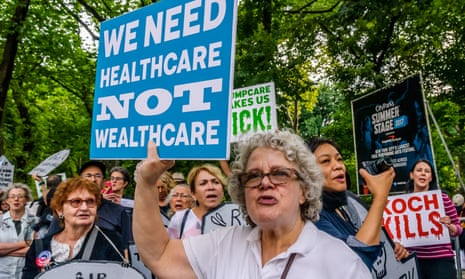
Incremental reforms, such as expanding Medicaid in remaining states, strengthening community health centers, and regulating pharmaceutical prices, could reduce disparities. However, systemic change requires addressing structural inequality beyond healthcare institutions alone.
Social Determinants of Health
The concept of social determinants of health highlights how income, education, housing, and environment shape well-being. For example, neighborhoods with poor air quality increase asthma rates; food deserts limit access to nutritious diets; unsafe working conditions elevate injury risks.
Healthcare inequality in America cannot be fully understood without analyzing these broader structural conditions. Sociologists argue that medical interventions alone cannot compensate for social inequities.
The Future of Healthcare Equality
Looking ahead, demographic changes, aging populations, and technological advancements will continue to reshape the healthcare landscape. Climate change may introduce new public health challenges, disproportionately affecting vulnerable communities.
Achieving healthcare equity requires integrated approaches that combine policy reform, community engagement, and structural transformation. Education campaigns to improve health literacy, investment in preventive care, and expansion of public health infrastructure are critical steps.
For individuals managing chronic conditions such as diabetes or liver disease, preventive strategies, affordable medication access, and routine monitoring are essential. Policies that reduce financial barriers can significantly improve quality of life for older adults.
Conclusion
Healthcare inequality in America is a complex sociological issue rooted in historical injustices, economic structures, racial hierarchies, and political choices. While reforms such as Medicare, Medicaid, and the Affordable Care Act have expanded access, significant disparities persist across race, class, gender, geography, and immigration status.
A sociological perspective reveals that healthcare inequality is not merely a medical problem but a reflection of broader social inequalities. Addressing it requires confronting structural factors that shape life chances from birth onward. Only through comprehensive reforms that integrate social policy, economic justice, and public health strategies can America move toward a more equitable healthcare system.
Healthcare is not simply about curing illness; it is about ensuring dignity, opportunity, and equality in society. Until these principles guide policy and practice, healthcare inequality in America will remain a defining challenge of the 21st century.
FAQs
1. What is Healthcare Inequality in America?
Healthcare Inequality in America refers to systematic differences in access to medical services, quality of treatment, and health outcomes among various social groups based on race, class, gender, geography, and immigration status.
2. What are the main causes of Healthcare Inequality in America?
The main causes of Healthcare Inequality in America include income disparities, lack of insurance coverage, structural racism, unequal distribution of medical facilities, and differences in state-level health policies.
3. How does socioeconomic status influence Healthcare Inequality in America?
Socioeconomic status strongly shapes Healthcare Inequality in America because low-income individuals often lack stable insurance, face high out-of-pocket costs, and have limited access to preventive care.
4. How does race contribute to Healthcare Inequality in America?
Race contributes to Healthcare Inequality in America through systemic discrimination, residential segregation, unequal treatment in medical settings, and higher exposure to environmental risks.
5. Does Healthcare Inequality in America affect rural communities?
Yes, Healthcare Inequality in America significantly impacts rural communities due to hospital closures, shortages of healthcare professionals, and long travel distances to medical facilities.
6. What role does private insurance play in Healthcare Inequality in America?
Private insurance contributes to Healthcare Inequality in America because coverage is often tied to employment, leaving unemployed or part-time workers vulnerable.
7. How did the Affordable Care Act impact Healthcare Inequality in America?
The Affordable Care Act reduced the uninsured rate and improved access for many low-income individuals, but Healthcare Inequality in America persists due to uneven state participation and affordability issues.
8. How do social determinants of health relate to Healthcare Inequality in America?
Social determinants such as housing, education, employment, and environment directly shape Healthcare Inequality in America by influencing overall health conditions and access to care.
9. How does Healthcare Inequality in America affect elderly populations?
Healthcare Inequality in America can lead to delayed treatment, medication non-adherence, and worsening chronic diseases among older adults, especially those on limited incomes.
10. Is mental health part of Healthcare Inequality in America?
Yes, limited insurance coverage, stigma, and underfunded services make mental health a significant dimension of Healthcare Inequality in America.
11. How does gender influence Healthcare Inequality in America?
Gender shapes Healthcare Inequality in America through disparities in reproductive healthcare, maternal mortality, wage gaps affecting insurance access, and discrimination against LGBTQ+ individuals.
12. Are immigrants affected by Healthcare Inequality in America?
Immigrants, particularly undocumented individuals, face major barriers within Healthcare Inequality in America due to policy restrictions, fear of deportation, and language obstacles.
13. How did COVID-19 expose Healthcare Inequality in America?
The pandemic highlighted Healthcare Inequality in America as marginalized communities experienced higher infection and mortality rates due to pre-existing social and economic disparities.
14. Can technology reduce Healthcare Inequality in America?
Telemedicine and digital health tools have the potential to reduce Healthcare Inequality in America, but the digital divide limits equal access.
15. What reforms can reduce Healthcare Inequality in America?
Expanding public insurance programs, regulating healthcare costs, investing in preventive care, and addressing structural social inequalities are key steps to reducing Healthcare Inequality in America.