Introduction
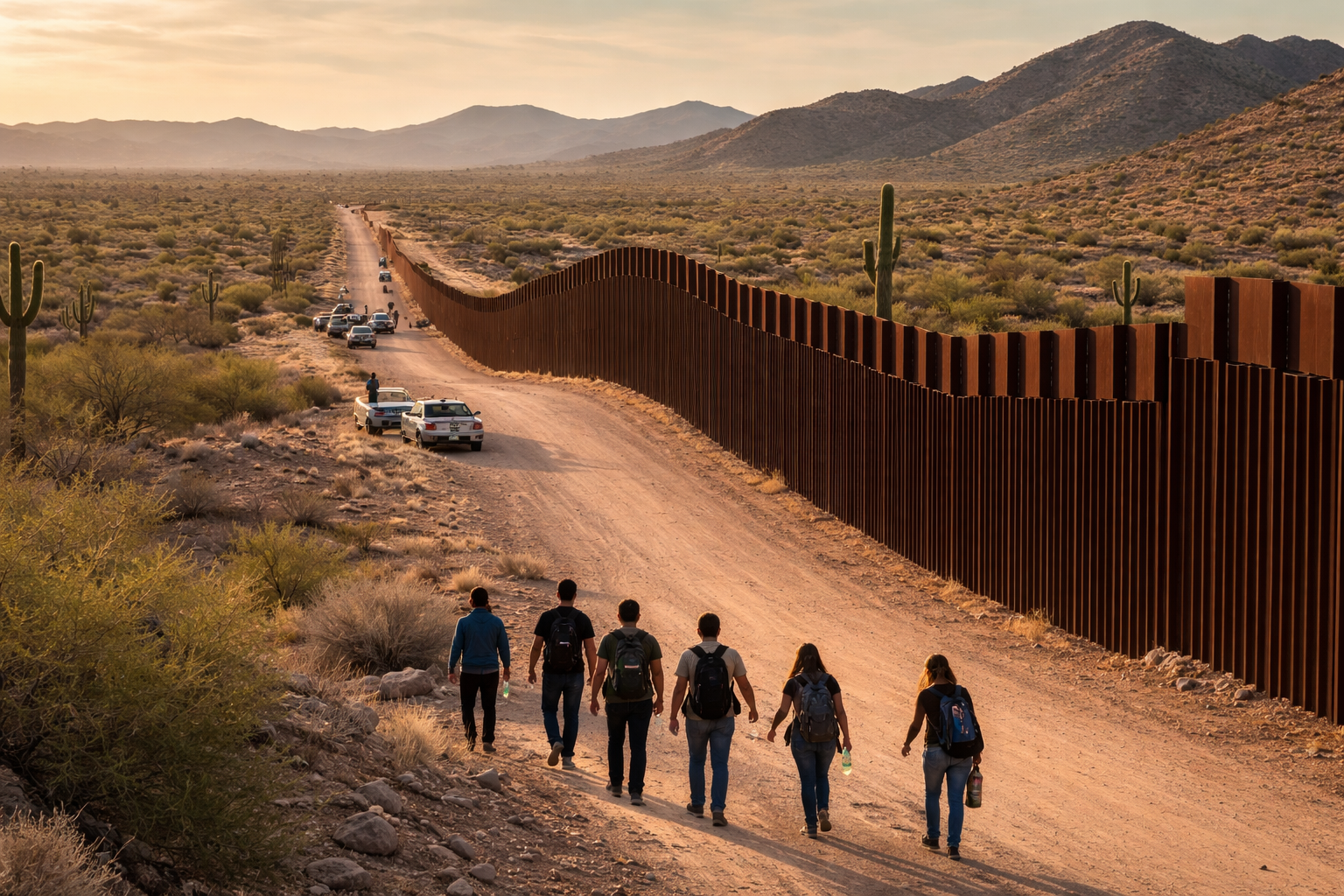
Border regions are not merely geographical edges of nation-states; they are complex social spaces where law, identity, economy, culture, and power intersect. From a sociological perspective, borders function as dynamic zones of interaction rather than fixed lines on a map. The U.S.–Mexico border, particularly in Arizona, offers one of the most significant case studies for understanding border sociology and migration in the contemporary world.
Arizona occupies a unique position along the southern border of the United States, sharing an extensive boundary with Mexico. This region has become central to debates on migration, national security, human rights, and cultural change. Migration in Arizona is not simply a matter of people crossing borders; it is a deeply embedded social process shaped by global inequalities, state policies, labor demands, and historical ties between communities on both sides of the border.
This article examines border sociology and migration in Arizona by analyzing historical patterns, sociological theories, state control, social consequences, and the lived experiences of migrants and border communities.
Understanding Border Sociology
Border sociology is a subfield of sociology that studies borders as social institutions. Rather than treating borders as neutral or natural divisions, sociologists view them as socially constructed mechanisms that regulate movement, identity, and access to resources. Borders determine who belongs, who is excluded, and under what conditions mobility is allowed or denied.
In Arizona, the border functions simultaneously as a site of inclusion and exclusion. It facilitates economic exchange and cultural interaction while also serving as a space of surveillance, enforcement, and conflict. Border sociology emphasizes how power operates through laws, policing, and symbolic narratives such as “illegal immigration” or “border security.”
Historical Context of Migration in Arizona
Migration in Arizona predates the modern international border. Before the mid-nineteenth century, Indigenous communities, including the Tohono O’odham, moved freely across what later became the U.S.–Mexico border. The border itself was imposed through political treaties and territorial expansion, not organic social division.
With the expansion of the United States and the incorporation of Arizona as a state, migration patterns became increasingly regulated. Mexican labor migration intensified during periods of economic growth, particularly in agriculture, mining, and construction. Programs such as the Bracero Program in the mid-twentieth century institutionalized cross-border labor migration while reinforcing unequal power relations between employers and migrant workers.
From a sociological viewpoint, migration in Arizona has always been shaped by labor demand in the U.S. economy alongside political efforts to control and restrict migrant populations.
Theories Explaining Migration in Arizona
Several sociological theories help explain why Arizona has become a major migration corridor.
Push and Pull Factors
Economic inequality remains a fundamental driver of migration. Limited employment opportunities, poverty, and violence in parts of Mexico and Central America act as push factors, while job availability, higher wages, and family networks in Arizona function as pull factors. However, border sociology critiques this model for oversimplifying migration and ignoring political and historical dimensions.
World-Systems Theory
World-systems theory situates migration within global capitalism. According to this perspective, economic penetration by developed countries destabilizes traditional economies in less developed regions, prompting migration. Arizona, as part of the U.S. core economy, attracts labor from peripheral regions while maintaining strict control over migrant mobility.
Social Network Theory
Migration in Arizona is sustained through social networks. Family ties and community connections reduce the risks and costs of migration by providing information, housing, and employment opportunities. These networks explain why migration persists even under intensified border enforcement.
Border Enforcement and State Power
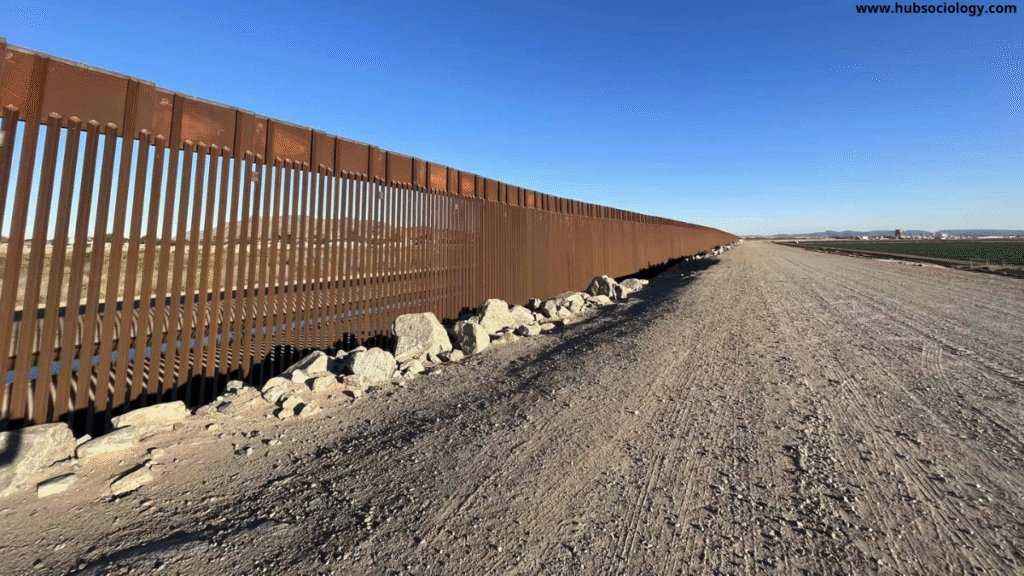
Arizona has become a focal point of border enforcement policies. Increased militarization of the border has transformed the region into a highly surveilled social space. The presence of agencies such as United States Border Patrol reflects the state’s effort to assert sovereignty and control movement.
From a sociological perspective, border enforcement is not only about security but also about symbolic power. It communicates who is considered a legitimate member of society and who is labeled as “illegal.” Laws such as Arizona’s SB 1070 intensified racial profiling and deepened fear within immigrant communities, illustrating how legal structures shape everyday social interactions.
Migration as a Lived Social Experience
Migration in Arizona cannot be fully understood without examining the lived experiences of migrants. For many, the journey across the desert is marked by physical danger, emotional trauma, and uncertainty. Sociologically, these experiences reveal how structural inequalities translate into human suffering.
Once in Arizona, migrants often occupy marginalized positions in the labor market. They work in low-wage, unstable jobs with limited legal protection. This economic marginalization reinforces social exclusion while simultaneously sustaining sectors of the local economy.

Despite these challenges, migrant communities demonstrate resilience through mutual aid, cultural practices, and informal support systems. Churches, community organizations, and advocacy groups play a crucial role in providing social services and creating spaces of belonging.
Impact on Border Communities
Border sociology also examines how migration affects receiving communities. In Arizona, border towns experience both economic benefits and social tensions. Migrant labor contributes significantly to agriculture, construction, and service industries. At the same time, political narratives often frame migrants as threats, fueling social polarization.
Cultural exchange is a defining feature of border life. Language, food, music, and traditions reflect a blending of Mexican and American influences. Sociologically, this hybridity challenges rigid national identities and highlights the border as a zone of cultural creativity rather than division.
Race, Ethnicity, and Identity
Migration in Arizona is deeply intertwined with race and ethnicity. Latino communities, regardless of citizenship status, often face discrimination and social stigma. Border sociology emphasizes how racialization operates through immigration enforcement, media representation, and everyday interactions.
The association of migration with criminality reinforces stereotypes and legitimizes exclusionary policies. This process illustrates how borders are not only physical barriers but also social boundaries that shape identity and belonging.
Human Rights and Ethical Dimensions
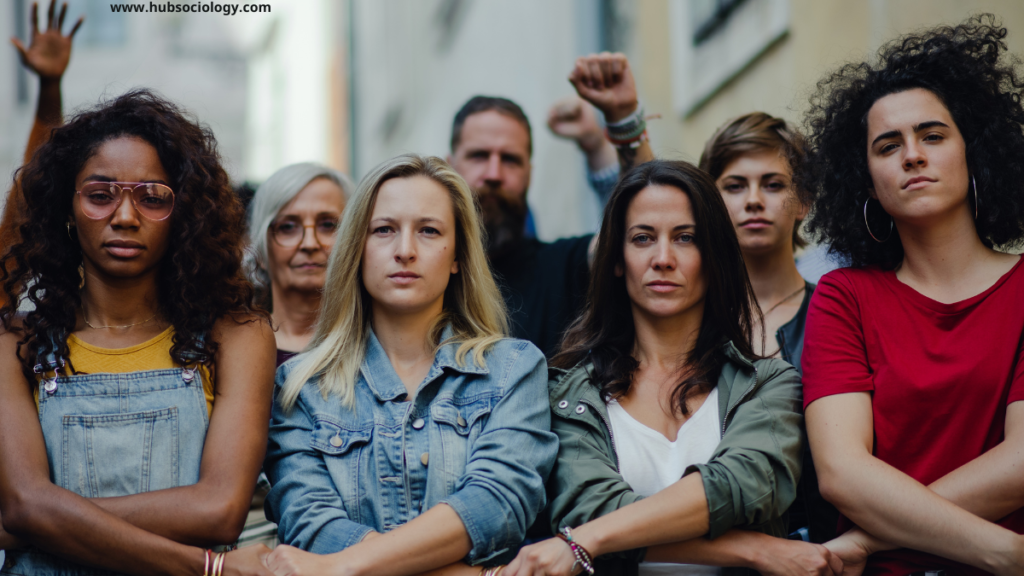
The sociological study of border migration raises critical ethical questions. The deaths of migrants in the Arizona desert, family separations, and detention practices highlight the human cost of restrictive immigration policies. Sociologists argue that migration should be understood as a human response to structural inequality rather than a criminal act.
Human rights organizations and activists challenge dominant narratives by reframing migration as an issue of social justice. Their efforts underscore the moral responsibility of states to protect human dignity while managing borders.
Globalization and the Future of Border Sociology in Arizona
Globalization has intensified cross-border movement while simultaneously strengthening border controls. This paradox defines the contemporary border experience in Arizona. Goods and capital move freely, while human mobility is increasingly restricted.
From a sociological standpoint, the future of border sociology in Arizona will depend on how societies reconcile economic interdependence with demands for security and national identity. Climate change, political instability, and economic inequality are likely to increase migration pressures, making Arizona an ongoing focal point of border studies.
Conclusion
Border sociology and migration in Arizona reveal the complex interplay between structure and agency, power and resistance, inclusion and exclusion. The Arizona border is not merely a line separating two nations but a socially constructed space shaped by history, policy, and human experience.
By examining migration through a sociological lens, it becomes clear that border issues cannot be reduced to legality or enforcement alone. They are deeply rooted in global inequalities, labor systems, racial dynamics, and human aspirations for dignity and survival. Understanding these dimensions is essential for developing more just and humane approaches to migration in Arizona and beyond.
Frequently Asked Questions (FAQs): Migration in Arizona
1. What is meant by Migration in Arizona from a sociological perspective?
Migration in Arizona refers to the movement of people across the U.S.–Mexico border and within the state, shaped by economic inequality, labor demand, state policies, social networks, and historical ties between border communities.
2. Why is Arizona important in the study of border sociology?
Arizona is a key border state of the Arizona, making it a central site for examining how borders function as social, political, and cultural institutions rather than just geographic boundaries.
3. What are the main causes of Migration in Arizona?
The major causes include economic disparities, lack of employment in origin countries, labor demand in Arizona, family reunification, political instability, and the effects of globalization.
4. How does border enforcement affect Migration in Arizona?
Strict border enforcement increases risks for migrants, reshapes migration routes, and often leads to social fear, racial profiling, and marginalization of immigrant communities within Arizona.
5. What role does labor demand play in Migration in Arizona?
Labor demand in agriculture, construction, and service sectors strongly influences Migration in Arizona by attracting low-wage workers despite restrictive immigration policies.
6. How do social networks influence Migration in Arizona?
Family and community networks provide information, resources, and support, making Migration in Arizona more sustainable even under heightened border surveillance.
7. Is Migration in Arizona a recent phenomenon?
No, Migration in Arizona has historical roots dating back to pre-border Indigenous movements and long-standing cross-border labor migration between Mexico and the United States.
8. How does Migration in Arizona affect local communities?
Migration contributes economically and culturally but can also generate social tension due to political narratives, resource competition, and racialized perceptions of immigrants.
9. What is the relationship between race and Migration in Arizona?
Migration in Arizona is closely linked to racialization, where Latino communities often face discrimination, stereotyping, and social exclusion regardless of legal status.
10. How does border sociology explain Migration in Arizona?
Border sociology views Migration in Arizona as a product of power relations, state control, and global inequality, emphasizing borders as social institutions rather than natural divisions.
11. What challenges do migrants face during Migration in Arizona?
Migrants face physical danger during border crossings, legal insecurity, labor exploitation, limited access to healthcare, and social marginalization after arrival.
12. How does globalization influence Migration in Arizona?
Globalization facilitates economic integration while restricting human mobility, intensifying Migration in Arizona as people respond to unequal global development.
13. What human rights issues are linked to Migration in Arizona?
Key issues include migrant deaths in border regions, detention practices, family separation, and denial of basic social and legal protections.
14. How does Migration in Arizona shape cultural identity?
Migration fosters cultural hybridity in border regions, influencing language, food, traditions, and identity formation within Arizona’s border communities.
15. What is the future of Migration in Arizona according to sociologists?
Sociologists predict that Migration in Arizona will continue due to climate change, economic inequality, and global instability, making humane and inclusive policies increasingly important.
1 thought on “Border Sociology and Migration in Arizona”