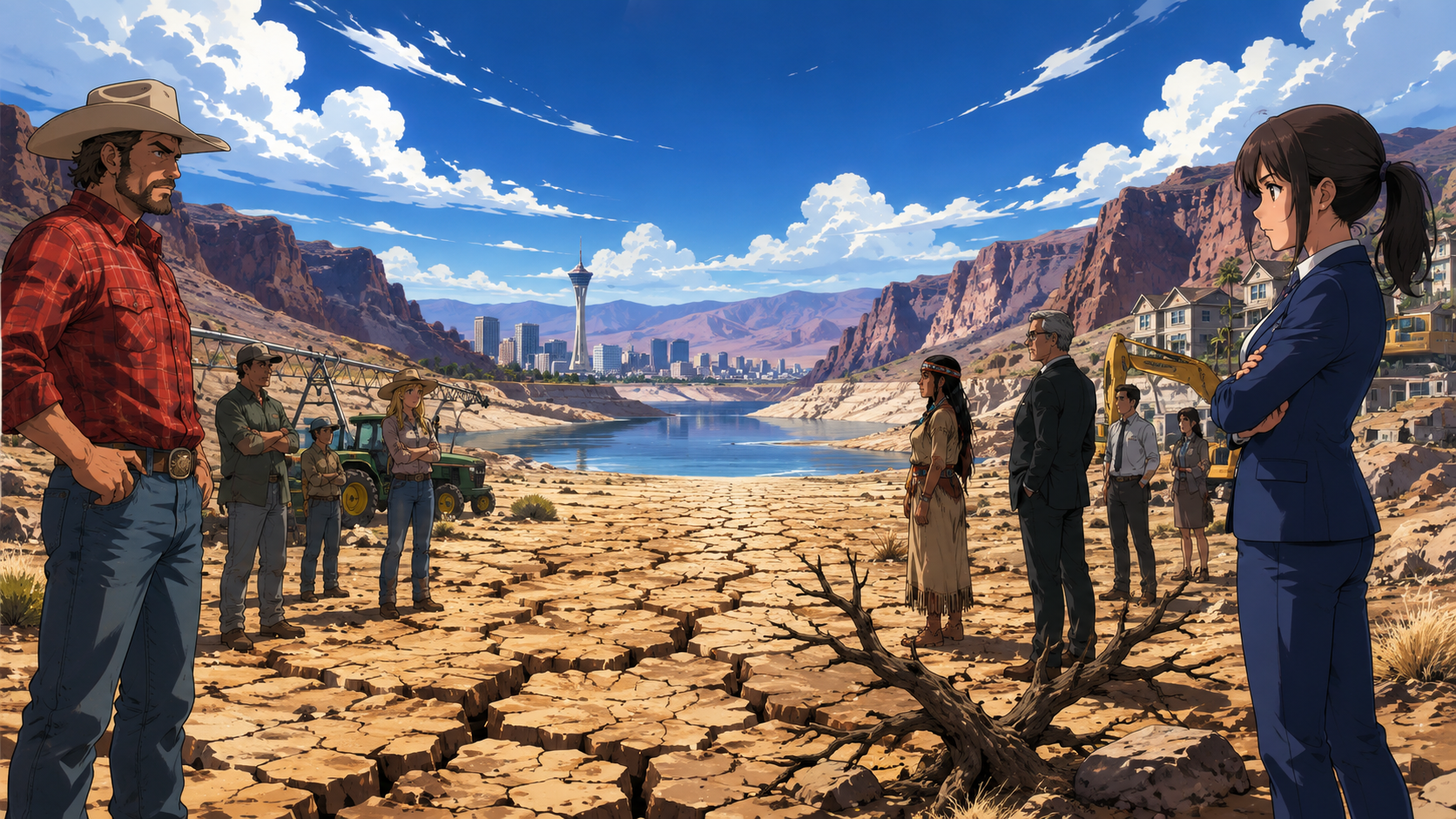
Introduction on Social Conflict in Nevada
Water is one of the most essential natural resources for human survival, economic development, and environmental sustainability. In the arid western region of the United States, water has always been a critical concern. Among the states facing significant water challenges, Nevada stands out due to its dry climate, rapid urban growth, increasing agricultural demands, and dependence on limited water sources. Over the past few decades, water scarcity has become a major social and political issue in Nevada, creating tensions among communities, industries, farmers, indigenous groups, environmental organizations, and government agencies.
From a political science perspective, water scarcity is not merely an environmental problem; it is also a source of social conflict, policy disputes, and governance challenges. Competition over limited water resources influences decision-making processes, power relations, public policies, and social justice concerns. Understanding the relationship between water scarcity and social conflict in Nevada provides valuable insights into broader debates about resource management, environmental governance, and sustainable development.
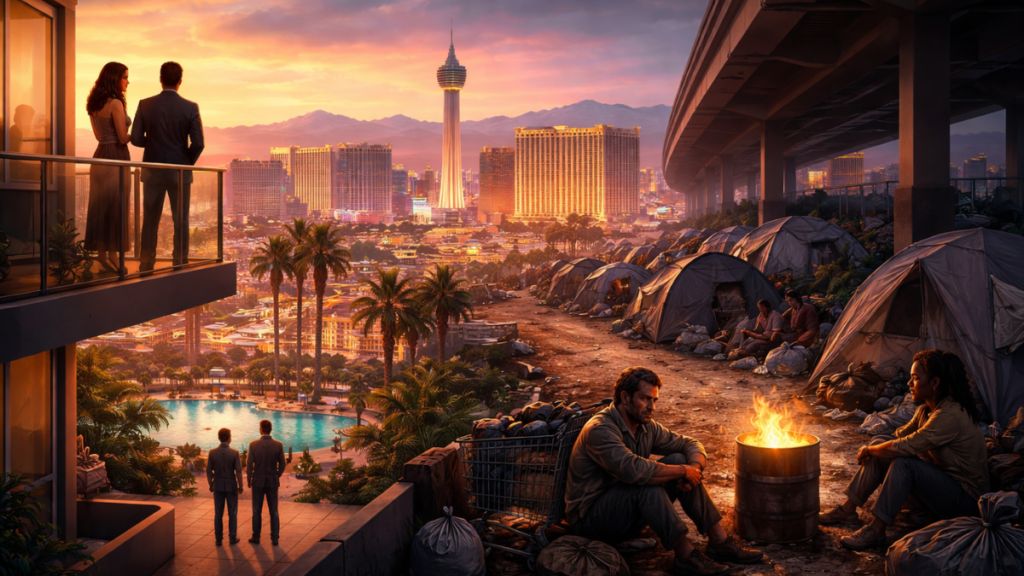
This article examines the causes of water scarcity in Nevada, the resulting social conflicts, the role of political institutions, and possible solutions for achieving long-term water security.
Table of Contents
Understanding Water Scarcity in Nevada
Nevada is the driest state in the United States. Much of its territory consists of deserts and semi-arid landscapes that receive very little annual rainfall. The state’s population and economy have grown significantly during the last century, increasing pressure on already limited water supplies.

Water scarcity occurs when the available freshwater resources are insufficient to meet the demands of people, agriculture, industry, and ecosystems. In Nevada, water scarcity results from both natural and human-made factors.
Natural factors include:
- Low annual precipitation
- High evaporation rates
- Frequent droughts
- Climate variability
Human factors include:
- Rapid urban expansion
- Population growth
- Agricultural consumption
- Industrial development
- Unsustainable water use practices
These factors combine to create a situation where demand often exceeds available supply, leading to conflicts among competing users.
Geographic and Climatic Context on Social Conflict in Nevada
Nevada‘s climate plays a central role in shaping water availability. The state receives an average of less than ten inches of rainfall per year, making it one of the most water-stressed regions in North America.
The majority of Nevada’s water comes from:
- Surface water sources such as rivers and reservoirs.
- Groundwater aquifers.
- The Colorado River system.
The Colorado River is especially important because it supplies water to southern Nevada, including the Las Vegas metropolitan area. However, prolonged drought conditions and climate change have significantly reduced water levels in major reservoirs such as Lake Mead.
As water levels decline, concerns about future shortages increase, creating uncertainty among residents, businesses, and policymakers.
Historical Development of Water Use in Nevada
Historically, indigenous communities managed water resources through traditional ecological knowledge and sustainable practices. However, the arrival of European settlers transformed water management systems.
During the nineteenth and twentieth centuries, agricultural development expanded across Nevada. Irrigation projects diverted rivers and groundwater to support farming activities. Later, urbanization and economic growth increased water consumption even further.
The growth of Las Vegas became a defining feature of Nevada’s water history. Despite being located in a desert, Las Vegas evolved into a major tourist destination and metropolitan center. Hotels, casinos, residential developments, and recreational facilities required substantial water supplies.
Government agencies responded by constructing dams, reservoirs, and water infrastructure projects. While these developments supported economic growth, they also intensified competition for limited resources.
The Colorado River Crisis
The Colorado River is one of the most heavily managed river systems in the world. It provides water to millions of people across several western states.
Nevada receives only a small percentage of the river’s total allocation, yet this share supports a significant portion of the state’s population. The river has become increasingly vulnerable due to:
- Long-term drought
- Reduced snowpack in the Rocky Mountains
- Rising temperatures
- Increased demand from growing populations
Lake Mead, formed by Hoover Dam, serves as a crucial reservoir for Nevada. In recent years, water levels in Lake Mead have reached historically low levels, raising concerns about water shortages and energy production.
As supplies shrink, states dependent on the Colorado River face difficult negotiations regarding water allocation. These interstate disputes illustrate how environmental scarcity can generate political conflict.
Population Growth and Urban Water Demand
One of the major drivers of water scarcity in Nevada is population growth. Urban centers, particularly Las Vegas and surrounding communities, have experienced rapid expansion over the last several decades.
Growing populations increase demand for:
- Drinking water
- Household consumption
- Landscaping
- Public services
- Commercial activities
Urban development often creates competition between residential needs and other water users. Local governments must balance economic growth with sustainable resource management.
The expansion of suburban neighborhoods has historically increased outdoor water use, particularly for lawns and decorative landscaping. Although conservation programs have reduced some of these demands, urban growth continues to place pressure on available resources.
Agriculture and Water Competition
Agriculture remains one of the largest consumers of water in Nevada. Irrigated farming requires substantial amounts of water, especially in dry environments.

Common agricultural activities include:
- Alfalfa production
- Cattle ranching
- Hay cultivation
- Crop irrigation
Many farmers rely on groundwater extraction and river diversions. During periods of drought, tensions often emerge between agricultural users and urban communities.
Farmers argue that agriculture supports local economies, food production, and rural livelihoods. Urban residents, on the other hand, may demand greater water allocations for growing cities.
These competing interests create political debates about water rights, allocation priorities, and economic development strategies.
Groundwater Depletion and Local Conflict
Groundwater serves as an essential resource throughout Nevada. Many rural communities depend heavily on underground aquifers.
However, excessive groundwater extraction can lead to:
- Declining water tables
- Reduced well productivity
- Land subsidence
- Ecosystem degradation
As groundwater becomes scarcer, conflicts arise among different users. Large-scale extraction projects often face opposition from local residents who fear long-term environmental consequences.
Communities may perceive groundwater transfers as threats to their economic survival and cultural identity. Such disputes frequently involve questions of environmental justice and local autonomy.
Indigenous Communities and Water Rights
Water scarcity also affects indigenous communities across Nevada. Native American tribes have historically depended on local water resources for cultural, spiritual, and economic purposes.
Many tribes argue that historical policies excluded them from fair access to water resources. Water rights disputes often involve complex legal questions regarding treaties, sovereignty, and resource allocation.
For indigenous communities, water is more than an economic resource. It is closely connected to cultural traditions, sacred landscapes, and community well-being.
Political conflicts arise when development projects threaten traditional water sources or when tribal water rights are overlooked in policy decisions.
Environmental Concerns and Ecological Conflict
Water scarcity affects not only human populations but also natural ecosystems. Rivers, wetlands, lakes, and wildlife habitats depend on adequate water supplies.
Environmental organizations often advocate for maintaining minimum water flows to protect ecosystems. However, these goals sometimes conflict with demands from agriculture, industry, and urban development.
Examples of ecological concerns include:
- Habitat loss
- Wetland degradation
- Declining fish populations
- Reduced biodiversity
Environmental conflicts emerge when policymakers must decide whether water should be allocated for economic growth or environmental protection.
These debates highlight broader questions about sustainability and intergenerational responsibility.
Climate Change and Intensifying Scarcity
Climate change has become a major factor influencing water availability in Nevada. Scientific research indicates that rising temperatures are contributing to:
- Increased evaporation
- Reduced snowpack
- More severe droughts
- Greater water demand
The effects of climate change amplify existing vulnerabilities within Nevada’s water system. As water becomes less predictable, competition among users intensifies.
Climate-related uncertainty also complicates long-term planning. Policymakers must develop strategies capable of addressing future environmental changes while maintaining economic stability.
Political Tensions and Social Conflict in Nevada
Water scarcity creates conditions that encourage social conflict. Political scientists often describe resource scarcity as a factor that can intensify competition between groups.
In Nevada, water-related conflicts occur at multiple levels:
Community-Level Conflict
Local residents may oppose water transfer projects that threaten their access to resources. Rural communities often resist policies perceived as benefiting urban areas at their expense.
Regional Conflict
Competition between northern and southern Nevada has generated debates over water allocation and infrastructure projects.
Interstate Conflict
Nevada must negotiate water-sharing agreements with neighboring states that depend on the Colorado River. These negotiations involve complex political and legal considerations.
Interest Group Conflict
Different stakeholders seek to influence policy outcomes, including:
- Agricultural associations
- Environmental groups
- Business organizations
- Indigenous communities
- Municipal governments
These competing interests shape public debates and legislative decisions.
Water Governance in Nevada
Effective water governance is essential for managing scarcity and reducing conflict. Water governance refers to the institutions, laws, policies, and decision-making processes that regulate water use.
Nevada’s water governance system involves multiple actors:
- State agencies
- Local governments
- Federal agencies
- Tribal governments
- Water districts
- Community organizations
Political challenges arise because water management requires coordination across different jurisdictions and sectors.
Successful governance depends on transparency, public participation, scientific expertise, and equitable decision-making.
Conservation Policies and Management Strategies
Nevada has implemented several conservation measures to address water scarcity.
These initiatives include:
- Restrictions on non-essential water use
- Incentives for drought-resistant landscaping
- Water recycling programs
- Efficient irrigation technologies
- Public awareness campaigns
Las Vegas, in particular, has gained recognition for innovative conservation efforts. Despite population growth, the city has reduced per-capita water consumption through aggressive efficiency programs.
Conservation policies demonstrate how governments can mitigate scarcity while supporting economic development.
Environmental Justice and Equity Issues
Water scarcity raises important questions about fairness and social justice.
Not all communities experience water shortages equally. Vulnerable populations may face greater challenges due to:
- Economic inequality
- Geographic isolation
- Limited political influence
- Historical marginalization
Political scientists emphasize the importance of equitable resource distribution. Policies that favor powerful groups while neglecting disadvantaged communities can deepen social conflict.
Environmental justice frameworks encourage policymakers to consider who benefits from water decisions and who bears the associated costs.
Future Challenges on Social Conflict in Nevada
Nevada faces several long-term challenges related to water management:
- Continued population growth.
- Climate change impacts.
- Declining Colorado River supplies.
- Groundwater sustainability concerns.
- Increasing environmental pressures.
- Rising infrastructure costs.
Addressing these challenges will require innovative policies and collaborative governance approaches.
Future water management strategies must balance economic growth, environmental protection, and social equity.
Potential Solutions on Social Conflict in Nevada
Several strategies can help reduce water scarcity and social conflict in Nevada:
Integrated Water Management
Coordinating water policies across sectors and jurisdictions can improve efficiency and reduce competition.
Advanced Technology
Smart irrigation systems, water recycling technologies, and improved monitoring can enhance resource management.
Climate Adaptation Planning
Governments should develop long-term plans that account for future climate conditions.
Public Participation
Including citizens, tribes, and community organizations in decision-making processes can improve legitimacy and reduce conflict.
Interstate Cooperation
Collaboration among western states is essential for managing shared water resources.
Sustainable Development
Future economic growth should be aligned with available water resources to prevent excessive demand.
Conclusion on Social Conflict in Nevada
Water scarcity represents one of the most significant environmental and political challenges facing Nevada. The state’s arid climate, dependence on limited water sources, rapid population growth, and climate change impacts have created conditions of increasing resource stress. As water becomes scarcer, competition among urban communities, farmers, indigenous groups, environmental advocates, and neighboring states intensifies.
From a political science perspective, water scarcity is not simply a matter of resource availability. It is deeply connected to issues of power, governance, equity, and social conflict. The management of water resources influences public policy, economic development, environmental sustainability, and social justice.
Nevada’s experience demonstrates how environmental challenges can shape political institutions and social relations. Effective governance, conservation measures, technological innovation, and inclusive decision-making will be crucial for addressing future water challenges. By adopting sustainable and equitable approaches, Nevada can reduce conflict and build a more resilient future in an increasingly water-constrained world.
FAQs on Social Conflict in Nevada
1. What is Social Conflict in Nevada?
Social Conflict in Nevada refers to disputes and tensions among different groups over issues such as water scarcity, land use, economic inequality, environmental protection, and resource allocation.
2. How does water scarcity contribute to Social Conflict in Nevada?
Water scarcity increases competition among cities, farmers, industries, and environmental groups, leading to disagreements over water rights and distribution.
3. Why is the Colorado River important to Social Conflict in Nevada?
The Colorado River supplies a significant portion of Nevada’s water. Declining water levels have intensified debates over how limited water resources should be shared.
4. What role does population growth play in Social Conflict in Nevada?
Rapid population growth increases demand for housing, infrastructure, and water, often creating tensions between urban development and resource conservation.
5. How do farmers experience Social Conflict in Nevada?
Farmers often compete with urban areas for water resources and may face restrictions during drought periods, leading to conflicts over water allocation policies.
6. Are Indigenous communities affected by Social Conflict in Nevada?
Yes. Indigenous communities may face challenges related to water rights, land management, and environmental protection, making them important stakeholders in resource-related conflicts.
7. How does climate change influence Social Conflict in Nevada?
Climate change contributes to droughts and declining water supplies, increasing competition among various groups and intensifying social tensions.
8. What environmental issues are linked to Social Conflict in Nevada?
Environmental concerns include habitat destruction, groundwater depletion, ecosystem degradation, and debates over balancing conservation with economic development.
9. How do urban and rural communities differ in Social Conflict in Nevada?
Urban communities often seek water for residential and commercial growth, while rural communities prioritize agricultural needs, creating competing interests.
10. What government agencies manage water-related Social Conflict in Nevada?
State water authorities, local governments, federal agencies, tribal governments, and water districts all play roles in managing water resources and resolving disputes.
11. Can Social Conflict in Nevada affect economic development?
Yes. Resource disputes can influence investment decisions, infrastructure projects, agricultural productivity, and long-term economic planning.
12. How does groundwater depletion contribute to Social Conflict in Nevada?
Overuse of groundwater can reduce water availability for local communities and ecosystems, leading to conflicts between different users.
13. What is environmental justice in the context of Social Conflict in Nevada?
Environmental justice focuses on ensuring that all communities have fair access to resources and are not disproportionately affected by environmental problems.
14. What solutions can reduce Social Conflict in Nevada?
Water conservation, sustainable development, public participation, climate adaptation strategies, and equitable resource management can help reduce conflicts.
15. Why is Social Conflict in Nevada important for Political Science students?
It provides a valuable case study of how environmental scarcity influences governance, public policy, power relations, and social stability.