Introduction on Urban Sociology of Boston
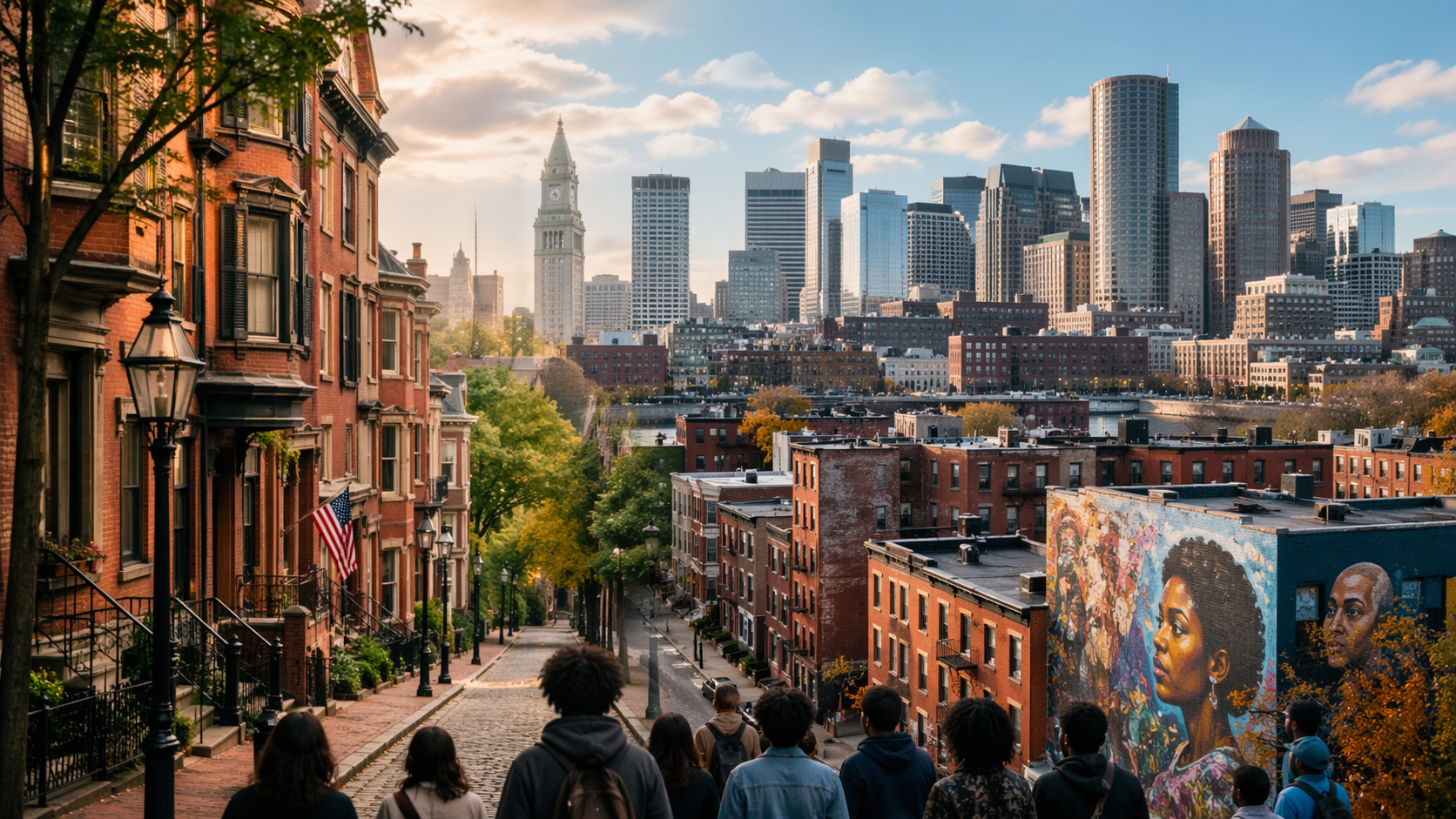
The city of Boston occupies a distinctive place in the sociological imagination of the United States. Known as one of the oldest cities in the country, Boston has historically functioned as a hub of education, politics, and economic innovation. Yet beneath its reputation for intellectual vibrancy lies a deeply stratified urban landscape shaped by enduring inequalities of class and race. The sociological study of Boston provides a compelling lens through which to understand how historical legacies, institutional structures, and contemporary urban processes intersect to produce patterns of inequality.
Urban sociology, as a field, examines how social relations are organized in urban spaces and how these relations are shaped by economic, political, and cultural forces. In Boston, the interplay between class and race has been central to the formation of neighborhoods, access to resources, and the lived experiences of its residents. From the colonial period to the modern era of gentrification and globalization, Boston’s urban development reflects broader dynamics of American society, while also retaining unique local characteristics.
This article explores the sociological dimensions of class and race in Boston, focusing on historical foundations, spatial segregation, education, housing, labor markets, and contemporary transformations. It aims to demonstrate how structural inequalities are reproduced over time, while also highlighting the possibilities for social change.
Historical Foundations of Class and Race in Boston
The roots of class and racial inequality in Boston can be traced back to its colonial origins. As a major port city in the 17th and 18th centuries, Boston developed a hierarchical social structure based on wealth, occupation, and status. The early economy relied heavily on trade, shipping, and mercantile activities, which concentrated wealth among a small elite class. At the same time, marginalized groups, including enslaved Africans and later immigrant populations, occupied the lower strata of society.
During the 19th century, Boston experienced significant demographic changes due to waves of immigration, particularly from Ireland. Irish immigrants, many of whom were poor and Catholic, faced discrimination from the Protestant Anglo-American elite. Over time, however, they established strong community networks and gradually achieved upward mobility, reshaping the city’s class structure.
The 20th century marked a critical period in the racialization of urban space. The Great Migration brought African Americans from the rural South to northern cities, including Boston, in search of better economic opportunities and freedom from Jim Crow laws. However, instead of finding equality, many encountered systemic racism, residential segregation, and limited access to employment.
These historical processes laid the groundwork for the spatial and social divisions that continue to characterize Boston today. Sociologically, they illustrate how race and class are not separate categories but are deeply intertwined in shaping urban life.
Spatial Segregation and the Urban Landscape
One of the most visible manifestations of class and racial inequality in Boston is spatial segregation. Neighborhoods in Boston have long been divided along lines of race and class, with affluent, predominantly white areas coexisting alongside economically disadvantaged communities of color.
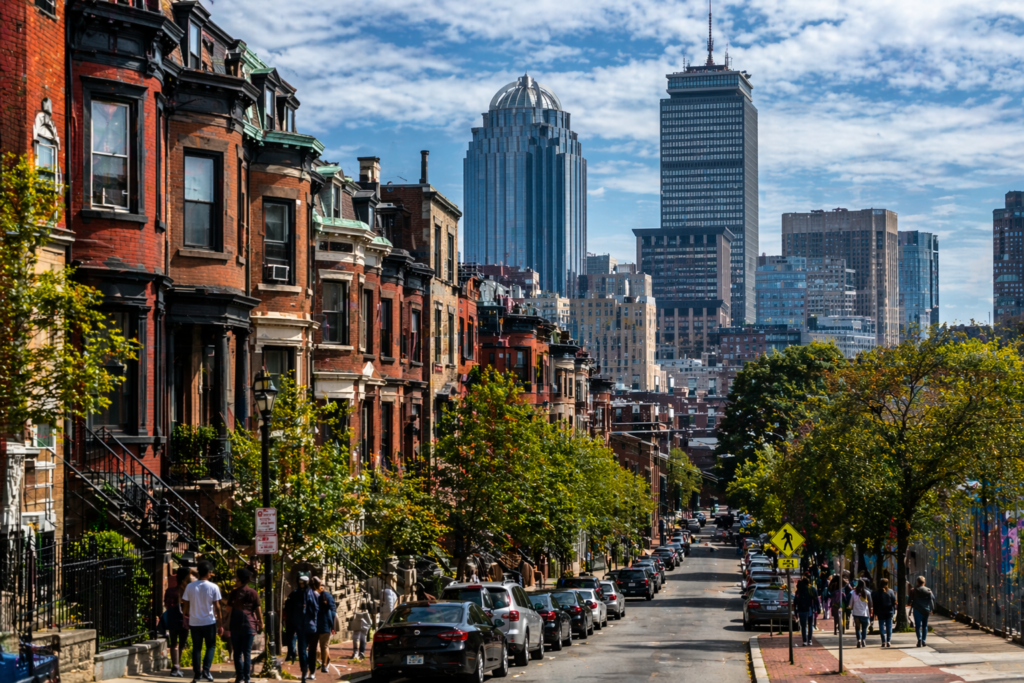
Areas such as Roxbury and Dorchester have historically been home to African American and immigrant populations, while neighborhoods like Beacon Hill and Back Bay have been associated with wealth and privilege. This pattern of segregation is not accidental but is the result of policies such as redlining, discriminatory lending practices, and exclusionary zoning.
Redlining, in particular, played a crucial role in shaping Boston’s urban geography. Financial institutions and government agencies designated certain neighborhoods as “high risk” based on their racial composition, effectively denying residents access to mortgages and investment. This led to disinvestment in communities of color and contributed to cycles of poverty and decline.
From a sociological perspective, spatial segregation reinforces social inequality by limiting access to quality education, healthcare, employment, and public services. It also shapes social interactions and cultural perceptions, often leading to stereotypes and prejudice.
Housing Inequality and Gentrification
Housing has been a central arena in which class and race intersect in Boston. The availability, affordability, and quality of housing are deeply influenced by socioeconomic status and racial identity.
In recent decades, Boston has experienced significant gentrification, particularly in neighborhoods that were once considered undesirable. Rising property values and an influx of affluent residents have transformed areas such as South Boston and parts of Dorchester. While gentrification can bring economic investment and improved infrastructure, it often leads to the displacement of long-term residents, many of whom are low-income and belong to racial minorities.
The sociological implications of gentrification are complex. On one hand, it can contribute to urban revitalization and economic growth. On the other hand, it exacerbates inequality by pushing marginalized populations to the periphery of the city, where access to resources may be more limited.
Moreover, housing inequality is closely tied to broader patterns of wealth accumulation. Homeownership is a key mechanism for building wealth in the United States, but historical and ongoing discrimination has limited access to this opportunity for many racial minorities. As a result, wealth gaps between white and non-white households persist and are often reflected in housing patterns.
Education and the Reproduction of Inequality
Education is another critical domain in which class and race intersect in Boston. The city has been at the center of national debates on school desegregation, most notably during the busing crisis of the 1970s. Court-ordered busing aimed to address racial segregation in public schools by transporting students to different neighborhoods. However, it also sparked intense resistance and conflict, revealing deep-seated racial tensions.

Despite efforts to promote equality, disparities in educational outcomes persist. Schools in affluent neighborhoods tend to have better resources, experienced teachers, and higher academic performance, while those in low-income areas often face challenges such as overcrowding, underfunding, and limited extracurricular opportunities.
Boston is also home to prestigious institutions such as Harvard University and the Massachusetts Institute of Technology, which attract students from around the world. While these institutions contribute to the city’s intellectual capital and economic growth, they also highlight the stark contrast between elite education and the struggles of public school systems.
From a sociological standpoint, education functions as both a mechanism of mobility and a site of inequality. It can provide opportunities for upward mobility, but it can also reproduce existing social hierarchies when access to quality education is uneven.
Labor Markets and Economic Inequality
Boston’s economy has undergone significant transformation over the past century, shifting from an industrial base to a knowledge-based economy centered on finance, healthcare, education, and technology. This transition has created new opportunities but has also intensified class divisions.
High-paying jobs in sectors such as biotechnology and finance are often accessible to individuals with advanced education and skills, many of whom come from privileged backgrounds. In contrast, low-wage service jobs, including retail, hospitality, and caregiving, are disproportionately occupied by racial minorities and immigrants.
This segmentation of the labor market reflects broader patterns of inequality. Sociologists refer to this as the “dual labor market,” where primary sector jobs offer stability and benefits, while secondary sector jobs are characterized by low wages and insecurity.
Moreover, systemic discrimination continues to affect employment opportunities for racial minorities. Studies have shown that individuals with identical qualifications may receive different treatment based on their racial identity, highlighting the persistence of structural racism in the labor market.
Policing, Crime, and Social Control
The relationship between race, class, and policing is another महत्वपूर्ण aspect of Boston’s urban sociology. Law enforcement practices often disproportionately affect low-income communities and communities of color, leading to tensions between residents and the police.
Issues such as racial profiling, mass incarceration, and unequal treatment under the law have been widely documented in urban contexts across the United States, including Boston. These practices can reinforce social inequality by limiting opportunities for affected individuals and perpetuating cycles of disadvantage.
At the same time, crime and safety are complex issues that cannot be understood solely in terms of policing. Sociologists emphasize the role of structural factors such as poverty, unemployment, and lack of access to education in shaping patterns of crime.
Cultural Identity and Community Life
Despite the challenges of inequality, Boston is also a city rich in cultural diversity and community life. Neighborhoods serve as important spaces for the formation of identity, social networks, and collective action.

Communities of color in Boston have developed strong traditions of activism and resilience. From the civil rights movement to contemporary social justice initiatives, residents have organized to challenge inequality and advocate for change.
Cultural institutions, religious organizations, and community groups play a vital role in supporting residents and fostering a sense of belonging. These forms of social capital can help mitigate the effects of structural inequality, even as they operate within broader constraints.
Contemporary Challenges and Future Directions
In the 21st century, Boston faces a range of challenges related to class and race. Rising housing costs, increasing income inequality, and ongoing racial disparities continue to shape the urban experience.
At the same time, there are efforts to address these issues through policy interventions and community initiatives. Programs aimed at affordable housing, educational reform, and economic development seek to promote greater equity and inclusion.
However, sociologists caution that meaningful change requires addressing the underlying structures that produce inequality. This includes confronting systemic racism, reforming institutions, and promoting inclusive urban planning.
Conclusion
The urban sociology of Boston reveals a complex interplay between class and race that has evolved over centuries. From its colonial origins to its contemporary status as a global city, Boston has been shaped by processes of inequality and transformation.
Understanding these dynamics requires a sociological perspective that considers historical context, spatial organization, and institutional structures. It also demands attention to the lived experiences of residents and the ways in which they navigate and resist inequality.
Ultimately, the study of Boston offers valuable insights into broader questions about urban life, social justice, and the possibilities for change. By examining the intersections of class and race, we can better understand the challenges facing modern cities and work toward more equitable futures.
FAQs on Urban Sociology of Boston
1. What is meant by Urban Sociology of Boston?
Urban Sociology of Boston refers to the study of how social structures, class divisions, and racial dynamics shape life in Boston, including housing, education, and community relations.
2. Why is Urban Sociology of Boston important for sociological studies?
Urban Sociology of Boston provides a case study of how historical inequality, migration, and policy decisions influence modern urban life in American cities.
3. How does class inequality appear in Urban Sociology of Boston?
Urban Sociology of Boston shows class inequality through differences in income, housing access, education quality, and employment opportunities across neighborhoods.
4. What role does race play in Urban Sociology of Boston?
Urban Sociology of Boston highlights how racial segregation, discrimination, and systemic racism have shaped residential patterns and social mobility.
5. How did historical migration shape Urban Sociology of Boston?
Urban Sociology of Boston reflects waves of immigration, including Irish and African American migration, which influenced class structure and racial dynamics.
6. What is the significance of segregation in Urban Sociology of Boston?
Urban Sociology of Boston reveals that segregation has led to unequal distribution of resources and opportunities among different communities.
7. How does education reflect Urban Sociology of Boston?
Urban Sociology of Boston shows disparities in school funding, quality, and access, often aligned with class and racial divisions.
8. What is the impact of gentrification in Urban Sociology of Boston?
Urban Sociology of Boston explains how gentrification increases property values but often displaces low-income and minority residents.
9. How does housing inequality feature in Urban Sociology of Boston?
Urban Sociology of Boston demonstrates that housing inequality is tied to historical policies like redlining and modern economic pressures.
10. What role do elite institutions play in Urban Sociology of Boston?
Urban Sociology of Boston highlights institutions like Harvard University, which contribute to economic growth but also reflect educational inequality.
11. How is labor market inequality explained in Urban Sociology of Boston?
Urban Sociology of Boston shows that high-paying jobs often go to highly educated individuals, while minorities are overrepresented in low-wage sectors.
12. What are the policing issues in Urban Sociology of Boston?
Urban Sociology of Boston addresses concerns like racial profiling and unequal policing practices affecting marginalized communities.
13. How do communities respond in Urban Sociology of Boston?
Urban Sociology of Boston emphasizes grassroots activism, cultural identity, and community solidarity as responses to inequality.
14. What are current challenges in Urban Sociology of Boston?
Urban Sociology of Boston faces issues like rising housing costs, income inequality, and persistent racial disparities.
15. What can Urban Sociology of Boston teach about future urban development?
Urban Sociology of Boston offers insights into creating more equitable cities through inclusive policies and structural reforms.
1 thought on “Urban Sociology of Boston: Class and Race”