Introduction
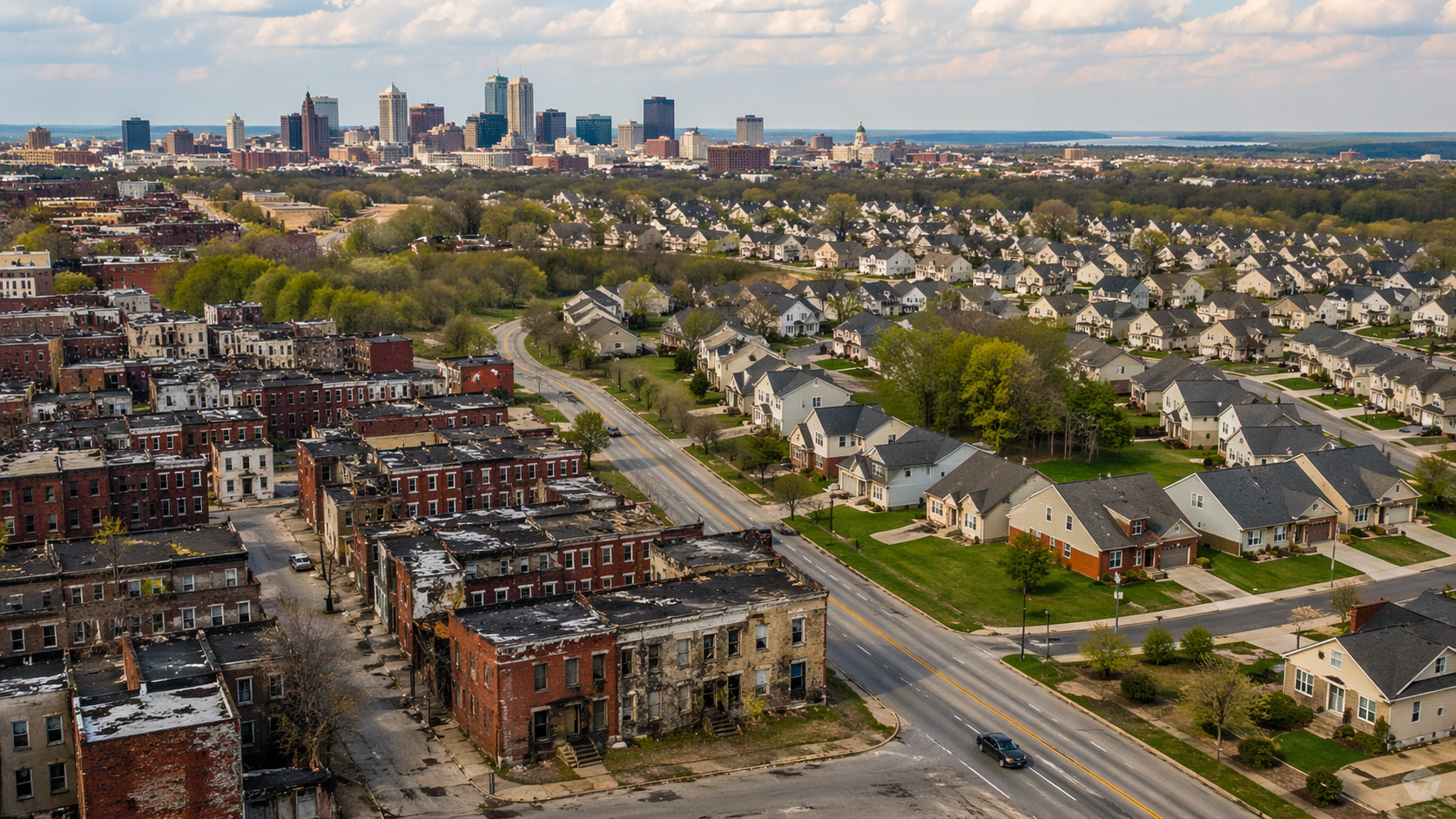
Urban inequality and suburban growth are deeply interconnected processes shaping contemporary American society. In the state of Maryland, these dynamics are particularly visible due to its proximity to the Washington metropolitan area and its historically segregated urban centers like Baltimore. Over the past several decades, Maryland has experienced rapid suburban expansion alongside persistent urban inequality, creating a complex socio-spatial landscape marked by disparities in income, housing, education, and opportunity.
From a sociological perspective, the study of urban inequality and suburban growth in Maryland reveals the interplay of structural forces such as racial segregation, economic restructuring, housing policy, and demographic shifts. These processes have contributed to both the concentration of poverty in urban cores and the diffusion of inequality into suburban areas. This article explores these dynamics in depth, analyzing how historical and contemporary forces shape spatial inequality and what this means for social justice and development.
Conceptual Framework: Understanding Urban Inequality
Urban inequality refers to uneven distribution of resources, opportunities, and living conditions within cities. It manifests in various forms, including income inequality, racial segregation, unequal access to education and healthcare, and disparities in housing quality.
Sociologists emphasize that urban inequality is not accidental but structurally produced. Factors such as industrial decline, labor market changes, and discriminatory policies have historically concentrated disadvantage in certain neighborhoods. In Maryland, these processes are evident in cities like Baltimore, where concentrated poverty and racial segregation remain defining features.
Research shows that concentrated poverty—where large proportions of residents live below the poverty line—creates cycles of disadvantage. Such neighborhoods often experience higher unemployment, lower educational attainment, and increased crime, reinforcing inequality across generations .
Historical Roots of Inequality in Maryland
The roots of urban inequality in Maryland lie in historical processes such as slavery, segregation, and discriminatory housing policies. During the 20th century, practices like redlining and restrictive covenants systematically excluded African Americans from suburban housing opportunities.
A recent report highlights that historic patterns of segregation and discrimination in Maryland continue to shape housing values and access to financial services today . These institutional practices created racially segregated neighborhoods, with wealth concentrated in predominantly white suburbs and poverty concentrated in urban centers.
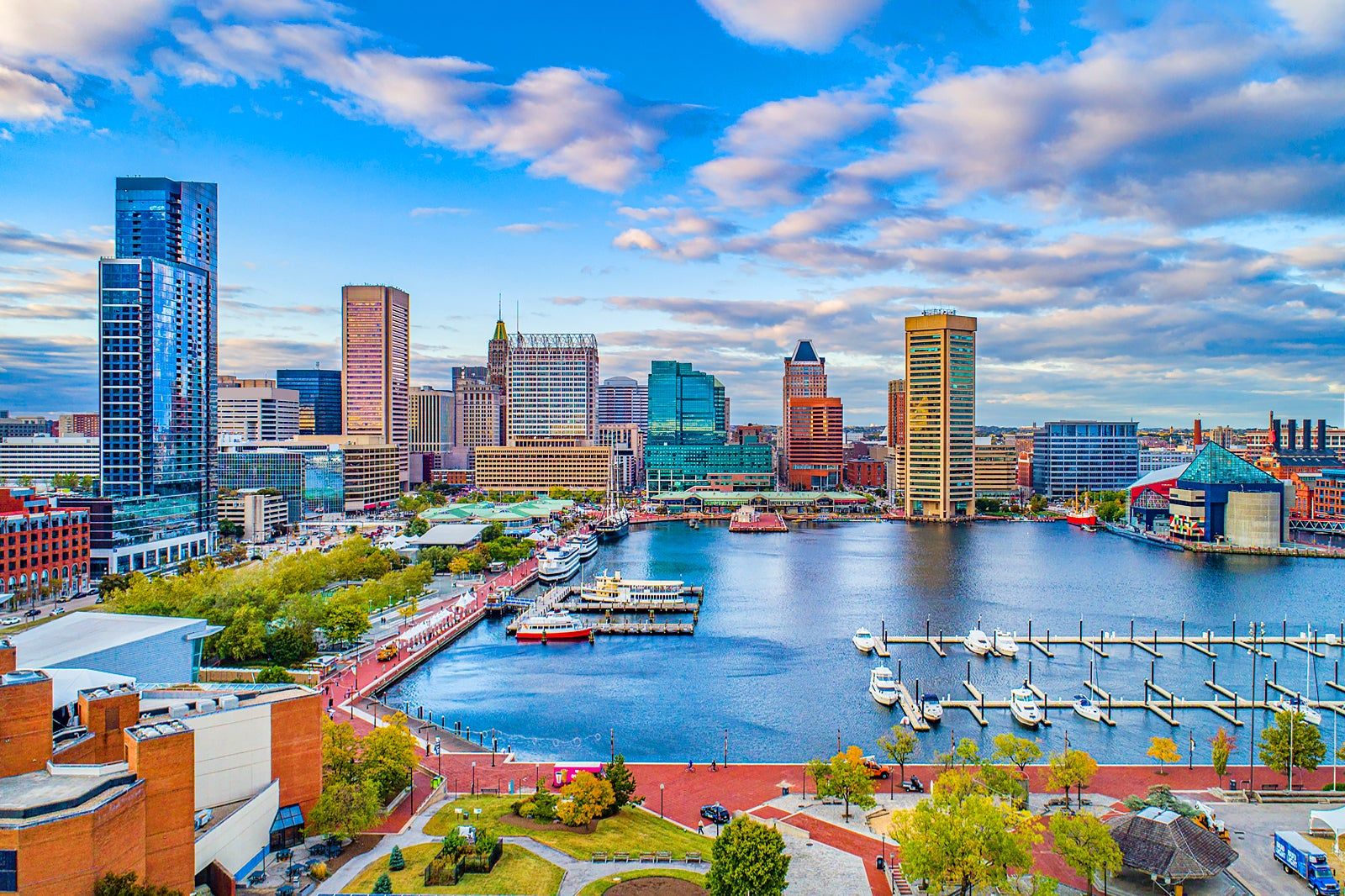
Baltimore serves as a key example. Once a thriving industrial city, it experienced economic decline in the late 20th century, leading to job loss, population decline, and increasing inequality. As industries moved or collapsed, many working-class residents were left without stable employment, exacerbating poverty.
The Rise of Suburban Growth
Suburban growth in Maryland accelerated after World War II, driven by factors such as economic prosperity, highway development, and government-supported homeownership. Suburbs became symbols of the “American Dream,” offering better housing, schools, and living conditions.

Over time, suburban areas in Maryland expanded rapidly, particularly in counties surrounding Washington, D.C., such as Montgomery and Prince George’s counties. These areas attracted middle- and upper-class families seeking improved quality of life.
However, suburban growth is not merely a story of prosperity. Sociological research shows that suburbanization is also linked to spatial inequality. Wealthier populations tend to concentrate in outer suburban areas, while disadvantaged groups often remain in urban cores or move into less affluent inner suburbs .
Suburbanization of Poverty
One of the most significant trends in recent decades is the suburbanization of poverty. Traditionally associated with inner cities, poverty has increasingly spread to suburban areas across the United States, including Maryland.
Studies indicate that over the past few decades, the number of poor people living in suburbs has grown faster than in cities . In fact, suburban areas now house a larger share of the poor population than urban centers. This shift challenges traditional assumptions about where poverty exists.
In Maryland, this trend is visible in older suburbs where economic decline, rising housing costs, and demographic changes have led to increasing poverty rates. These suburbs often lack the infrastructure and social services needed to support low-income populations, creating new forms of inequality.
Racial Segregation and Spatial Inequality
Racial segregation remains a central factor shaping urban inequality in Maryland. Despite legal advancements, residential segregation persists, influencing access to resources and opportunities.
Research from the Washington metropolitan area shows that African American populations are more likely to live in high-poverty urban neighborhoods, while white and Hispanic populations are more dispersed across suburban areas . This spatial distribution reflects ongoing structural inequalities in housing and employment.
Segregation has profound consequences. It limits access to quality education, healthcare, and employment opportunities, reinforcing cycles of poverty. Children growing up in segregated, high-poverty neighborhoods face significant disadvantages, including lower future earnings and limited upward mobility .
Economic Restructuring and Job Decentralization
Economic restructuring has played a crucial role in shaping urban inequality and suburban growth. The decline of manufacturing jobs in cities like Baltimore has been accompanied by the growth of service and technology sectors in suburban areas.
This shift has created a spatial mismatch between jobs and workers. As employment opportunities move to suburbs, urban residents—particularly those without access to reliable transportation—face barriers to employment. Studies show that job decentralization reduces access to economic opportunities for low-income urban populations .
Suburban areas, meanwhile, benefit from economic growth but also face new challenges as they absorb diverse populations, including immigrants and low-income families.
Housing Inequality and Affordability
Housing is a key dimension of urban inequality. In Maryland, disparities in housing affordability and quality reflect broader socio-economic inequalities.
Urban areas often experience shortages of affordable housing, forcing low-income residents into overcrowded or substandard conditions. At the same time, suburban housing markets—once accessible to middle-class families—have become increasingly expensive.
This has led to the displacement of low-income households from cities to suburbs, contributing to the suburbanization of poverty. However, suburban areas often lack affordable housing options and social services, creating new forms of vulnerability.
Education and Social Mobility
Education is a critical factor in social mobility, yet access to quality education is uneven across Maryland. Urban schools, particularly in high-poverty neighborhoods, often face underfunding and limited resources.
In contrast, suburban schools tend to have better funding, facilities, and outcomes. This disparity reinforces inequality, as children in urban areas have fewer opportunities to succeed academically and economically.

Research demonstrates that neighborhood conditions significantly influence life outcomes. For example, children growing up in disadvantaged urban areas face reduced earning potential compared to those in more affluent regions .
Health Inequalities and Access to Services
Health disparities are another dimension of urban inequality in Maryland. Access to healthcare services varies significantly between urban and suburban areas, as well as within different regions of the state.
Studies show that underserved areas, particularly in rural and economically disadvantaged regions of Maryland, experience higher mortality rates and limited access to healthcare facilities. These disparities are often linked to poverty and geographic isolation.
Urban areas may have more healthcare facilities, but access is often limited by cost, insurance coverage, and transportation barriers. Suburban areas, especially newer or rapidly growing ones, may lack adequate healthcare infrastructure.
Transportation and Spatial Mobility
Transportation plays a crucial role in shaping access to opportunities. In Maryland, transportation systems often prioritize suburban commuters, leaving urban residents with limited mobility.
Public transit systems are often underdeveloped in low-income areas, making it difficult for residents to access jobs, education, and healthcare. This reinforces spatial inequality and limits social mobility.
Suburban areas also face transportation challenges, particularly for low-income residents who may not have access to private vehicles. The lack of efficient public transit in suburbs exacerbates inequality.
Social Fragmentation and Community Change
Suburban growth has led to increasing diversity in many Maryland communities. Suburbs that were once predominantly white and middle-class are now more racially and economically diverse.
While this diversity can enrich communities, it also creates challenges. Rapid demographic changes can lead to social fragmentation, tensions, and unequal access to resources.
Sociologists note that suburban areas are becoming more heterogeneous, with a mix of affluent neighborhoods and areas experiencing economic decline. This reflects broader patterns of spatial inequality in the United States.
Policy Responses and Interventions
Addressing urban inequality and suburban growth requires comprehensive policy interventions. Key strategies include:
- Expanding affordable housing in both urban and suburban areas
- Improving public transportation systems
- Promoting inclusive zoning policies
- Investing in education and workforce development
- Addressing systemic racial discrimination
Programs like housing mobility initiatives have shown promise in reducing inequality by enabling low-income families to move to better neighborhoods. Such programs can improve educational outcomes, health, and overall quality of life.
Theoretical Perspectives
Several sociological theories help explain urban inequality and suburban growth:
1. Urban Political Economy
This perspective emphasizes the role of capitalism and state policies in shaping urban development. It highlights how economic interests influence spatial inequality.
2. Spatial Assimilation Theory
This theory suggests that minority groups move to suburban areas as they achieve economic success. However, persistent segregation challenges this assumption.
3. New Urban Sociology
This approach focuses on the impact of globalization, economic restructuring, and social inequality on urban spaces.
4. Social Exclusion Theory
This framework examines how certain groups are systematically excluded from access to resources and opportunities.
Future Trends and Challenges
Looking ahead, Maryland faces several challenges related to urban inequality and suburban growth:
- Increasing housing costs and affordability crises
- Climate change and environmental inequality
- Continued racial and economic segregation
- Strain on suburban infrastructure and services
At the same time, there are opportunities for creating more equitable and sustainable communities through innovative policies and community engagement.
Conclusion
Urban inequality and suburban growth in Maryland are deeply interconnected processes shaped by historical, economic, and social forces. While suburban expansion has created opportunities for many, it has also contributed to new forms of inequality and spatial segregation.
From a sociological perspective, these dynamics highlight the importance of addressing structural inequalities and promoting inclusive development. By understanding the complex relationship between urban and suburban spaces, policymakers and communities can work towards creating a more just and equitable society.
Ultimately, the case of Maryland illustrates a broader trend in contemporary society: inequality is no longer confined to cities but is increasingly regional in scope. Addressing it requires a holistic approach that considers the interconnected nature of urban and suburban life.
FAQs on Suburban Growth in Maryland
1. What is suburban growth in Maryland?
Suburban growth in Maryland refers to the expansion of residential, commercial, and infrastructural development in areas surrounding major cities like Baltimore and Washington, D.C., leading to demographic and spatial changes.
2. What are the main causes of suburban growth in Maryland?
Key causes include population increase, better housing opportunities, highway development, job decentralization, and the search for improved quality of life.
3. How does suburban growth in Maryland affect urban inequality?
Suburban growth often shifts resources and opportunities away from cities, contributing to economic disparities and reinforcing urban inequality.
4. Is suburban growth in Maryland increasing poverty in suburbs?
Yes, suburban growth in Maryland has contributed to the suburbanization of poverty, where low-income populations are increasingly settling in suburban areas.
5. What role does housing play in suburban growth in Maryland?
Housing availability and affordability are major drivers, as people move to suburbs seeking larger, more affordable homes compared to urban centers.
6. How does suburban growth in Maryland impact transportation?
It increases reliance on private vehicles and creates challenges for public transportation systems, especially for low-income residents.
7. Does suburban growth in Maryland reduce racial segregation?
While it can increase diversity, suburban growth in Maryland often still reflects patterns of racial segregation due to historical and structural inequalities.
8. What are the economic effects of suburban growth in Maryland?
It promotes economic development in suburban areas but may also lead to uneven distribution of jobs and income across regions.
9. How does suburban growth in Maryland influence education systems?
Suburban schools often receive better funding and resources, widening the educational gap between urban and suburban areas.
10. What environmental issues are linked to suburban growth in Maryland?
Urban sprawl, increased carbon emissions, loss of green spaces, and pressure on natural resources are key environmental concerns.
11. How does suburban growth in Maryland affect social mobility?
It can improve opportunities for some but also create barriers for disadvantaged groups due to spatial inequality.
12. What is the relationship between suburban growth in Maryland and gentrification?
As suburbs expand and become desirable, rising property values can displace lower-income residents, similar to urban gentrification.
13. Are suburbs in Maryland becoming more diverse?
Yes, suburban growth in Maryland has led to increasing racial, ethnic, and economic diversity in many suburban communities.
14. What policy measures can manage suburban growth in Maryland?
Policies include inclusive zoning, affordable housing programs, improved public transport, and regional planning strategies.
15. What is the future of suburban growth in Maryland?
Suburban growth in Maryland is expected to continue, but with increasing focus on sustainability, equity, and smart urban planning.