Introduction on Social Structure in Alaska
Alaska occupies a unique position in the social geography of the United States. Vast in size, sparsely populated, climatically extreme, and culturally diverse, it presents a distinctive setting for sociological analysis. Migration, isolation, and social structure intersect in Alaska in ways rarely seen elsewhere in America. Unlike typical urban or suburban societies shaped by dense populations and constant mobility, Alaskan society is deeply influenced by geographical remoteness, seasonal movement, and historical patterns of settlement. These factors together shape social relationships, community life, inequality, and identity formation.
From Indigenous communities that have lived in the region for thousands of years to modern migrants drawn by economic opportunity, Alaska’s population reflects layers of movement and adaptation. Yet migration into Alaska often brings individuals into environments marked by physical isolation and limited institutional infrastructure. This combination of migration and isolation has profound consequences for social structure, affecting family systems, economic stratification, political participation, and social cohesion. This article explores these themes from a sociological perspective, examining how Alaska’s social reality challenges conventional models of American society.
Historical Roots of Migration in Alaska
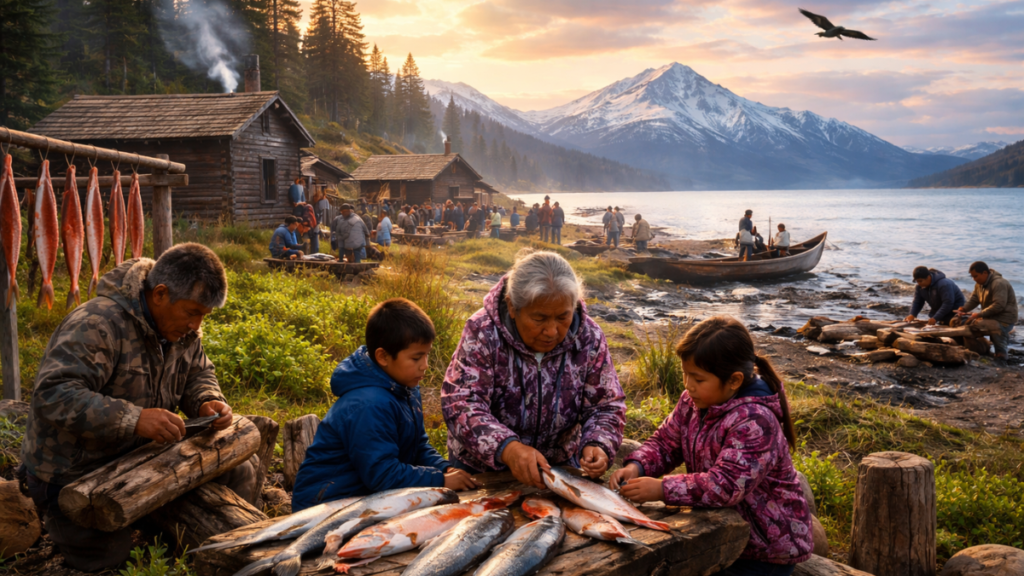
Migration to Alaska has never followed a simple or uniform pattern. Historically, the region was home to Indigenous peoples such as the Inupiat, Yupik, Aleut, Tlingit, Haida, and Athabaskan groups. Their migration patterns were largely seasonal and ecological, shaped by subsistence needs, climate, and spiritual traditions. These movements were not signs of instability but integral to a well-organized social system rooted in kinship and environmental knowledge.
The arrival of Russian traders in the eighteenth century marked the beginning of colonial migration, followed later by American expansion after the U.S. purchased Alaska in 1867. The Gold Rush of the late nineteenth century introduced a new form of migration characterized by temporary settlement, male-dominated populations, and economic opportunism. Many migrants viewed Alaska not as a permanent home but as a frontier space for extraction and profit.
In the twentieth century, military installations, oil discovery, and statehood accelerated migration from the lower 48 states. This created a socially diverse but fragmented population. Sociologically, such migration patterns fostered weak community ties, high population turnover, and limited intergenerational continuity in many regions.
Migration and the Frontier Social Mentality
Alaska’s migration history has contributed to what sociologists describe as a “frontier mentality.” Migrants often arrive with expectations of independence, self-reliance, and freedom from bureaucratic control. This ethos shapes social behavior and attitudes toward authority, welfare, and community responsibility.
However, this mentality also creates tension. While self-reliance is celebrated, the harsh environment demands cooperation for survival. This contradiction produces a social structure in which informal networks, neighborly assistance, and mutual aid coexist with strong individualism. Migrants who fail to adapt socially or psychologically often leave, reinforcing a selective population process known as “survivor migration.”
Geographic Isolation and Its Social Consequences
Isolation is perhaps the most defining feature of Alaskan society. Many communities are accessible only by air or water, with limited roads connecting them to urban centers. Geographic isolation translates into social isolation, influencing nearly every aspect of daily life.
Social interaction in isolated communities tends to be intense rather than extensive. Individuals interact with the same small group repeatedly, increasing social visibility and accountability. While this can strengthen trust and collective identity, it can also amplify conflict, gossip, and social pressure. Deviance is more noticeable, and privacy is limited.
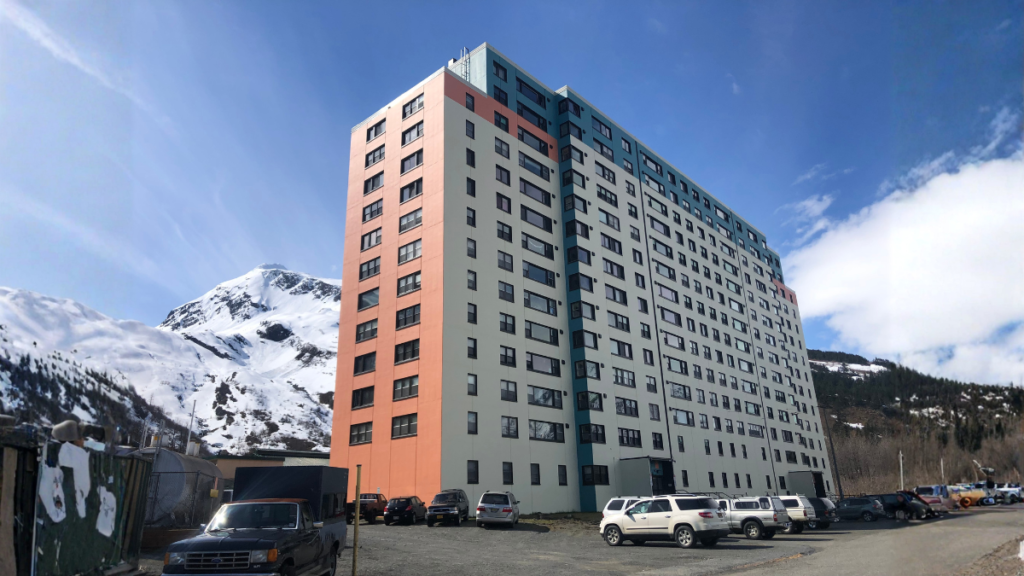
Isolation also restricts access to education, healthcare, and employment opportunities. Sociologically, this creates structural inequalities between urban centers like Anchorage and remote villages. These inequalities are not merely economic but social, shaping life chances, aspirations, and patterns of mobility.
Social Structure in Rural and Urban Alaska
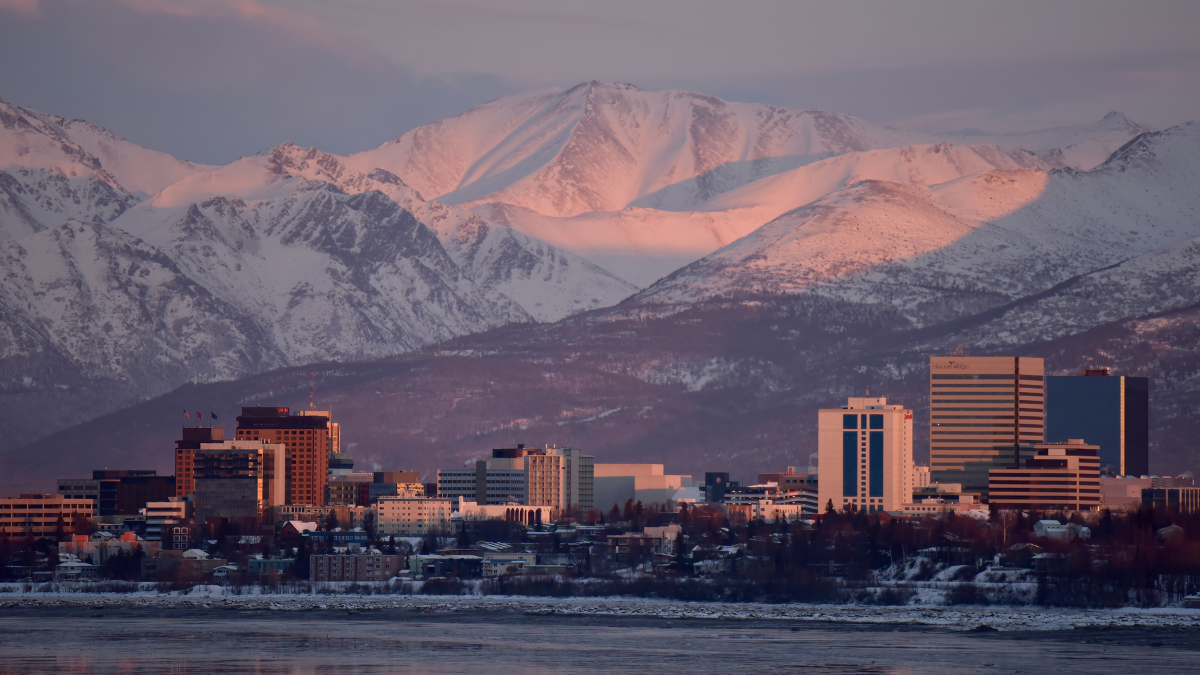
Alaska’s social structure is highly uneven. Urban areas such as Anchorage, Fairbanks, and Juneau resemble small metropolitan societies with diverse occupations, ethnic groups, and institutions. In contrast, rural villages often rely on subsistence economies, extended family networks, and local governance systems.
In rural Indigenous communities, social structure is deeply embedded in kinship and tradition. Elders hold moral authority, and communal values emphasize sharing and collective survival. These structures have historically provided social stability, but they have been disrupted by colonization, boarding schools, and economic marginalization.
Urban social structure, on the other hand, reflects class stratification based on employment in government, oil, tourism, and military sectors. Migrants with professional skills often occupy higher social positions, while Indigenous populations and recent migrants may face systemic disadvantages.
Family, Kinship, and Community Life
Family structures in Alaska vary widely depending on geography and culture. In many Indigenous communities, extended family households remain common, reinforcing interdependence and shared responsibility. These kinship systems function as social safety nets, particularly in the absence of strong state institutions.
Among migrant populations, family life is often shaped by economic uncertainty and seasonal work. Long periods of separation due to fishing, oil work, or military service place strain on relationships. High rates of divorce, domestic conflict, and single-parent households are sociologically linked to these structural pressures rather than individual failure.
Community life in Alaska tends to be localized and pragmatic. Social bonds are often formed through shared labor, environmental challenges, and mutual reliance rather than formal organizations. This gives Alaskan communities a functional rather than symbolic cohesion.
Migration, Mental Health, and Social Isolation
One of the most critical sociological issues in Alaska is the relationship between isolation and mental health. Migration to Alaska is often idealized as an escape or fresh start, but the reality of isolation can intensify loneliness, depression, and substance abuse.
High rates of suicide, alcoholism, and domestic violence in certain regions reflect structural conditions rather than cultural deficiencies. Sociologists emphasize that isolation, limited services, historical trauma, and economic stress interact to produce these outcomes.
For Indigenous communities, the legacy of forced migration, cultural suppression, and loss of land exacerbates social disintegration. Addressing these issues requires structural solutions that respect cultural autonomy and strengthen community-based institutions.
Economic Structure and Migration Patterns
Alaska’s economy is heavily dependent on resource extraction, particularly oil, fishing, and mining. These industries encourage cyclical migration, with workers arriving temporarily and leaving once contracts end. This pattern undermines long-term community investment and weakens social cohesion.
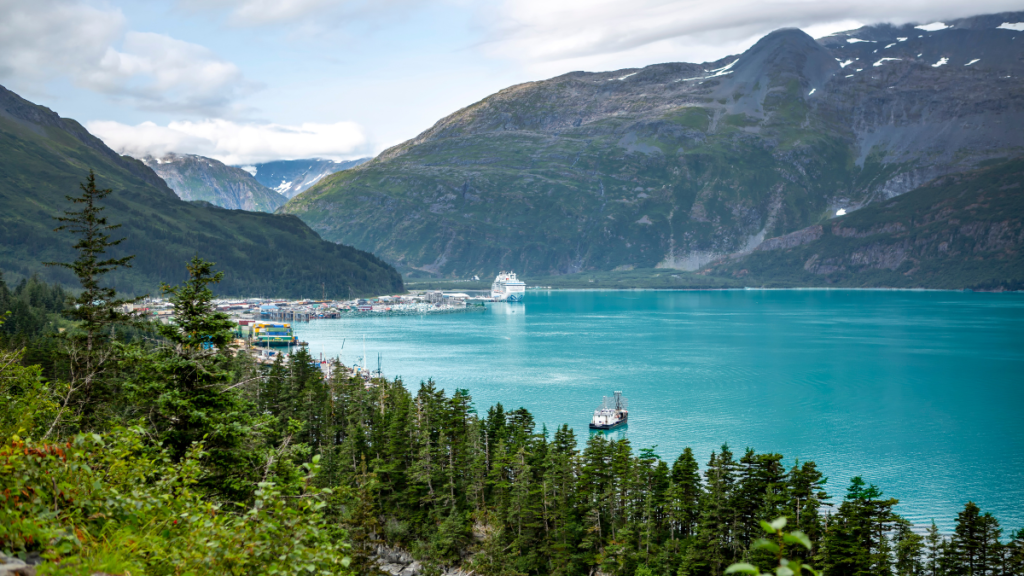
Economic inequality is pronounced. While some migrants earn high incomes in oil and government sectors, others struggle with unemployment and underemployment. Cost of living remains high, particularly in remote areas, further stratifying society.
Subsistence activities continue to play a crucial role in rural social structure, providing not only food but cultural meaning and social solidarity. However, environmental change and regulatory policies increasingly threaten these practices.
Political Participation and Social Power
Isolation shapes political life in Alaska as well. Voter participation varies significantly between regions, often reflecting access to information and transportation. Indigenous communities have historically been underrepresented in political decision-making, though recent movements emphasize self-governance and sovereignty.
Social Structure in Alaska is often informal. Community leaders, elders, and long-term residents wield influence based on trust and experience rather than official authority. This challenges conventional models of bureaucratic governance and highlights the importance of localized social capital.
Changing Social Dynamics in Contemporary Alaska
Modern technology is gradually transforming Social Structure in Alaska. Internet access, social media, and remote work opportunities are reducing some aspects of isolation, allowing migrants to maintain ties with the outside world. However, digital connectivity does not eliminate structural inequalities and may even deepen generational divides.
Climate change is also reshaping migration and social organization. Melting permafrost, coastal erosion, and changing wildlife patterns force some communities to relocate, creating new forms of displacement and social disruption.
These changes raise important sociological questions about resilience, adaptation, and the future of social life in Alaska.
Conclusion on Social Structure in Alaska
Migration, isolation, and social structure in Alaska are deeply interconnected. Migration brings diversity and economic opportunity but often reinforces instability and weak institutional development. Isolation fosters strong local bonds while simultaneously limiting access to resources and services. Together, these forces produce a complex social structure that defies simple classification.
From a sociological perspective on Social Structure in Alaska, It challenges mainstream theories developed in densely populated societies. It demonstrates how geography, history, and environment shape social life in profound ways. Understanding Alaska requires moving beyond individual explanations to examine structural conditions, cultural resilience, and collective adaptation.
As Alaska continues to face economic shifts, climate change, and evolving migration patterns, sociological insight will remain essential for building policies and institutions that respect its unique social fabric while promoting equity and well-being.
FAQs on Social Structure in Alaska
1. What is meant by Social Structure in Alaska?
Social Structure in Alaska refers to the organized patterns of social relationships shaped by migration, geographic isolation, Indigenous traditions, and economic activities such as oil extraction and subsistence living.
2. How does geographic isolation influence Social Structure in Alaska?
Geographic isolation limits mobility and access to services, leading to tightly knit communities, strong informal social control, and high dependence on kinship and local networks.
3. How has migration shaped the Social Structure in Alaska?
Migration has created a socially diverse but unstable population, with many temporary residents, weak long-term institutions, and uneven community integration.
4. What role do Indigenous communities play in Alaska’s social structure?
Indigenous communities form the foundational social structure in Alaska, emphasizing kinship, collective responsibility, subsistence economies, and elder authority.
5. How does rural Social Structure in Alaska differ from urban areas?
Rural areas rely on extended families and communal life, while urban centers show greater class stratification, occupational diversity, and institutional organization.
6. Is Social Structure in Alaska more individualistic or collective?
It reflects a mix of both—strong individualism among migrants alongside collective cooperation necessary for survival in harsh environments.
7. How does economic inequality affect Social Structure in Alaska?
Economic inequality creates social stratification between high-income resource workers and marginalized rural or Indigenous populations, shaping unequal life chances.
8. What impact does isolation have on social relationships in Alaska?
Isolation intensifies social interactions, increasing mutual dependence but also conflict, social pressure, and limited privacy.
9. How are family structures shaped by Social Structure in Alaska?
Family structures vary widely, with extended families common in Indigenous areas and fragmented or single-parent households more prevalent among migrant populations.
10. What is the connection between Social Structure in Alaska and mental health?
Social isolation, migration stress, and weak institutional support contribute to higher risks of substance abuse, depression, and suicide.
11. How does subsistence living influence Alaska’s social structure?
Subsistence activities reinforce cooperation, cultural continuity, and social solidarity, especially in rural Indigenous communities.
12. What role does climate change play in changing Social Structure in Alaska?
Climate change forces community relocation, disrupts subsistence practices, and reshapes migration patterns, altering long-standing social systems.
13. How does political participation reflect Social Structure in Alaska?
Political participation varies by region, with informal leadership and community influence often more powerful than formal political institutions.
14. Does technology reduce isolation in Alaska’s social structure?
Technology reduces communication barriers but does not fully eliminate structural inequalities or geographic isolation.
15. Why is Social Structure in Alaska sociologically unique?
Because it is shaped by extreme geography, seasonal migration, Indigenous traditions, and limited infrastructure, making it distinct from mainstream American society.