Introduction
For much of the twentieth century, American society was often portrayed as a network of strong communities—neighborhoods where people knew one another, civic organizations flourished, families were stable, and shared norms guided everyday life. In recent decades, however, sociologists, policymakers, and ordinary citizens have increasingly raised a troubling question: are American communities breaking down? Rising loneliness, declining trust, political polarization, weakening civic participation, and social fragmentation have fueled this concern.
From a sociological perspective, the idea of community breakdown does not mean that communities have disappeared altogether. Rather, it suggests that the nature, structure, and quality of social relationships within American society are undergoing significant transformation.
This article examines whether American communities are truly breaking down by analyzing social cohesion, institutions, economic change, technology, race and inequality, and the future of community life in the United States.
Understanding “Community” in Sociology
In sociology, a community is more than a physical location. It refers to a group of people connected through shared social ties, norms, values, and a sense of belonging. Classical sociologists such as Ferdinand Tönnies distinguished between Gemeinschaft (community based on close personal relationships) and Gesellschaft (society based on impersonal, contractual relations). Early American communities were often closer to the Gemeinschaft model, especially in small towns and urban neighborhoods.
Modern American society, however, increasingly reflects Gesellschaft characteristics. Relationships are more formal, temporary, and individualistic. While this shift does not automatically imply decline, it raises questions about social solidarity, mutual support, and collective responsibility—key foundations of community life.
Decline of Social Capital and Civic Engagement
One of the strongest sociological arguments supporting the idea of community breakdown is the decline of social capital. Social capital refers to the networks, trust, and norms that enable individuals to cooperate for mutual benefit. Sociologist Robert Putnam famously argued that Americans are “bowling alone,” meaning they participate less in group activities even if they remain socially active in isolation.
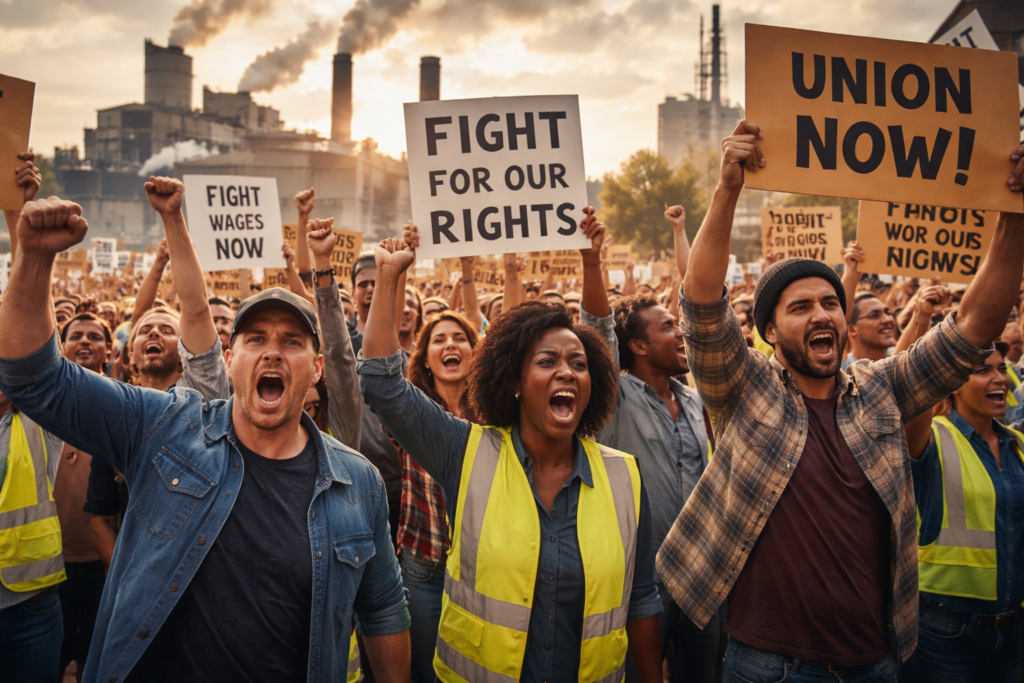
Membership in traditional civic institutions such as labor unions, religious organizations, neighborhood associations, and volunteer groups has declined significantly. Fewer Americans attend town meetings, join local clubs, or engage in collective problem-solving. This erosion weakens informal social control, trust among neighbors, and a shared sense of purpose.
When civic engagement declines, communities lose their capacity to respond collectively to social problems. People become more dependent on formal institutions or isolated individual efforts, further weakening community bonds.
Economic Restructuring and Community Instability
Economic change has played a crucial role in reshaping American communities. Deindustrialization, automation, and globalization have led to job losses in manufacturing regions, especially in small towns and inner-city areas. When factories close or wages stagnate, communities experience population decline, family stress, and reduced public investment.
Economic insecurity undermines community stability in several ways. Families are forced to relocate frequently in search of work, disrupting long-term social ties. Local businesses close, public spaces deteriorate, and schools suffer from underfunding. Over time, these changes create environments marked by frustration, resentment, and social withdrawal.
At the same time, economic inequality has widened. Wealthier communities can maintain strong institutions and services, while poorer areas face concentrated disadvantage. This uneven development leads to fragmented communities rather than a shared national social fabric.
Family Change and Shifting Social Bonds
The transformation of the family is another key sociological factor. Traditional nuclear family structures have declined, while single-parent households, cohabitation, and delayed marriage have increased. These changes reflect broader social freedoms and gender equality, but they also affect community life.
Families historically served as bridges between individuals and the wider community—connecting schools, religious institutions, and neighborhoods. As family structures become more diverse and unstable due to economic stress, community participation often declines. Parents working multiple jobs have less time for local involvement, and children may grow up with fewer intergenerational connections.

This does not mean that new family forms are inherently weaker, but it does suggest that supportive community institutions have not fully adapted to these changes, leaving many families socially isolated.
Urbanization, Suburbanization, and Social Isolation
Urban sociology reveals another paradox. Cities bring people physically closer together, yet social distance often increases. In dense urban environments, interactions are frequently brief, anonymous, and transactional. Neighbors may live side by side for years without meaningful relationships.
Suburbanization has also reshaped community life. While suburbs were once idealized as community-oriented spaces, many are characterized by long commutes, car-dependent lifestyles, and limited public interaction. Gated communities and privatized spaces further reduce opportunities for spontaneous social contact.
The design of physical space plays a crucial role in shaping social interaction. When public spaces such as parks, libraries, and community centers decline, social life becomes increasingly privatized, contributing to community fragmentation.
Technology, Social Media, and Virtual Communities
Digital technology has fundamentally altered how Americans interact. Social media platforms, online forums, and messaging apps allow people to maintain relationships across vast distances. In this sense, community has not disappeared—it has shifted from physical to virtual spaces.
However, sociologists argue that online interaction often lacks the depth, accountability, and emotional richness of face-to-face relationships. Virtual communities may reinforce existing beliefs rather than encourage diverse interaction, contributing to polarization and social division.
Moreover, heavy reliance on digital communication can reduce participation in local community life. When people seek support, entertainment, and identity online, local institutions may become less relevant, weakening place-based communities.
Political Polarization and Erosion of Trust
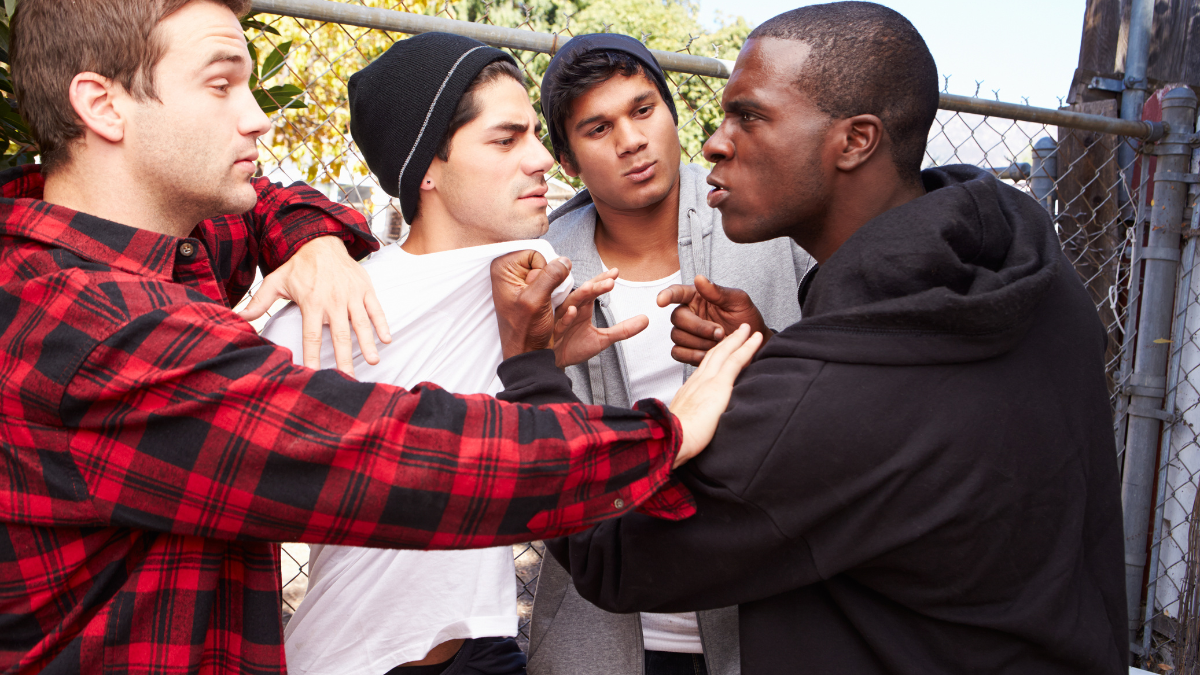
Political polarization has emerged as one of the most visible signs of community strain in America. Increasing ideological division has transformed neighbors into adversaries and weakened shared civic identity. Sociological research shows that trust in institutions, media, and even fellow citizens has declined sharply.
When political identity becomes central to social identity, communities fragment along partisan lines. Schools, religious organizations, and even families experience conflict, reducing cooperation and dialogue. This erosion of trust undermines social cohesion, making collective action more difficult.
Communities thrive on shared norms and mutual respect. Persistent polarization disrupts these foundations, encouraging withdrawal rather than engagement.
Race, Inequality, and Segmented Communities
American communities have long been shaped by race and ethnicity. Residential segregation, historical discrimination, and unequal access to resources have produced segmented communities with vastly different life chances. While legal segregation has ended, de facto segregation remains strong in housing, education, and employment.

Marginalized communities often demonstrate strong internal bonds as a survival strategy, yet they face external exclusion and limited institutional support. Meanwhile, privileged communities may remain socially cohesive but disconnected from broader social realities.
This unequal community experience challenges the idea of a unified national community and contributes to perceptions of breakdown at the societal level.
Are Communities Breaking Down or Transforming?
From a sociological standpoint, it is important to distinguish between decline and transformation. American communities are not simply collapsing; they are changing in response to economic, technological, and cultural shifts. Traditional forms of community may be weakening, but new forms—based on identity, interest, and digital connection—are emerging.
However, these new communities often lack the capacity to provide material support, social regulation, and collective problem-solving at the local level. The challenge is not the absence of community, but the misalignment between social needs and existing forms of connection.
Rebuilding Community in Contemporary America
Sociologists emphasize that community rebuilding requires both structural and cultural change. Economic stability, inclusive institutions, and accessible public spaces are essential foundations. Equally important is fostering a culture of trust, participation, and shared responsibility.
Education systems, local governments, and civil society organizations can play a crucial role in revitalizing community life. Encouraging dialogue across differences, supporting local initiatives, and designing spaces that promote interaction can strengthen social bonds.
Community resilience depends not on nostalgia for the past, but on adapting social institutions to contemporary realities.
Conclusion
So, are American communities breaking down? Sociological analysis suggests a complex answer. Traditional, place-based communities have undeniably weakened due to economic restructuring, technological change, social inequality, and political polarization. Social trust and civic engagement have declined, creating widespread concern about isolation and fragmentation.
Yet community has not vanished. It has transformed, often in ways that are less visible and less effective in meeting collective needs. The real challenge facing American society is reconnecting individuals to meaningful, inclusive, and supportive forms of community in an era of rapid change.
Understanding community breakdown as a social process—rather than a moral failure—allows sociologists and policymakers to imagine pathways toward renewal. The future of American communities will depend on how society balances individual freedom with collective responsibility in an increasingly complex world.
Frequently Asked Questions (FAQs) on American Communities
1. What are American communities in sociological terms?
American communities refer to groups of people connected by social relationships, shared norms, institutions, and a sense of belonging within the United States.
2. Why do sociologists say American communities are breaking down?
Sociologists point to declining social trust, weakened civic engagement, economic inequality, and reduced face-to-face interaction as signs of stress in American communities.
3. Are American communities disappearing or just changing?
American communities are not disappearing; they are transforming due to technological, economic, and cultural shifts that alter how people connect and interact.
4. How has technology affected American communities?
Technology has shifted American communities toward virtual spaces, reducing local interaction while increasing online connections that may lack deep social bonds.
5. What role does social capital play in American communities?
Social capital strengthens American communities by promoting trust, cooperation, and collective action among individuals and institutions.
6. How does economic inequality impact American communities?
Economic inequality fragments American communities by creating unequal access to education, housing, healthcare, and community resources.
7. Are rural American communities facing more decline than urban ones?
Many rural American communities face population loss and economic decline, while urban communities struggle with anonymity, inequality, and social isolation.
8. How has political polarization affected American communities?
Political polarization has divided American communities by weakening shared values, reducing trust, and increasing social conflict among neighbors.
9. Do family changes weaken American communities?
Changing family structures can weaken American communities when economic stress and time constraints reduce local involvement and social interaction.
10. What is the role of race in shaping American communities?
Race has historically shaped American communities through segregation, inequality, and unequal access to social and economic opportunities.
11. Are online groups replacing traditional American communities?
Online groups supplement but do not fully replace American communities because they often lack local support systems and collective responsibility.
12. Why is civic participation declining in American communities?
Civic participation is declining due to busy lifestyles, distrust in institutions, individualism, and reduced emphasis on collective engagement.
13. Can American communities be rebuilt?
Yes, American communities can be strengthened through inclusive policies, economic stability, community spaces, and renewed civic participation.
14. How do schools and local institutions support American communities?
Schools and local institutions act as social hubs that connect families, transmit values, and reinforce cooperation within American communities.
15. What is the future of American communities?
The future of American communities depends on balancing technological change with human connection, social equality, and shared civic responsibility.