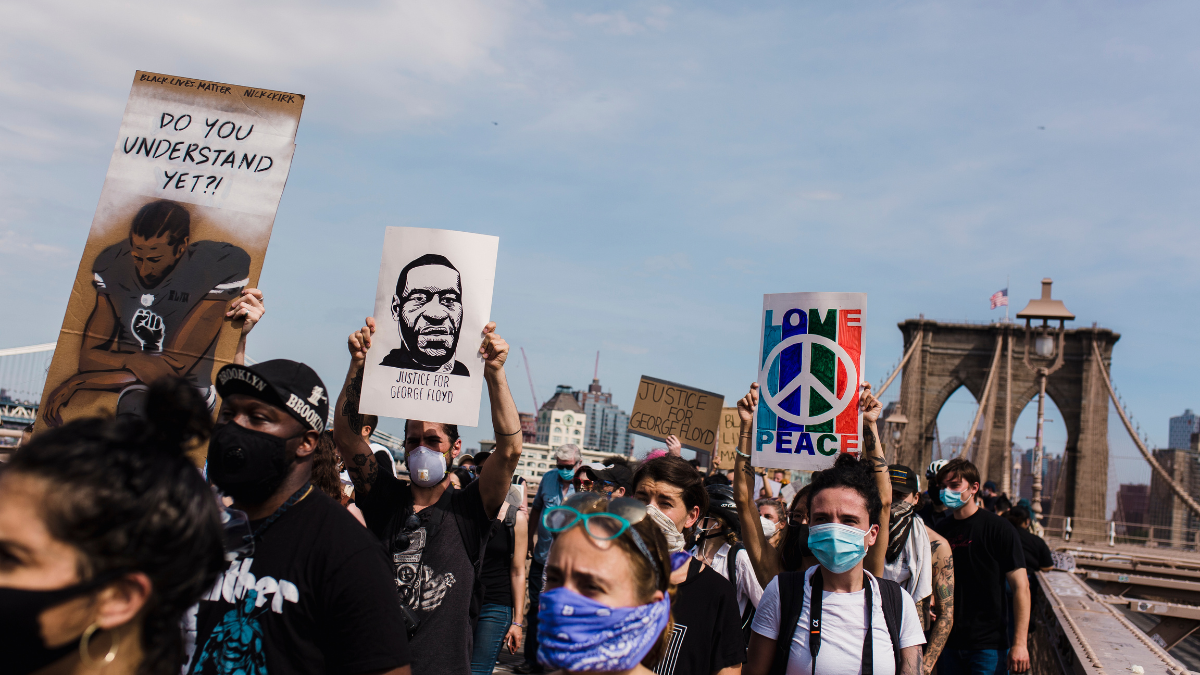
Urban violence has long been a persistent and deeply troubling feature of many American cities. From gang conflicts and gun-related crimes to riots and everyday street violence, urban spaces often reflect intense social tensions and structural inequalities. Sociologists argue that urban violence cannot be understood merely as a result of individual criminal behavior. Instead, it must be analyzed within the broader framework of social organization, community stability, economic inequality, and institutional effectiveness. One of the most influential frameworks for understanding this phenomenon is social disorganization theory, which explains how the breakdown of social institutions and community networks contributes to high levels of crime and violence in urban settings.
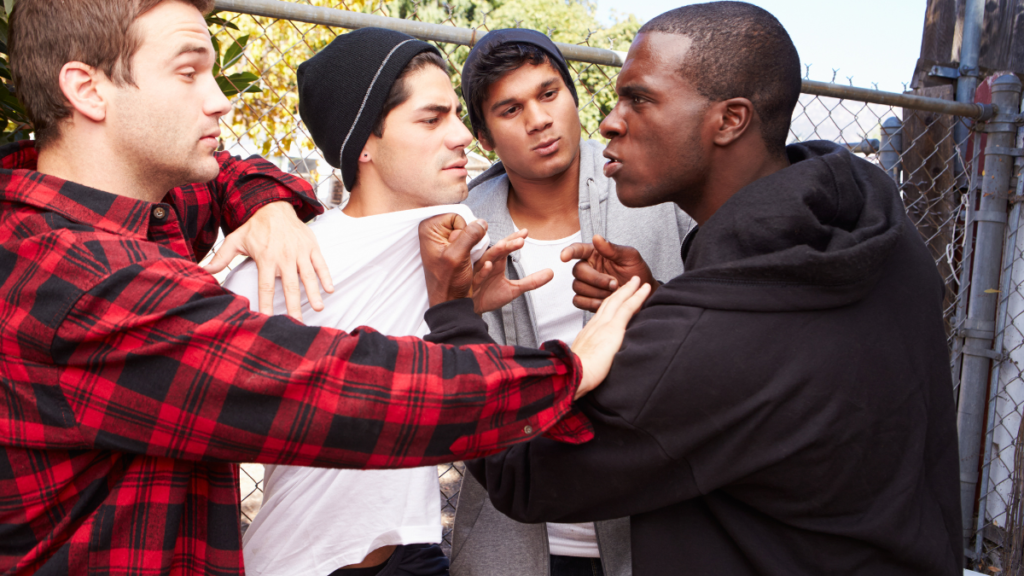
In the context of the United States, urban violence is closely tied to historical patterns of industrialization, racial segregation, migration, and uneven development. This article explores urban violence in America through the lens of social disorganization, examining its causes, patterns, and consequences while highlighting the relevance of sociological theory in understanding contemporary urban crises.
Understanding Urban Violence
Urban violence refers to violent acts that occur primarily within city environments, including homicide, assault, robbery, gang warfare, and armed conflicts between social groups. Unlike rural violence, urban violence is often concentrated in specific neighborhoods and disproportionately affects marginalized populations. Sociologists emphasize that these patterns are not random; they are shaped by social structures, economic conditions, and spatial inequalities.
Urban violence in America gained widespread attention during the late twentieth century, particularly in cities experiencing deindustrialization, rising unemployment, and demographic shifts. Violence became both a symptom and a consequence of broader social breakdowns, reinforcing cycles of fear, segregation, and poverty.
Social Disorganization Theory: Origins and Core Ideas
Social disorganization theory emerged from the early twentieth-century work of sociologists associated with the Chicago School. Scholars such as Robert Park, Clifford Shaw, and Henry McKay sought to explain why crime and violence were concentrated in certain urban neighborhoods regardless of the ethnic groups living there.
The central argument of social disorganization theory is that crime flourishes in communities where social institutions—such as family, schools, local government, and informal social networks—are weak or disrupted. When a neighborhood lacks cohesion, shared norms, and effective social control, residents are less able to regulate behavior or intervene to prevent violence.
Rather than blaming individuals, this theory shifts attention to structural conditions such as poverty, residential instability, and ethnic heterogeneity, which undermine collective life in urban areas.
Urbanization and the Breakdown of Community Life
Rapid urbanization has played a significant role in shaping social disorganization in American cities. Industrial growth initially attracted large populations to urban centers, but unplanned expansion often produced overcrowded housing, poor sanitation, and inadequate public services. These conditions weakened traditional forms of social regulation and increased anonymity among residents.
In many urban neighborhoods, frequent population turnover reduces long-term social bonds. When residents do not know one another or expect to remain in the community, informal social control—such as neighbors watching out for children or intervening in disputes—declines. This lack of collective responsibility creates an environment in which violent behavior can emerge and persist.
Urban violence, from this perspective, is not simply a personal choice but a reflection of weakened community structures.
Poverty, Inequality, and Structural Marginalization
Economic inequality is a critical factor linking urban violence to social disorganization in America. Many high-crime neighborhoods are characterized by concentrated poverty, limited employment opportunities, and inadequate access to quality education and healthcare. These conditions generate frustration, stress, and a sense of exclusion from mainstream society.
Sociologists argue that when legitimate means of achieving success are blocked, individuals—particularly young people—may turn to illegal or violent alternatives. However, social disorganization theory emphasizes that it is not poverty alone that produces violence, but poverty combined with institutional neglect and social fragmentation.
Persistent inequality also erodes trust in social institutions such as the police, courts, and schools. When residents perceive these institutions as ineffective or biased, informal mechanisms of social control weaken further, increasing the likelihood of violence.
Race, Segregation, and Urban Violence
Racial segregation has been a defining feature of American urban life and a major contributor to social disorganization. Historical policies such as redlining, discriminatory housing practices, and unequal access to resources have confined many racial minorities to disadvantaged neighborhoods.
Segregation intensifies social isolation by limiting interaction with broader economic and social networks. In segregated urban spaces, communities often face underfunded schools, limited job opportunities, and aggressive policing strategies. These conditions not only heighten the risk of violence but also normalize it as part of everyday life.

From a sociological standpoint, urban violence in racially segregated neighborhoods is a predictable outcome of long-term structural exclusion rather than an inherent characteristic of any group.
Gangs and Alternative Social Structures
In socially disorganized neighborhoods, gangs often emerge as alternative forms of social organization. While commonly viewed solely as criminal entities, sociologists note that gangs can provide identity, protection, and economic opportunity in environments where mainstream institutions fail.
Gangs develop their own norms, rules, and systems of authority, which may conflict with legal and moral standards of wider society. Violence becomes a means of maintaining status, resolving disputes, and defending territory. In this way, urban violence is embedded within informal social structures that arise in response to institutional absence.
Social disorganization theory helps explain why gang violence is geographically concentrated and resistant to simple law-enforcement solutions.
The Role of Policing and Criminal Justice
Policing strategies play a complex role in shaping urban violence. Heavy-handed or discriminatory policing can deepen mistrust between residents and authorities, further weakening social cohesion. When communities view the criminal justice system as illegitimate, cooperation declines, making crime prevention more difficult.
Mass incarceration has also contributed to social disorganization by disrupting family structures and removing large numbers of working-age adults from communities. Sociologists argue that incarceration, rather than stabilizing neighborhoods, often exacerbates instability and violence upon reentry.
Effective crime reduction, from a sociological perspective, requires rebuilding trust and strengthening community institutions rather than relying solely on punitive measures.
Cultural Transmission of Violence
Social disorganization theory also highlights the cultural dimensions of urban violence. In neighborhoods with long histories of crime and instability, violent norms and behaviors can be transmitted across generations. Children growing up in such environments may come to view violence as a normal or necessary response to conflict.
This cultural transmission does not occur in isolation; it is reinforced by structural conditions such as poverty, discrimination, and lack of opportunity. Urban violence thus becomes both a social and cultural phenomenon shaped by collective experiences.
Consequences of Urban Violence
The impact of urban violence extends beyond immediate physical harm. It undermines community trust, discourages economic investment, and reinforces patterns of residential segregation. Fear of violence alters daily behavior, limiting social interaction and weakening public life.
For young people, exposure to violence is associated with trauma, reduced educational attainment, and long-term mental health challenges. At the societal level, urban violence perpetuates inequality and challenges democratic ideals of safety and equal opportunity.
Toward Social Reorganization and Prevention
Sociologists argue that addressing urban violence in America requires strategies that promote social reorganization rather than mere crime control. Strengthening local institutions, improving housing stability, expanding economic opportunities, and investing in education are central to reducing violence.
Community-based programs that encourage resident participation and collective problem-solving can rebuild informal social control. When neighborhoods regain a sense of shared responsibility and trust, violence becomes less likely.
Social disorganization theory reminds us that urban violence is not inevitable. It is the result of specific social conditions that can be changed through informed policy and collective action.
Conclusion
Urban violence in America is a complex social problem rooted in structural inequality, community breakdown, and institutional failure. Through the lens of social disorganization theory, violence is understood not as individual deviance but as a collective outcome of weakened social bonds and neglected urban environments.
A sociological approach highlights the importance of rebuilding communities, addressing inequality, and strengthening social institutions. Only by confronting the underlying causes of social disorganization can American cities move toward safer, more cohesive urban life.
Frequently Asked Questions (FAQs)
1. What is urban violence in sociological terms?
Urban violence refers to violent behaviors such as crime, gang conflict, and assaults that occur mainly in cities and are shaped by social, economic, and structural conditions rather than individual behavior alone.
2. What is social disorganization theory?
Social disorganization theory explains how the breakdown of social institutions, weak community ties, and lack of collective control lead to higher crime and violence in urban areas.
3. How does social disorganization contribute to urban violence in America?
When neighborhoods lack stable families, effective schools, employment opportunities, and community trust, residents are less able to control deviant behavior, leading to increased violence.
4. Why is urban violence concentrated in specific American cities or neighborhoods?
Urban violence tends to concentrate in areas affected by poverty, residential instability, racial segregation, and long-term institutional neglect.
5. Is poverty the main cause of urban violence in America?
Poverty alone does not cause violence, but concentrated poverty combined with weak institutions and social isolation increases the likelihood of violent behavior.
6. How does racial segregation affect social disorganization?
Racial segregation limits access to resources, weakens social mobility, and isolates communities, intensifying social disorganization and urban violence.
7. What role do gangs play in socially disorganized neighborhoods?
Gangs often emerge as alternative social structures, providing identity, protection, and economic support where formal institutions have failed.
8. How does urban violence affect community life?
Urban violence reduces trust, increases fear, discourages investment, and weakens social relationships, further deepening social disorganization.
9. What is the relationship between policing and social disorganization?
Aggressive or discriminatory policing can damage community trust, while lack of cooperation between residents and police can increase violence.
10. How does mass incarceration contribute to urban violence?
Mass incarceration disrupts family structures, removes community members, and often increases instability when individuals return to already disorganized neighborhoods.
11. Can urban violence be culturally transmitted?
Yes, in socially disorganized communities, violent norms can be passed across generations, making violence seem normal or necessary.
12. How does urban violence impact youth in America?
Exposure to violence affects mental health, educational outcomes, and future opportunities, increasing the risk of continued social disorganization.
13. What are the long-term effects of urban violence on American society?
Urban violence reinforces inequality, deepens segregation, strains public institutions, and challenges social cohesion and democratic values.
14. How can social disorganization be reduced?
Strengthening education, housing stability, employment, community participation, and local institutions can help reduce social disorganization and violence.
15. Why is a sociological approach important to understanding urban violence in America?
A sociological approach focuses on structural causes and collective solutions rather than blaming individuals, leading to more effective and sustainable policies.
1 thought on “Urban Violence and Social Disorganization in America: A Sociological Perspective”