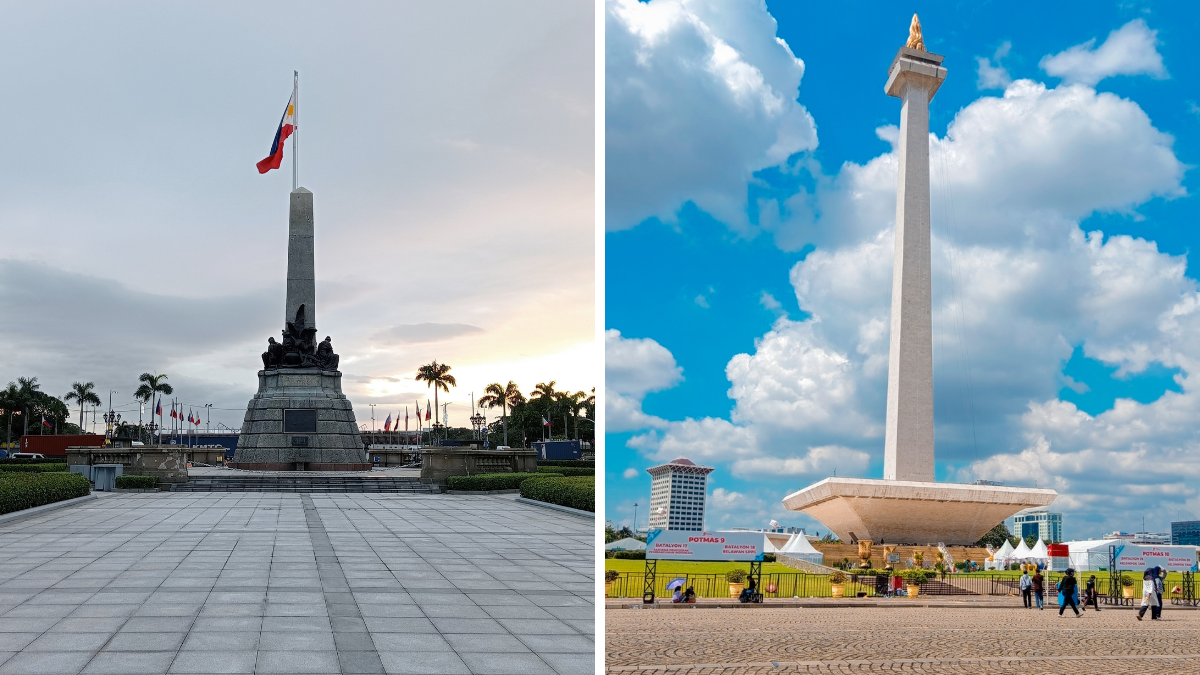
Urban poverty is one of the most persistent challenges faced by rapidly urbanizing societies in the Global South. Cities promise economic opportunity, social mobility, and access to modern infrastructure, yet for millions of urban residents these promises remain unfulfilled. Manila in the Philippines and Jakarta in Indonesia are two prominent examples of megacities where rapid urban growth has been accompanied by deepening poverty, inequality, and social exclusion. From a sociological perspective, urban poverty in these cities is not merely a consequence of individual failure or lack of skills; rather, it is a structural phenomenon shaped by historical legacies, economic transformations, migration patterns, governance failures, and uneven development.
Both Manila and Jakarta serve as political, economic, and cultural centers of their respective countries. They attract continuous streams of migrants from rural areas seeking employment, education, and better living conditions. However, the inability of urban systems to absorb this influx in a sustainable manner has resulted in widespread informal settlements, precarious livelihoods, and social marginalization. This article examines urban poverty in Manila and Jakarta through sociological lenses, focusing on structural inequality, informal economy, housing insecurity, social stratification, and the role of the state.
Urbanization and the Growth of Poverty
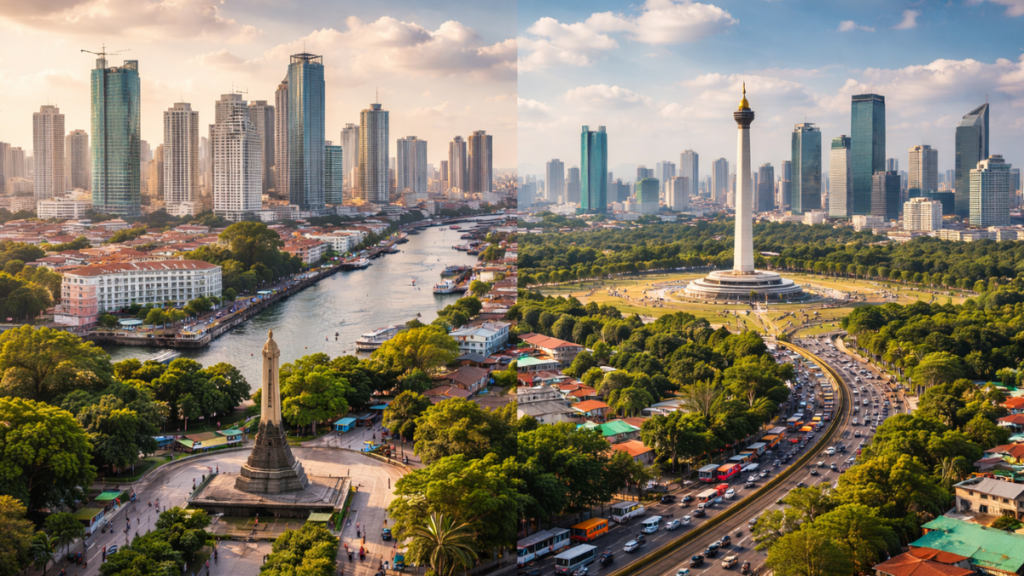
Urbanization in Manila and Jakarta has been rapid and largely unplanned. Manila’s metropolitan region, officially known as Metro Manila, is one of the most densely populated urban areas in the world. Jakarta, the capital of Indonesia, has similarly experienced explosive growth, evolving into a megacity with more than thirty million people in its greater metropolitan area. This growth has been driven primarily by rural-to-urban migration, industrial expansion, and the concentration of political and economic power in capital cities.
From a sociological viewpoint, this pattern reflects what dependency theorists describe as uneven development. Rural regions remain underdeveloped, pushing people toward cities that are themselves unprepared to provide adequate employment and housing. As a result, urban poverty expands not despite urban growth but alongside it. The urban poor are often absorbed into informal sectors, living in slums and squatter settlements located near economic hubs but excluded from formal urban planning.
Informal Settlements and Housing Insecurity
One of the most visible manifestations of urban poverty in both Manila and Jakarta is the proliferation of informal settlements. In Manila, slums are commonly found along riverbanks, railway tracks, garbage dumps, and flood-prone areas. These settlements, often referred to as “barangay slums,” house millions of people who lack legal land tenure, adequate sanitation, and secure housing. Jakarta faces a similar problem with its kampungs, traditional urban villages that have increasingly become overcrowded and under-resourced.
Sociologically, informal settlements represent a contradiction of urban modernity. They exist alongside skyscrapers, shopping malls, and elite residential areas, highlighting stark class divisions. The lack of legal recognition makes residents vulnerable to eviction, particularly when land becomes valuable for commercial or infrastructural projects. Forced evictions in both cities have frequently displaced the poor without providing adequate alternatives, reinforcing cycles of poverty and social exclusion.
Housing insecurity is not merely a physical issue but also a social one. The constant threat of eviction creates psychological stress, weakens community bonds, and limits residents’ ability to invest in education or small businesses. From the perspective of urban sociology, this reflects the failure of inclusive urban governance and the prioritization of elite interests over social justice.
Informal Economy and Precarious Livelihoods
A significant proportion of the urban poor in Manila and Jakarta depend on the informal economy for survival. Street vending, waste picking, domestic work, construction labor, motorcycle taxi services, and small-scale trading are common sources of income. These jobs are characterized by low wages, lack of job security, absence of social protection, and exposure to health and safety risks.
The sociological importance of the informal economy lies in its dual nature. On one hand, it provides livelihood opportunities for those excluded from the formal labor market. On the other hand, it perpetuates economic vulnerability and reinforces class inequality. Structural functionalists might argue that the informal sector plays a role in sustaining urban economies, but conflict theorists highlight how it benefits elites by providing cheap labor without labor rights.
In both Manila and Jakarta, informal workers are often criminalized or harassed by authorities in the name of urban order and modernization. Street vendors are removed to “beautify” cities, while waste pickers are excluded from formal waste management systems. Such policies reflect what sociologist Loïc Wacquant describes as the “punitive regulation of poverty,” where the poor are treated as problems rather than citizens with rights.
Social Stratification and Urban Inequality
Urban poverty in Manila and Jakarta cannot be understood without examining social stratification. These cities exhibit extreme inequality, where affluent neighborhoods with gated communities and luxury infrastructure exist alongside vast slums. This spatial segregation reinforces social divisions based on class, income, and access to resources.
From a Marxist perspective, this inequality is rooted in capitalist urban development, where land and housing are treated as commodities rather than social goods. Real estate development in both cities caters primarily to middle- and upper-class populations, while affordable housing remains scarce. The poor are pushed to the margins, both geographically and socially.
Education and health services further reflect stratification. While elite private schools and hospitals flourish, public services available to the urban poor are often overcrowded and underfunded. This creates intergenerational poverty, as children from poor households face limited opportunities for social mobility. Sociologically, this aligns with Pierre Bourdieu’s concept of social reproduction, where inequality is transmitted across generations through unequal access to economic, social, and cultural capital.
Gender and Urban Poverty
Urban poverty in Manila and Jakarta has a distinct gender dimension. Women in poor urban households often bear the double burden of income generation and unpaid domestic labor. Many work as domestic helpers, garment workers, street vendors, or home-based workers, earning low wages with little protection. Female-headed households are particularly vulnerable to poverty due to wage discrimination and limited access to secure employment.
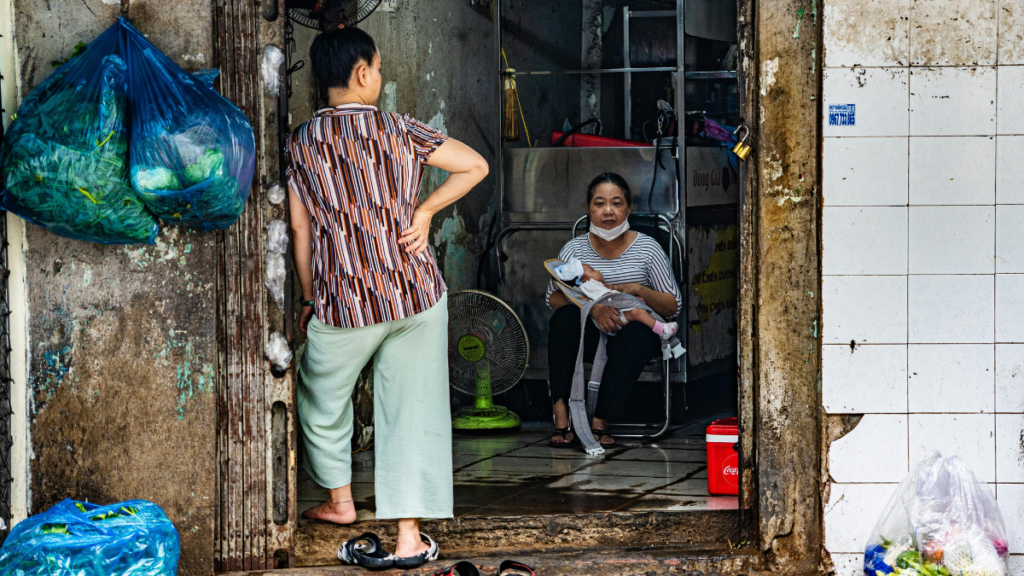
Sociological feminist perspectives emphasize that urban poverty is not gender-neutral. Women’s labor is undervalued, and their access to resources is constrained by patriarchal norms. In informal settlements, women also face heightened risks of violence, poor reproductive health services, and limited political representation. Yet, women often play central roles in community organization, savings groups, and grassroots activism, highlighting their agency within conditions of deprivation.
Health, Environment, and Urban Poverty
Environmental vulnerability is another key aspect of urban poverty in Manila and Jakarta. Informal settlements are frequently located in flood-prone areas, making residents highly vulnerable to climate-related disasters. Manila experiences frequent flooding due to poor drainage and river pollution, while Jakarta faces chronic flooding compounded by land subsidence and rising sea levels.
From an environmental sociology perspective, this reflects environmental injustice, where marginalized groups disproportionately bear the costs of environmental degradation. Poor sanitation, lack of clean water, and exposure to pollution contribute to high rates of illness among the urban poor. Health crises further deepen poverty by increasing medical expenses and reducing earning capacity.
Role of the State and Urban Governance
The role of the state is central to understanding urban poverty in both cities. Government policies in Manila and Jakarta have often been reactive rather than preventive. Slum clearance, eviction, and relocation programs have been implemented without adequate consultation or long-term planning. Relocation sites are frequently located far from employment opportunities, leading many families to return to informal settlements.
From a sociological governance perspective, this reflects a top-down approach to urban development that prioritizes economic growth and global competitiveness over social inclusion. Neoliberal urban policies emphasize privatization, public-private partnerships, and market-driven housing solutions, often at the expense of the poor.
However, there have also been attempts at more inclusive approaches. Community-based housing programs, participatory budgeting, and NGO-led initiatives have shown some success in empowering urban poor communities. These efforts align with the principles of participatory development and rights-based approaches to poverty alleviation.
Comparative Insights: Manila and Jakarta
While Manila and Jakarta share many similarities, there are also important differences. Manila’s urban poverty is deeply shaped by colonial legacies, political patronage, and weak urban planning. Jakarta’s poverty is influenced by rapid industrialization, centralized governance, and environmental challenges such as land subsidence. Despite these differences, both cities reveal how urban poverty is produced through structural inequalities rather than individual shortcomings.
Sociologically, the comparison highlights the broader patterns of urban poverty in Southeast Asia, where rapid economic growth coexists with persistent inequality. It underscores the need to move beyond economic indicators and examine social relations, power structures, and institutional failures.
Conclusion
Urban poverty in Manila and Jakarta is a complex and multidimensional phenomenon rooted in structural inequality, rapid urbanization, and exclusionary development models. From a sociological perspective, it cannot be reduced to issues of unemployment or population growth alone. Instead, it reflects deeper problems related to social stratification, informalization of labor, housing insecurity, gender inequality, environmental injustice, and governance failures.
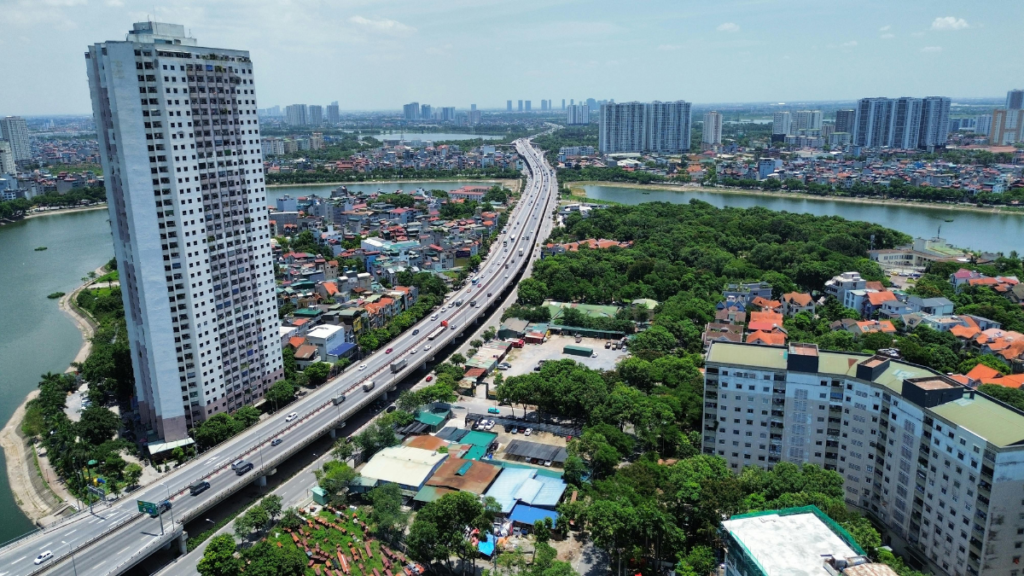
Addressing urban poverty requires inclusive urban planning, recognition of informal settlements, expansion of social protection, and meaningful participation of the urban poor in decision-making processes. Manila and Jakarta stand as powerful reminders that cities can either reproduce inequality or become spaces of social justice. The path they choose will determine not only the future of their urban poor but also the sustainability and moral character of urban development in the Global South.
Frequently Asked Questions (FAQs): Manila and Jakarta
1. Why are Manila and Jakarta often compared in social studies?
Manila and Jakarta are compared because both are large Southeast Asian megacities facing rapid urbanization, population pressure, inequality, and governance challenges.
2. How do Manila and Jakarta reflect urbanization in Southeast Asia?
Manila and Jakarta reflect uneven urban growth marked by overcrowding, informal settlements, and strained public infrastructure.
3. What are the major population challenges in Manila and Jakarta?
Manila and Jakarta struggle with overpopulation, high population density, rural-to-urban migration, and limited housing availability.
4. How does economic inequality appear in Manila and Jakarta?
Economic inequality in Manila and Jakarta is visible through stark contrasts between affluent business districts and widespread urban poverty.
5. What role do informal settlements play in Manila and Jakarta?
In Manila and Jakarta, informal settlements provide shelter for millions but also expose residents to poor sanitation, health risks, and insecurity.
6. How do Manila and Jakarta manage transportation problems?
Manila and Jakarta face severe traffic congestion due to rapid urban expansion, inadequate public transport, and rising private vehicle use.
7. Are Manila and Jakarta vulnerable to environmental risks?
Yes, Manila and Jakarta are highly vulnerable to flooding, climate change, and sea-level rise due to their coastal locations and urban density.
8. How does governance affect development in Manila and Jakarta?
Governance challenges in Manila and Jakarta include corruption, fragmented urban planning, and limited coordination between authorities.
9. What similarities exist between Manila and Jakarta’s labor markets?
Manila and Jakarta have large informal labor sectors, underemployment, and income insecurity affecting urban workers.
10. How do Manila and Jakarta handle housing shortages?
Housing shortages in Manila and Jakarta are addressed through public housing projects, but demand continues to exceed supply.
11. What cultural diversity characterizes Manila and Jakarta?
Manila and Jakarta are culturally diverse cities shaped by colonial history, migration, religion, and ethnic pluralism.
12. How do Manila and Jakarta reflect global city trends?
Manila and Jakarta reflect global city trends such as economic polarization, globalization, and expanding service sectors.
13. What role does migration play in Manila and Jakarta?
Migration fuels urban growth in Manila and Jakarta as people move from rural areas seeking employment and better opportunities.
14. How are social inequalities experienced in Manila and Jakarta?
In Manila and Jakarta, social inequalities affect access to education, healthcare, housing, and political representation.
15. Why are Manila and Jakarta important for sociological study?
Manila and Jakarta are important for sociological study because they highlight how urbanization, inequality, and globalization intersect in developing societies.