Introduction
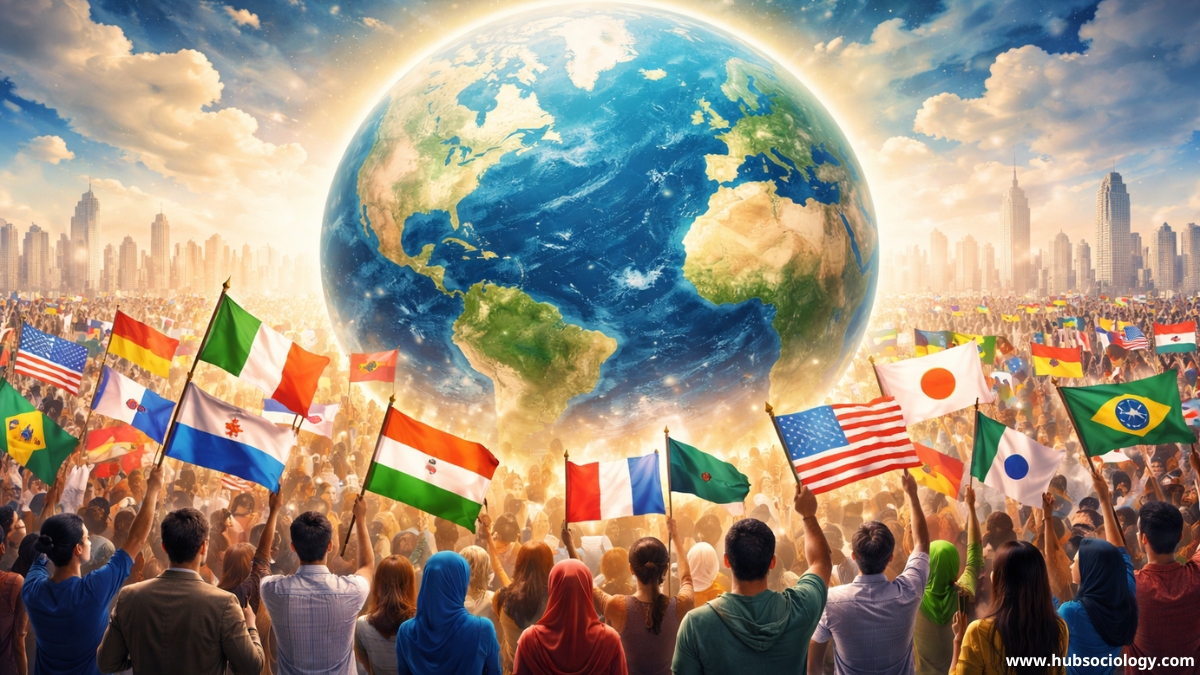
In the twenty-first century, nationalism and identity politics have emerged as powerful forces shaping political, social, and cultural life across the world. From the resurgence of right-wing nationalism in Europe and the United States to ethnic and religious movements in Asia, Africa, and the Middle East, identity-based mobilization has become central to contemporary politics. While globalization was once expected to weaken national boundaries and traditional identities, recent developments suggest the opposite. People increasingly seek meaning, security, and recognition through collective identities such as nation, religion, ethnicity, gender, and culture.
From a sociological perspective, nationalism and identity politics are not merely political ideologies. They are deeply rooted in social structures, historical experiences, power relations, and collective emotions. These phenomena influence how people define themselves, relate to others, and imagine their place in the world. This article explores nationalism and identity politics in a global context, examining their origins, forms, social functions, and consequences.

Understanding Nationalism
Nationalism refers to the belief that a group of people who share common history, culture, language, or territory constitute a “nation” and deserve political self-rule. Sociologically, nationalism is not a natural or timeless phenomenon. It is a social construction that developed mainly in the modern era, especially with the rise of nation-states in Europe.
Benedict Anderson famously described nations as “imagined communities.” Members of a nation will never know most of their fellow citizens personally, yet they feel a deep sense of belonging. This shared imagination is created through education, media, symbols, and historical narratives. Flags, national anthems, and official languages play a crucial role in reinforcing national identity.
Nationalism can take different forms. Civic nationalism emphasizes shared political values, citizenship, and democratic principles. Ethnic nationalism, on the other hand, is based on ancestry, religion, and cultural heritage. In practice, many nations combine both elements, but the balance between them varies across societies.
The Rise of Identity Politics
Identity politics refers to political movements that are based on the interests and experiences of specific social groups such as ethnic minorities, women, religious communities, LGBTQ+ individuals, or indigenous populations. These movements seek recognition, rights, and justice for groups that have been historically marginalized or excluded.
In the mid-twentieth century, identity politics emerged strongly through civil rights movements, feminist struggles, and anti-colonial campaigns. These movements challenged dominant power structures and demanded equal treatment. Sociologists view identity politics as a response to structural inequalities embedded in class, race, gender, and cultural hierarchies.
However, in recent decades, identity politics has also been used by dominant groups to protect their perceived status and privileges. For example, nationalist and anti-immigrant movements often frame their identity as “threatened” by globalization, multiculturalism, or demographic change.
Globalization and the Identity Crisis
Globalization has transformed economies, cultures, and social relations. Increased migration, digital communication, and international trade have connected societies in unprecedented ways. While globalization has created new opportunities, it has also produced insecurity, cultural anxiety, and social fragmentation.
Many people feel that traditional identities are under threat due to rapid social change. Jobs are disappearing, local cultures are being diluted, and communities are becoming more diverse. In such contexts, nationalism and identity politics offer a sense of stability and belonging.
Sociologist Zygmunt Bauman described this condition as “liquid modernity,” where social structures are constantly changing. In uncertain times, people often turn to strong identities to regain a sense of control and purpose.
Nationalism in the Western World
In Europe and North America, nationalism has re-emerged in the form of populist movements. These movements often oppose immigration, multiculturalism, and supranational institutions like the European Union. Leaders claim to represent the “real people” against corrupt elites and foreign influences.
The Brexit referendum in the United Kingdom reflected nationalist sentiment rooted in sovereignty and cultural identity. Similarly, the “America First” ideology in the United States emphasized national pride, border control, and economic protectionism.
From a sociological viewpoint, these trends are linked to class inequality, deindustrialization, and cultural polarization. Many working-class communities feel left behind by global capitalism. Nationalist narratives provide a way to express frustration and reclaim dignity.
At the same time, identity politics in the West has also focused on racial justice, gender equality, and minority rights. Movements such as Black Lives Matter challenge systemic racism and demand recognition of historical injustices.
Nationalism in Asia
In Asia, nationalism is closely connected to post-colonial history and state-building processes. Many Asian nations gained independence in the twentieth century, and nationalism played a key role in uniting diverse populations.
In India, nationalism has evolved from a secular, pluralistic vision to a more religiously defined identity in recent years. Hindu nationalism emphasizes cultural unity but has also raised concerns about minority rights and social cohesion.
China’s nationalism is shaped by historical humiliation, economic growth, and state ideology. The government promotes national pride and unity while suppressing separatist identities. In this case, nationalism strengthens state authority and social discipline.
Japan and South Korea display forms of cultural nationalism rooted in tradition, language, and historical memory. These identities are often expressed through media, education, and popular culture.
Sociologically, Asian nationalism reflects the tension between modern development and traditional values. Identity becomes a tool for managing social change.
Nationalism in Africa and the Middle East
In Africa, nationalism emerged primarily through anti-colonial struggles. It helped unite diverse ethnic groups against European rule. However, after independence, many African states faced challenges in building inclusive national identities.
Ethnic divisions, weak institutions, and economic inequality have sometimes led to conflict. Identity politics in Africa often revolves around ethnicity, tribe, and religion. These identities can be mobilized for political competition, sometimes resulting in violence.
In the Middle East, nationalism intersects with religion, sectarianism, and geopolitics. Arab nationalism once aimed to unite the region culturally and politically. Over time, religious identity became more prominent, especially in conflicts involving Sunni-Shia divisions.
The Israeli-Palestinian conflict illustrates how competing national and ethnic identities can become deeply entrenched. Identity politics here is tied to land, history, and collective memory.
The Social Construction of Identity
Sociologists emphasize that identity is not fixed or natural. It is shaped through social interaction, institutions, and power relations. People learn who they are through family, education, religion, media, and political discourse.
National identities are reinforced through school curricula, national holidays, and historical narratives. These narratives often highlight heroic events while ignoring darker aspects of history. This selective memory strengthens collective pride but can also justify exclusion.
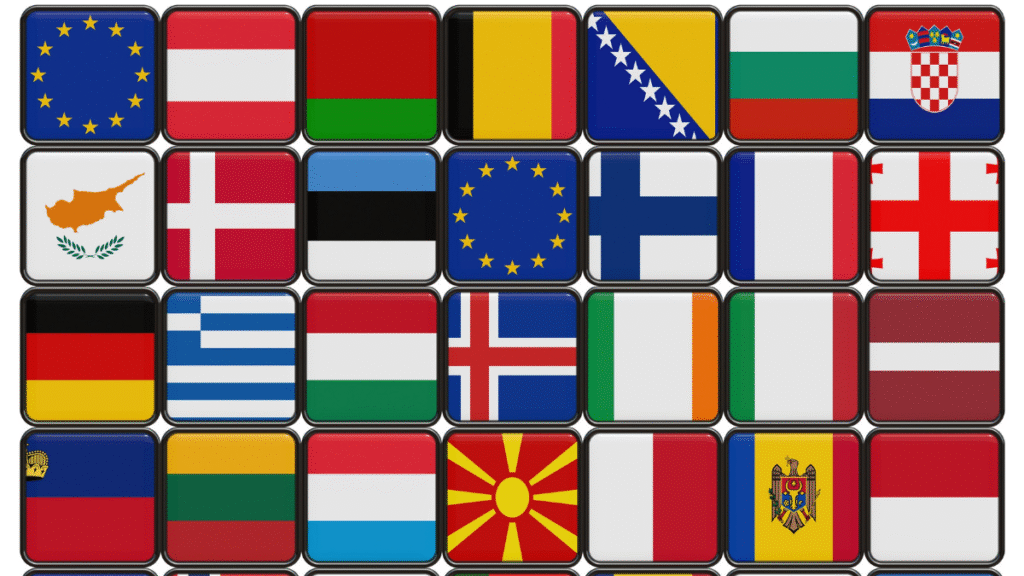
Identity politics uses symbols, language, and emotions to mobilize people. Flags, slogans, and social media campaigns create a sense of unity and urgency. Emotions such as fear, pride, and anger play a key role in sustaining identity-based movements.
Power, Exclusion, and Inequality
While nationalism and identity politics can promote solidarity, they can also produce exclusion. Defining who belongs to the nation often involves defining who does not. Minorities, immigrants, and dissenters may be labeled as outsiders.
From a conflict theory perspective, identity politics is a struggle over resources, recognition, and power. Dominant groups use national identity to maintain control, while marginalized groups use identity to challenge inequality.
Gender, class, and race intersect with nationalism. Women are often portrayed as symbols of national honor, while men are expected to defend the nation. Migrant workers may be excluded from full citizenship despite contributing economically.
Identity politics can therefore both empower and marginalize, depending on who controls the narrative.
Digital Media and Identity Formation
Social media has transformed how identities are expressed and mobilized. Online platforms allow people to connect with like-minded groups, share experiences, and organize movements. However, they also create echo chambers where extreme views can flourish.
Nationalist and identity-based messages spread rapidly through memes, videos, and hashtags. Emotional content gains more attention than balanced discussion. This can intensify polarization and misinformation.
At the same time, digital spaces provide marginalized groups with visibility and voice. Activists use online tools to challenge dominant narratives and demand social change.
Identity Politics and Democracy
The relationship between identity politics and democracy is complex. On one hand, identity movements can deepen democracy by giving voice to excluded groups. On the other hand, excessive focus on identity can fragment society and weaken shared values.
When political competition is framed primarily in identity terms, compromise becomes difficult. Opponents are seen as enemies rather than fellow citizens. This can undermine trust in institutions and democratic norms.
Sociologists argue that healthy societies need both recognition of diversity and commitment to common principles. Balancing unity and difference is a central challenge of modern democracy.
Cultural Hybridization and Global Identities
Despite the rise of nationalism, global identities are also emerging. Many people today hold multiple identities at once – national, ethnic, religious, and global. Migrants, students, and digital communities create hybrid cultures that blend traditions.
Music, fashion, and food reflect cultural exchange. Young generations often feel connected to global trends while maintaining local roots. This shows that identity is flexible and evolving.
Sociologically, this hybridization challenges rigid nationalist narratives. It suggests that belonging can be inclusive rather than exclusive.
Conclusion
Nationalism and identity politics are powerful social forces that shape how people understand themselves and others. In a globalized yet unequal world, identities offer meaning, protection, and recognition. They can inspire unity and resistance, but also division and conflict.
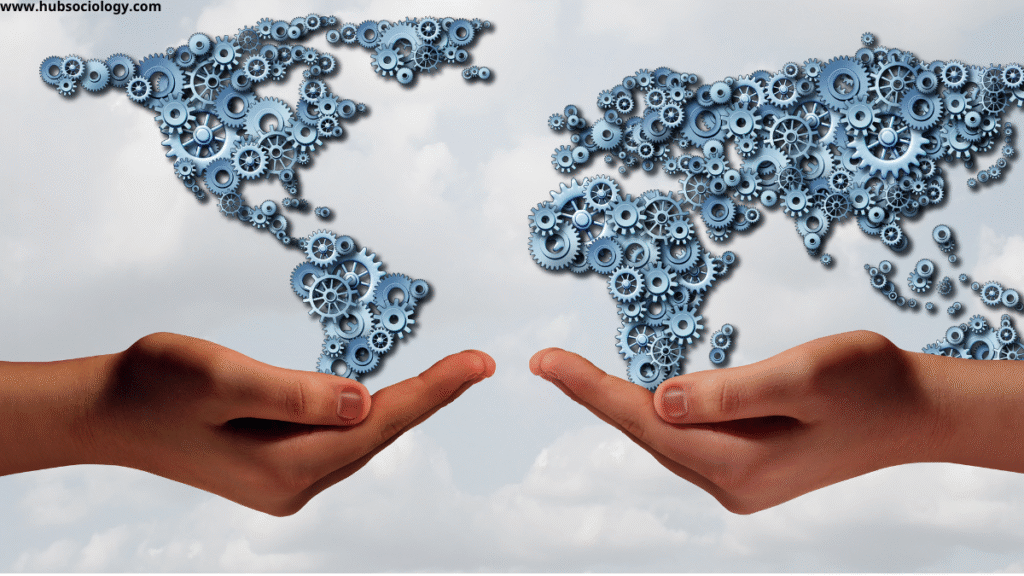
From a sociological perspective, these phenomena are not simply about emotions or ideology. They are rooted in history, power, economic change, and cultural transformation. Understanding nationalism and identity politics requires examining who benefits, who is excluded, and how identities are constructed and maintained.
In the future, societies will need to find ways to balance national belonging with respect for diversity. Inclusive identities that recognize shared humanity alongside cultural differences may offer a path toward social cohesion in an increasingly interconnected world.
FAQs on Nationalism and Identity Politics in Global Perspective
1. What is nationalism in sociological terms?
Nationalism is a socially constructed belief that people sharing common history, culture, and territory form a nation deserving political unity and sovereignty.
2. How does sociology explain national identity?
Sociology views national identity as an “imagined community” shaped by education, media, symbols, and historical narratives.
3. What is identity politics?
Identity politics refers to political movements based on the interests of specific social groups such as ethnicity, gender, religion, or race.
4. Why has identity politics become more important today?
Globalization, migration, and economic inequality have increased social insecurity, leading people to seek belonging through identity-based movements.
5. How are nationalism and identity politics connected?
Both shape collective identity and influence how groups define themselves and others in society.
6. Is nationalism always negative?
No. Nationalism can promote unity and independence, but it can also lead to exclusion and conflict if it becomes extreme.
7. What role does globalization play in identity formation?
Globalization weakens traditional structures, creating identity uncertainty and strengthening nationalist and cultural movements.
8. How does nationalism differ across regions?
In the West it often focuses on immigration and sovereignty, while in Asia and Africa it is linked to post-colonial identity and state-building.
9. What is ethnic nationalism?
Ethnic nationalism is based on shared ancestry, religion, or culture rather than citizenship or political values.
10. How does identity politics affect democracy?
It can empower marginalized groups but may also increase polarization and social division.
11. What is the sociological view of national symbols?
Symbols like flags and anthems reinforce emotional attachment and collective identity.
12. How does social media influence identity politics?
It spreads identity-based messages quickly, strengthening group solidarity but also increasing polarization.
13. Can people have multiple identities?
Yes. Individuals often hold national, cultural, religious, and global identities simultaneously.
14. How does power shape identity politics?
Dominant groups may use identity to maintain control, while marginalized groups use it to demand equality.
15. What is the future of nationalism in a global world?
Nationalism will continue to evolve, but inclusive identities may help balance unity and diversity.