
Introduction
Southeast Asia is one of the most ethnically diverse regions in the world. From the Malays of Malaysia and Indonesia to the Thais, Burmese, Vietnamese, Filipinos, and hundreds of indigenous groups, the region represents a complex mosaic of cultures, languages, religions, and traditions. This diversity has shaped social structures, political systems, economic relations, and national identities across the region.
In sociological terms, this diversity is often discussed through the concept of ethnic pluralism—a condition in which multiple ethnic groups coexist within a single society while maintaining distinct cultural identities. Unlike complete assimilation, ethnic pluralism allows different communities to preserve their traditions, beliefs, and social practices.

This article explores ethnic pluralism in Southeast Asia from a sociological perspective, examining its historical roots, social dynamics, challenges, and future prospects.
Understanding Ethnic Pluralism
Ethnic pluralism refers to the coexistence of diverse ethnic groups within a society, where no single culture completely dominates or absorbs others. Sociologist J.S. Furnivall described plural societies as those in which different ethnic groups live side by side but interact mainly in economic and administrative spheres rather than through shared social life.
In Southeast Asia, ethnic pluralism is not just a demographic reality but a structural feature of society. Ethnic identity influences access to education, employment, political power, land ownership, and cultural recognition.
Pluralism here does not always mean equality. While diversity exists, power relations between ethnic groups often reflect historical, political, and economic inequalities.
Historical Roots of Ethnic Diversity in Southeast Asia
Pre-Colonial Migration and Trade
Long before colonial rule, Southeast Asia was a major crossroads of migration and trade. Indian, Chinese, Arab, and indigenous traders interacted with local populations, leading to cultural mixing. Hindu-Buddhist kingdoms, Islamic sultanates, and indigenous chiefdoms shaped early ethnic identities.
Colonial Influence
European colonial powers such as the British, Dutch, French, and Spanish reorganized Southeast Asian societies along ethnic lines. They often practiced divide-and-rule policies, assigning different economic roles to different ethnic groups.
For example:
- Chinese communities dominated commerce
- Indians worked in plantations and administration
- Indigenous groups remained in agriculture
This created ethnic-based economic hierarchies that continue to influence modern societies.
Post-Independence Nation-Building
After independence, Southeast Asian nations attempted to build unified national identities. However, ethnic pluralism remained strong. Some states promoted multiculturalism, while others encouraged assimilation into a dominant national culture.
Major Ethnic Groups in Southeast Asia
The region includes hundreds of ethnic communities. Some major examples include:
- Malay (Malaysia, Indonesia, Brunei)
- Thai (Thailand)
- Bamar (Myanmar)
- Vietnamese (Kinh)
- Tagalog, Cebuano, Ilocano (Philippines)
- Chinese diaspora
- Hill tribes (Karen, Hmong, Shan, Akha, etc.)
Each group has its own language, religion, customs, and social organization. This diversity shapes everyday social interactions, marriage patterns, political representation, and community life.
Ethnic Pluralism and Social Structure
Language and Identity
Language plays a central role in maintaining ethnic identity. Many Southeast Asian countries are multilingual. While national languages are promoted, ethnic languages continue to be used in homes, religious institutions, and local communities.
Language differences often reinforce social boundaries between groups, affecting social mobility and educational access.
Religion and Ethnicity
Religion is closely linked with ethnicity in the region:
- Malays are predominantly Muslim
- Thais are mainly Buddhist
- Filipinos are mostly Christian
- Chinese communities practice Buddhism, Taoism, or Christianity
Religious institutions often act as cultural centers for ethnic communities, preserving traditions and values.
Family and Marriage
Inter-ethnic marriages are increasing in urban areas, but many rural communities still prefer endogamy (marrying within the group). Marriage patterns reflect social boundaries and cultural preservation.
Ethnic Pluralism and Economic Life
Occupational Patterns
Historically, ethnic groups were linked to specific economic roles. These patterns continue to influence modern economies:
- Chinese communities dominate business and trade
- Indigenous groups engage in agriculture
- Migrant workers fill labor-intensive jobs
This creates ethnic-based economic inequalities, sometimes leading to resentment and conflict.
Urbanization and Migration
Cities like Bangkok, Jakarta, Kuala Lumpur, and Manila bring diverse groups together. Urbanization promotes interaction but also highlights inequality in housing, employment, and access to services.
Political Dimensions of Ethnic Pluralism
Representation and Power
Ethnicity plays a major role in politics. Political parties often mobilize voters along ethnic lines. Some groups enjoy greater political representation, while minorities struggle for recognition.
Minority Rights
Ethnic minorities demand:
- Cultural recognition
- Language rights
- Land protection
- Political autonomy
In countries like Myanmar and Thailand, ethnic minorities have faced long-term marginalization.
National Identity
Governments attempt to create a shared national identity through education, media, and symbols. However, ethnic identities remain strong, sometimes challenging national unity.
Ethnic Conflict and Social Tensions
Ethnic pluralism does not always lead to harmony. Social tensions arise due to inequality, discrimination, and political exclusion.
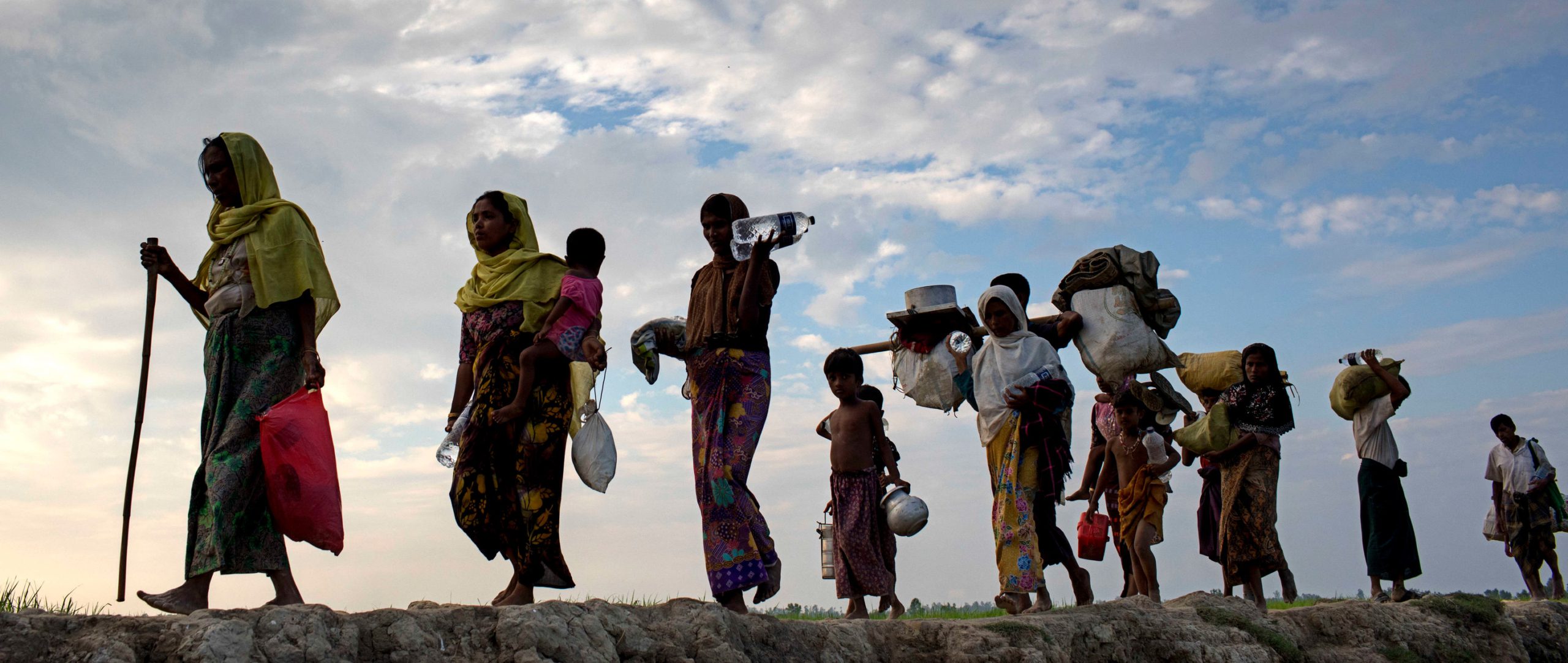
Myanmar’s Ethnic Conflicts
Myanmar has experienced decades of ethnic insurgency involving Karen, Rohingya, Kachin, and Shan groups. These conflicts are rooted in historical marginalization and lack of autonomy.
Southern Thailand
Malay Muslim communities in southern Thailand have resisted cultural assimilation, leading to ongoing unrest.
Communal Tensions in Malaysia
Ethnic relations between Malays, Chinese, and Indians remain sensitive due to economic and political disparities.
These conflicts show that pluralism without social justice can produce instability.
Ethnic Pluralism and Education
Education is a key tool for managing diversity.
- National curricula promote unity
- Minority schools preserve culture
- Language policies affect inclusion
In some countries, ethnic minorities face barriers to education due to language differences and poverty. Sociologically, education can either reduce inequality or reinforce ethnic divisions.
Media and Cultural Representation
Media plays an important role in shaping ethnic identity. Films, television, and social media portray cultural traditions, but sometimes reinforce stereotypes.
Positive representation promotes mutual respect, while biased portrayal deepens prejudice.
Globalization and Changing Ethnic Relations
Globalization has transformed ethnic pluralism:
- Increased migration
- Cultural exchange
- Digital communication
- Hybrid identities
Young people increasingly adopt mixed cultural identities, combining traditional and global influences. This creates new forms of ethnic expression beyond rigid boundaries.
Models of Managing Ethnic Diversity
Multiculturalism
Some Southeast Asian societies promote cultural diversity through festivals, language recognition, and minority rights.
Assimilation
Others encourage ethnic groups to adopt a dominant national culture.
Integration
A balanced approach allows cultural diversity while promoting shared citizenship.
Sociologically, integration is considered the most stable model for plural societies.
Role of Civil Society
NGOs, community groups, and activists work to:
- Protect minority rights
- Promote dialogue
- Preserve indigenous cultures
Their role is crucial in maintaining social harmony in plural societies.

Challenges to Ethnic Pluralism
Major challenges include:
- Economic inequality
- Political exclusion
- Cultural discrimination
- Language barriers
- Religious intolerance
Without inclusive policies, ethnic pluralism can turn into ethnic division.
Future of Ethnic Pluralism in Southeast Asia
The future depends on how states manage diversity. Key priorities include:
- Inclusive development
- Equal political representation
- Cultural respect
- Education reform
- Dialogue between communities
Sociologically, ethnic pluralism can become a strength if supported by social justice and democratic values.
Conclusion
Ethnic pluralism is a defining feature of Southeast Asian societies. It shapes social structures, cultural life, political systems, and economic relations. While diversity enriches society, unequal power relations and historical injustices continue to challenge social harmony.
From a sociological perspective, ethnic pluralism is not just about coexistence but about equality, recognition, and participation. Sustainable pluralism requires inclusive policies, cultural respect, and social integration.
If managed wisely, Southeast Asia’s ethnic diversity can become a powerful source of unity, creativity, and social strength rather than conflict.
FAQs on Ethnic Pluralism in Southeast Asia
- What is ethnic pluralism?
Ethnic pluralism refers to the coexistence of multiple ethnic groups within a society while maintaining distinct cultural identities. - Why is Southeast Asia ethnically diverse?
Historical migration, trade routes, colonial policies, and indigenous cultures have shaped the region’s diversity. - How did colonialism affect ethnic relations in Southeast Asia?
Colonial rulers created ethnic-based economic and social divisions that still influence inequality today. - Which countries in Southeast Asia show strong ethnic pluralism?
Malaysia, Indonesia, Myanmar, Thailand, and the Philippines are key examples. - What role does religion play in ethnic identity?
Religion is closely linked with ethnicity, shaping traditions, social norms, and community life. - What are the major ethnic groups in Southeast Asia?
Malay, Thai, Bamar, Vietnamese, Chinese, and numerous indigenous groups. - How does ethnic pluralism affect politics?
Ethnic identity often influences voting behavior, political representation, and policy decisions. - What are the main challenges of ethnic pluralism?
Discrimination, inequality, cultural exclusion, and political marginalization. - Is ethnic conflict common in Southeast Asia?
Some regions face conflict due to historical grievances and lack of minority rights. - How does education influence ethnic relations?
Education can promote unity or reinforce divisions depending on language and access policies.