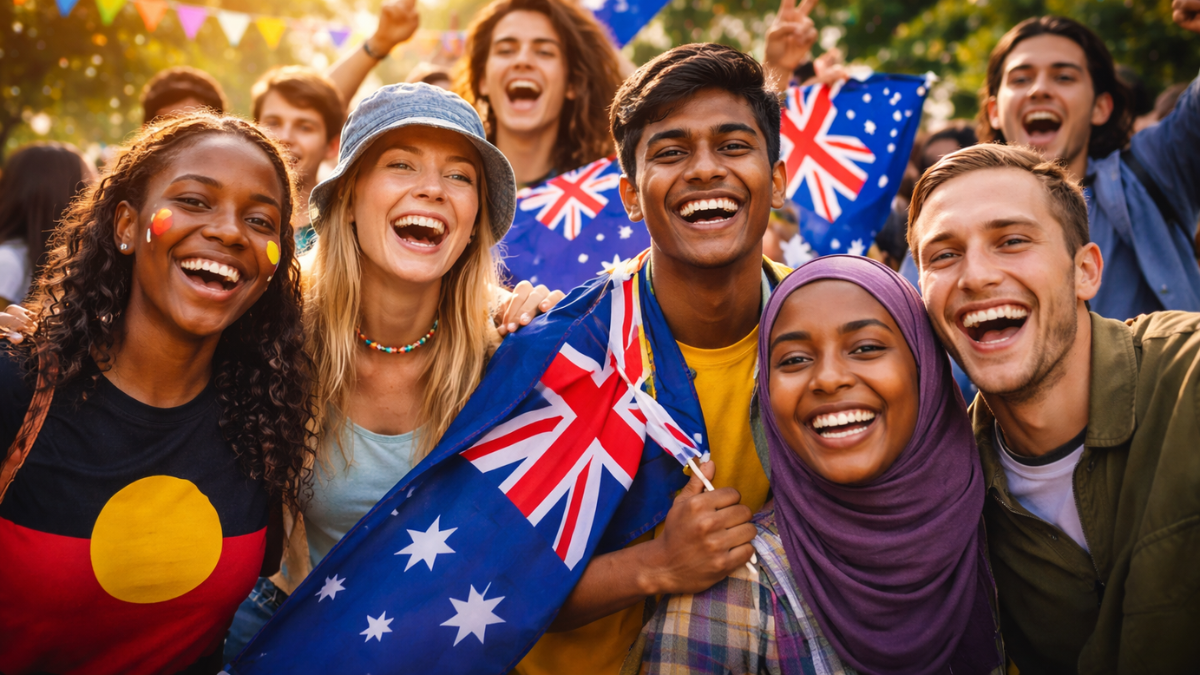
Youth culture in Australian society represents a dynamic field of identity formation, social negotiation, resistance, and adaptation. As a settler-colonial nation shaped by Indigenous heritage, British colonial history, multicultural migration, globalization, and digital transformation, Australia provides a rich sociological context for examining how young people construct and express identity. Youth in Australia are not a homogenous group; rather, they are differentiated by class, ethnicity, gender, sexuality, geography, religion, and digital access.
This article explores youth culture and identity in Australian society from classical and contemporary sociological perspectives, focusing on cultural production, education, labor market conditions, Indigenous youth identity, multiculturalism, digital life, political participation, and the tensions between conformity and resistance.
Understanding Youth Culture in Sociology
Youth culture refers to the distinctive patterns of behavior, values, styles, practices, and symbolic expressions developed by young people. In sociology, youth is not merely a biological stage but a socially constructed category shaped by institutions such as family, school, media, and the state.
Classical sociologists such as Karl Mannheim emphasized generational consciousness, arguing that young people who grow up in the same historical moment share collective experiences that shape their worldview. In contemporary Australian society, youth have been shaped by neoliberal economic policies, climate anxiety, digital media saturation, multicultural diversity, and debates around Indigenous recognition.
The transition from adolescence to adulthood in Australia has become extended. Rising university enrollment, housing affordability crises, and precarious employment have delayed traditional markers of adulthood such as stable careers, home ownership, and marriage. As a result, youth identity has become more fluid and experimental.
Historical Development of Youth Culture in Australia
Youth culture in Australia developed distinctively in the post-World War II era. During the 1950s and 1960s, influenced by American and British pop culture, Australian youth embraced rock music, surf culture, and rebellious fashion. The growth of suburbanization and consumer capitalism allowed youth to emerge as a visible cultural category.
In the 1970s and 1980s, subcultures such as punk, skateboarding, and alternative rock became prominent. These subcultures often challenged mainstream norms and expressed dissatisfaction with authority. By the 1990s and early 2000s, globalization and digital media expanded youth cultural influences, blending local identity with global trends.
Today, Australian youth culture integrates global digital trends with local concerns such as environmental activism, Indigenous rights, and multicultural inclusion.
Indigenous Youth and Cultural Identity
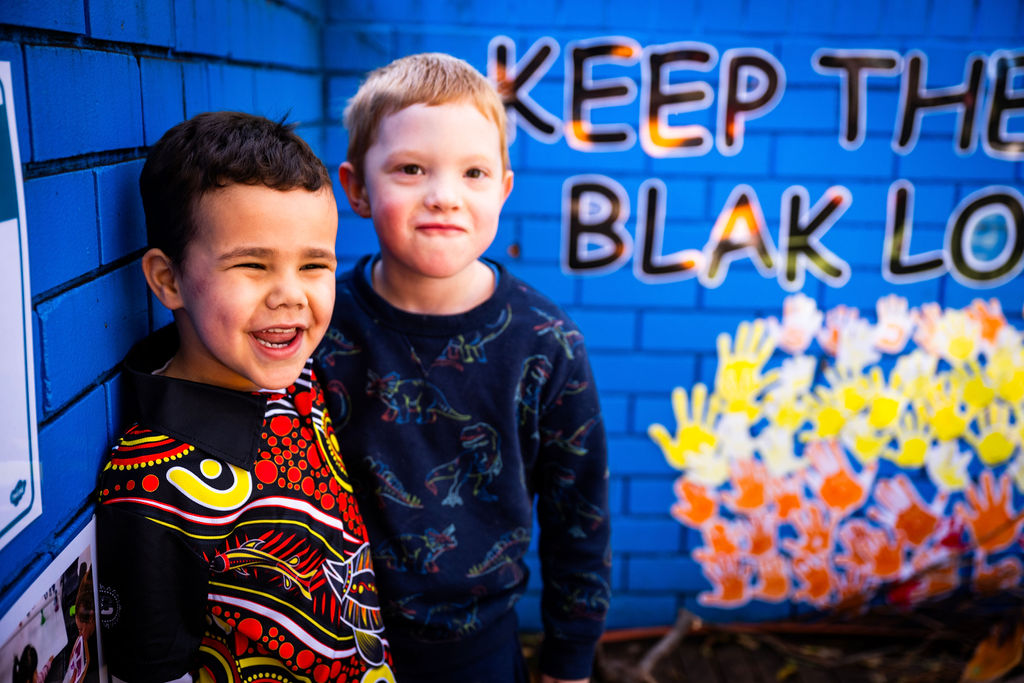
A crucial dimension of youth culture in Australian society is the experience of Indigenous young people, including Aboriginal and Torres Strait Islander communities. For Indigenous youth, identity is shaped by colonization, intergenerational trauma, cultural resilience, and community revival.
Events such as NAIDOC Week play an important role in strengthening cultural pride among Indigenous youth. Many young Indigenous Australians engage in cultural revitalization through language preservation, art, dance, and activism.
However, Indigenous youth also face structural inequalities in education, health, and employment. Sociologically, this reflects systemic marginalization rooted in colonial history. Identity formation for Indigenous youth often involves negotiating between traditional cultural heritage and contemporary Australian society.
Multiculturalism and Migrant Youth Identity

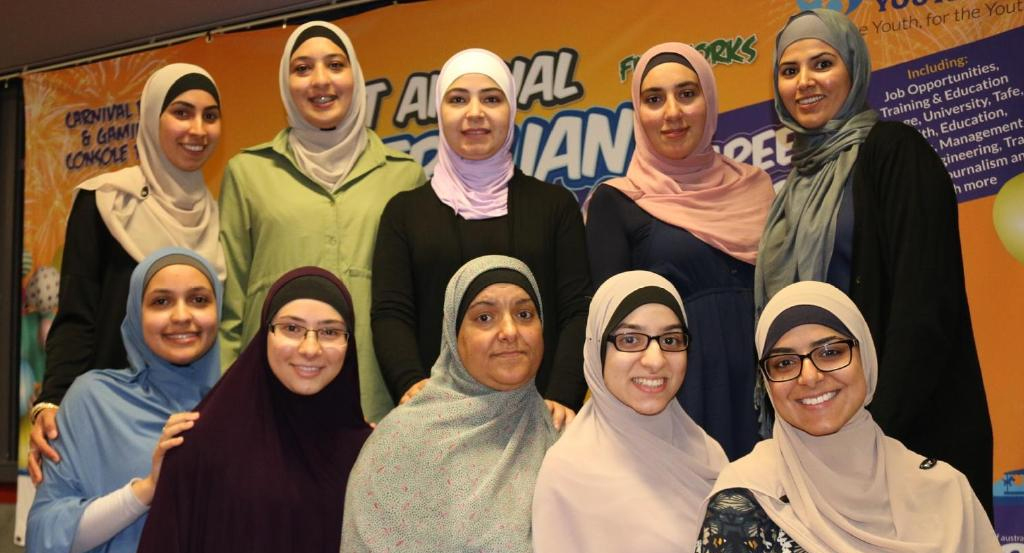
Australia is officially a multicultural nation, and migrant youth significantly shape its cultural landscape. Children of immigrants often develop hybrid identities, blending heritage traditions with Australian social norms.
In cities such as Sydney and Melbourne, youth culture reflects global influences—K-pop, hip-hop, streetwear, and social media aesthetics—while also expressing ethnic pride.
Second-generation migrant youth may experience identity tensions: they may feel “not fully Australian” in some social contexts while also being distanced from their ancestral homeland. Sociologists describe this as cultural hybridity. Religious identity also plays a role, particularly among Muslim, Hindu, Sikh, and Christian communities.
Youth from migrant backgrounds often challenge stereotypes through education, entrepreneurship, and artistic expression. Their experiences demonstrate how multiculturalism in Australia is negotiated in everyday life.
Education and Identity Formation
Education institutions are key sites of youth identity construction. Schools and universities in Australia not only provide academic knowledge but also shape social networks, political awareness, and aspirations.
University campuses, such as those at University of Sydney and University of Melbourne, function as spaces where youth debate climate change, gender equality, and Indigenous recognition.
At the same time, educational inequality persists. Students from rural or low-income backgrounds face barriers to higher education. Rising tuition fees and student debt influence career decisions and identity development. Education becomes both an opportunity and a source of stress.
Youth Subcultures and Lifestyle Expression
Australian youth express identity through music, fashion, sports, and online communities. Surf culture remains symbolic of coastal Australia, while urban youth often engage in hip-hop, electronic music festivals, and street art.
Sport is another powerful cultural marker. Organizations like Australian Football League shape youth identity, especially among young men, reinforcing ideas of teamwork, masculinity, and community loyalty.
However, gender norms are evolving. Young women increasingly participate in professional sports, and LGBTQ+ youth advocate for recognition and equality. Pride festivals and online activism have contributed to broader acceptance of diverse identities.
Digital Media and Online Identity
Digital platforms have transformed youth culture in Australia. Social media shapes self-presentation, peer interaction, and political mobilization. Platforms such as Instagram and TikTok allow young people to create content, build communities, and express individuality.
Online identity is often curated, influenced by algorithms and global trends. Digital life can foster creativity and entrepreneurship but also create pressures related to body image, comparison, and cyberbullying.
The digital divide remains relevant. Rural youth and disadvantaged communities may have limited access to high-speed internet, affecting educational and social opportunities.
Youth, Work, and Economic Uncertainty
Economic factors significantly influence youth identity in Australian society. Casualization of labor, gig economy jobs, and housing affordability crises shape how young people imagine their futures.
High property prices in cities like Sydney make home ownership difficult for many young adults. Precarious employment contributes to anxiety and delayed life transitions.
Sociologically, this reflects broader neoliberal economic restructuring. Young people often prioritize flexibility, travel, and personal development over traditional career stability. However, economic insecurity can limit freedom and reinforce class inequality.
Political Participation and Activism
Australian youth are increasingly engaged in social and environmental activism. Climate change movements, Indigenous rights campaigns, and gender equality initiatives attract strong youth participation.
Organizations such as Australian Youth Climate Coalition mobilize young people around environmental justice. Youth activism demonstrates generational consciousness—shared concerns about future sustainability and social equity.
Political engagement also occurs online through digital campaigns and discussions. While some critics argue that youth are politically apathetic, sociological evidence suggests that participation has shifted from traditional party membership to issue-based activism.
Rural–Urban Differences
Youth culture differs significantly between urban and rural Australia. Urban youth have greater access to universities, cultural festivals, and employment opportunities. Rural youth often face limited services and social isolation but may benefit from stronger community ties.
In remote Indigenous communities, youth navigate complex challenges including limited infrastructure and educational resources. Migration from rural to urban areas is common, reshaping identity and community bonds.
Gender, Sexuality, and Changing Norms
Australian youth culture reflects evolving attitudes toward gender and sexuality. Marriage equality debates and legal reforms have influenced social acceptance. LGBTQ+ youth are increasingly visible in media and education settings.
Gender identity and expression are more fluid than in previous generations. However, challenges remain, including discrimination and mental health concerns. Youth-led advocacy groups continue to push for inclusive policies in schools and workplaces.
Media Representation and Cultural Narratives
Popular media plays a central role in shaping youth identity. Australian television, film, and online content portray diverse images of young people. However, media stereotypes can reinforce racial or class-based biases.
Young Australians increasingly create their own narratives through YouTube channels, podcasts, and independent art. This democratization of media allows youth to redefine identity beyond traditional institutions.
Mental Health and Identity Pressures
Mental health is a significant concern among Australian youth. Academic pressure, economic uncertainty, climate anxiety, and digital comparison contribute to stress and depression.
Identity formation during youth is inherently uncertain, but contemporary social conditions intensify this process. Sociological analysis highlights the importance of supportive institutions, inclusive policies, and community networks in fostering resilience.
Conclusion
Youth culture and identity in Australian society are shaped by historical legacy, multicultural diversity, digital transformation, economic restructuring, and political activism. Australian youth navigate complex intersections of class, ethnicity, gender, and geography while negotiating belonging and self-expression.
Indigenous cultural revival, migrant hybridity, digital creativity, and environmental activism illustrate the dynamism of youth identity. At the same time, structural inequalities persist, influencing opportunities and life chances.
From a sociological perspective, youth culture in Australia reflects broader societal transformations. It reveals tensions between tradition and change, local identity and global influence, stability and uncertainty. Understanding youth culture is essential for analyzing the future trajectory of Australian society itself.
FAQs on Identity in Australian Society
1. What shapes identity in Australian society among young people?
Identity in Australian society is shaped by family background, education, peer groups, media exposure, multicultural influences, Indigenous heritage, and economic opportunities. Social institutions such as schools and digital platforms also play a major role.
2. How does multiculturalism influence identity in Australian society?
Multiculturalism allows individuals to develop hybrid cultural identities. Many young Australians combine ancestral traditions with mainstream Australian values, creating diverse forms of identity in Australian society.
3. What role does Indigenous heritage play in identity in Australian society?
Indigenous heritage is central to identity in Australian society. Aboriginal and Torres Strait Islander cultures contribute to national narratives, while Indigenous youth strengthen identity through language revival, art, and community activism.
4. How does education impact identity in Australian society?
Education shapes identity in Australian society by influencing career aspirations, social networks, political awareness, and personal values. Schools and universities act as important spaces of identity formation.
5. How does digital media affect identity in Australian society?
Digital media allows young people to experiment with self-presentation and connect globally. Social platforms influence how identity in Australian society is expressed, negotiated, and sometimes commercialized.
6. Is identity in Australian society influenced by economic conditions?
Yes, employment opportunities, housing affordability, and financial stability strongly influence identity in Australian society. Economic insecurity can delay adulthood transitions and reshape life goals.
7. How do rural and urban differences affect identity in Australian society?
Urban youth often experience diverse cultural exposure, while rural youth may have stronger community bonds but fewer opportunities. These differences create varied forms of identity in Australian society.
8. What is the relationship between gender and identity in Australian society?
Changing gender norms have expanded the understanding of masculinity and femininity. LGBTQ+ visibility has also diversified identity in Australian society.
9. How does migration impact identity in Australian society?
Migration contributes to cultural hybridity. Second-generation migrants often balance heritage traditions with Australian social norms, enriching identity in Australian society.
10. Why is youth activism important for identity in Australian society?
Youth activism, especially around climate change and social justice, strengthens collective identity in Australian society and reflects generational consciousness.
11. How does sport contribute to identity in Australian society?
Sports participation and fandom, particularly in national leagues, build community belonging and national pride, reinforcing identity in Australian society.
12. What challenges affect identity in Australian society today?
Mental health pressures, social inequality, racism, and digital comparison can complicate identity development in Australian society.
13. How does globalization influence identity in Australian society?
Global media, fashion, and music shape youth preferences while blending with local traditions, creating a unique identity in Australian society.
14. Can identity in Australian society change over time?
Yes, identity in Australian society is dynamic. It evolves with life experiences, generational shifts, and broader social transformations.
15. Why is studying identity in Australian society sociologically important?
Studying identity in Australian society helps understand social cohesion, inequality, cultural diversity, and the future direction of the nation.