Introduction
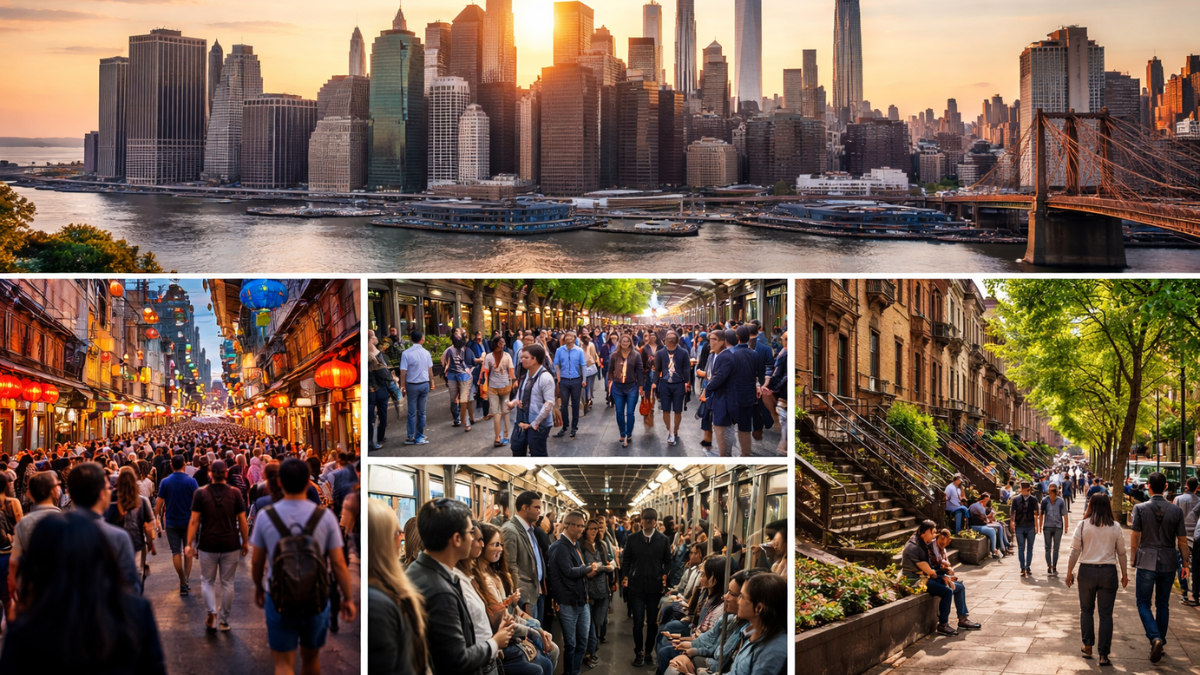
The study of urban sociology focuses on how cities shape human behavior, social relations, and institutional structures. Among global cities, New York City stands as one of the most complex and dynamic urban environments. It is not merely a geographical space but a living social organism characterized by diversity, inequality, mobility, and constant transformation.
As one of the largest metropolitan areas in the world, New York City offers an ideal case for understanding how economic systems, migration, urban policies, and cultural practices interact to shape social life. This article examines the sociological dimensions of New York City by exploring its historical development, demographic diversity, class structure, spatial segregation, cultural dynamics, and contemporary challenges.

Urban Sociology of New York City, New York City social structure, urban inequality NYC, NYC multiculturalism, urbanization in New York, gentrification NYC, sociology of cities
Historical Foundations of Urban Development
The urban character of New York City is deeply rooted in its historical evolution. During the late 19th and early 20th centuries, waves of immigrants from Europe, Asia, and Latin America transformed the city into a multicultural hub. Institutions such as Ellis Island symbolize this influx, where millions of migrants entered the United States in search of better opportunities.
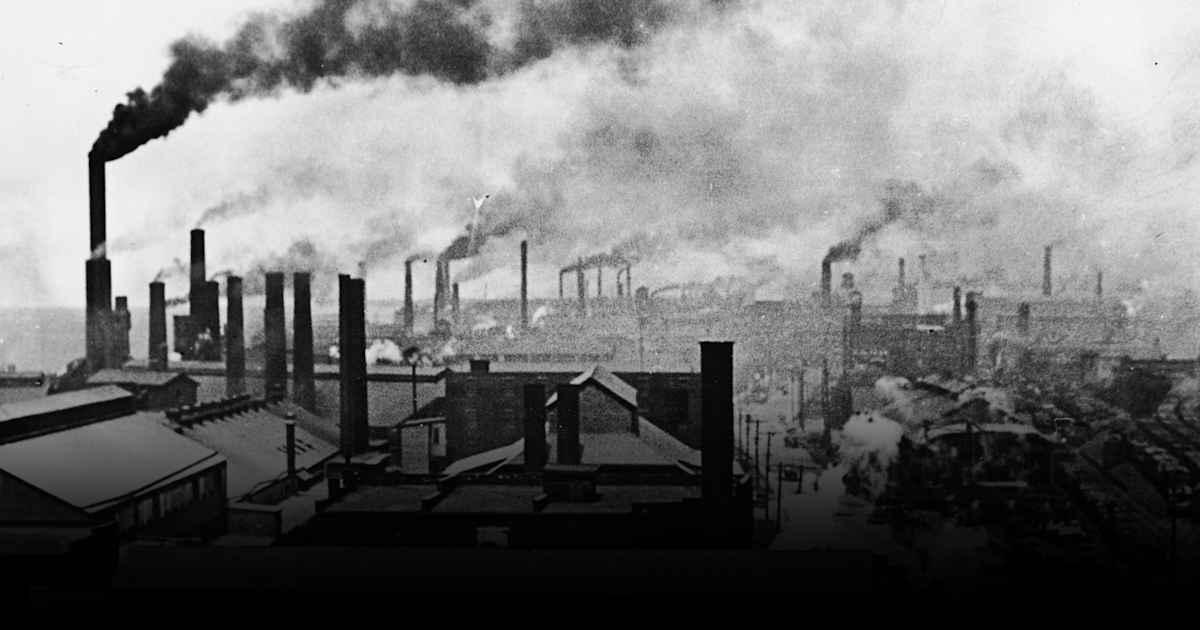
Industrialization played a crucial role in shaping the city’s economy and social structure. Factories, docks, and manufacturing units created employment opportunities, leading to rapid urban expansion. Neighborhoods like Lower East Side became densely populated immigrant enclaves.
The city’s development also reflects broader sociological processes such as urbanization, capitalism, and modernization. Over time, deindustrialization shifted the economy from manufacturing to finance, technology, and services, particularly centered in Manhattan.
Demographic Diversity and Multiculturalism
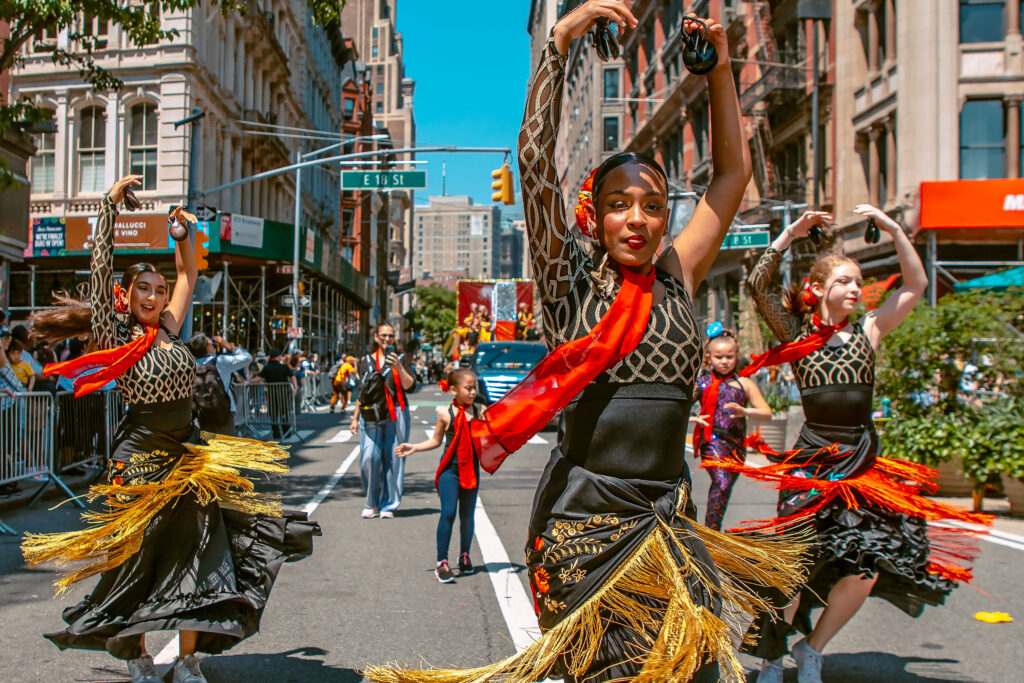
New York City is often described as a “melting pot” or, more accurately, a “mosaic” of cultures. Its population includes people from nearly every country, making it one of the most diverse cities globally.
Neighborhoods reflect this diversity:
- Chinatown represents Chinese and East Asian communities.
- Harlem is historically associated with African American culture.
- Jackson Heights is known for South Asian and Latin American populations.

From a sociological perspective, diversity in New York fosters both integration and tension. While multiculturalism promotes cultural exchange, it can also lead to ethnic enclaves, where communities maintain distinct identities and limited interaction with others.
Social Stratification and Economic Inequality
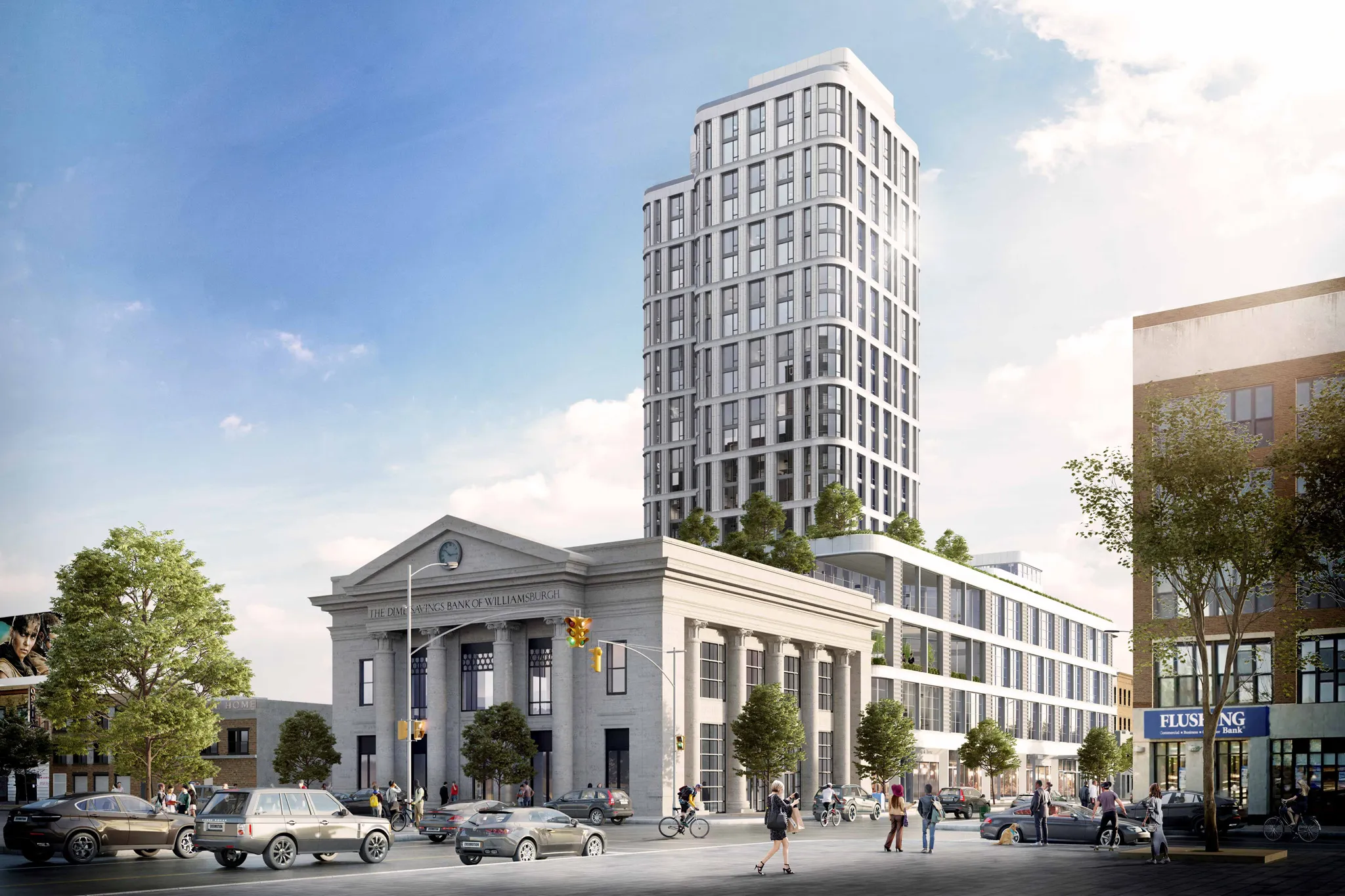
One of the most striking features of New York City is its extreme economic inequality. The city is home to some of the world’s wealthiest individuals, particularly in areas like Upper East Side, while also housing large populations living in poverty.
The presence of Wall Street symbolizes global capitalism and financial power. At the same time, issues such as homelessness and unemployment persist in many parts of the city.
Urban sociologists analyze this inequality through concepts such as:
- Class stratification
- Capital accumulation
- Structural inequality
The widening gap between rich and poor reflects broader systemic issues, including rising housing costs, wage stagnation, and unequal access to education and healthcare.
Urban Space and Segregation
Urban space in New York City is not evenly distributed. Residential patterns often reflect socioeconomic and racial divisions. While legal segregation has declined, de facto segregation continues to exist.
Areas like Brooklyn and Bronx contain both affluent and disadvantaged neighborhoods, often separated by invisible social boundaries.
Gentrification is a key process reshaping urban space. Formerly working-class neighborhoods are transformed by rising property values and the influx of wealthier residents. While gentrification can lead to urban renewal, it often displaces long-term residents and alters community identity.
Urban Culture and Social Life
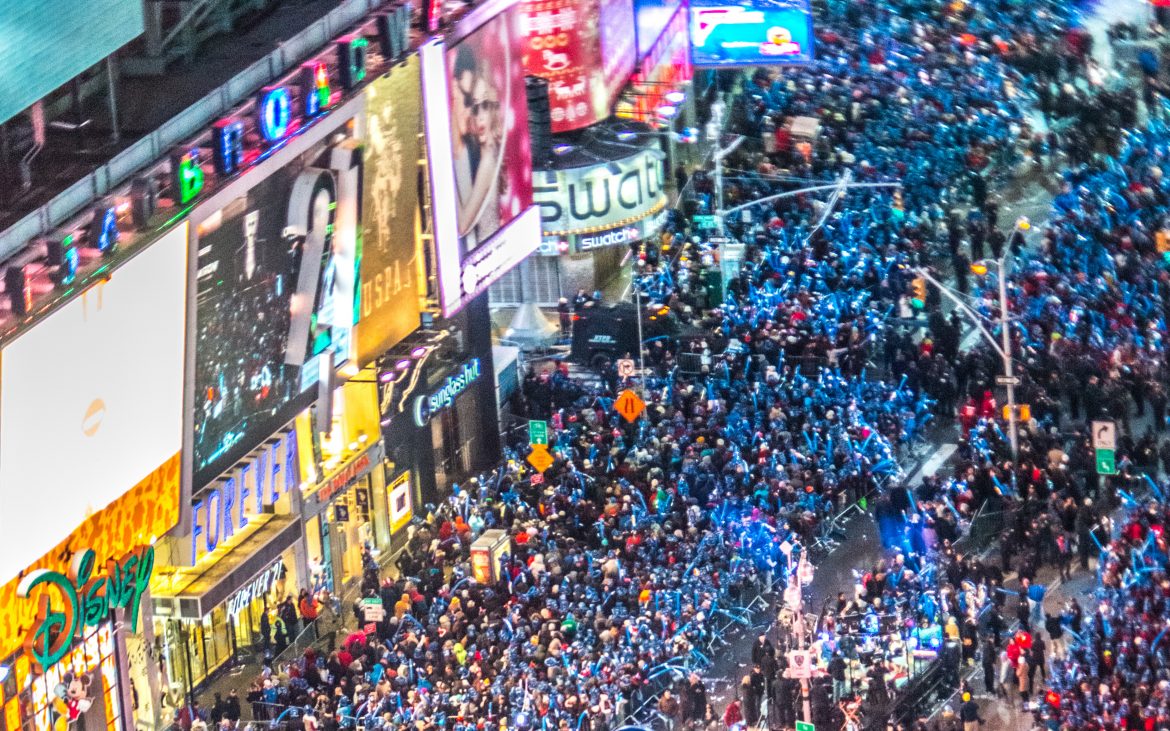
New York City is a global center of culture, creativity, and innovation. Institutions such as Broadway and Times Square reflect the city’s vibrant cultural life.
Urban sociologists view culture as both a product and a driver of social interaction. Public spaces like Central Park serve as sites of social integration, where people from diverse backgrounds interact.
At the same time, urban life in New York is characterized by anonymity, fast-paced routines, and individualism. Sociologist Georg Simmel described metropolitan life as producing a “blasé attitude,” where individuals become desensitized due to constant stimulation.
Migration, Mobility, and Social Networks
Migration continues to shape New York City’s social structure. New arrivals contribute to the labor force, cultural diversity, and economic vitality.
Social networks play a crucial role in helping migrants adapt to urban life. Ethnic communities provide support systems, including employment opportunities, housing, and cultural familiarity.
However, migration also raises challenges such as:
- Language barriers
- Legal status issues
- Economic marginalization
Urban sociology emphasizes the importance of social capital in facilitating integration and upward mobility.
Urban Governance and Public Policy
The governance of New York City involves complex interactions between local government, private institutions, and community organizations. Policies related to housing, transportation, and public safety significantly impact urban life.
For example, rent control policies aim to make housing affordable, while urban planning initiatives seek to improve infrastructure and sustainability.
However, policy implementation often reflects power dynamics and political interests, leading to unequal outcomes. Marginalized communities may have limited influence in decision-making processes.
Crime, Safety, and Social Order
New York City has experienced significant changes in crime rates over the decades. While crime declined substantially in the late 20th century, concerns about safety remain part of urban discourse.
Sociologists analyze crime through various theories:
- Social disorganization theory
- Strain theory
- Broken windows theory
These frameworks highlight the relationship between social conditions and criminal behavior. Policing strategies, community engagement, and economic opportunities all play roles in maintaining social order.
Technology and Urban Transformation
The rise of digital technology has transformed urban life in New York City. From smart infrastructure to gig economy platforms, technology reshapes work, communication, and social interaction.
Neighborhoods like Silicon Alley represent the city’s growing tech sector. However, technological advancement also contributes to inequality, as access to digital resources varies across populations.
Environmental Challenges and Sustainability
Urban environments face significant ecological challenges, including pollution, climate change, and resource management. New York City has implemented sustainability initiatives such as green buildings, public transportation improvements, and urban parks.
Events like Hurricane Sandy highlighted the city’s vulnerability to environmental disasters. Urban sociology examines how environmental risks disproportionately affect low-income communities.
Conclusion
The urban sociology of New York City reveals a complex interplay of diversity, inequality, and transformation. The city embodies both the opportunities and challenges of modern urban life.
As a global metropolis, New York continues to evolve, shaped by economic forces, migration, technological change, and cultural dynamics. Understanding its sociological dimensions provides valuable insights into broader patterns of urbanization and social change.
In essence, New York City is not just a place—it is a living laboratory of urban sociology, where the contradictions of modern society are both visible and constantly negotiated.
FAQs on Urban Sociology of New York City
- What is meant by Urban Sociology of New York City?
Urban Sociology of New York City refers to the study of social structures, relationships, and processes within New York City, focusing on diversity, inequality, and urban life. - Why is Urban Sociology of New York City important?
Urban Sociology of New York City is important because it helps understand how one of the world’s most complex cities functions socially, economically, and culturally. - How does diversity shape Urban Sociology of New York City?
Urban Sociology of New York City highlights diversity as a key feature, where multiple ethnic, cultural, and linguistic groups coexist and interact. - What role does migration play in Urban Sociology of New York City?
Migration is central to Urban Sociology of New York City, as continuous inflows of people shape demographics, labor markets, and cultural landscapes. - How does inequality influence Urban Sociology of New York City?
Urban Sociology of New York City examines inequality through income gaps, housing disparities, and unequal access to resources. - What is the impact of gentrification on Urban Sociology of New York City?
Urban Sociology of New York City studies gentrification as a process that transforms neighborhoods but often displaces lower-income residents. - How does urban space reflect Urban Sociology of New York City?
Urban Sociology of New York City analyzes how neighborhoods are divided along class and racial lines, shaping social interaction. - What cultural aspects are included in Urban Sociology of New York City?
Urban Sociology of New York City includes cultural institutions, arts, public spaces, and everyday social practices. - How does crime relate to Urban Sociology of New York City?
Urban Sociology of New York City studies crime through social theories, linking it to economic conditions and community structures. - What role does technology play in Urban Sociology of New York City?
Urban Sociology of New York City explores how digital transformation affects work, communication, and inequality. - How does housing affect Urban Sociology of New York City?
Urban Sociology of New York City emphasizes housing as a major issue due to high costs, rent control debates, and homelessness. - What are the environmental concerns in Urban Sociology of New York City?
Urban Sociology of New York City examines sustainability challenges, climate risks, and unequal environmental impacts. - How does governance shape Urban Sociology of New York City?
Urban Sociology of New York City studies how policies and political decisions influence urban development and social justice. - What is the role of public spaces in Urban Sociology of New York City?
Urban Sociology of New York City highlights public spaces as areas of interaction, integration, and sometimes conflict. - How does Urban Sociology of New York City reflect global urban trends?
Urban Sociology of New York City serves as a model for understanding globalization, urbanization, and social transformation worldwide.