Introduction
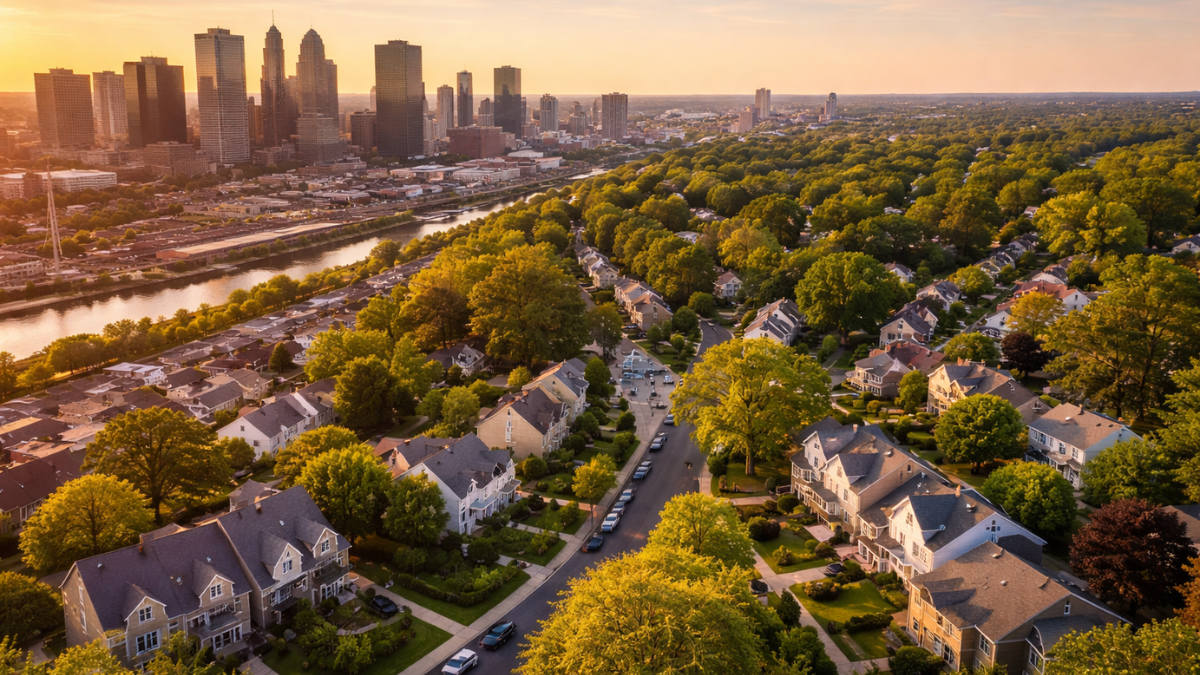
Urban inequality and suburbanization are deeply interconnected processes that have shaped the socio-spatial structure of modern American cities. In the state of New Jersey, these processes have produced a distinctive pattern of economic, racial, and spatial disparities. Located within the larger New York metropolitan region, New Jersey presents a compelling case for examining how suburban growth, economic restructuring, and historical segregation have contributed to persistent inequality.
Urban inequality refers to the unequal distribution of resources, opportunities, and services within and between urban areas. Sociologists increasingly emphasize the concept of spatial inequality, which highlights how geographic location determines access to wealth, education, employment, and social mobility . Suburbanization, on the other hand, involves the movement of populations—often wealthier groups—from central cities to surrounding suburban areas, reshaping both urban and suburban landscapes.
This article explores the sociological dimensions of urban inequality and suburbanization in New Jersey by examining historical trends, structural causes, racial dynamics, economic transformations, and policy implications.
Historical Background of Suburbanization in New Jersey
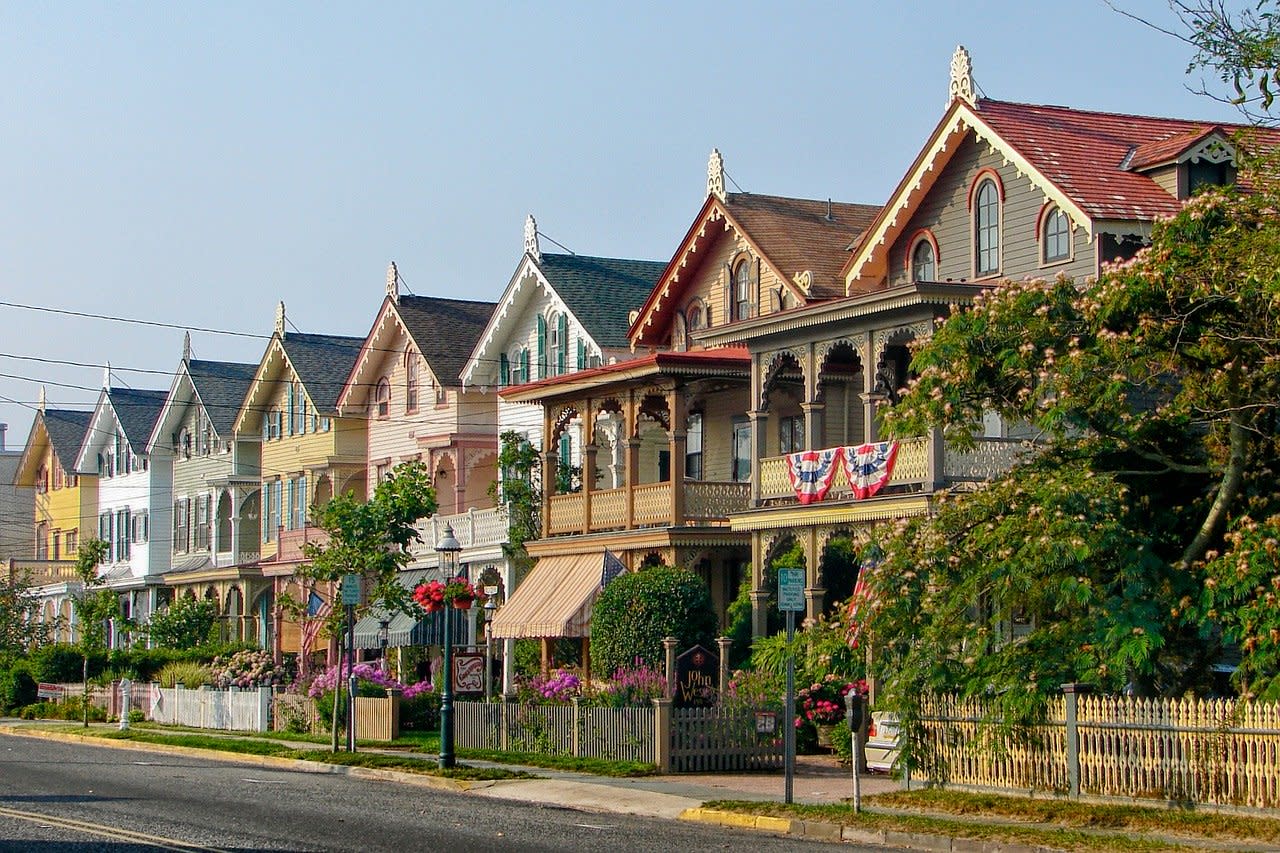
The roots of suburbanization in New Jersey can be traced back to the mid-20th century, particularly during the post-World War II era. This period witnessed rapid suburban expansion driven by federal housing policies, highway construction, and rising middle-class incomes.
The development of suburban communities was not merely a demographic shift but also a socio-political process. Government-backed mortgage programs and zoning regulations often favored white middle-class families, while minority populations—especially African Americans—remained concentrated in urban centers. This resulted in a pattern of racialized suburbanization, where access to suburban living was unevenly distributed.
Suburbanization also contributed to the economic decline of cities such as Newark, Camden, and Trenton. As wealthier residents moved to suburbs, cities experienced a reduction in tax revenues, leading to declining public services. Research indicates that suburbanization often results in lower tax bases for cities and weakened urban infrastructure .
Understanding Urban Inequality: A Spatial Perspective
Urban inequality in New Jersey is best understood through the lens of spatial sociology. Spatial inequality refers to the uneven distribution of resources across different geographic areas. In New Jersey, this inequality manifests in stark contrasts between affluent suburbs and economically disadvantaged urban centers.
Urban sociologists argue that inequality is not just about income differences but also about access to opportunities shaped by location. For example, suburban areas often provide better schools, safer neighborhoods, and greater employment opportunities, while urban areas may struggle with underfunded institutions and limited economic mobility.
Moreover, inequality operates at multiple spatial levels—within cities, within suburbs, and between cities and suburbs. Studies show that metropolitan-level segregation has increased due to divisions between cities and suburbs, rather than just within cities themselves .
Economic Restructuring and Inequality
Economic changes have played a significant role in shaping urban inequality in New Jersey. The decline of manufacturing industries in cities like Newark and Camden led to job losses and increased poverty. At the same time, suburban areas experienced growth in service-sector and knowledge-based industries.
This shift created a phenomenon known as spatial mismatch, where low-income urban residents are physically separated from employment opportunities located in suburban areas. As a result, access to jobs becomes limited by transportation barriers and geographic distance.

Research on New Jersey highlights how suburban transformation has reshaped labor markets and housing patterns, often trapping low-income populations in cycles of poverty due to limited access to opportunities .
Furthermore, economic inequality has intensified over time. Recent reports indicate that economic disparities have hardened both between cities and suburbs and within them, suggesting that inequality is becoming more entrenched rather than diminishing .
Racial Segregation and Suburbanization
Racial inequality remains a central aspect of urban inequality in New Jersey. Historically, discriminatory practices such as redlining, restrictive covenants, and exclusionary zoning policies limited the ability of minority groups to move into suburban areas.
While suburbanization was once predominantly associated with white populations, recent decades have seen increased racial diversity in suburban communities. However, this does not necessarily imply equality. Instead, new forms of segregation have emerged, often within suburban areas themselves.
Studies show that Black suburbanization has increased significantly, with a growing proportion of African Americans living in suburban areas since the 1970s . However, these populations often reside in less affluent suburbs with fewer resources, indicating a shift rather than a resolution of inequality.
In New Jersey, suburbanization has sometimes reinforced racial boundaries rather than dissolving them. Sociological research highlights how suburban growth contributed to the persistence of racial segregation and limited the transformative potential of civil rights movements in the region .
The Changing Nature of Suburbs
Traditional sociological perspectives viewed suburbs as homogeneous, affluent, and predominantly white. However, contemporary research challenges this notion, emphasizing the growing diversity and inequality within suburban areas.
Suburbs in New Jersey now exhibit significant variation in income levels, racial composition, and access to resources. Some suburbs are highly affluent, while others face increasing poverty and social challenges. This phenomenon is often described as the “suburbanization of poverty.”
Sociologists argue that suburban inequality is dynamic and varies across different regions. Suburbs surrounding major metropolitan areas can display diverse patterns of inequality depending on historical development, economic conditions, and policy frameworks .
This transformation complicates the traditional urban-suburban divide and requires a more nuanced understanding of inequality across metropolitan regions.
Housing, Gentrification, and Displacement
Housing plays a crucial role in shaping urban inequality. In New Jersey, disparities in housing affordability and quality contribute significantly to socio-economic divisions.
Urban areas often face issues such as overcrowding, deteriorating infrastructure, and rising housing costs. At the same time, suburban areas may offer better housing conditions but remain inaccessible to low-income populations due to high costs and restrictive zoning laws.
Gentrification has emerged as a significant factor in reshaping urban neighborhoods. As wealthier individuals move into previously low-income urban areas, property values increase, leading to the displacement of long-term residents. This process often exacerbates inequality by pushing marginalized populations into less desirable areas.
Environmental factors also contribute to inequality. For instance, access to green spaces and environmental quality can vary significantly between neighborhoods, influencing health outcomes and quality of life.
Transportation and Accessibility
Transportation is a key factor in understanding urban inequality in New Jersey. The spatial separation between residential areas and employment centers creates challenges for low-income populations who rely on public transportation.
Suburban areas are often designed around automobile use, making it difficult for individuals without access to private vehicles to commute to work. This lack of accessibility reinforces economic disparities and limits upward mobility.
Sociological research highlights how transportation systems can contribute to segregation by restricting access to opportunities. Limited transit options often confine disadvantaged populations to specific areas, perpetuating cycles of inequality.
Social Networks and Community Life
Urban and suburban environments differ significantly in terms of social networks and community dynamics. Urban areas tend to have more diverse but less tightly knit social networks, while suburban areas often foster more homogeneous communities.

However, suburbanization can also lead to social isolation, particularly for individuals without access to transportation. Studies suggest that the spatial design of suburbs—characterized by low density and separation of functions—can limit social interaction and community engagement .
For marginalized populations, these social dynamics can exacerbate inequality by reducing access to support networks and resources.
Policy Implications and Governance
Addressing urban inequality and suburbanization in New Jersey requires comprehensive policy interventions. Key areas of focus include housing, transportation, education, and economic development.
Affordable housing policies are essential for reducing spatial inequality. Inclusionary zoning and housing subsidies can help ensure that low-income populations have access to suburban areas with better opportunities.
Transportation policies should aim to improve connectivity between urban and suburban areas. Expanding public transit systems can reduce spatial mismatch and enhance access to employment.
Education is another critical factor. Reducing disparities in school funding and quality can help address long-term inequality and promote social mobility.
Finally, regional planning approaches are necessary to address inequality at the metropolitan level. Coordinated policies across cities and suburbs can help reduce disparities and promote more equitable development.
Conclusion
Urban inequality and suburbanization in New Jersey are complex and interconnected processes that reflect broader patterns of social, economic, and spatial transformation. While suburbanization has historically been associated with prosperity and opportunity, it has also contributed to the fragmentation of metropolitan regions and the persistence of inequality.
From a sociological perspective, inequality in New Jersey cannot be understood solely in terms of income or class. It must also be analyzed in relation to space, race, and institutional structures. The concept of spatial inequality provides a valuable framework for examining how geographic location shapes access to resources and opportunities.
Despite significant changes in demographic patterns and economic structures, inequality remains deeply entrenched in New Jersey. The growing diversity of suburbs and the increasing complexity of urban-suburban relationships highlight the need for new approaches to understanding and addressing inequality.
Ultimately, achieving greater social equity requires not only policy reforms but also a rethinking of the spatial organization of society. By addressing the structural causes of inequality and promoting inclusive development, it is possible to create more equitable and sustainable urban futures.
FAQs (Focus Keyword: Suburbanization in New Jersey)
- What is Suburbanization in New Jersey?
Suburbanization in New Jersey refers to the movement of people, businesses, and resources from urban centers to surrounding suburban areas, leading to spatial and social restructuring. - What are the main causes of Suburbanization in New Jersey?
The main causes include economic growth, highway development, housing policies, and the desire for better living conditions. - How has Suburbanization in New Jersey affected urban inequality?
Suburbanization has increased urban inequality by concentrating wealth in suburbs and poverty in cities. - What role does race play in Suburbanization in New Jersey?
Race has historically influenced suburbanization through segregation policies like redlining and exclusionary zoning. - Is Suburbanization in New Jersey still increasing today?
Yes, but it has evolved, with more diverse populations moving into suburbs and new patterns of inequality emerging. - How does Suburbanization in New Jersey impact housing?
It creates disparities in housing quality, affordability, and access between urban and suburban areas. - What is the suburbanization of poverty in New Jersey?
It refers to the increasing number of low-income populations moving into suburban areas. - How does transportation influence Suburbanization in New Jersey?
Limited public transportation in suburbs affects job access and reinforces inequality. - What are the economic effects of Suburbanization in New Jersey?
It shifts economic growth to suburban regions while weakening urban economies. - How has Suburbanization in New Jersey changed over time?
It has shifted from predominantly white, affluent suburbs to more diverse and unequal suburban spaces. - What is spatial inequality in the context of Suburbanization in New Jersey?
Spatial inequality refers to unequal access to resources based on geographic location. - Does Suburbanization in New Jersey reduce or increase segregation?
It often reshapes segregation rather than eliminating it, creating new forms within suburbs. - What policies influence Suburbanization in New Jersey?
Housing policies, zoning laws, and transportation planning significantly shape suburbanization. - How does Suburbanization in New Jersey affect education?
It creates disparities in school quality between urban and suburban districts. - What are the future trends of Suburbanization in New Jersey?
Future trends include increased diversity, suburban poverty, and the need for inclusive planning.