
Introduction
Urban growth is one of the most significant forces shaping contemporary societies. In the United States, regions such as North Carolina have witnessed rapid urban expansion over the past few decades, transforming not only physical landscapes but also social structures, cultural patterns, and economic relations. Cities like Charlotte, Raleigh, and Durham have become hubs of innovation, migration, and demographic change.
From a sociological perspective, urban growth is not merely about population increase or infrastructure development. It involves complex processes such as social stratification, migration, cultural diversification, and institutional transformation. This article explores the dynamics of urban growth in North Carolina and its impact on social change, focusing on economic restructuring, demographic shifts, inequality, community life, and cultural transformations.
Explore Social Change in North Carolina through urban growth, migration, economic transformation, and cultural shifts in this detailed sociological analysis.
The Historical Context of Urban Growth
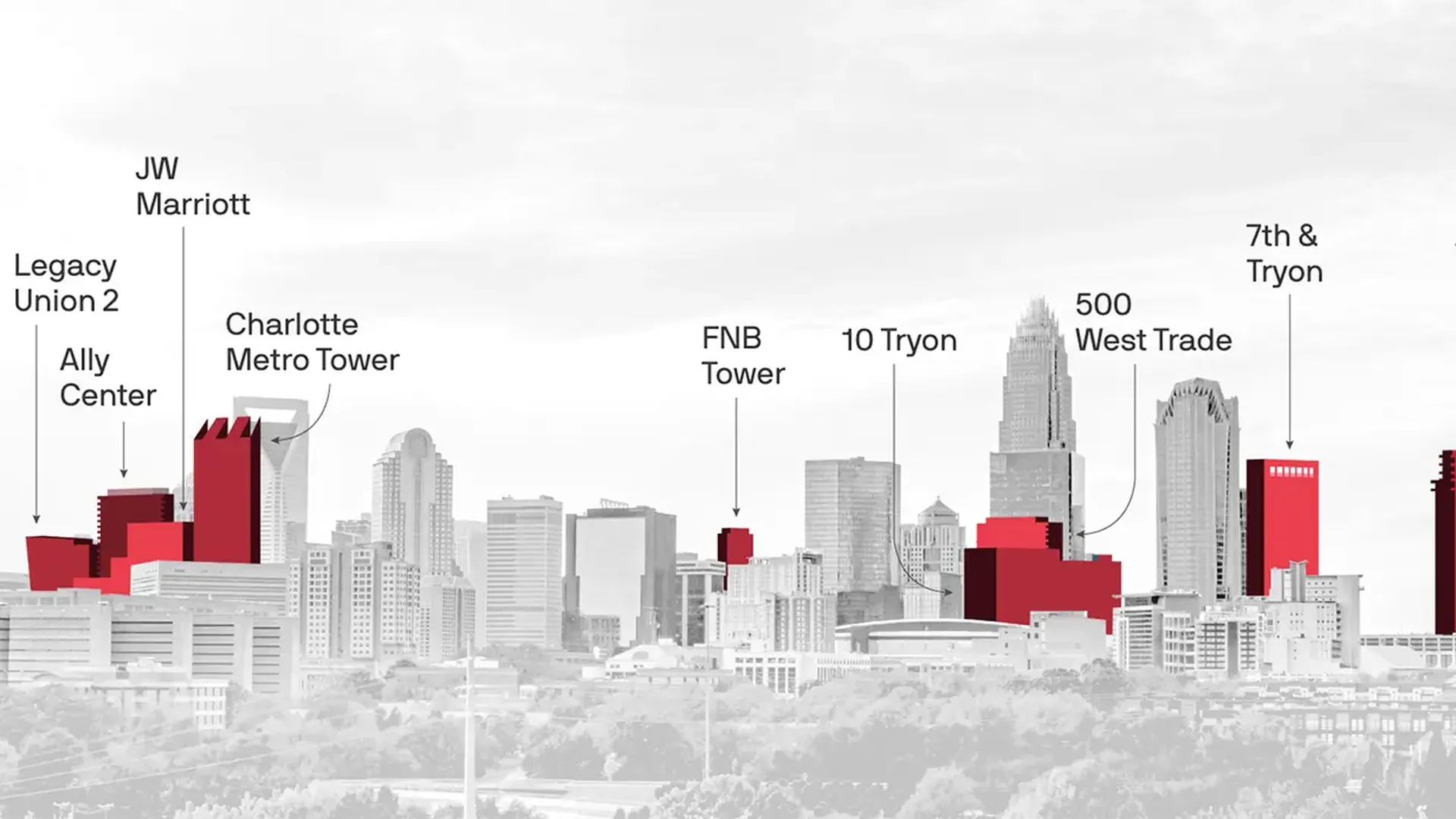
Urban growth in North Carolina has deep historical roots. During the early 20th century, the state was largely rural, with agriculture and textile industries dominating the economy. However, post-World War II industrialization and later the rise of the service and technology sectors transformed the urban landscape.
The establishment of the Research Triangle Park (RTP) in the 1950s marked a turning point. Located between Raleigh, Durham, and Chapel Hill, RTP attracted high-tech industries, universities, and research institutions. This led to rapid urban expansion and population growth in surrounding areas.
Sociologically, this transition reflects the shift from a traditional agrarian society to a modern, urban-industrial society. It also illustrates the concept of structural transformation, where economic changes lead to new forms of social organization.
Economic Restructuring and Urban Development
One of the primary drivers of urban growth in North Carolina is economic restructuring. The decline of manufacturing industries and the rise of finance, technology, healthcare, and education sectors have reshaped urban economies.
For instance, Charlotte has emerged as a major financial center, often considered the second-largest banking hub in the United States after New York. Meanwhile, Raleigh and Durham have become centers for technology and research, attracting skilled professionals from across the country and the world.
This shift has several sociological implications:
- Occupational Mobility: New job opportunities in high-skill sectors have increased upward mobility for some groups while marginalizing others.
- Class Formation: A new urban middle class has emerged, consisting of professionals, entrepreneurs, and knowledge workers.
- Spatial Inequality: Economic growth is unevenly distributed, leading to disparities between affluent urban neighborhoods and economically disadvantaged areas.
Urban growth, therefore, is closely tied to the restructuring of class relations and economic hierarchies.
Migration and Demographic Changes
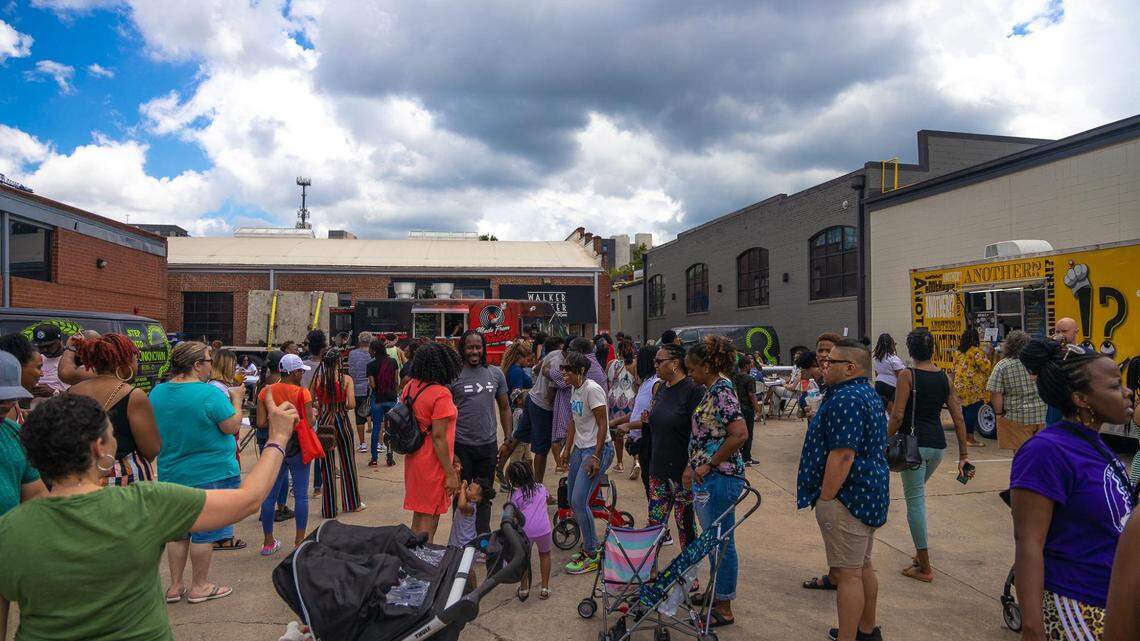
Migration plays a central role in shaping urban growth. North Carolina has experienced both internal migration (from other U.S. states) and international immigration. Cities like Charlotte and Raleigh have become attractive destinations due to job opportunities, relatively lower cost of living, and quality of life.
These migration patterns have led to:
- Population Growth: Rapid increase in urban populations.
- Cultural Diversity: Expansion of ethnic and cultural communities, including Hispanic, Asian, and African immigrant populations.
- Changing Family Structures: Increase in nuclear families, dual-income households, and non-traditional family forms.
From a sociological perspective, these changes contribute to what is known as multicultural urbanism, where diverse cultural groups coexist and interact within urban spaces.
However, migration also creates challenges, such as social integration, cultural tensions, and competition for resources.
Urban Inequality and Social Stratification
Urban growth often brings prosperity, but it also intensifies inequality. In North Carolina, the benefits of economic expansion are not equally shared.
Key Dimensions of Inequality
- Income Inequality: High-income professionals coexist with low-wage service workers.
- Housing Inequality: Rising housing costs have led to affordability issues, particularly in rapidly growing cities.
- Racial Disparities: Historical patterns of segregation continue to influence access to education, employment, and housing.
Gentrification is a significant phenomenon in cities like Durham and Charlotte. As affluent residents move into previously low-income neighborhoods, property values increase, often displacing long-term residents.
This reflects the sociological concept of spatial stratification, where social inequalities are embedded in geographic spaces.
Urbanization and Community Life
Urban growth transforms not only economic and demographic structures but also community life and social relationships.
In traditional rural settings, communities are often characterized by close-knit relationships, strong social bonds, and shared cultural norms. In contrast, urban environments tend to promote:
- Individualism: Greater emphasis on personal achievement and autonomy.
- Social Mobility: Increased opportunities for upward movement.
- Weaker Social Ties: Reduced face-to-face interactions and community cohesion.
However, this does not mean that urban communities lack social connections. Instead, they develop new forms of social networks, often based on shared interests, professions, or cultural identities.
In North Carolina, community organizations, local festivals, and civic initiatives play a crucial role in maintaining social cohesion amidst rapid urban growth.
Cultural Transformation and Identity

Urban growth leads to significant cultural transformations. Cities become centers of cultural production, innovation, and exchange.
In North Carolina, urban areas have witnessed:
- Expansion of Arts and Entertainment: Growth of theaters, museums, music venues, and cultural festivals.
- Hybrid Cultural Identities: Blending of traditional Southern culture with global influences.
- Youth Culture: Emergence of new lifestyles shaped by technology, media, and urban experiences.
These changes reflect the sociological concept of cultural globalization, where local cultures interact with global trends, creating new forms of identity.
At the same time, there is often a tension between preserving traditional cultural heritage and embracing modernization.
Urban Governance and Policy Challenges
Urban growth presents significant challenges for governance and public policy. Local governments in North Carolina must address issues such as:
- Infrastructure development
- Transportation systems
- Affordable housing
- Environmental sustainability
Rapid urban expansion often strains existing infrastructure, leading to traffic congestion, pollution, and pressure on public services.
Policies aimed at sustainable urban development are increasingly important. These include:
- Smart growth strategies
- Public transportation expansion
- Green urban planning
From a sociological perspective, governance reflects power relations and decision-making processes that shape urban life.
Environmental Impacts of Urban Growth
Urban growth has profound environmental consequences. Expansion of cities often leads to:
- Loss of natural habitats
- Increased carbon emissions
- Urban heat island effects
In North Carolina, balancing economic growth with environmental sustainability is a critical challenge. Urban planning must consider ecological impacts while accommodating population growth.
This aligns with the concept of sustainable development, which emphasizes meeting present needs without compromising future generations.
Technology and Urban Transformation
Technology plays a key role in shaping modern urban life. In North Carolina, the presence of research institutions and tech companies has led to the development of smart cities.
Technological advancements influence:
- Work patterns (remote work, gig economy)
- Communication (digital networks, social media)
- Urban services (smart infrastructure, data-driven governance)
These changes reflect the broader sociological shift toward an information society, where knowledge and technology become central to social organization.
Conclusion
Urban growth in North Carolina is a complex and multifaceted process that reshapes economic structures, social relations, and cultural identities. Cities like Charlotte, Raleigh, and Durham illustrate how urban expansion can drive both opportunities and challenges.
From a sociological perspective, urban growth is not simply about development but about transformation. It involves the reorganization of social life, the emergence of new inequalities, and the creation of diverse cultural landscapes.
Understanding these dynamics is essential for policymakers, scholars, and citizens alike. As North Carolina continues to grow, the challenge lies in ensuring that urban development is inclusive, sustainable, and socially equitable.
Urban growth, when managed effectively, has the potential to enhance quality of life, foster innovation, and create vibrant, diverse communities. However, without careful planning and social awareness, it can also deepen inequalities and disrupt social cohesion.
Thus, the study of urban growth and social change remains a vital area of sociological inquiry, offering insights into the evolving nature of modern society.
FAQs
- What is meant by Social Change in North Carolina?
Social Change in North Carolina refers to the transformation of social structures, cultural norms, economic systems, and population dynamics due to urbanization, migration, and technological development. - What are the main drivers of Social Change in North Carolina?
Key drivers include urban growth, economic restructuring, migration, education expansion, and technological innovation. - How has urbanization influenced Social Change in North Carolina?
Urbanization has reshaped lifestyles, increased diversity, and altered social relationships, leading to more individualistic and fast-paced urban communities. - What role does migration play in Social Change in North Carolina?
Migration contributes to cultural diversity, labor force expansion, and changing demographics, significantly influencing Social Change in North Carolina. - How does economic growth affect Social Change in North Carolina?
Economic growth creates new job opportunities, shifts class structures, and increases both prosperity and inequality. - What is the impact of Social Change in North Carolina on family structures?
It has led to smaller family sizes, dual-income households, and more diverse family forms. - How does Social Change in North Carolina affect rural areas?
Rural areas experience population decline, economic shifts, and cultural transformation due to urban migration. - What is the relationship between education and Social Change in North Carolina?
Education promotes social mobility, innovation, and skill development, playing a crucial role in societal transformation. - How has technology contributed to Social Change in North Carolina?
Technology has changed communication, work patterns, and access to information, accelerating social transformation. - What are the challenges associated with Social Change in North Carolina?
Challenges include inequality, housing affordability, cultural tensions, and environmental concerns. - How does Social Change in North Carolina impact cultural identity?
It leads to hybrid cultural identities, blending traditional Southern values with global influences. - What is the role of government in managing Social Change in North Carolina?
Government policies address urban planning, social welfare, infrastructure, and sustainable development. - How does Social Change in North Carolina influence social inequality?
It can both reduce and increase inequality depending on access to resources and opportunities. - What are the environmental effects of Social Change in North Carolina?
Urban expansion contributes to pollution, habitat loss, and climate-related challenges. - Why is studying Social Change in North Carolina important?
It helps understand societal transformations, policy needs, and future development challenges.