
Introduction
In recent decades, Ireland has experienced profound social and economic transformations driven by globalization, neoliberal economic policies, and rapid urban development. While these changes brought periods of growth and prosperity—most notably during the Celtic Tiger era—they also deepened structural inequalities within Irish society. One of the most visible and socially disruptive outcomes of these inequalities is the ongoing housing crisis. Rising homelessness, unaffordable rents, housing shortages, and spatial segregation have turned housing into a central sociological issue in Ireland.
From a sociological perspective, the housing crisis in Ireland is not merely a problem of supply and demand; it is deeply embedded in systems of social inequality, power relations, class structure, state policy, and global capital flows. This article examines the Irish housing crisis through the lens of social inequality, focusing on class, income, migration, gender, and generational divides, while also analyzing the role of the state and the market in shaping housing outcomes.
Understanding Social Inequality in Ireland
Social inequality refers to unequal access to resources, opportunities, and life chances among individuals and groups within a society. In Ireland, inequality has historically been shaped by colonial legacies, land ownership patterns, religious divisions, and uneven regional development. Although Ireland is often portrayed as a relatively egalitarian society compared to other European nations, recent data reveal widening gaps between rich and poor.
Income inequality, though moderate by European standards, has increased due to rising living costs, precarious employment, and wealth concentration. Wealth inequality is particularly pronounced, as property ownership remains one of the primary sources of economic security and intergenerational advantage. Those who own property benefit from rising asset values, while those who rent face instability and financial stress.
Housing plays a critical role in reproducing social inequality because it intersects with education, health, employment, and social mobility. Secure housing provides stability and social integration, whereas housing insecurity reinforces marginalization and exclusion.
Historical Background of Housing in Ireland
To understand the current housing crisis, it is essential to examine Ireland’s housing history. In the post-independence period, Irish housing policy strongly promoted homeownership. The state invested in social housing during the mid-20th century, particularly for working-class families. However, from the 1980s onward, Ireland gradually shifted towards market-oriented housing policies.
The Celtic Tiger period (mid-1990s to 2008) witnessed a construction boom fueled by speculative investment, easy credit, and deregulated markets. Housing was increasingly treated as a commodity rather than a social good. When the global financial crisis hit in 2008, Ireland experienced a dramatic property crash, leading to bank failures, unemployment, and austerity measures.
Although housing construction collapsed after the crash, population growth resumed in the following decade, driven by natural increase and immigration. However, housing supply failed to keep pace with demand, setting the stage for the current crisis.
The Contemporary Housing Crisis in Ireland
Ireland’s housing crisis is characterized by severe shortages, escalating rents, rising house prices, and increasing homelessness. Urban areas, particularly Dublin, Cork, and Galway, are most affected. Private rents have reached historic highs, making housing unaffordable for many workers, including those in stable employment.

Homeownership has become increasingly inaccessible, especially for younger generations. Rising deposit requirements and mortgage restrictions disproportionately affect lower- and middle-income households. As a result, many people remain in the private rental sector longer than intended, despite its instability.
Homelessness has become one of the most alarming manifestations of the crisis. Families, children, migrants, and single adults increasingly rely on emergency accommodation, revealing the social costs of housing inequality.
Class and Housing Inequality
Class remains a central factor in shaping housing outcomes in Ireland. Middle- and upper-class households with access to financial resources, family support, and inherited wealth are better positioned to purchase homes. In contrast, working-class and low-income groups face significant barriers to secure housing.
Private renting is disproportionately associated with lower-income groups, who often experience poor housing conditions, overcrowding, and insecure tenancies. The lack of rent control for many years allowed landlords to increase rents beyond affordable levels, further exacerbating class-based inequality.
Social housing, once a major component of Irish housing policy, has been significantly reduced. Long waiting lists and limited availability mean that many vulnerable households remain excluded from this safety net.
Generational Inequality and Housing
The housing crisis has intensified generational inequality in Ireland. Older generations who purchased homes before or during the early stages of the housing boom have benefited from rising property values. Younger generations, particularly millennials and Generation Z, face a very different reality.
Young adults struggle to save for deposits due to high rents and insecure employment. Many are forced to delay key life transitions such as marriage, parenthood, and independent living. The phenomenon of young people living with parents well into adulthood has become increasingly common, reflecting constrained housing opportunities rather than cultural preference.
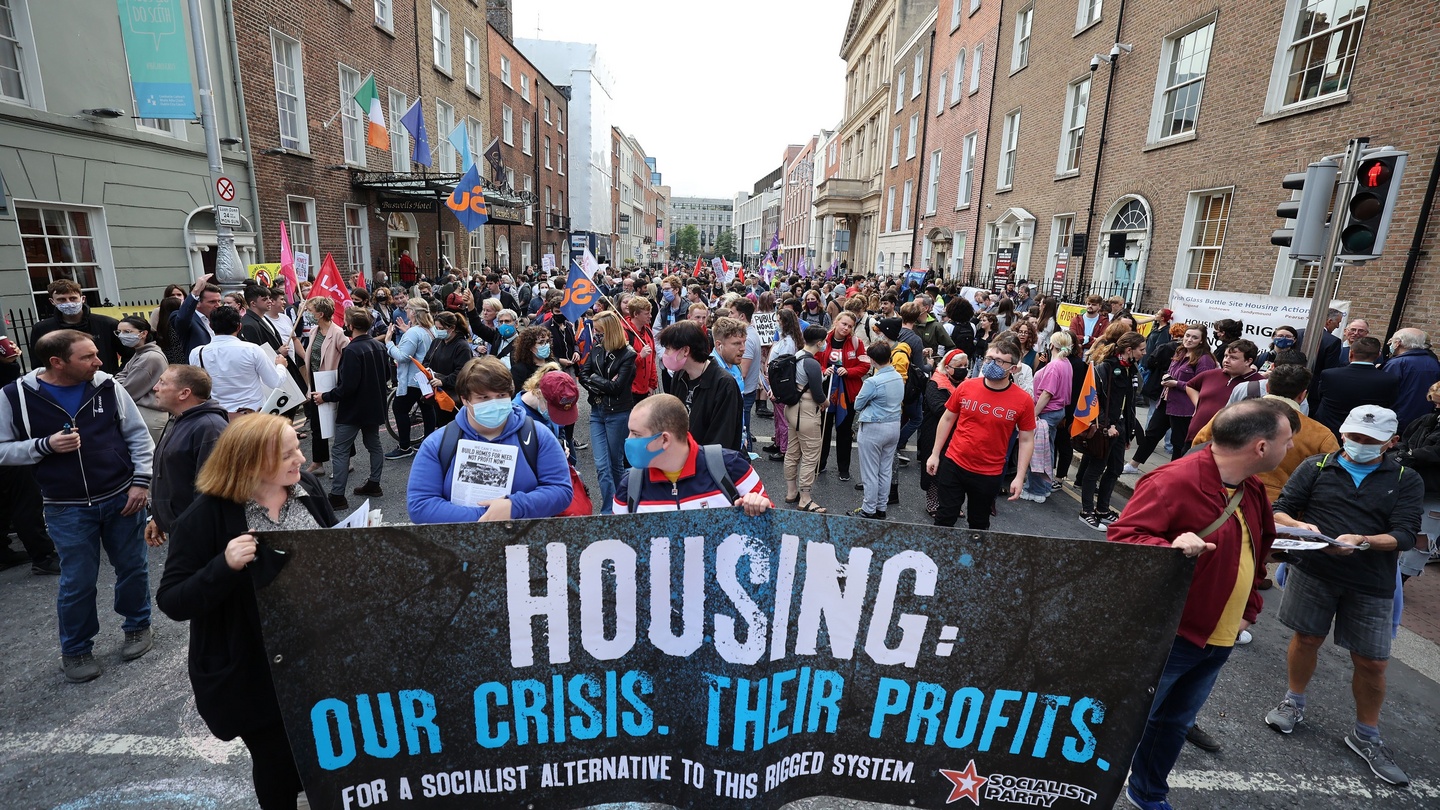
From a sociological perspective, this generational divide undermines the principle of equal life chances and creates long-term social consequences, including frustration, political disillusionment, and reduced social mobility.
Migration, Ethnicity, and Housing Inequality
Migration has played a significant role in Ireland’s demographic changes, especially since the early 2000s. Migrants often face disproportionate housing challenges due to lower incomes, discrimination, and limited access to social housing.
Ethnic minorities, including members of the Traveller community, experience severe housing exclusion. Travellers face overcrowding, poor living conditions, and inadequate state support, reflecting deep-rooted social discrimination and institutional neglect.
International migrants working in essential sectors such as healthcare, hospitality, and construction frequently live in overcrowded or insecure housing. This highlights the contradiction between Ireland’s economic dependence on migrant labor and its failure to provide adequate housing for these workers.
Gender and Housing Insecurity
Housing inequality also has a gendered dimension. Women, particularly single mothers and older women, are more vulnerable to housing insecurity due to income disparities, caregiving responsibilities, and labor market inequalities.
Domestic violence is closely linked to housing precarity. Many women remain in abusive relationships because of a lack of safe and affordable housing alternatives. Emergency accommodation often fails to meet the specific needs of women and children, further compounding their vulnerability.
A sociological analysis reveals that housing policy often overlooks gender-specific needs, reinforcing structural inequalities within the housing system.
The Role of the State and Neoliberal Policy
The Irish housing crisis cannot be fully understood without examining the role of the state. Over recent decades, housing policy has increasingly relied on market mechanisms and private developers to deliver housing. This neoliberal approach assumes that the market can efficiently allocate housing resources, but in practice it has prioritized profit over social need.
State investment in social and affordable housing has remained insufficient, despite growing demand. Public-private partnerships and housing assistance schemes often benefit landlords rather than tenants, reinforcing inequalities.
From a sociological standpoint, the state’s retreat from direct housing provision represents a shift in responsibility from collective welfare to individual risk. Housing insecurity becomes normalized, and social inequality is reproduced through policy choices.
Spatial Inequality and Urban Segregation
Housing inequality in Ireland is also spatial in nature. Urban centers offer employment opportunities, education, and services, but housing costs in these areas are prohibitively high. This leads to spatial segregation, where lower-income households are pushed to peripheral or poorly serviced areas.
Rural areas, while cheaper, often lack employment opportunities and infrastructure, creating a different form of housing disadvantage. This uneven development reinforces regional inequalities and limits social mobility.
Spatial inequality affects access to quality education, healthcare, and social networks, demonstrating how housing location shapes broader life chances.
Social Consequences of the Housing Crisis
The housing crisis has far-reaching social consequences. Housing insecurity contributes to stress, mental health problems, family instability, and social isolation. Children growing up in unstable housing conditions face educational disadvantages and emotional distress.
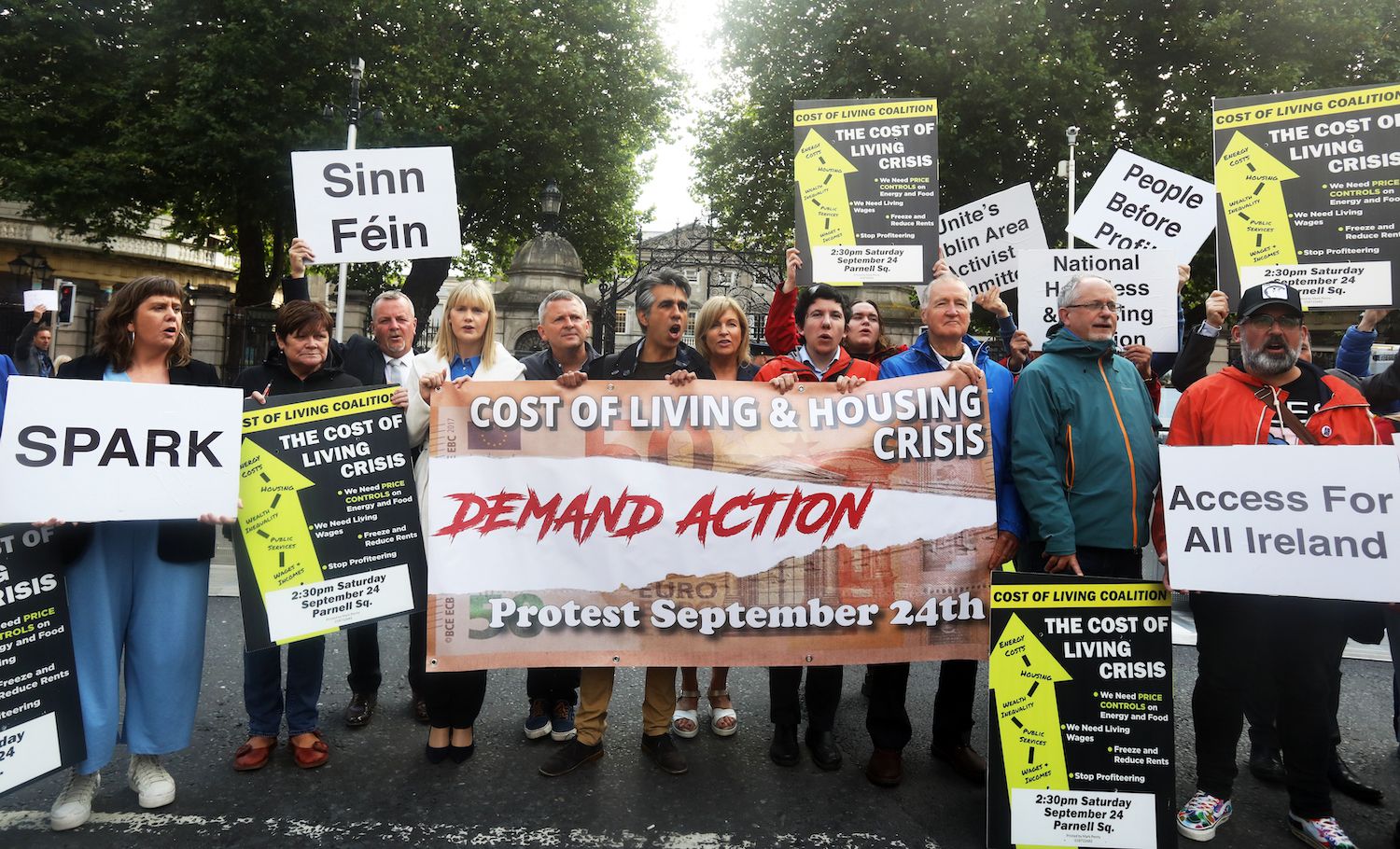
Community cohesion is weakened when people are forced to move frequently or live in temporary accommodation. Trust in political institutions declines as citizens perceive housing policy as favoring elites and investors over ordinary people.
From a sociological perspective, the housing crisis threatens social solidarity and challenges the legitimacy of the social order.
Conclusion
The housing crisis in Ireland is a profound sociological issue rooted in structural inequality, market-driven policies, and unequal power relations. It reflects broader patterns of class, generational, gender, and ethnic inequality within Irish society. Housing is not merely a physical shelter but a fundamental social institution that shapes life chances, identity, and social integration.
Addressing the crisis requires more than increasing housing supply. It demands a rethinking of housing as a social right rather than a commodity. Greater state intervention, expanded social housing, stronger tenant protections, and inclusive urban planning are essential for reducing inequality.
From a sociological perspective, the Irish housing crisis serves as a powerful case study of how social inequality is produced and reproduced in contemporary capitalist societies. The future of social cohesion in Ireland depends on the ability of institutions to ensure equitable access to housing for all members of society.
FAQs on Housing Crisis in Ireland
1. What is meant by the housing crisis in Ireland?
The housing crisis in Ireland refers to the severe shortage of affordable housing, rising rents and house prices, and increasing homelessness, caused by structural inequality, market failure, and insufficient state intervention.
2. What are the main causes of the housing crisis in Ireland?
The housing crisis in Ireland is caused by limited housing supply, market-driven policies, reduced social housing, population growth, migration, and speculative real-estate investment.
3. How is social inequality linked to the housing crisis in Ireland?
Social inequality deepens the housing crisis in Ireland by limiting access to affordable housing for low-income groups, while wealthier classes benefit from property ownership and rising housing values.
4. Who is most affected by the housing crisis in Ireland?
Low-income households, working-class families, migrants, young adults, single parents, and homeless individuals are the most affected by the housing crisis in Ireland.
5. How does the housing crisis in Ireland affect young people?
The housing crisis in Ireland forces young people to delay homeownership, remain in insecure rental housing, live with parents longer, and postpone family formation.
6. What role does the government play in the housing crisis in Ireland?
The government’s reliance on market-based solutions and limited investment in social housing has significantly contributed to the housing crisis in Ireland.
7. How has privatization influenced the housing crisis in Ireland?
Privatization has turned housing into a commodity, increasing rents and prices, and reducing affordable options, thereby worsening the housing crisis in Ireland.
8. What is the impact of the housing crisis in Ireland on homelessness?
The housing crisis in Ireland has led to rising homelessness, including family homelessness, due to evictions, high rents, and inadequate emergency housing.
9. How does the housing crisis in Ireland affect migrants?
Migrants often face discrimination, overcrowding, and insecure accommodation, making them especially vulnerable within the housing crisis in Ireland.
10. Is the housing crisis in Ireland a rural or urban problem?
While most visible in cities, the housing crisis in Ireland also affects rural areas through limited supply, poor infrastructure, and regional inequality.
11. How does the housing crisis in Ireland impact mental health?
Housing insecurity, high rent burden, and homelessness associated with the housing crisis in Ireland increase stress, anxiety, and mental health problems.
12. What is the sociological significance of the housing crisis in Ireland?
Sociologically, the housing crisis in Ireland reveals structural inequality, class divisions, and the failure of market-led welfare systems.
13. How does class inequality shape the housing crisis in Ireland?
Class inequality determines access to homeownership, quality housing, and security, making the housing crisis in Ireland more severe for working-class groups.
14. Can social housing reduce the housing crisis in Ireland?
Expanding social and affordable housing can significantly reduce the housing crisis in Ireland by ensuring secure housing for vulnerable populations.
15. What long-term effects may the housing crisis in Ireland have on society?
The housing crisis in Ireland may increase social exclusion, generational inequality, political distrust, and weaken social cohesion over time.
2 thoughts on “Social Inequality and Housing Crisis in Ireland: A Sociological Analysis”