
Introduction and Agricultural Communities in Iowa
Rural sociology is a vital subfield of sociology that focuses on the social structures, relationships, and transformations within rural areas. It explores how communities organize themselves, interact with economic systems, and respond to changes such as industrialization, globalization, and technological advancement. The state of Iowa in the United States provides a rich case study for understanding rural sociology due to its deep-rooted agricultural traditions, strong community networks, and evolving rural landscape.
Iowa is often considered the heart of American agriculture. Its vast cornfields, soybean farms, and livestock production systems have shaped not only its economy but also its social fabric. Rural communities in Iowa are not merely geographic entities; they are dynamic social systems characterized by shared values, cultural traditions, and collective identities. This article examines rural sociology in Iowa by analyzing agricultural communities, social structures, economic transformations, cultural patterns, and contemporary challenges.
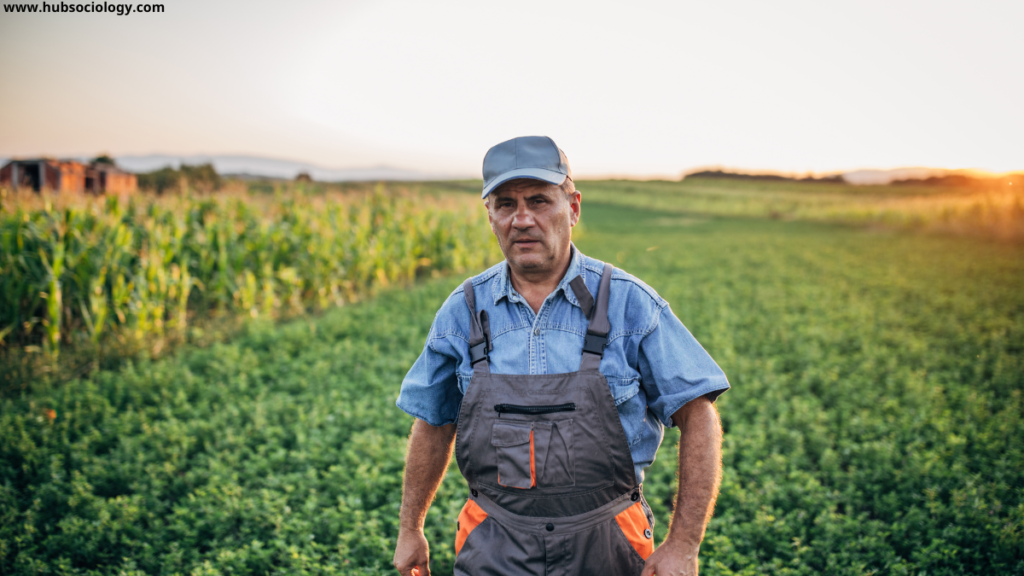
Explore Agricultural Communities in Iowa through a sociological lens, covering rural life, farming practices, social structure, challenges, and future prospects.
Understanding Rural Sociology in the Context of Iowa
Rural sociology studies how rural societies function and evolve. In Iowa, rural sociology is deeply intertwined with agriculture, as farming is the primary occupation and economic backbone of the state. The rural population in Iowa has historically been characterized by small, family-owned farms, tight-knit communities, and a strong emphasis on cooperation.
Key features of rural sociology in Iowa include:
- Strong community cohesion
- Dependence on agriculture
- Traditional value systems
- Limited but evolving access to services
These characteristics create a unique social environment where relationships are often personal and long-lasting, and where community identity plays a central role.
Historical Development of Agricultural Communities in Iowa
Early Settlement and Agrarian Foundations
The development of agricultural communities in Iowa began in the 19th century with European settlers who established farms on fertile land. These settlers brought with them agrarian values such as hard work, self-reliance, and community cooperation.
The Homestead Act and expansion of railroads facilitated agricultural growth, leading to the formation of rural towns centered around farming activities. Churches, schools, and local markets became essential institutions that supported community life.
Rise of Family Farms
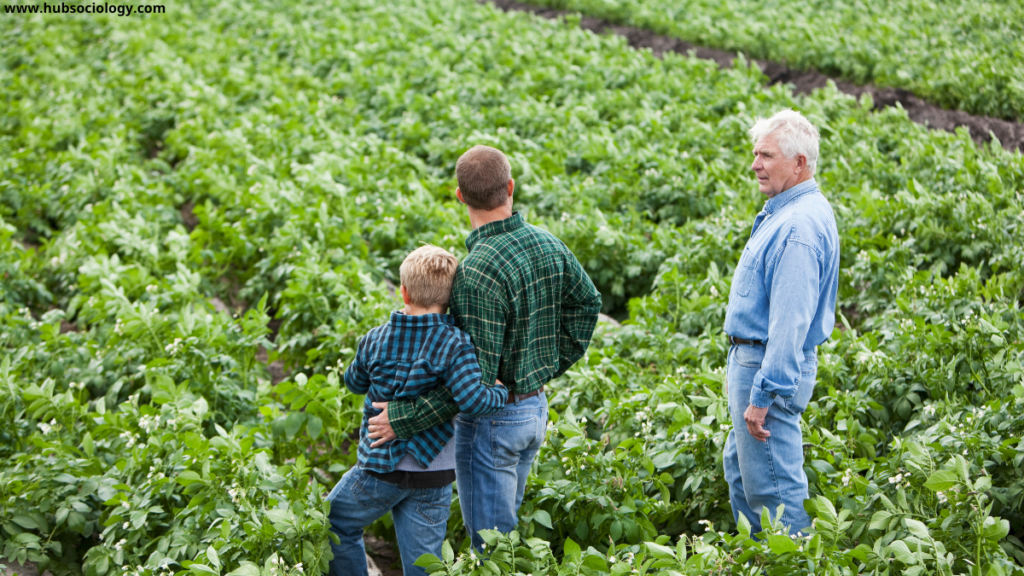
Family farms became the dominant agricultural model in Iowa. These farms were not only economic units but also social institutions where family members worked together and passed down knowledge across generations. This created a strong sense of continuity and identity within rural communities.
Social Structure of Rural Iowa
Community Organization
Rural communities in Iowa are typically organized around small towns and farming regions. Social interactions are often based on kinship, neighborhood ties, and shared experiences. Community events such as fairs, church gatherings, and school activities play a significant role in maintaining social cohesion.
Role of Institutions
Several institutions are central to rural life in Iowa:
- Family: The primary unit of socialization and labor
- Church: A key institution for moral guidance and community bonding
- Schools: Centers for education and social interaction
- Local cooperatives: Economic and social support systems
These institutions reinforce social norms and values, contributing to the stability of rural communities.
Agricultural Economy and Social Life
Farming as a Way of Life
In Iowa, agriculture is not just an occupation; it is a way of life. Farmers often view their work as a calling, deeply connected to the land and environment. This perspective influences social behavior, community participation, and cultural identity.
Types of Agricultural Practices
Iowa’s agricultural system includes:
- Corn and soybean cultivation
- Livestock farming (especially pork and beef)
- Dairy farming
These activities shape daily routines, seasonal patterns, and social interactions within communities.
Economic Interdependence
Rural communities in Iowa exhibit a high degree of economic interdependence. Farmers rely on local businesses for supplies, equipment, and services, while local economies depend on agricultural productivity. This interconnectedness strengthens community ties but also makes rural areas vulnerable to economic fluctuations.
Cultural Patterns in Rural Iowa
Shared Values and Norms
Rural communities in Iowa are characterized by values such as:
- Hard work
- Independence
- Community cooperation
- Respect for tradition
These values are transmitted through family, education, and community institutions, shaping individual behavior and social expectations.
Traditions and Festivals
Cultural traditions play an important role in maintaining community identity. Events such as county fairs, harvest festivals, and agricultural exhibitions provide opportunities for social interaction and cultural expression.
Religion and Community Life
Religion is a significant aspect of rural life in Iowa. Churches serve not only as places of worship but also as centers for social gatherings, charity activities, and community support.
Social Change and Modernization

Mechanization and Technological Change
The introduction of modern machinery and technology has transformed agriculture in Iowa. While mechanization has increased productivity, it has also reduced the need for labor, leading to changes in population patterns and social structures.
Decline of Small Farms
One of the major sociological changes in rural Iowa is the decline of small family farms. Large agribusinesses have increasingly replaced traditional farming models, leading to:
- Reduced rural population
- Loss of traditional knowledge
- Changing community dynamics
Urbanization and Migration
Many young people in rural Iowa migrate to urban areas in search of better education and employment opportunities. This trend has resulted in:
- Aging rural populations
- Declining school enrollments
- Reduced community vitality
Gender Roles in Agricultural Communities
Traditional Gender Roles
Historically, gender roles in rural Iowa have been clearly defined. Men were primarily responsible for fieldwork and farm management, while women handled household duties and supported farm operations.
Changing Roles
In recent decades, these roles have evolved. Women are increasingly participating in:
- Farm management
- Agricultural decision-making
- Off-farm employment
This shift reflects broader social changes and contributes to greater gender equality in rural communities.
Social Inequality and Rural Stratification
Economic Inequality
Economic disparities exist within rural Iowa, particularly between large agribusiness owners and small-scale farmers. Access to resources such as land, capital, and technology plays a significant role in determining economic status.
Access to Services
Rural areas often face challenges in accessing essential services, including:
- Healthcare
- Education
- Transportation
These limitations can contribute to social inequality and affect quality of life.
Environmental Concerns and Sustainability
Impact of Intensive Farming
Modern agricultural practices in Iowa have raised environmental concerns, including:
- Soil degradation
- Water pollution
- Loss of biodiversity
These issues have sociological implications, as they affect community health and sustainability.
Sustainable Agriculture
There is a growing movement toward sustainable farming practices in Iowa. Farmers are increasingly adopting methods such as:
- Crop rotation
- Organic farming
- Conservation techniques
These practices aim to balance economic productivity with environmental responsibility.
Role of Government and Policy
Agricultural Policies
Government policies play a crucial role in shaping rural communities in Iowa. Subsidies, price supports, and conservation programs influence farming practices and economic stability.
Rural Development Programs
Various initiatives aim to improve infrastructure, education, and healthcare in rural areas. These programs are essential for addressing challenges such as population decline and economic stagnation.
Community Resilience and Adaptation
Social Capital
Rural communities in Iowa possess strong social capital, characterized by trust, cooperation, and mutual support. This social capital helps communities להתמודד challenges and adapt to change.
Innovation and Entrepreneurship
Many rural residents are exploring new economic opportunities, including:
- Agritourism
- Small-scale businesses
- Renewable energy projects
These initiatives contribute to economic diversification and community resilience.
Future Prospects of Rural Iowa
The future of rural sociology in Iowa depends on how communities respond to ongoing challenges and opportunities. Key factors influencing the future include:
- Technological innovation
- Policy support
- Community engagement
- Environmental sustainability
While rural Iowa faces significant challenges, its strong social foundations provide a basis for adaptation and growth.
Conclusion
Rural sociology offers valuable insights into the complex dynamics of agricultural communities in Iowa. These communities are shaped by a combination of historical traditions, economic structures, cultural values, and social relationships. While modernization and globalization have brought significant changes, the core characteristics of rural life—community cohesion, agricultural identity, and resilience—remain strong.
Understanding rural sociology in Iowa is essential for developing policies and strategies that support sustainable development, social equity, and community well-being. As rural communities continue to evolve, they will play a crucial role in shaping the future of agriculture and society as a whole.
FAQs
1. What are Agricultural Communities in Iowa?
Agricultural Communities in Iowa refer to rural populations whose social, economic, and cultural life is centered around farming, livestock, and agribusiness activities.
2. Why are Agricultural Communities in Iowa important?
Agricultural Communities in Iowa are crucial because they contribute significantly to food production, rural economy, and cultural heritage in the United States.
3. What types of farming are common in Agricultural Communities in Iowa?
The most common types include corn and soybean farming, livestock production (especially pork and beef), and dairy farming.
4. How do Agricultural Communities in Iowa shape rural society?
Agricultural Communities in Iowa influence social relationships, community values, traditions, and local economies through shared agricultural practices.
5. What challenges do Agricultural Communities in Iowa face today?
They face issues like declining population, farm consolidation, environmental concerns, and limited access to healthcare and education.
6. How has technology impacted Agricultural Communities in Iowa?
Technology has increased productivity but reduced labor demand, leading to changes in population structure and social dynamics.
7. What is the role of family farms in Agricultural Communities in Iowa?
Family farms are central to Agricultural Communities in Iowa, serving as both economic units and social institutions that preserve traditions.
8. How do Agricultural Communities in Iowa contribute to the economy?
They support local businesses, generate employment, and contribute to national and global food supply chains.
9. What role do women play in Agricultural Communities in Iowa?
Women are increasingly involved in farm management, decision-making, and off-farm employment, reshaping traditional roles.
10. How do Agricultural Communities in Iowa maintain cultural traditions?
Through festivals, fairs, religious gatherings, and community events that reinforce shared values and identity.
11. What is the impact of migration on Agricultural Communities in Iowa?
Outmigration of youth leads to aging populations and reduced workforce, affecting community sustainability.
12. Are Agricultural Communities in Iowa adopting sustainable practices?
Yes, many farmers are adopting sustainable agriculture methods like crop rotation and conservation farming.
13. How do government policies affect Agricultural Communities in Iowa?
Policies such as subsidies, crop insurance, and rural development programs significantly influence farming and rural livelihoods.
14. What is the future of Agricultural Communities in Iowa?
The future depends on technological adaptation, sustainable practices, and policies supporting rural development.
15. How do Agricultural Communities in Iowa reflect rural sociology?
They provide a practical example of rural sociology by showcasing how social structures, economy, and culture interact in rural settings.