Introduction
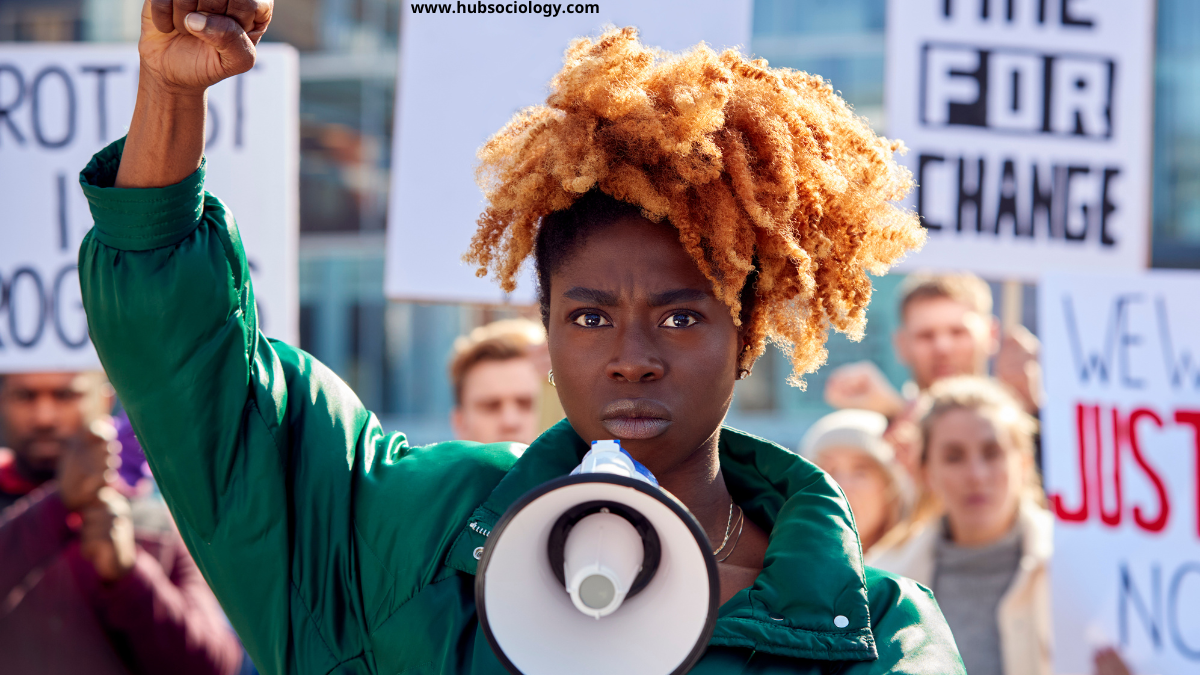
Race relations and urban inequality in Georgia, a southeastern state of the United States, represent a deeply rooted and complex social phenomenon shaped by historical legacies, structural transformations, and contemporary socio-economic dynamics. Georgia, particularly its major urban centers such as Atlanta, Savannah, and Augusta, has long been a focal point for discussions on racial justice, civil rights, and economic disparity. While the state has made significant progress since the Civil Rights Movement, persistent inequalities continue to shape the lived experiences of different racial groups, especially African Americans.
This article explores race relations and urban inequality in Georgia through a sociological lens. It examines historical contexts, structural inequalities, spatial segregation, economic disparities, and policy responses, highlighting how race continues to intersect with class, geography, and opportunity in urban settings.

Historical Foundations of Race Relations in Georgia
To understand contemporary race relations in Georgia, one must first consider its historical background. Georgia was one of the original thirteen colonies and later became a central state in the Confederacy during the American Civil War. The legacy of slavery, followed by the era of Jim Crow laws, laid the foundation for institutionalized racial segregation and inequality.
During the late 19th and early 20th centuries, African Americans in Georgia were systematically excluded from political participation, economic advancement, and social mobility. Segregation laws enforced separate facilities, schools, and neighborhoods, creating a rigid racial hierarchy. Sociologists often refer to this as a system of “institutional racism,” where social structures perpetuate inequality across generations.
The Civil Rights Movement of the 1950s and 1960s marked a turning point. Atlanta, in particular, became known as a center for civil rights activism, producing influential leaders and organizations. Despite legal advancements such as desegregation and voting rights, the structural effects of historical inequality have persisted, manifesting in new forms within urban environments.
Urbanization and Demographic Transformation
Urbanization has played a critical role in shaping race relations in Georgia. Over the past several decades, cities like Atlanta have experienced rapid growth, attracting diverse populations due to economic opportunities and infrastructural development.
However, this growth has not been evenly distributed. The migration of African Americans from rural to urban areas during the Great Migration and subsequent decades led to the formation of predominantly Black neighborhoods. While these communities developed strong cultural identities and social networks, they were often characterized by limited access to resources and opportunities.
In recent years, Georgia’s urban areas have also witnessed an influx of Latino, Asian, and immigrant populations, adding new dimensions to racial and ethnic relations. Sociologically, this diversification challenges the traditional Black-White binary and introduces complex intergroup dynamics, competition for resources, and cultural interactions.
Spatial Segregation and the Urban Landscape
One of the most visible manifestations of racial inequality in Georgia is spatial segregation. Despite the end of legal segregation, many urban areas remain divided along racial lines. Residential segregation is not merely a matter of personal choice but is deeply influenced by historical practices such as redlining, discriminatory lending, and zoning policies.
In cities like Atlanta, affluent predominantly White neighborhoods often coexist alongside economically disadvantaged predominantly Black communities. This spatial separation has profound implications for access to quality education, healthcare, transportation, and employment opportunities.
Sociologists use the concept of “spatial inequality” to describe how geographic location determines life chances. For example, neighborhoods with higher property values tend to have better-funded schools, while low-income areas struggle with under-resourced educational institutions. This perpetuates a cycle of inequality, where children born into disadvantaged neighborhoods face limited prospects for upward mobility.
Economic Inequality and Labor Market Disparities
Economic inequality is a central aspect of urban inequality in Georgia. While cities like Atlanta are often celebrated as economic hubs, the benefits of growth are unevenly distributed across racial groups.
African Americans in Georgia are more likely to experience higher unemployment rates, lower wages, and limited access to high-paying jobs compared to their White counterparts. Structural factors such as educational disparities, discrimination in hiring practices, and unequal access to professional networks contribute to these outcomes.

The rise of the service economy has further complicated the situation. Many urban jobs are concentrated in low-wage sectors such as retail, hospitality, and gig work, which disproportionately employ minority populations. These jobs often lack stability, benefits, and opportunities for advancement, reinforcing economic vulnerability.
From a sociological perspective, this can be understood through the lens of “structural inequality,” where economic systems are organized in ways that advantage certain groups while disadvantaging others. The persistence of racial wage gaps and employment disparities reflects the enduring impact of systemic racism.
Education and the Reproduction of Inequality
Education plays a crucial role in shaping social mobility and life outcomes. In Georgia, significant disparities exist in the quality of education available to different racial and socio-economic groups.
Urban schools in predominantly minority neighborhoods often face challenges such as overcrowding, underfunding, and limited access to experienced teachers. In contrast, schools in wealthier, predominantly White areas benefit from better resources, advanced programs, and higher levels of parental involvement.
Sociologist Pierre Bourdieu’s concept of “cultural capital” is particularly relevant here. Students from privileged backgrounds are more likely to possess the cultural knowledge, skills, and behaviors that are valued in educational settings, giving them an advantage over their peers.
The consequences of educational inequality extend beyond the classroom. Limited access to quality education reduces opportunities for higher education and well-paying jobs, perpetuating cycles of poverty and inequality.
Policing, Criminal Justice, and Racial Disparities
Another critical dimension of race relations in Georgia is the criminal justice system. African Americans are disproportionately represented in arrests, convictions, and incarceration rates, particularly in urban areas.
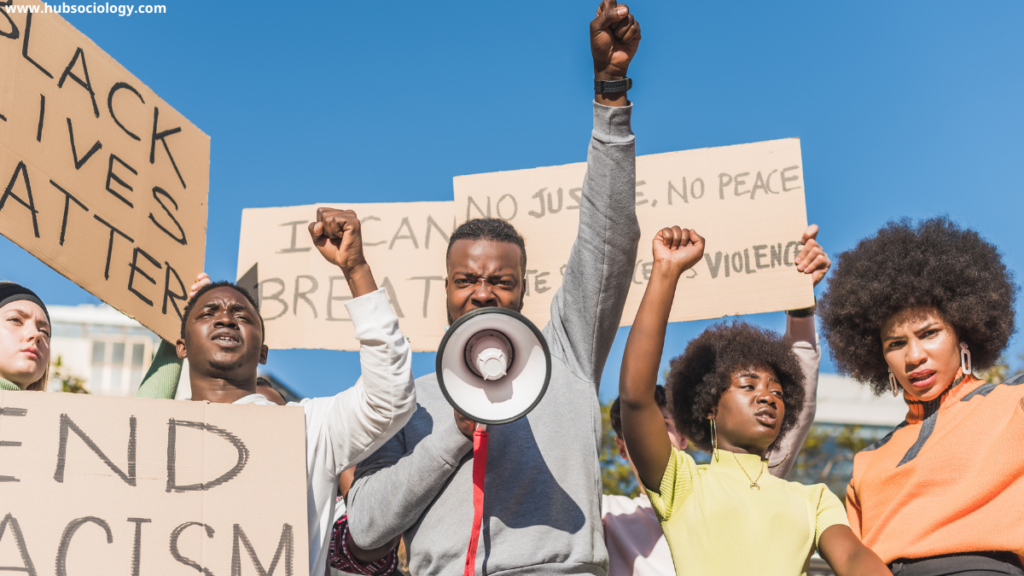
Policing practices such as racial profiling and over-policing in minority neighborhoods contribute to strained relationships between law enforcement and communities. High-profile incidents of police violence have sparked protests and calls for reform, highlighting the ongoing challenges in achieving racial justice.
From a sociological standpoint, this can be analyzed through the framework of “conflict theory,” which emphasizes how power and inequality shape social institutions. The criminal justice system, in this view, may function to maintain social control and reinforce existing hierarchies.
The long-term effects of incarceration, including reduced employment opportunities and social stigma, further exacerbate urban inequality and hinder reintegration into society.
Housing Inequality and Gentrification
Housing is a key site where race and inequality intersect. In Georgia’s urban areas, rising property values and redevelopment projects have led to gentrification, particularly in cities like Atlanta.
Gentrification often results in the displacement of long-standing minority communities as wealthier residents move into historically disadvantaged neighborhoods. While redevelopment can bring improvements in infrastructure and services, it can also lead to the loss of affordable housing and cultural heritage.
Sociologists view gentrification as a double-edged sword. On one hand, it contributes to economic growth and urban revitalization. On the other hand, it exacerbates inequality by pushing marginalized populations to the peripheries of cities, where access to resources is limited.
Housing inequality is also closely linked to wealth accumulation. Homeownership is a primary means of building wealth in the United States, yet racial disparities in homeownership rates persist in Georgia, limiting economic mobility for minority groups.
Health Inequality and Urban Living Conditions
Health disparities are another important aspect of urban inequality in Georgia. Minority communities often face higher rates of chronic illnesses, limited access to healthcare facilities, and environmental hazards.
Urban neighborhoods with lower socio-economic status may lack access to healthy food options, safe recreational spaces, and quality healthcare services. This contributes to higher rates of conditions such as diabetes, hypertension, and obesity among African American populations.
The concept of “social determinants of health” is central to understanding these disparities. Factors such as income, education, housing, and environment all influence health outcomes, demonstrating the interconnected nature of inequality.
Political Representation and Policy Responses
Political representation plays a crucial role in addressing race relations and urban inequality. Georgia has seen increasing political engagement among minority populations, leading to greater representation in local and state government.
However, challenges remain in ensuring that policies effectively address systemic inequalities. Issues such as voting rights, access to public services, and equitable resource allocation continue to be areas of concern.
Policy responses to urban inequality in Georgia have included initiatives aimed at improving education, expanding affordable housing, and promoting economic development. While these efforts have had some success, critics argue that they often fail to address the root causes of inequality.
Sociologically, this highlights the importance of structural change rather than surface-level interventions. Addressing urban inequality requires comprehensive strategies that tackle systemic barriers and promote inclusive growth.
Intersectionality and Emerging Perspectives
In recent years, sociologists have increasingly emphasized the concept of intersectionality, which examines how multiple forms of inequality—such as race, class, gender, and immigration status—interact to shape individual experiences.
In Georgia’s urban contexts, intersectionality reveals how certain groups, such as Black women or immigrant populations, may face compounded disadvantages. Understanding these intersecting identities is essential for developing more inclusive and effective policies.
Additionally, grassroots movements and community organizations have played a significant role in advocating for social justice and addressing local issues. These efforts demonstrate the potential for collective action to challenge inequality and promote social change.
Conclusion
Race relations and urban inequality in Georgia are deeply intertwined, shaped by historical legacies, structural factors, and contemporary dynamics. While progress has been made in reducing overt forms of discrimination, systemic inequalities continue to persist in areas such as housing, education, employment, and criminal justice.
A sociological perspective highlights the importance of understanding these issues as part of broader social structures rather than isolated phenomena. Addressing urban inequality in Georgia requires a multifaceted approach that combines policy reform, community engagement, and structural transformation.
Ultimately, achieving racial equity and social justice in Georgia’s urban environments will depend on the collective efforts of policymakers, communities, and individuals to challenge existing inequalities and build a more inclusive society.
FAQs
- What is Urban Inequality in Georgia?
Urban Inequality in Georgia refers to disparities in income, housing, education, and access to services among different social and racial groups in cities like Atlanta, Savannah, and Augusta. - What causes Urban Inequality in Georgia?
Urban Inequality in Georgia is caused by historical segregation, economic disparities, unequal access to education, and systemic racial discrimination. - How does race influence Urban Inequality in Georgia?
Race plays a significant role in Urban Inequality in Georgia, as African American communities often face limited access to resources and opportunities due to structural inequalities. - Which cities are most affected by Urban Inequality in Georgia?
Major cities like Atlanta, Savannah, and Augusta experience significant Urban Inequality in Georgia due to rapid urbanization and socio-economic disparities. - How does housing contribute to Urban Inequality in Georgia?
Housing inequality, including segregation and gentrification, is a key factor in Urban Inequality in Georgia, affecting access to quality living conditions and wealth accumulation. - What is the role of education in Urban Inequality in Georgia?
Unequal access to quality education reinforces Urban Inequality in Georgia by limiting career opportunities for marginalized communities. - How does employment affect Urban Inequality in Georgia?
Job disparities, wage gaps, and limited access to high-paying employment contribute significantly to Urban Inequality in Georgia. - What is the impact of gentrification on Urban Inequality in Georgia?
Gentrification often increases Urban Inequality in Georgia by displacing low-income residents and raising living costs in urban neighborhoods. - How does the criminal justice system relate to Urban Inequality in Georgia?
Racial disparities in policing and incarceration rates deepen Urban Inequality in Georgia by affecting economic and social stability. - What are the health impacts of Urban Inequality in Georgia?
Urban Inequality in Georgia leads to unequal healthcare access, resulting in higher rates of chronic diseases among disadvantaged communities. - How does poverty link to Urban Inequality in Georgia?
Poverty is both a cause and effect of Urban Inequality in Georgia, limiting access to resources and perpetuating cycles of disadvantage. - What policies address Urban Inequality in Georgia?
Policies targeting affordable housing, education reform, and economic development aim to reduce Urban Inequality in Georgia. - How does transportation affect Urban Inequality in Georgia?
Limited access to public transportation worsens Urban Inequality in Georgia by restricting job opportunities and mobility. - What is the role of urban planning in Urban Inequality in Georgia?
Urban planning decisions, including zoning and infrastructure development, significantly shape Urban Inequality in Georgia. - Can Urban Inequality in Georgia be reduced?
Yes, Urban Inequality in Georgia can be reduced through inclusive policies, community engagement, and addressing systemic inequalities.