Introduction
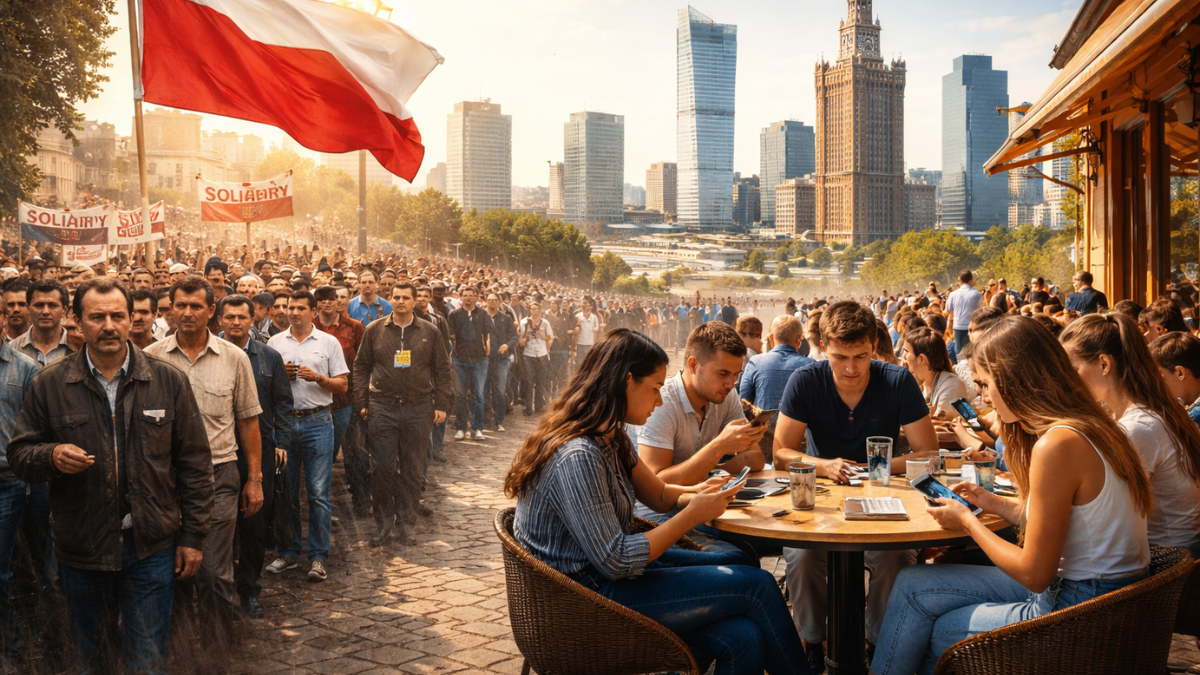
The collapse of communism in Central and Eastern Europe in 1989 marked one of the most significant geopolitical transformations of the late twentieth century. Among the countries undergoing this profound transition, Poland stands out as a particularly compelling case of social, economic, and political restructuring. The shift from a centrally planned socialist system to a democratic capitalist society not only altered institutional frameworks but also deeply transformed everyday life, cultural norms, social stratification, and identity.
This article explores post-communist social change in Poland from a sociological perspective, examining how structural reforms, economic liberalization, and cultural shifts reshaped Polish society. It highlights the dynamics of class formation, inequality, migration, religion, gender roles, and the role of civil society in the post-1989 era.
Historical Background: From Communism to Democracy
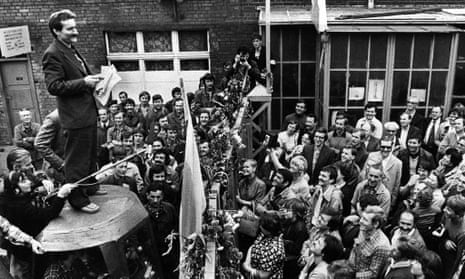
The roots of Poland’s post-communist transformation lie in the rise of the Solidarity movement in the 1980s. Led by Lech Wałęsa, Solidarity emerged as a powerful force opposing the communist regime and advocating workers’ rights and political freedoms.
The breakthrough came in 1989 with the Round Table Talks between the government and opposition, leading to semi-free elections and the eventual dismantling of communist rule. This marked the beginning of a transition toward democracy and a market economy, often described as a “shock therapy” approach due to the rapid implementation of reforms.
Economic Transformation and Class Restructuring
From Planned Economy to Market Capitalism
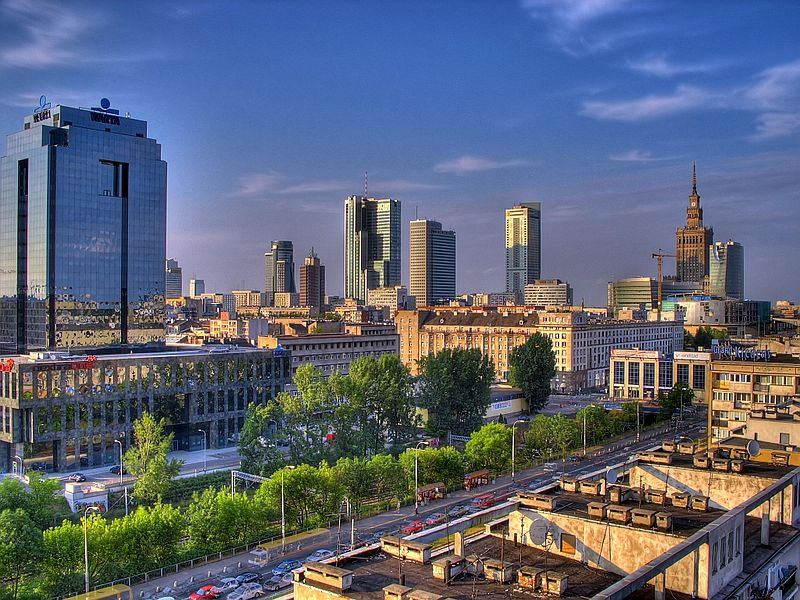
The early 1990s saw Poland adopt neoliberal economic reforms under Finance Minister Leszek Balcerowicz. These reforms included privatization of state-owned enterprises, deregulation, and integration into global markets.
While these policies stabilized the economy and led to long-term growth, they also produced significant short-term hardships:
- Rising unemployment due to industrial restructuring
- Closure of uncompetitive factories
- Inflation and reduction in state welfare provisions
Emergence of New Social Classes
The transition gave rise to new class divisions:
- Entrepreneurial Class: Benefited from privatization and new market opportunities
- Middle Class Expansion: Professionals, managers, and skilled workers gained upward mobility
- Working-Class Decline: Industrial workers faced job insecurity and marginalization
From a sociological perspective, Poland’s transition illustrates the shift from a relatively egalitarian socialist system to a stratified capitalist society characterized by income inequality and social mobility disparities.
Inequality and Social Stratification
The post-communist period witnessed a sharp increase in inequality. Under communism, income differences were relatively compressed, but market reforms widened the gap between rich and poor.
Key Dimensions of Inequality
- Urban-Rural Divide: Cities like Warsaw prospered, while rural areas lagged behind
- Regional Disparities: Western Poland developed faster than eastern regions
- Educational Inequality: Access to higher education became a crucial determinant of success
Sociologists argue that these inequalities reflect the uneven distribution of resources and opportunities during the transition. The concept of “winners” and “losers” of transformation became central to understanding post-communist societies.
Migration and Mobility

Poland experienced significant migration flows after joining the European Union in 2004. Millions of Poles migrated to countries like the UK, Germany, and Ireland in search of better economic opportunities.
Sociological Impacts of Migration
- Brain Drain vs. Brain Gain: Loss of skilled workers but also remittances and return migration
- Family Dynamics: Transnational families became common
- Cultural Exchange: Exposure to Western values influenced Polish society
Migration became both a survival strategy and a pathway to upward mobility, reshaping identities and social networks.
Religion and Cultural Identity

Religion has played a central role in Poland’s social fabric, particularly through the influence of the Catholic Church. During communism, the Church served as a symbol of resistance and national identity.
After 1989, its role evolved:
- Continued moral authority in public life
- Influence on political debates (e.g., abortion laws)
- Tensions between secularization and traditional values
The legacy of Pope John Paul II further reinforced the Church’s significance. However, younger generations increasingly embrace secular and liberal perspectives, leading to cultural conflicts.
Gender Roles and Family Change
The transition period brought significant changes in gender relations and family structures.
Shifts in Gender Roles
- Increased female participation in the labor market
- Rise of gender inequality in wages and employment security
- Emergence of feminist movements challenging traditional norms
Changing Family Patterns
- Decline in birth rates
- Increase in divorce rates
- Delay in marriage and childbearing
These changes reflect broader processes of modernization and individualization, as described in sociological theories by thinkers like Anthony Giddens.
Political Transformation and Civil Society
Democratization
Poland successfully transitioned into a democratic political system with:
- Multi-party elections
- Freedom of speech and press
- Independent judiciary
However, recent developments have raised concerns about democratic backsliding and political polarization.
Rise of Civil Society
The legacy of Solidarity contributed to a vibrant civil society characterized by:
- Non-governmental organizations (NGOs)
- Grassroots activism
- Public participation in governance
Civil society plays a crucial role in mediating between the state and citizens, fostering democratic values and social cohesion.
Education and Cultural Change
Education became a key driver of social mobility in post-communist Poland. Reforms expanded access to higher education and aligned curricula with global standards.
Cultural Transformation
- Westernization of lifestyles and consumption patterns
- Growth of media and digital culture
- Increased emphasis on individual achievement
These changes reflect the integration of Poland into global cultural and economic systems.
Youth and Identity Formation

Young people in Poland have grown up in a post-communist environment, shaping distinct identities compared to older generations.
Key Features
- Greater openness to diversity and globalization
- Higher educational aspirations
- Political activism and social movements
Youth culture embodies the tensions between tradition and modernity, reflecting broader societal transformations.
Challenges of Post-Communist Transformation
Despite significant progress, Poland faces ongoing challenges:
- Economic Inequality: Persistent disparities across regions and classes
- Political Polarization: Divisions over governance and national identity
- Demographic Decline: Aging population and low fertility rates
- Cultural Conflicts: Tensions between liberal and conservative values
These challenges highlight the complexities of transition and the need for inclusive development strategies.
Sociological Theoretical Perspectives
Several sociological frameworks help explain Poland’s transformation:
- Modernization Theory: Emphasizes the shift toward industrialization and democracy
- Dependency Theory: Highlights integration into global capitalism and unequal relations
- Post-Socialist Theory: Focuses on unique trajectories of former socialist countries
These perspectives underscore that Poland’s transition is not a linear process but a dynamic and contested transformation.
Conclusion
Post-communist social change in Poland represents a multifaceted transformation encompassing economic restructuring, political democratization, and cultural evolution. While the country has achieved remarkable progress in terms of economic growth and integration into global systems, it continues to grapple with inequality, identity conflicts, and political tensions.
From a sociological standpoint, Poland’s experience illustrates the complexities of systemic transition and the interplay between structure and agency. It reveals how macro-level changes reshape everyday life, social relations, and cultural meanings.
Ultimately, Poland’s journey underscores the resilience of societies in adapting to profound change while navigating the challenges of modernization and globalization.
FAQs on Social Change in Poland
- What is meant by Social Change in Poland after communism?
Social Change in Poland refers to the transformation of its political, economic, and cultural systems after the fall of communism in 1989. - What were the main causes of Social Change in Poland?
The main causes include the collapse of communist rule, economic liberalization, globalization, and integration with the European Union. - How did economic reforms influence Social Change in Poland?
Economic reforms introduced capitalism, privatization, and market competition, leading to new class structures and inequality. - What role did the Solidarity movement play in Social Change in Poland?
Solidarity was instrumental in ending communist rule and initiating democratic reforms. - How has Social Change in Poland affected social inequality?
It increased inequality, creating a gap between urban and rural populations and between different social classes. - What impact did migration have on Social Change in Poland?
Migration opened global opportunities, reshaped family structures, and contributed to cultural exchange. - How has religion influenced Social Change in Poland?
The Catholic Church continues to shape social values, though secularization is rising among youth. - What changes occurred in family life due to Social Change in Poland?
There has been a decline in birth rates, delayed marriages, and evolving gender roles. - How did education contribute to Social Change in Poland?
Education expanded significantly, becoming a key factor in social mobility and economic success. - What is the role of globalization in Social Change in Poland?
Globalization introduced Western lifestyles, consumer culture, and new economic opportunities. - How has Social Change in Poland affected youth identity?
Young people are more globalized, educated, and open to liberal values compared to previous generations. - What are the major challenges in Social Change in Poland today?
Challenges include inequality, political polarization, demographic decline, and cultural conflicts. - How did democratization influence Social Change in Poland?
It established political freedom, civil rights, and active civic participation. - What is the significance of capitalism in Social Change in Poland?
Capitalism transformed the economy, increased productivity, but also introduced competition and disparities. - Is Social Change in Poland complete or ongoing?
Social Change in Poland is ongoing, as the country continues to adapt to global and internal pressures.