
Introduction
Masculinity and gender roles in Indian society have evolved through centuries of cultural traditions, religious teachings, colonial experiences, and modern socio-economic transformations. Masculinity, as a social construct, refers to the attributes, behaviors, and roles that a society considers appropriate for men. In India, these roles are deeply rooted in patriarchy, family structures, caste hierarchy, and economic responsibilities.
From ancient texts to Bollywood films, from village councils to corporate boardrooms, the idea of the “ideal man” has constantly been shaped and reshaped. Yet, while Indian society modernizes rapidly, expectations from men remain burdened by traditional norms. This article explores masculinity and gender roles in Indian society through sociological theories and empirical realities.

Historical Roots of Masculinity in India
Ancient and Classical Period
Indian concepts of masculinity were shaped by religious scriptures such as the Manusmriti and epics like the Ramayana and the Mahabharata. These texts portrayed men as protectors, warriors, kings, and heads of households. Masculinity was associated with:
- Physical strength
- Moral authority
- Control over women and family
- Protection of honor (izzat)
The patriarchal family system placed men as decision-makers and property holders. Women were often confined to domestic roles, reinforcing rigid gender binaries.
Medieval Period
During medieval times, masculinity became intertwined with martial valor and honor. Rajput warrior traditions emphasized bravery and sacrifice, while Mughal court culture introduced refined, aristocratic masculinity. However, patriarchal control over women’s mobility and sexuality intensified.
Colonial Influence
British colonialism redefined masculinity through racial discourse. Indian men were often portrayed as “effeminate,” especially Bengali men, compared to the “martial races” like Sikhs and Gurkhas. This led to the development of hyper-masculine nationalist identities during the freedom struggle.
Leaders like Mahatma Gandhi redefined masculinity in non-violent, moral, and spiritual terms, challenging Western militaristic ideals. Meanwhile, revolutionaries promoted militant masculinity.
Patriarchy and Gender Hierarchy
Indian society largely operates within a patriarchal structure. Patriarchy refers to a system in which men hold primary power in political leadership, moral authority, property control, and social privilege.
Sociologically, patriarchy functions through:
- Control over women’s labor and sexuality
- Inheritance and property rights favoring men
- Socialization of boys and girls into distinct gender roles
From childhood, boys are encouraged to be strong, independent, and assertive, while girls are taught nurturing and submissive roles. This division is reinforced by family, education, religion, and media.
The Concept of Hegemonic Masculinity
Sociologist R.W. Connell introduced the concept of hegemonic masculinity, which refers to the dominant form of masculinity that legitimizes male dominance over women and other subordinated masculinities.
In India, hegemonic masculinity often includes:
- Being the breadwinner
- Emotional restraint
- Authority over family
- Sexual dominance
- Heterosexuality
Men who do not conform — such as unemployed men, men in caregiving roles, or LGBTQ+ men — may face social stigma.
Caste, Class, and Masculinity
Masculinity in India is not uniform; it varies across caste and class.
Caste-Based Masculinity
Upper-caste masculinity traditionally emphasized purity, education, and control over ritual spaces. Lower-caste masculinity often developed around labor strength and resistance.
Dalit masculinity, for example, has evolved as a form of protest against caste oppression, challenging both caste hierarchy and upper-caste masculine dominance.
Class-Based Masculinity
In urban middle-class settings, masculinity increasingly revolves around professional success and economic stability. Corporate employment, English fluency, and consumer lifestyle symbolize modern masculine identity.
In rural and working-class contexts, physical labor, land ownership, and local authority remain key markers.
Family Structure and Male Authority
The joint family system historically reinforced male authority. The eldest male (patriarch) controlled finances, property, and major decisions. Even in nuclear families, male dominance persists in many households.
Marriage remains a central institution defining masculinity. A “successful man” is expected to:
- Marry at an appropriate age
- Provide financially
- Produce male heirs
- Protect family honor
Failure to fulfill these expectations often results in social pressure and psychological stress.
Masculinity and Violence
One troubling aspect of traditional masculinity is its association with aggression and honor-based violence. Crimes such as domestic violence, honor killings, and sexual harassment are often rooted in patriarchal control.
The Protection of Women from Domestic Violence Act (2005) and movements like #MeToo India have challenged toxic masculinity. However, deep-seated gender norms continue to normalize male aggression in some contexts.
Media representations — especially in commercial cinema — have often glorified dominant and aggressive male heroes. However, recent films show a gradual shift toward sensitive and emotionally expressive male characters.
Economic Changes and Crisis of Masculinity
Globalization and economic liberalization since the 1990s have significantly transformed gender roles. Women’s participation in education and workforce has increased, particularly in urban areas.

This shift has created what sociologists call a “crisis of masculinity.” When men are unable to fulfill the breadwinner role due to unemployment or underemployment, their traditional identity is threatened.
In rural India, agrarian distress and migration have also affected male roles. Migrant men working in cities face loneliness, insecurity, and identity conflict.
Media, Popular Culture, and New Masculinities
Bollywood, television, and digital platforms play a major role in shaping masculine ideals.
Earlier cinema often portrayed hyper-masculine heroes. Actors like Amitabh Bachchan symbolized the “angry young man” in the 1970s. Later, stars like Shah Rukh Khan popularized romantic masculinity.
Today, actors like Ayushmann Khurrana challenge stereotypes by addressing issues like erectile dysfunction, body image, and homosexuality in mainstream cinema.
Social media has further diversified masculine expression. Influencers promote fitness culture, grooming, and mental health awareness, creating hybrid masculinities that combine traditional and modern traits.
Masculinity and Religion
Religion continues to influence gender roles. In Hinduism, masculinity is linked to dharma (duty) and protection. In Islam, it may be connected to guardianship and responsibility. Sikh masculinity emphasizes courage and equality.
Religious festivals, rituals, and symbols often reinforce male dominance in public spaces. However, reform movements within religions advocate gender equality and challenge rigid interpretations.
LGBTQ+ Perspectives and Alternative Masculinities
The decriminalization of homosexuality in 2018 by the Supreme Court of India marked a significant shift. LGBTQ+ movements have questioned heteronormative masculinity and opened spaces for alternative identities.
Queer masculinities challenge the idea that strength must equal dominance or that emotional expression is weakness. Urban centers like Mumbai, Delhi, and Bangalore are witnessing greater visibility of diverse gender expressions.
Education and Changing Socialization Patterns
Education is a critical site of gender socialization. School textbooks, teachers, and peer groups influence boys’ understanding of masculinity.
There is increasing awareness of gender sensitivity programs, especially in urban private schools. However, rural areas still reflect rigid gender norms.
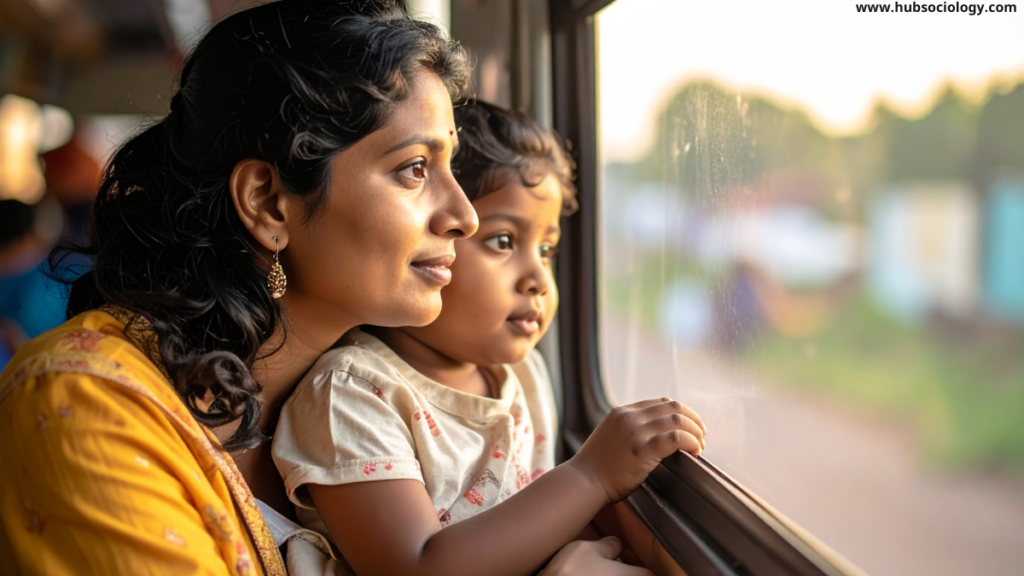
Boys are often discouraged from expressing vulnerability, leading to mental health issues. Studies show that men are less likely to seek psychological help due to stigma.
Law, Policy, and Gender Reform
India’s constitutional framework guarantees equality. Laws addressing gender discrimination include:
- Domestic Violence Act (2005)
- Sexual Harassment of Women at Workplace Act (2013)
- Equal Remuneration Act
While these laws aim to protect women, they also indirectly reshape masculinity by challenging male privilege.
At the same time, discussions around men’s rights groups reflect anxiety about shifting gender power relations.
Rural–Urban Divide in Masculinity
Urban masculinity is increasingly flexible, shaped by corporate culture, education, and global media. Rural masculinity often remains tied to land, caste authority, and community honor.
However, migration bridges these spaces. Rural men working in cities adopt new attitudes but may revert to traditional norms when returning home.
The Role of Technology and Digital Culture
Dating apps, online gaming, and social media have altered courtship and male-female interaction. Digital spaces allow young men to experiment with identity, but they also expose them to misogynistic online communities.
The rise of “influencer masculinity” promotes body-building, entrepreneurship, and luxury lifestyles. While empowering for some, it may create unrealistic standards.
Mental Health and Emotional Suppression
One of the most overlooked aspects of masculinity in Indian society is emotional repression. Boys are often taught that “men do not cry.” This discourages emotional openness.
High rates of male suicide in India reflect the psychological burden of economic and social expectations. Sociologically, this indicates the harmful effects of rigid gender roles.
Toward Inclusive Masculinity
The future of masculinity in Indian society lies in inclusivity. Sociologists argue for redefining masculinity to include:
- Emotional intelligence
- Shared domestic responsibilities
- Gender equality
- Respect for diversity
Educational reforms, media representation, and legal awareness can help transform gender norms.
Conclusion
Masculinity and gender roles in Indian society are deeply embedded in history, religion, caste, class, and family structures. While patriarchy remains influential, rapid socio-economic change is reshaping male identities.
The traditional image of the dominant, emotionally restrained breadwinner is gradually being challenged. New forms of masculinity emphasize equality, sensitivity, and shared responsibility. However, tensions between tradition and modernity continue to create contradictions.
From ancient epics to digital culture, masculinity in India remains dynamic. A sociological understanding reveals that masculinity is not biologically fixed but socially constructed and historically evolving. Recognizing this opens possibilities for a more just and gender-equal society.
FAQs on Gender Roles in Indian Society
1. What are Gender Roles in Indian Society?
Gender Roles in Indian Society refer to socially constructed expectations, behaviors, and responsibilities assigned to men and women based on cultural, religious, and historical traditions.
2. How have Gender Roles in Indian Society changed over time?
Gender Roles in Indian Society have shifted from rigid patriarchal norms toward more flexible roles due to education, urbanization, globalization, and legal reforms promoting gender equality.
3. What role does patriarchy play in Gender Roles in Indian Society?
Patriarchy strongly influences Gender Roles in Indian Society by granting men authority in family, property, and decision-making while traditionally restricting women to domestic roles.
4. How does caste influence Gender Roles in Indian Society?
Caste shapes Gender Roles in Indian Society by defining honor, marriage patterns, occupational roles, and control over women’s mobility differently across social groups.
5. How do religious beliefs affect Gender Roles in Indian Society?
Religious traditions often reinforce Gender Roles in Indian Society by prescribing duties for men and women, though reform movements increasingly promote gender equality.
6. What is the impact of education on Gender Roles in Indian Society?
Education challenges traditional Gender Roles in Indian Society by empowering women, encouraging shared responsibilities, and promoting critical awareness of gender inequality.
7. How does urbanization affect Gender Roles in Indian Society?
Urbanization transforms Gender Roles in Indian Society by increasing women’s workforce participation and reducing strict gender divisions compared to rural areas.
8. Are Gender Roles in Indian Society the same in rural and urban areas?
No, Gender Roles in Indian Society differ between rural and urban regions, with rural areas often maintaining stricter traditional norms.
9. How do media and cinema influence Gender Roles in Indian Society?
Media shapes Gender Roles in Indian Society by portraying ideal masculine and feminine behaviors, sometimes reinforcing stereotypes and sometimes challenging them.
10. What is hegemonic masculinity in the context of Gender Roles in Indian Society?
Hegemonic masculinity within Gender Roles in Indian Society refers to the dominant form of masculinity that upholds male authority and marginalizes alternative identities.
11. How do Gender Roles in Indian Society affect mental health?
Rigid Gender Roles in Indian Society often discourage emotional expression in men and limit autonomy for women, contributing to stress and psychological pressure.
12. What laws address inequality in Gender Roles in Indian Society?
Several laws aim to reform Gender Roles in Indian Society, including acts against domestic violence, workplace harassment, and unequal pay.
13. How has globalization influenced Gender Roles in Indian Society?
Globalization has introduced new ideas of equality, career aspirations, and lifestyle changes that challenge traditional Gender Roles in Indian Society.
14. What challenges exist in reforming Gender Roles in Indian Society?
Deep-rooted cultural traditions, family expectations, and economic inequalities make reforming Gender Roles in Indian Society a gradual and complex process.
15. What is the future of Gender Roles in Indian Society?
The future of Gender Roles in Indian Society is likely to involve greater gender equality, shared responsibilities, and recognition of diverse identities, though tensions between tradition and modernity will continue.