Introduction
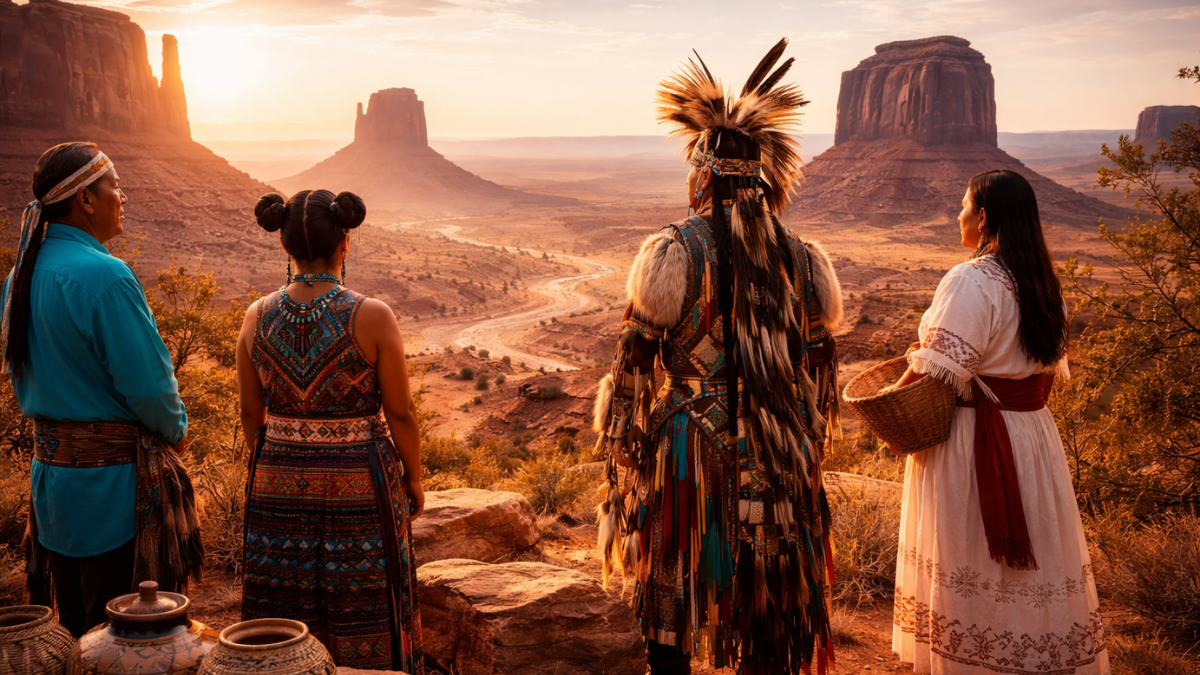
The study of indigenous tribes and their cultural identity is central to understanding the sociological fabric of modern societies. In the southwestern United States, Arizona stands as a unique cultural landscape where Indigenous communities have preserved their traditions despite centuries of colonization, displacement, and socio-political transformation. The state is home to 22 federally recognized tribes, including prominent nations such as the Navajo Nation, Hopi Tribe, Apache tribes, and Tohono O’odham Nation.
From a sociological perspective, cultural identity among Indigenous tribes in Arizona is not merely a static inheritance but a dynamic process shaped by history, resistance, adaptation, and resilience. This article explores the intricate relationship between indigenous communities and cultural identity, examining how social structures, colonial histories, economic realities, and modern influences shape Indigenous life in Arizona.
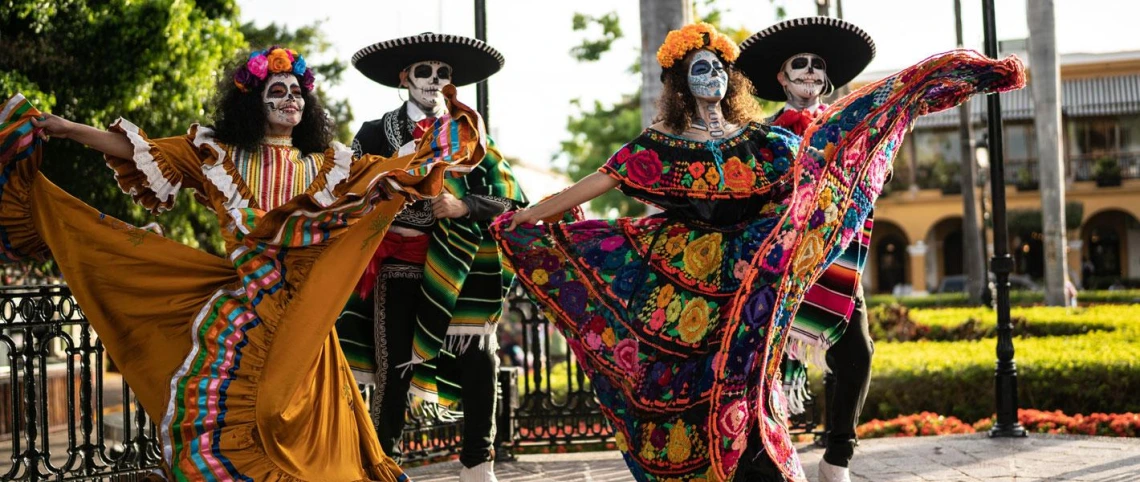
Explore Indigenous Tribes and Cultural Identity in Arizona from a sociological perspective, highlighting traditions, challenges, and cultural resilience of Native communities.
Historical Context and Colonial Legacy
Understanding Indigenous cultural identity in Arizona requires an examination of historical processes, particularly colonization. Prior to European contact, Indigenous tribes in the region had well-established social systems, spiritual traditions, and ecological knowledge. Communities such as the Navajo Nation and Hopi Tribe developed complex agricultural practices, kinship systems, and ceremonial structures deeply tied to the land.
The arrival of Spanish colonizers in the 16th century, followed by Mexican governance and later U.S. expansion after the Mexican-American War, significantly disrupted Indigenous ways of life. Forced relocation, land dispossession, and assimilation policies such as boarding schools sought to erase Indigenous cultures and languages.
From a sociological standpoint, these processes can be analyzed through the lens of cultural domination and structural inequality. Colonial institutions imposed Euro-American values, marginalizing Indigenous knowledge systems. However, rather than leading to complete cultural erosion, these pressures often resulted in cultural resistance and adaptation.
Cultural Identity: Meaning and Components
Cultural identity among Indigenous tribes in Arizona is multifaceted, encompassing language, spirituality, traditions, kinship, and connection to land. Sociologically, identity is understood as both individual and collective, shaped by social interaction and historical context.
Language as Identity
Language plays a critical role in preserving cultural identity. Indigenous languages such as Navajo (Diné Bizaad) are not only means of communication but also carriers of cultural knowledge and worldview. For instance, Navajo language reflects a deep relationship with nature and cosmology, which cannot be easily translated into English.
However, due to historical suppression, many Indigenous languages are endangered. Sociologists interpret language loss as a form of cultural disintegration, but revitalization efforts—such as community schools and digital learning platforms—demonstrate agency and resistance.
Spirituality and Worldview
Spiritual practices are central to Indigenous identity. Tribes like the Hopi Tribe maintain ceremonial cycles that align with agricultural seasons and cosmic events. These practices reinforce social cohesion and collective identity.
Unlike Western religions, Indigenous spirituality often emphasizes harmony with nature, reflecting a holistic worldview. This ecological perspective has gained sociological attention in discussions of environmental sustainability.
Kinship and Social Structure
Indigenous societies in Arizona often operate through extended kinship networks. For example, the Navajo Nation follows a matrilineal system, where lineage and inheritance are traced through the mother.
From a sociological perspective, kinship structures serve as the foundation for social organization, influencing roles, responsibilities, and identity formation. These systems contrast sharply with the nuclear family model dominant in Western societies.
Land, Territory, and Identity
Land is a central component of Indigenous cultural identity. For tribes in Arizona, land is not merely a resource but a sacred entity intertwined with spiritual beliefs and ancestral heritage.
The concept of “place-based identity” is particularly relevant here. Indigenous identities are deeply rooted in specific landscapes—deserts, mountains, and rivers—that hold cultural and historical significance. For instance, sacred sites within the Grand Canyon region are integral to the identity of several tribes.
However, land dispossession and environmental exploitation have threatened these connections. Issues such as mining, water rights, and urban expansion create tensions between Indigenous communities and external economic interests.
Sociologically, these conflicts highlight power imbalances and the struggle for cultural survival in a capitalist system.
Modernization and Cultural Transformation
Modernization has introduced new challenges and opportunities for Indigenous tribes in Arizona. Urbanization, education, and technology have transformed traditional lifestyles, leading to shifts in cultural practices.

Education and Identity
Education systems have historically been tools of assimilation, but today they also serve as spaces for cultural revitalization. Tribal colleges and culturally responsive curricula aim to integrate Indigenous knowledge with formal education.
This dual approach reflects what sociologists call “cultural hybridity,” where traditional and modern elements coexist.
Economic Development
Economic conditions significantly influence cultural identity. Many Indigenous communities face high levels of poverty and unemployment. In response, tribes have developed economic initiatives such as tourism, crafts, and gaming enterprises.
While these initiatives provide financial stability, they also raise questions about cultural commodification. For example, the commercialization of traditional art forms may alter their original meaning.
Technology and Youth Identity
The younger generation of Indigenous people navigates a complex identity landscape shaped by social media and globalization. While some fear cultural dilution, others see technology as a tool for cultural preservation.
Online platforms allow Indigenous youth to share stories, language, and traditions, creating new forms of community and identity expression.
Cultural Resistance and Revitalization
Despite historical and contemporary challenges, Indigenous tribes in Arizona have demonstrated remarkable resilience. Cultural revitalization movements play a crucial role in preserving identity.
Language Revitalization
Efforts to revive Indigenous languages include immersion schools, community programs, and digital applications. These initiatives not only preserve language but also strengthen cultural pride.
Political Activism
Indigenous activism has been instrumental in asserting rights and identity. Movements advocating for land rights, environmental protection, and sovereignty reflect a broader struggle for self-determination.
Cultural Festivals and Practices
Traditional ceremonies, festivals, and art forms continue to be vital expressions of identity. Events such as powwows and tribal gatherings reinforce community bonds and cultural continuity.
Identity and Intersectionality
Indigenous identity in Arizona is not monolithic. It intersects with factors such as gender, class, and urban-rural differences.
Gender Roles
Traditional gender roles vary across tribes but often emphasize balance and complementarity. However, colonial influences introduced patriarchal norms that disrupted these systems.
Urban Indigenous Identity
Many Indigenous individuals live in urban areas, creating new forms of identity that blend traditional and modern elements. Urban Indigenous communities often face unique challenges, including cultural disconnection and discrimination.
Class and Inequality
Socioeconomic disparities within and between tribes affect access to resources and opportunities. These inequalities shape identity experiences and social mobility.
Challenges to Cultural Identity
Several challenges threaten the preservation of Indigenous cultural identity in Arizona:
- Language loss
- Environmental degradation
- Economic marginalization
- Cultural appropriation
- Health disparities
From a sociological perspective, these issues are interconnected and rooted in historical inequalities. Addressing them requires systemic change and inclusive policies.
The Role of Policy and Governance
Government policies play a crucial role in shaping Indigenous cultural identity. Federal recognition, tribal sovereignty, and legal frameworks influence the ability of tribes to preserve their traditions.
Tribal governments exercise a degree of autonomy, allowing them to implement culturally relevant policies. However, conflicts with federal and state authorities often arise.
Sociologically, this reflects the tension between dominant power structures and marginalized communities striving for self-determination.
Globalization and Indigenous Identity
Globalization has both positive and negative impacts on Indigenous cultural identity. While it facilitates cultural exchange and awareness, it also introduces homogenizing forces that threaten traditional practices.
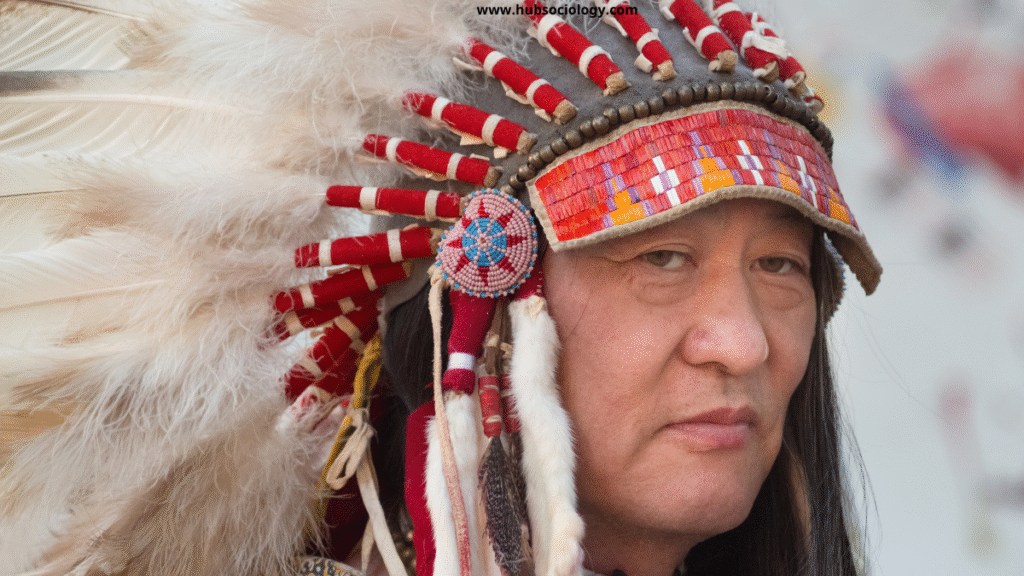
Indigenous communities in Arizona engage with globalization selectively, adopting beneficial aspects while resisting cultural erosion. This process illustrates the concept of “glocalization,” where global influences are adapted to local contexts.
Conclusion
The cultural identity of Indigenous tribes in Arizona is a testament to resilience, adaptability, and resistance. Despite centuries of colonization and ongoing socio-economic challenges, these communities continue to preserve and redefine their identities.
From a sociological perspective, Indigenous cultural identity is not a relic of the past but a living, evolving phenomenon shaped by historical forces and contemporary realities. It reflects a complex interplay of tradition and modernity, resistance and adaptation, local and global influences.
Understanding Indigenous identity in Arizona requires recognizing the importance of land, language, spirituality, and community. It also demands a critical examination of power structures and inequalities that have shaped Indigenous experiences.
Ultimately, the preservation of Indigenous cultural identity is not only a matter of cultural survival but also a broader struggle for social justice, equality, and human dignity.
FAQs: Cultural Identity in Arizona
1. What is Cultural Identity in Arizona?
Cultural Identity in Arizona refers to the shared traditions, languages, beliefs, and social practices of Indigenous tribes and diverse communities living in Arizona.
2. Why is Cultural Identity in Arizona important?
Cultural Identity in Arizona is important because it preserves Indigenous heritage, strengthens community bonds, and maintains historical continuity.
3. Which tribes shape Cultural Identity in Arizona?
Major contributors to Cultural Identity in Arizona include the Navajo Nation, Hopi Tribe, Apache tribes, and Tohono O’odham Nation.
4. How does language influence Cultural Identity in Arizona?
Language is central to Cultural Identity in Arizona as it carries Indigenous knowledge, traditions, and worldview across generations.
5. What role does land play in Cultural Identity in Arizona?
Land is sacred and deeply connected to Cultural Identity in Arizona, symbolizing ancestry, spirituality, and community belonging.
6. How has colonization affected Cultural Identity in Arizona?
Colonization disrupted Cultural Identity in Arizona through land loss and forced assimilation, but also led to resistance and cultural revival.
7. How is Cultural Identity in Arizona preserved today?
Cultural Identity in Arizona is preserved through education, language revitalization programs, ceremonies, and tribal governance.
8. What challenges face Cultural Identity in Arizona?
Challenges include language loss, economic inequality, environmental threats, and cultural appropriation affecting Cultural Identity in Arizona.
9. How do youth engage with Cultural Identity in Arizona?
Indigenous youth use technology, education, and social media to redefine and promote Cultural Identity in Arizona.
10. What is the role of education in Cultural Identity in Arizona?
Education supports Cultural Identity in Arizona by integrating Indigenous knowledge into curricula and promoting cultural awareness.
11. How does globalization impact Cultural Identity in Arizona?
Globalization influences Cultural Identity in Arizona by introducing new ideas while also threatening traditional practices.
12. What is cultural revitalization in Cultural Identity in Arizona?
It refers to efforts like language revival, traditional ceremonies, and activism aimed at strengthening Cultural Identity in Arizona.
13. How does spirituality shape Cultural Identity in Arizona?
Spiritual beliefs and rituals are key elements that define Cultural Identity in Arizona and maintain social cohesion.
14. What is the role of tribal sovereignty in Cultural Identity in Arizona?
Tribal sovereignty allows Indigenous communities to protect and promote Cultural Identity in Arizona through self-governance.
15. How can Cultural Identity in Arizona be protected in the future?
It can be protected through inclusive policies, education, cultural awareness, and respect for Indigenous rights.