Introduction
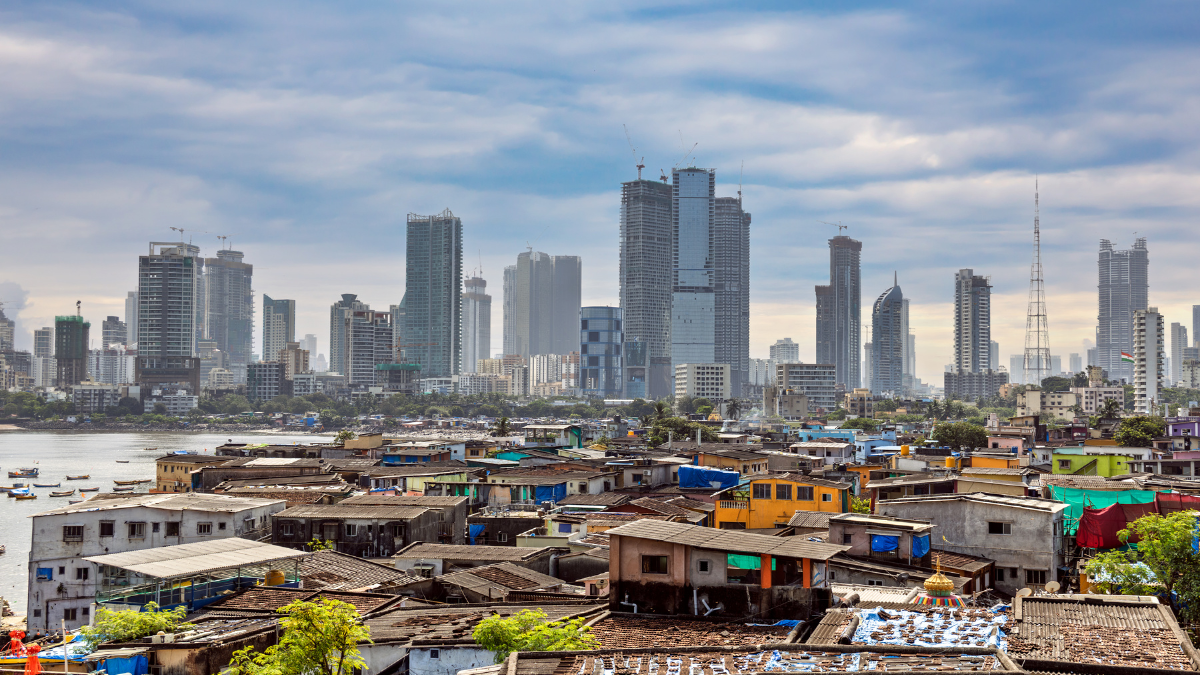
Urban India is undergoing a profound transformation. Rapid industrialization, economic growth, and globalization have accelerated the expansion of cities, making them centers of opportunity and aspiration. Yet, beneath this narrative of progress lies a stark reality: a deepening housing crisis and the persistent problem of homelessness. These issues are not merely economic or infrastructural; they are deeply sociological, reflecting inequalities, exclusion, and structural imbalances within Indian society.
The housing crisis in Indian cities manifests in multiple forms—shortage of affordable housing, proliferation of slums, rising real estate prices, insecure tenure, and visible homelessness. According to estimates, India had over 1.7 million homeless individuals as per the 2011 Census, with a significant proportion residing in urban areas . At the same time, the urban housing shortage has reached tens of millions of units, indicating a severe mismatch between demand and supply .
This article examines the housing crisis and homelessness in Indian cities through a sociological lens, analyzing their causes, patterns, consequences, and policy responses.
Understanding the Urban Housing Crisis
Nature and Extent of the Crisis
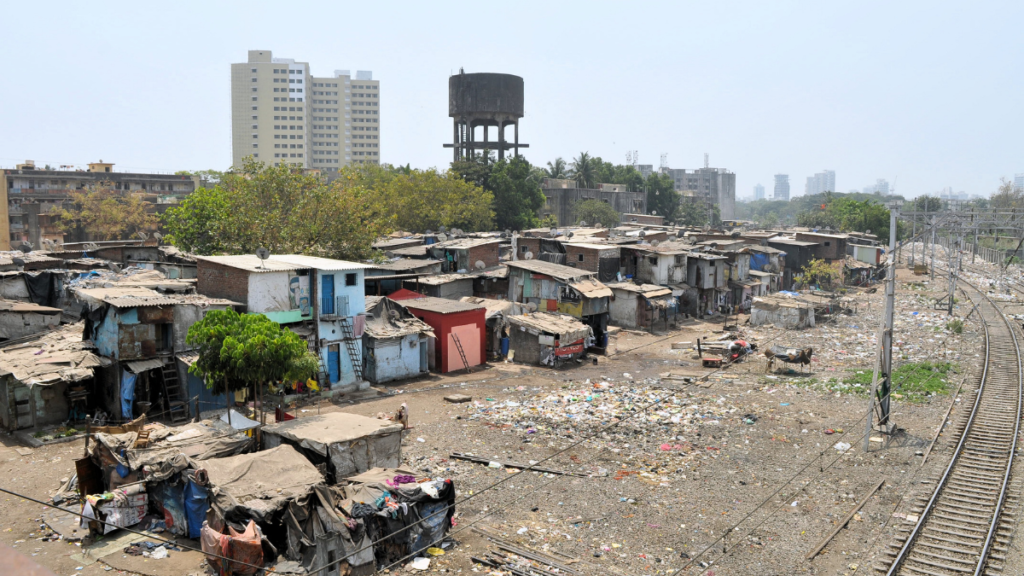
The housing crisis in Indian cities is characterized not only by the absence of houses but also by inadequate, overcrowded, and substandard living conditions. Studies suggest that the urban housing shortage reached around 29 million units in recent years, driven by rapid urbanization and population growth . Projections indicate that this shortage may increase further if current trends continue .
A key sociological insight is that the crisis is not merely quantitative but qualitative. Many urban residents live in congested spaces with poor access to sanitation, water, and infrastructure. The shortage disproportionately affects economically weaker sections (EWS) and low-income groups (LIG), who constitute the majority of urban poor .
The Housing Paradox
India presents a paradoxical situation: while millions are homeless or live in slums, there are also vacant houses in urban areas. This paradox reflects structural inequalities in housing distribution, speculative real estate markets, and policy distortions. Housing is treated not only as a basic need but also as a commodity and investment, which drives prices beyond the reach of the poor.
Homelessness in Indian Cities
Definition and Forms
Homelessness in Indian cities is not limited to those sleeping on pavements. It includes individuals and families living under flyovers, in temporary shelters, railway stations, and makeshift structures. It also includes the “hidden homeless”—those living in insecure or overcrowded conditions.
Urban homelessness is often underestimated. For instance, in Delhi, official figures suggest tens of thousands of homeless individuals, but independent estimates indicate much higher numbers .
Causes of Homelessness
From a sociological perspective, homelessness is a product of multiple intersecting factors:
- Poverty and unemployment: Lack of stable income prevents access to housing.
- Rural-to-urban migration: Migrants arrive in cities seeking jobs but often cannot afford housing.
- High cost of living: Rising rents and property prices push people into homelessness.
- Social disintegration: Family breakdown, domestic violence, and abandonment contribute to homelessness.
- Structural inequalities: Marginalized groups, including women, children, and the disabled, are more vulnerable.
Homelessness is thus not an individual failure but a systemic issue rooted in social and economic structures .
Urbanization and Migration: The Driving Forces
Urbanization is a central factor in the housing crisis. India’s urban population has grown rapidly and is expected to reach around 40% by 2030 . Cities attract migrants due to employment opportunities, better infrastructure, and aspirations for upward mobility.
However, the pace of urbanization has outstripped the capacity of cities to provide adequate housing. Migrants, particularly those working in the informal sector, often settle in slums or informal settlements because they cannot afford formal housing.
This process reflects what sociologists call “push and pull factors”:
- Push factors: Rural poverty, lack of employment, agrarian distress.
- Pull factors: Urban jobs, education, and services.
The result is the expansion of informal settlements, which become the primary housing solution for the urban poor.
Growth of Slums and Informal Settlements
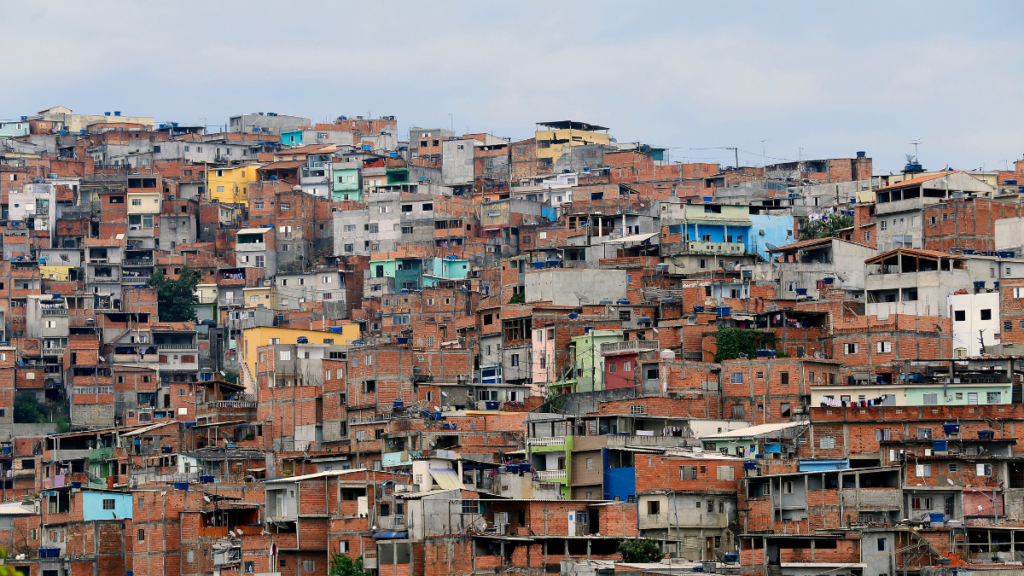
Slums are a defining feature of Indian urbanization. It is estimated that millions of people live in slums, with around 25% of the urban population residing in informal housing .
Sociological Characteristics of Slums
Slums are not merely spaces of deprivation; they are also sites of community, resilience, and informal economies. However, they are characterized by:
- Overcrowding
- Lack of basic services (water, sanitation, electricity)
- Insecure tenure
- Exposure to health risks
From a sociological perspective, slums represent both exclusion and adaptation. They emerge due to systemic failure but also demonstrate the agency of the urban poor in creating shelter and livelihoods.
Structural Causes of the Housing Crisis
1. Economic Inequality
One of the primary causes of the housing crisis is the widening gap between rich and poor. Urban real estate markets cater largely to middle- and upper-income groups, while the poor are excluded.
Rising property prices and rents have made housing unaffordable for a large segment of the population. The concentration of wealth further exacerbates inequality, limiting access to housing for the majority.
2. Informal Labor and Precarity
A significant proportion of urban workers are employed in the informal sector. These workers have irregular incomes, no job security, and limited access to credit, making it difficult to secure formal housing.
3. Land and Urban Planning Issues
Urban land in India is scarce and expensive. Inefficient land use, restrictive zoning laws, and bureaucratic hurdles limit the supply of affordable housing.
Urban planning often prioritizes commercial development and elite housing, neglecting the needs of the poor.
4. Policy Failures
Although various housing schemes have been introduced, their implementation has been uneven. Issues include:
- Poor quality of housing projects
- Lack of basic infrastructure
- Inadequate targeting of beneficiaries
Some housing projects remain unoccupied due to poor location or lack of services, highlighting governance challenges.
5. Legal and Institutional Barriers
Rent control laws, while intended to protect tenants, have sometimes discouraged investment in rental housing. Similarly, lack of clear property rights and tenure security affects both supply and access.
Social Consequences of Housing Crisis and Homelessness
1. Health and Well-being
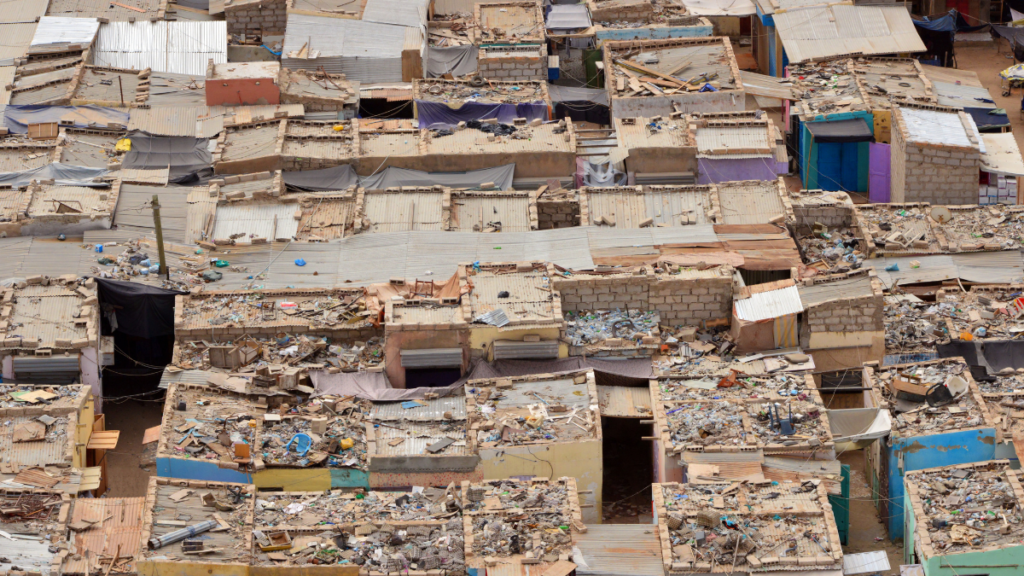
Poor housing conditions are linked to various health problems, including respiratory diseases, malnutrition, and mental stress. Homeless individuals face extreme vulnerability, especially during harsh weather conditions.
2. Social Exclusion
Homeless and slum populations are often marginalized and stigmatized. They have limited access to education, healthcare, and social services, reinforcing cycles of poverty.
3. Crime and Vulnerability
Lack of secure housing increases vulnerability to crime, exploitation, and abuse, particularly for women and children.
4. Intergenerational Poverty
Children growing up in slums or without stable housing face barriers to education and upward mobility, perpetuating poverty across generations.
Gender and Homelessness
Homelessness has a gendered dimension. Women face unique challenges, including:
- Exposure to violence and exploitation
- Lack of safe sanitation facilities
- Social stigma
Single women, widows, and abandoned women are particularly vulnerable. Gender-sensitive housing policies are essential to address these issues.
Government Policies and Interventions
1. Pradhan Mantri Awas Yojana (PMAY)
The PMAY aims to provide affordable housing to the urban poor through subsidies and incentives. It represents a shift towards inclusive housing policies.
2. Slum Rehabilitation Programs
Various schemes focus on upgrading slums and providing formal housing. However, relocation often disrupts livelihoods and social networks.
3. Night Shelters and Social Welfare Programs
Urban local bodies have established night shelters for the homeless. However, their capacity and quality are often inadequate.
4. Public-Private Partnerships
Efforts to involve private developers in affordable housing have shown mixed results, with concerns about affordability and inclusivity.
Sociological Theories and Perspectives
1. Structural Functionalism
From this perspective, housing is a basic institution necessary for social stability. The crisis indicates dysfunction in the social system.
2. Conflict Theory
Conflict theorists argue that the housing crisis reflects power inequalities. The wealthy control land and resources, while the poor are marginalized.
3. Urban Ecology
Urban ecology examines how different social groups occupy urban space. The segregation of the poor into slums reflects spatial inequality.
4. Symbolic Interactionism
This perspective highlights the lived experiences of the homeless, including stigma, identity, and social interactions.
Emerging Trends and Future Challenges
1. Rising Urban Population
With continued urbanization, demand for housing will increase, intensifying the crisis.
2. Climate Change
Urban flooding, heatwaves, and environmental degradation disproportionately affect the homeless and slum dwellers.
3. Technological and Policy Innovations
Smart city initiatives and digital governance offer new opportunities but also risk excluding marginalized populations.
Towards Inclusive Urban Housing
Addressing the housing crisis requires a holistic approach:
- Expanding affordable housing supply
- Strengthening rental housing policies
- Ensuring tenure security
- Integrating housing with employment and infrastructure
- Promoting participatory urban planning
A rights-based approach to housing, recognizing it as a fundamental human right, is essential.
Conclusion
The housing crisis and homelessness in Indian cities are not isolated problems but reflections of deeper social, economic, and political dynamics. They reveal the contradictions of urban development—where growth coexists with inequality, and opportunity with exclusion.
A sociological perspective helps us understand that housing is not merely about shelter but about dignity, identity, and social inclusion. Addressing this crisis requires not only policy reforms but also a commitment to social justice and equity.
As India continues its urban journey, the challenge lies in building cities that are not only economically vibrant but also socially inclusive—where every individual has the right to a safe and dignified home.
FAQs
- What is homelessness in Indian cities?
Homelessness in Indian cities refers to individuals or families who lack permanent, secure, and adequate housing, often living on streets, pavements, or temporary shelters. - What are the main causes of homelessness in Indian cities?
The main causes of homelessness in Indian cities include poverty, unemployment, rural-to-urban migration, high housing costs, and social exclusion. - How does urbanization contribute to homelessness in Indian cities?
Rapid urbanization increases population pressure on cities, leading to a shortage of affordable housing and resulting in homelessness in Indian cities. - Who are most affected by homelessness in Indian cities?
Migrants, daily wage workers, women, children, and marginalized communities are most affected by homelessness in Indian cities. - What is the difference between homelessness and slum living in Indian cities?
Homelessness in Indian cities refers to having no shelter at all, while slum dwellers have informal housing but often lack basic amenities. - How does homelessness in Indian cities impact health?
Homelessness in Indian cities leads to poor health outcomes, including malnutrition, respiratory diseases, and mental stress due to unsafe living conditions. - What role does migration play in homelessness in Indian cities?
Migration plays a major role in homelessness in Indian cities as many migrants cannot afford housing upon arrival and end up living in informal conditions. - How does gender affect homelessness in Indian cities?
Women facing homelessness in Indian cities are more vulnerable to violence, exploitation, and lack of sanitation facilities. - What government schemes address homelessness in Indian cities?
Schemes like Pradhan Mantri Awas Yojana (PMAY) and urban shelter programs aim to reduce homelessness in Indian cities. - Are night shelters effective in reducing homelessness in Indian cities?
Night shelters help temporarily but are often insufficient in number and quality to fully address homelessness in Indian cities. - How does economic inequality relate to homelessness in Indian cities?
Economic inequality widens the gap between rich and poor, making housing unaffordable and increasing homelessness in Indian cities. - What are the social consequences of homelessness in Indian cities?
Homelessness in Indian cities leads to social exclusion, crime vulnerability, lack of education, and intergenerational poverty. - Can homelessness in Indian cities be completely eliminated?
While difficult, homelessness in Indian cities can be significantly reduced through inclusive policies, affordable housing, and social welfare programs. - What is the role of NGOs in addressing homelessness in Indian cities?
NGOs provide food, shelter, healthcare, and advocacy for people facing homelessness in Indian cities. - Why is homelessness in Indian cities a sociological issue?
Homelessness in Indian cities reflects structural inequalities, social exclusion, and failures in urban planning and policy systems.