Introduction
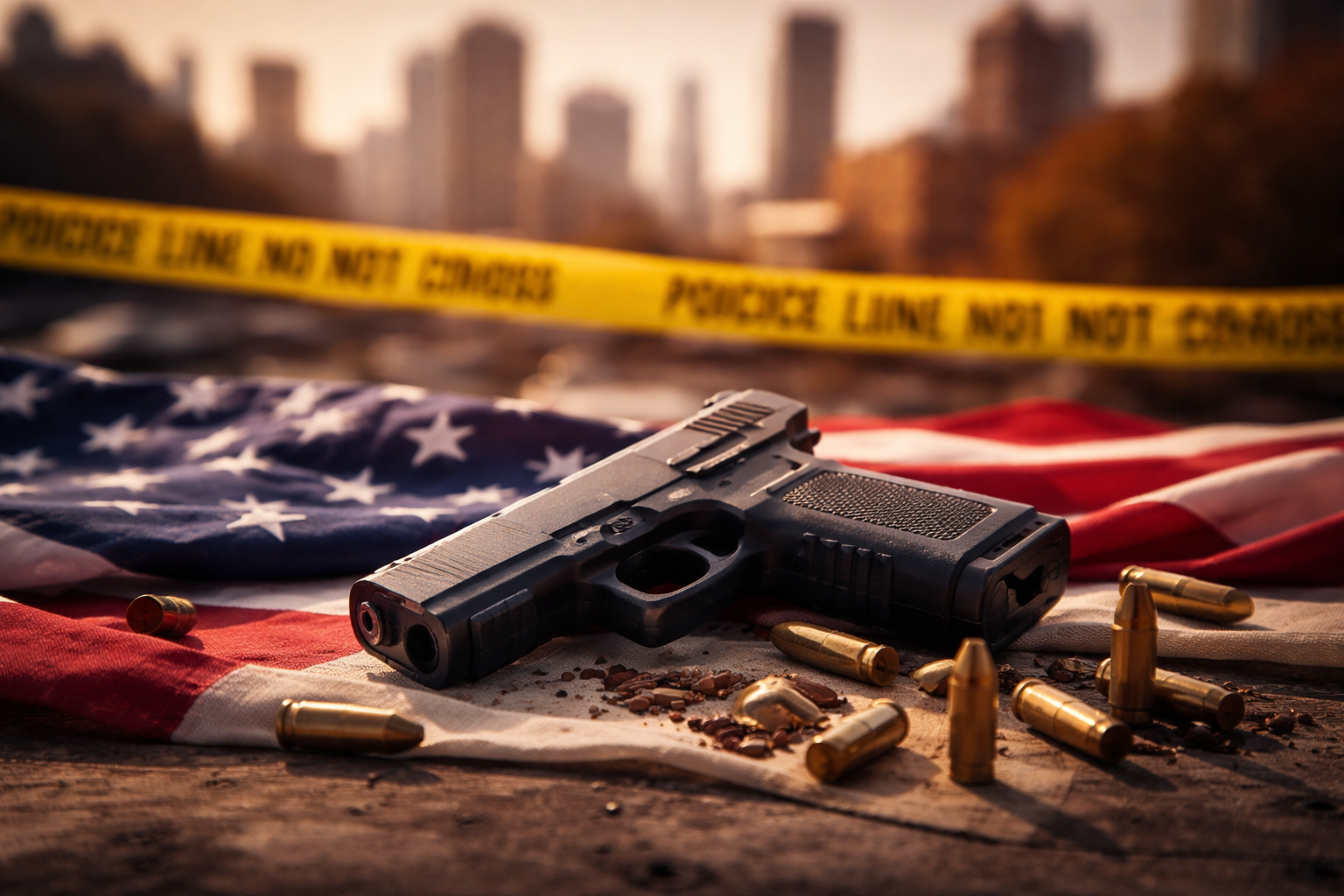
Gun culture occupies a unique and controversial place in American society. Unlike other developed nations, the United States exhibits both widespread civilian gun ownership and persistently high levels of gun-related violence. This paradox has drawn sustained attention from sociologists, policymakers, and scholars who seek to understand how historical traditions, social structures, cultural meanings, and political ideologies combine to shape patterns of violence. From mass shootings and urban gun crime to everyday fear and social polarization, gun violence in America is not merely a criminal issue but a deeply embedded social phenomenon.
A sociological analysis of gun culture moves beyond individual behavior to examine the broader forces that normalize firearms, legitimize violence, and reproduce inequalities. Gun violence is shaped by class divisions, racial stratification, gender norms, media representation, and state power. Understanding gun culture as a social construct helps explain why violence persists despite technological progress and why reform efforts remain deeply contested.
This article examines gun culture and social violence in America through historical, cultural, structural, and theoretical lenses, highlighting how guns function as symbols of identity, power, and resistance within American society.

Historical Roots of Gun Culture in America
The origins of American gun culture can be traced back to the colonial period, when firearms were essential tools for survival, hunting, and defense. Early settlers relied on guns to protect themselves from perceived external threats, including wildlife, rival colonial powers, and Indigenous populations. Over time, guns became associated with frontier life and self-reliance, reinforcing the idea that armed individuals were essential to social order.
The American Revolution further solidified the symbolic importance of guns. Armed resistance against British rule transformed firearms into emblems of freedom and citizenship. The inclusion of the Second Amendment institutionalized the idea that gun ownership was tied to liberty and protection against tyranny. From a sociological standpoint, this constitutional framing embedded guns within national identity rather than treating them as neutral tools.
As the United States expanded westward, the myth of the “Wild West” glorified armed masculinity, individual justice, and vigilantism. Popular culture romanticized gunfighters and lawless frontiers, shaping collective memory and reinforcing cultural acceptance of violence as a means of conflict resolution. These historical narratives continue to influence modern attitudes toward firearms.
Gun Culture as a Social Construction
Gun culture in America is not uniform; it varies across regions, social classes, and communities. Sociologically, gun culture can be understood as a system of meanings, values, and practices that normalize gun ownership and use. In many communities, guns are not perceived as threats but as symbols of responsibility, protection, and moral order.
Rural and conservative communities often frame guns as tools for self-defense and tradition, while urban populations may associate them with crime and insecurity. These contrasting interpretations reflect differences in social experience, exposure to violence, and trust in state institutions such as police. Where social trust is low, firearms may be viewed as necessary substitutes for institutional protection.
Gun culture is also reinforced through socialization. Children raised in gun-owning households often learn to associate firearms with safety, discipline, and family bonding. Gun clubs, shooting ranges, and hunting traditions function as social institutions that reproduce pro-gun values across generations. From a sociological perspective, this cultural transmission explains why gun attitudes remain stable despite changing social conditions.
Masculinity, Identity, and Power
One of the most significant sociological dimensions of gun culture is its relationship with masculinity. Firearms are frequently linked to ideals of strength, dominance, and control. In a society where traditional forms of male authority are challenged by economic insecurity and social change, guns can become symbolic tools for reclaiming power.
Research shows that many acts of gun violence, including mass shootings, are committed by men experiencing social alienation, perceived humiliation, or loss of status. Sociologists argue that these acts are not random but connected to crises of masculine identity. Guns offer a means to assert significance in a society that appears indifferent or hostile.
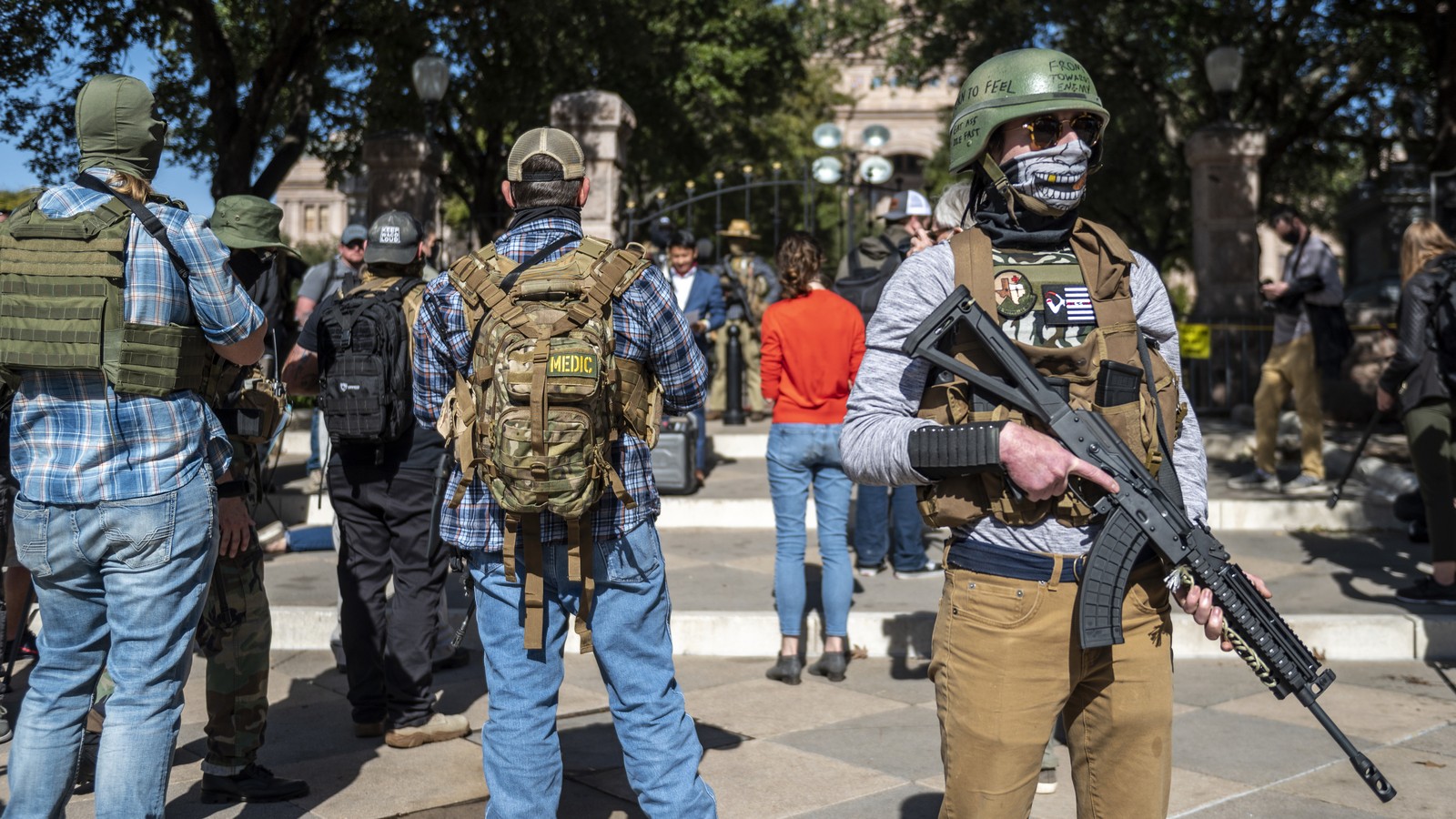
The association between guns and masculinity is reinforced by media portrayals that glorify armed heroes and violent solutions. These narratives contribute to what sociologists describe as a “culture of violence,” where aggression is normalized and emotional vulnerability is discouraged. As a result, firearms become instruments through which unresolved social and psychological tensions are expressed.
Structural Inequality and Gun Violence
Gun violence in America is deeply intertwined with structural inequality. Rates of firearm-related deaths are disproportionately higher in marginalized communities affected by poverty, unemployment, racial segregation, and limited access to education. Sociological theories emphasize that violence often emerges from conditions of social exclusion rather than individual pathology.
In urban areas, gun violence is frequently linked to systemic disinvestment and weak social institutions. Communities lacking economic opportunities and political representation experience higher levels of stress and conflict. Guns become tools within informal economies and gang structures, offering protection and status where legitimate avenues for advancement are blocked.
Racial inequality also plays a central role. Black and Latino communities face disproportionate exposure to gun violence, both as victims and as targets of aggressive policing. Sociologists argue that this reflects broader patterns of structural racism rather than inherent criminality. Gun violence, in this context, is a symptom of social inequality rather than its cause.
Media, Fear, and Moral Panic
Mass media plays a crucial role in shaping public perceptions of gun violence. High-profile mass shootings receive extensive coverage, often framed in sensational terms that amplify fear and anxiety. Sociologically, this contributes to moral panic, where isolated incidents are perceived as evidence of widespread social breakdown.
Ironically, media coverage can reinforce gun culture rather than challenge it. Fear-driven narratives encourage individuals to purchase firearms for self-protection, particularly in times of political uncertainty. This creates a feedback loop where violence increases demand for guns, which in turn raises the risk of further violence.
Media representations also tend to racialize gun violence, portraying urban crime differently from suburban or school shootings. This selective framing reinforces stereotypes and obscures the structural causes of violence. By focusing on individual perpetrators, media narratives divert attention from social conditions that enable violence.
Political Polarization and Institutional Influence
Gun culture in America is closely tied to political ideology and institutional power. Advocacy groups such as National Rifle Association have played a significant role in framing gun ownership as a fundamental civil right. Through lobbying and political mobilization, such organizations influence public discourse and policy outcomes.
From a sociological perspective, the gun debate reflects broader conflicts over authority, citizenship, and state power. For many Americans, gun ownership represents resistance to government control and defense of personal autonomy. This belief is particularly strong among groups who distrust federal institutions or feel culturally marginalized.
Political polarization has transformed gun policy into a symbolic battlefield. Rather than being addressed as a public health issue, gun violence is framed as an ideological struggle. This polarization limits the possibility of consensus and reinforces social divisions, making meaningful reform difficult.
Sociological Theories Explaining Gun Violence
Several sociological theories help explain the persistence of gun violence in America. Strain theory suggests that when individuals are unable to achieve socially valued goals through legitimate means, they may turn to violence as an alternative. In contexts of economic inequality and social exclusion, guns provide an accessible means of expressing frustration.
Social disorganization theory emphasizes the role of weakened social institutions in facilitating violence. Communities with low social cohesion, residential instability, and limited collective efficacy are more vulnerable to gun crime. Violence, in this view, is a product of structural breakdown rather than moral failure.
Conflict theory highlights how power inequalities shape gun policy and enforcement. Laws governing gun ownership often reflect the interests of dominant social groups, while marginalized communities experience harsher surveillance and punishment. This unequal application of authority reinforces cycles of violence and mistrust.
Comparative Perspective: Why America Is Different
When compared to other developed nations, the United States stands out for its high rate of gun ownership and gun-related deaths. Sociologists argue that this difference cannot be explained solely by individual behavior or mental health. Instead, it reflects a unique combination of historical legacy, political culture, and social inequality.
Countries with strict gun regulations often have stronger welfare systems, higher social trust, and lower levels of economic inequality. In contrast, American society emphasizes individualism over collective responsibility. This ideological framework makes it difficult to frame gun violence as a shared social problem requiring collective solutions.

The normalization of firearms in everyday life also distinguishes the United States. Guns are embedded in popular culture, political rhetoric, and consumer markets, making them integral to social identity rather than exceptional objects of control.
Conclusion
Gun culture and social violence in America are deeply interconnected social phenomena shaped by history, identity, inequality, and power. From a sociological perspective, gun violence cannot be reduced to individual choices or isolated incidents. It is embedded in structural conditions, cultural narratives, and institutional arrangements that normalize firearms and legitimize violence.
Addressing gun violence requires more than legal reform; it demands a broader transformation of social conditions that produce insecurity, alienation, and fear. Reducing inequality, strengthening community institutions, reshaping media narratives, and redefining masculinity are essential components of any long-term solution.
Ultimately, understanding gun culture sociologically allows us to move beyond polarized debates and toward a more nuanced conversation about safety, justice, and collective responsibility in American society.
Frequently Asked Questions (FAQs): Social Violence in America
1. What is meant by Social Violence in America?
Social Violence in America refers to violence that emerges from social structures, cultural norms, inequalities, and institutional failures rather than isolated individual actions. It includes gun violence, gang violence, domestic violence, and mass shootings shaped by broader social conditions.
2. How is gun culture related to Social Violence in America?
Gun culture normalizes firearm ownership and links guns with identity, masculinity, and self-defense, which sociologists argue contributes significantly to the persistence of Social Violence in America.
3. Why does America experience higher social violence compared to other countries?
Social Violence in America is higher due to widespread gun availability, historical normalization of violence, economic inequality, racial segregation, weak social safety nets, and political polarization.
4. Is Social Violence in America mainly an individual problem?
No, sociologists view Social Violence in America as a structural problem rooted in inequality, social disorganization, cultural values, and institutional failures rather than individual morality alone.
5. How does inequality contribute to Social Violence in America?
Economic inequality, unemployment, and social exclusion increase stress and conflict, making marginalized communities more vulnerable to Social Violence in America.
6. What role does masculinity play in Social Violence in America?
Traditional masculine norms emphasizing dominance and control often encourage aggressive behavior, making masculinity a key sociological factor in understanding Social Violence in America.
7. How does media influence Social Violence in America?
Media sensationalism amplifies fear, creates moral panic, and sometimes glorifies violence, indirectly reinforcing Social Violence in America rather than addressing its root causes.
8. Is Social Violence in America linked to race?
Yes, Social Violence in America disproportionately affects racial minorities due to systemic racism, residential segregation, unequal policing, and historical discrimination.
9. How does political polarization affect Social Violence in America?
Political polarization turns gun violence into an ideological issue, preventing consensus-based solutions and indirectly sustaining Social Violence in America.
10. What sociological theories explain Social Violence in America?
Strain theory, social disorganization theory, and conflict theory are commonly used to explain Social Violence in America by focusing on inequality, weak institutions, and power imbalances.
11. Does urbanization increase Social Violence in America?
Urbanization alone does not cause violence, but when combined with poverty, segregation, and lack of social cohesion, it can intensify Social Violence in America.
12. How does distrust in institutions affect Social Violence in America?
Low trust in police, government, and legal systems encourages individuals to rely on self-protection, often through guns, increasing Social Violence in America.
13. Can Social Violence in America be reduced without changing gun laws?
Sociologists argue that reducing Social Violence in America also requires addressing inequality, education, mental health, community development, and cultural norms—not just gun laws.
14. Is Social Violence in America a public health issue?
Yes, many scholars treat Social Violence in America as a public health crisis due to its long-term physical, psychological, and social consequences.
15. Why is a sociological approach important to understand Social Violence in America?
A sociological approach helps explain how history, culture, power, and inequality interact, offering deeper insights and long-term solutions to Social Violence in America.