Introduction
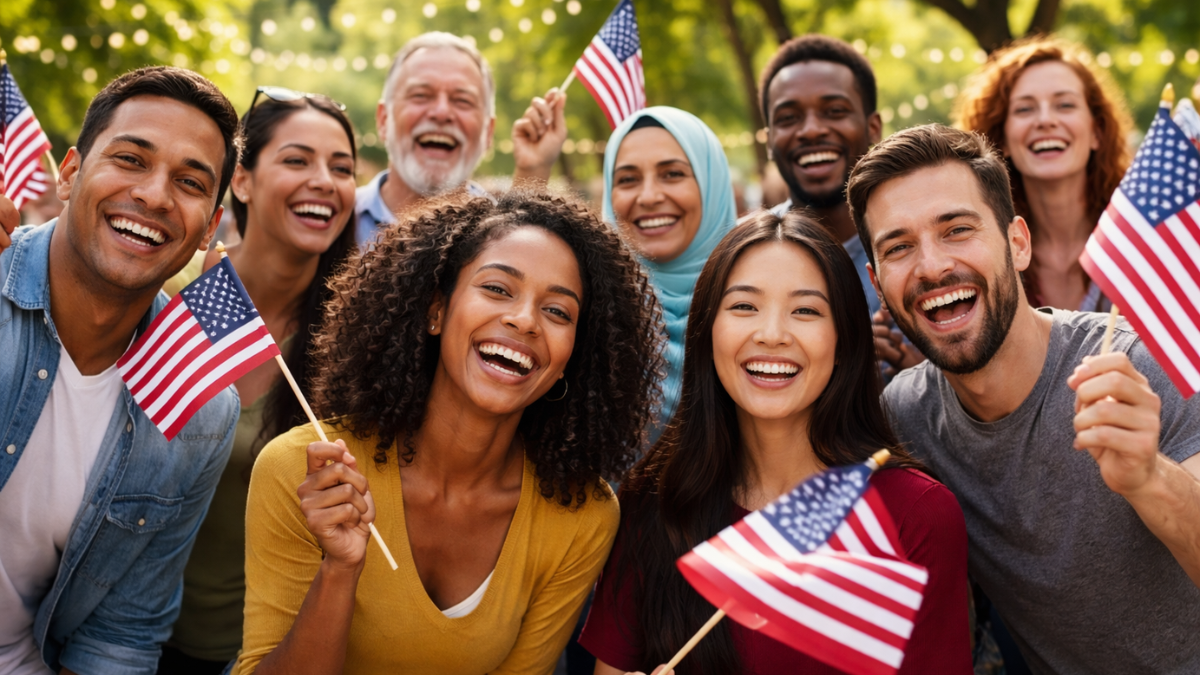
Cultural diversity and social integration in America remain central themes in sociological discourse. The United States has long been described as a “nation of immigrants,” a society shaped by waves of migration, indigenous heritage, colonial encounters, slavery, and globalization. This complex historical layering has produced one of the most culturally diverse societies in the world. Yet diversity alone does not guarantee harmony. The key sociological question is how diverse cultural groups coexist, interact, and integrate within a shared social framework.
From a sociological perspective, cultural diversity refers to the coexistence of different ethnic, racial, religious, linguistic, and cultural groups within a society. Social integration, on the other hand, concerns the processes through which individuals and groups are incorporated into the broader social system, gaining access to institutions, rights, opportunities, and social networks. In the American context, these two processes—diversity and integration—are deeply intertwined.
This article examines cultural diversity and social integration in America through historical, theoretical, structural, and contemporary lenses. It analyzes how institutions such as education, the economy, politics, and media influence integration, and it explores ongoing challenges including inequality, discrimination, and identity politics.
Historical Foundations of Cultural Diversity in America
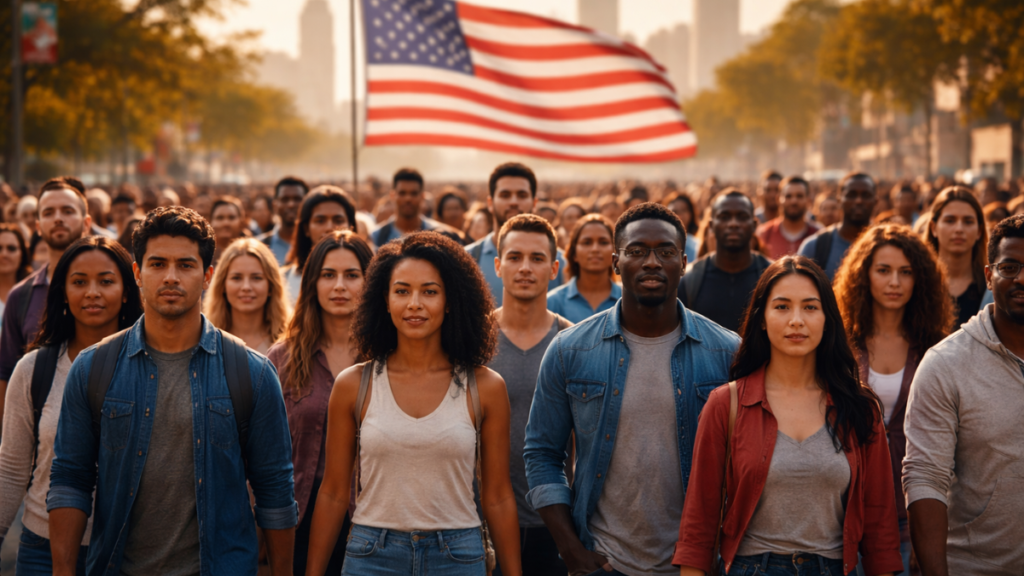
American cultural diversity did not emerge accidentally. It is rooted in several foundational historical processes.
First, Indigenous societies inhabited North America long before European colonization. The arrival of European settlers introduced new cultural systems, languages, religions, and political institutions. Colonization led to cultural displacement and marginalization of Native American communities, establishing early patterns of inequality.
Second, the transatlantic slave trade forcibly brought millions of Africans to America. Enslaved Africans contributed profoundly to American culture—through music, religion, language, and cuisine—while enduring systemic oppression. The legacy of slavery continues to shape racial dynamics and integration processes today.
Third, successive waves of voluntary immigrants from Europe, Asia, Latin America, and Africa further diversified American society. The 19th and early 20th centuries saw large influxes from Ireland, Italy, Germany, and Eastern Europe. The mid-to-late 20th century brought significant migration from Latin America and Asia, particularly after the Immigration and Nationality Act of 1965.
Thus, American diversity is not only demographic but also structural, reflecting centuries of power relations, migration flows, and cultural exchanges.
Theoretical Perspectives on Cultural Diversity and Integration
Sociologists have developed various theories to explain how diverse societies function and how integration occurs.
Functionalist Perspective
Functionalists argue that social integration is necessary for social stability. According to this view, shared norms, values, and institutions help maintain social order. Early sociologists believed in the “melting pot” model, where immigrants gradually assimilate into a dominant culture. Assimilation was seen as a process that strengthens national unity.
However, critics argue that this perspective often overlooks power inequalities and cultural suppression.
Conflict Perspective
Conflict theorists emphasize power, inequality, and competition between groups. From this viewpoint, cultural diversity may lead to tensions when groups compete for resources such as jobs, housing, and political representation. Integration is not automatic; it is shaped by structural inequalities rooted in capitalism, racism, and historical injustice.
This perspective highlights systemic discrimination in employment, criminal justice, and housing, which can hinder full integration.
Symbolic Interactionism
Symbolic interactionists focus on everyday interactions and identity formation. They examine how stereotypes, language, and social labels influence integration. Cultural identity is negotiated in schools, workplaces, and neighborhoods through daily encounters. Micro-level experiences of inclusion or exclusion significantly shape broader integration outcomes.
Models of Integration: Melting Pot, Salad Bowl, and Multiculturalism
The metaphor of the “melting pot” suggests that diverse cultures blend into a single national identity. Historically, this model implied assimilation into Anglo-American norms. While it promoted unity, it often required minorities to abandon distinct cultural practices.

In contrast, the “salad bowl” model emphasizes coexistence without cultural erasure. Different groups maintain their unique identities while contributing to a shared society. This approach aligns with multiculturalism, which values cultural pluralism and recognizes diversity as a strength rather than a problem.
Contemporary America reflects elements of both models. While English remains the dominant language and certain national values are widely shared, cultural festivals, ethnic neighborhoods, bilingual education, and religious diversity demonstrate pluralism.
Immigration and Demographic Change
Immigration remains a primary driver of cultural diversity. The United States continues to attract migrants seeking economic opportunities, education, and safety.
Recent decades have seen growth in Hispanic, Asian, and African immigrant populations. These demographic changes influence social institutions, consumer markets, political dynamics, and cultural expressions.
Second-generation immigrants often experience dual identities—balancing parental cultural heritage with mainstream American norms. Sociologists describe this as segmented assimilation, where integration pathways vary depending on socioeconomic status, community support, and public policy.
Education and Social Integration
Education plays a crucial role in integrating diverse populations. Schools are primary sites of cultural socialization, where children learn civic values, language skills, and social norms.
Desegregation efforts following the Civil Rights Movement sought to promote racial integration in schools. However, residential segregation continues to produce unequal educational outcomes. Schools in economically disadvantaged neighborhoods often have fewer resources, affecting integration prospects.
Culturally responsive pedagogy has emerged as an approach that values students’ cultural backgrounds. By recognizing diversity within classrooms, educators can foster inclusion and mutual respect.
Economic Integration and Inequality
Economic participation is central to social integration. Access to employment, fair wages, and upward mobility enables individuals to become fully integrated members of society.
However, economic inequality remains a major barrier. Minority groups often face wage gaps, employment discrimination, and limited access to professional networks. Structural factors such as historical housing discrimination and unequal schooling contribute to these disparities.
The rise of the gig economy and technological transformation also affects integration. While new opportunities emerge, digital divides may exclude certain populations from full participation.
Political Participation and Civic Inclusion
Political integration involves participation in voting, representation, and civic engagement. Over time, marginalized groups have fought for inclusion through social movements such as the Civil Rights Movement, women’s suffrage, and LGBTQ+ activism.
Legal reforms expanded voting rights and anti-discrimination protections. Nevertheless, voter suppression debates, immigration policies, and partisan polarization continue to influence political inclusion.
Civic organizations, community associations, and grassroots movements provide platforms for marginalized voices, strengthening democratic integration.
Media, Representation, and Cultural Identity
Media significantly shapes perceptions of diversity. Representation in television, film, and news can either reinforce stereotypes or promote understanding.
Digital media platforms allow minority communities to express their identities and challenge dominant narratives. However, social media also facilitates misinformation and cultural polarization.
Cultural industries—music, sports, literature—demonstrate how diversity enriches national identity. American popular culture is deeply influenced by African American music traditions, Latino cultural expressions, Asian American creativity, and Indigenous art forms.
Religion and Social Cohesion
Religious diversity is another dimension of American pluralism. Christianity remains predominant, but Islam, Judaism, Hinduism, Buddhism, and secular worldviews are also significant.
Religious institutions often provide social support networks that assist newcomers with integration. At the same time, religious differences can become sources of misunderstanding or discrimination, especially in times of political tension.
Interfaith dialogue initiatives promote mutual respect and cooperation, enhancing social cohesion.
Urbanization, Segregation, and Community Formation
Urban areas are primary sites of cultural interaction. Cities such as New York, Los Angeles, and Chicago exemplify dense multicultural environments. Ethnic neighborhoods can provide solidarity and economic support for immigrants.
However, residential segregation—often linked to historical redlining and economic inequality—limits cross-cultural interaction. Spatial separation may hinder full social integration by restricting access to quality education, employment opportunities, and healthcare.
Urban policy initiatives aimed at inclusive housing and community development play a crucial role in bridging these divides.
Challenges to Social Integration
Despite progress, significant challenges persist. Racial discrimination, xenophobia, and cultural prejudice continue to affect marginalized groups. Hate crimes and anti-immigrant rhetoric illustrate ongoing tensions.
Economic inequality intersects with race and ethnicity, reinforcing structural disadvantages. Cultural misunderstandings may intensify during periods of economic uncertainty or political polarization.
Globalization also complicates integration. Transnational identities allow individuals to maintain connections to homeland cultures, reshaping traditional notions of assimilation.
The Role of Law and Public Policy
Public policy profoundly influences integration. Civil rights legislation, affirmative action, immigration reform, and anti-discrimination laws shape opportunities for marginalized groups.
Policies that promote equal access to education, healthcare, and employment strengthen integration. Conversely, restrictive policies may deepen social divisions.
Local governments often implement multicultural programs, language access services, and community outreach initiatives to foster inclusion.
Intersectionality and Complex Identities
Sociologists emphasize intersectionality—the idea that individuals experience multiple, overlapping forms of identity such as race, gender, class, and religion. Integration processes vary depending on these intersecting identities.
For example, immigrant women may face gender-based barriers alongside ethnic discrimination. LGBTQ+ individuals within minority communities may navigate multiple layers of marginalization.
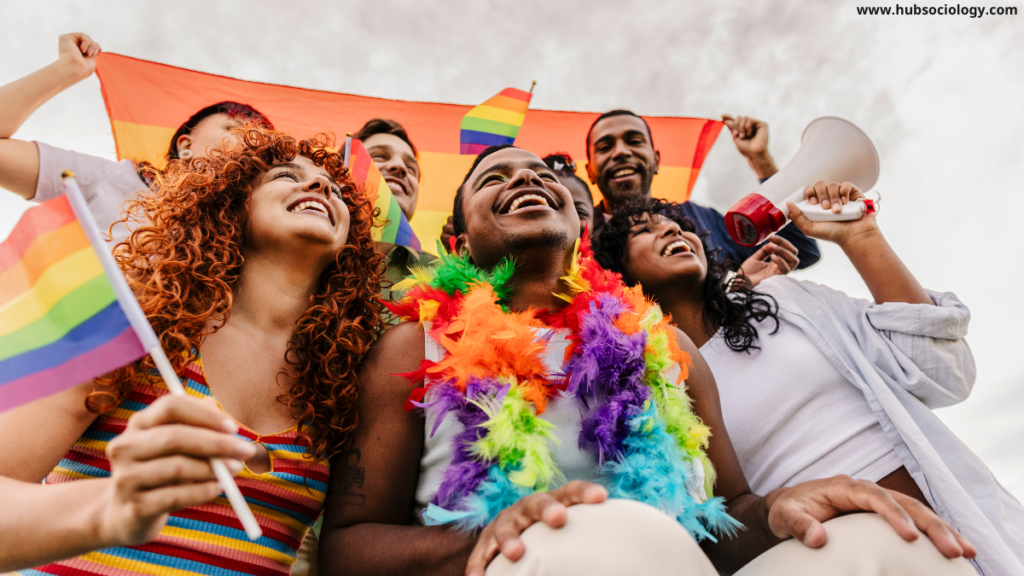
Recognizing intersectionality helps policymakers and scholars understand that integration is not uniform but shaped by complex social hierarchies.
Toward Inclusive Integration
Social integration in a diverse society requires balancing unity and diversity. Shared civic values—such as democracy, equality before the law, and human rights—provide a common foundation. At the same time, respecting cultural differences fosters mutual enrichment.
Dialogue, education, equitable policies, and community engagement are essential for building inclusive integration. Diversity can become a source of innovation, creativity, and resilience when supported by just institutions.
Conclusion
Cultural diversity and social integration in America represent both a challenge and an opportunity. Historically shaped by colonization, slavery, and immigration, American society embodies multiple cultural traditions and identities. Sociological perspectives reveal that integration is not automatic; it is influenced by structural inequalities, institutional frameworks, and everyday interactions.
While significant progress has been made through civil rights advancements and multicultural recognition, persistent inequalities remind us that integration remains an ongoing process. The future of American society depends on its ability to create inclusive systems that promote equality while honoring cultural plurality.
Ultimately, cultural diversity is not merely a demographic fact but a defining characteristic of American identity. Social integration, when rooted in justice and mutual respect, can transform diversity into a powerful foundation for social cohesion and democratic vitality.
FAQs on Social Integration in America
1. What is Social Integration in America?
Social Integration in America refers to the process through which individuals and cultural groups become incorporated into the broader social, economic, political, and cultural systems of the United States while maintaining access to equal rights and opportunities.
2. Why is Social Integration in America important?
Social Integration in America is important because it promotes social cohesion, reduces conflict, and ensures equal participation in institutions such as education, employment, and politics.
3. How does immigration affect Social Integration in America?
Immigration significantly shapes Social Integration in America by increasing cultural diversity. Successful integration depends on access to education, employment, language skills, and supportive public policies.
4. What is the difference between assimilation and Social Integration in America?
Assimilation implies adopting dominant cultural norms, often at the cost of original identity, whereas Social Integration in America allows individuals to participate fully in society while preserving cultural heritage.
5. How does education support Social Integration in America?
Education supports Social Integration in America by teaching civic values, promoting cultural understanding, improving language skills, and providing equal opportunities for upward mobility.
6. What role does economic opportunity play in Social Integration in America?
Economic participation is central to Social Integration in America. Access to fair employment, equal wages, and entrepreneurship helps individuals become stable and active members of society.
7. How does racial inequality impact Social Integration in America?
Racial inequality can hinder Social Integration in America by limiting access to housing, quality education, healthcare, and employment, thereby reinforcing structural barriers.
8. What role does public policy play in Social Integration in America?
Public policy influences Social Integration in America through civil rights laws, immigration reforms, anti-discrimination policies, and social welfare programs that promote inclusion.
9. How do communities promote Social Integration in America?
Local communities encourage Social Integration in America through civic organizations, cultural festivals, faith-based initiatives, and neighborhood networks that foster interaction and mutual respect.
10. How does media representation affect Social Integration in America?
Positive and diverse media representation strengthens Social Integration in America by reducing stereotypes and promoting cross-cultural understanding.
11. What challenges threaten Social Integration in America?
Major challenges to Social Integration in America include economic inequality, discrimination, political polarization, language barriers, and xenophobia.
12. How does globalization influence Social Integration in America?
Globalization affects Social Integration in America by creating transnational identities, increasing cultural exchange, and reshaping labor markets and communication networks.
13. What is the role of religion in Social Integration in America?
Religious institutions contribute to Social Integration in America by providing community support, social services, and spaces for intercultural dialogue.
14. How does intersectionality relate to Social Integration in America?
Intersectionality explains how overlapping identities—such as race, gender, and class—shape individual experiences within Social Integration in America, influencing access to opportunities and inclusion.
15. What is the future of Social Integration in America?
The future of Social Integration in America depends on equitable policies, inclusive education, economic justice, and sustained dialogue that values both unity and cultural diversity.