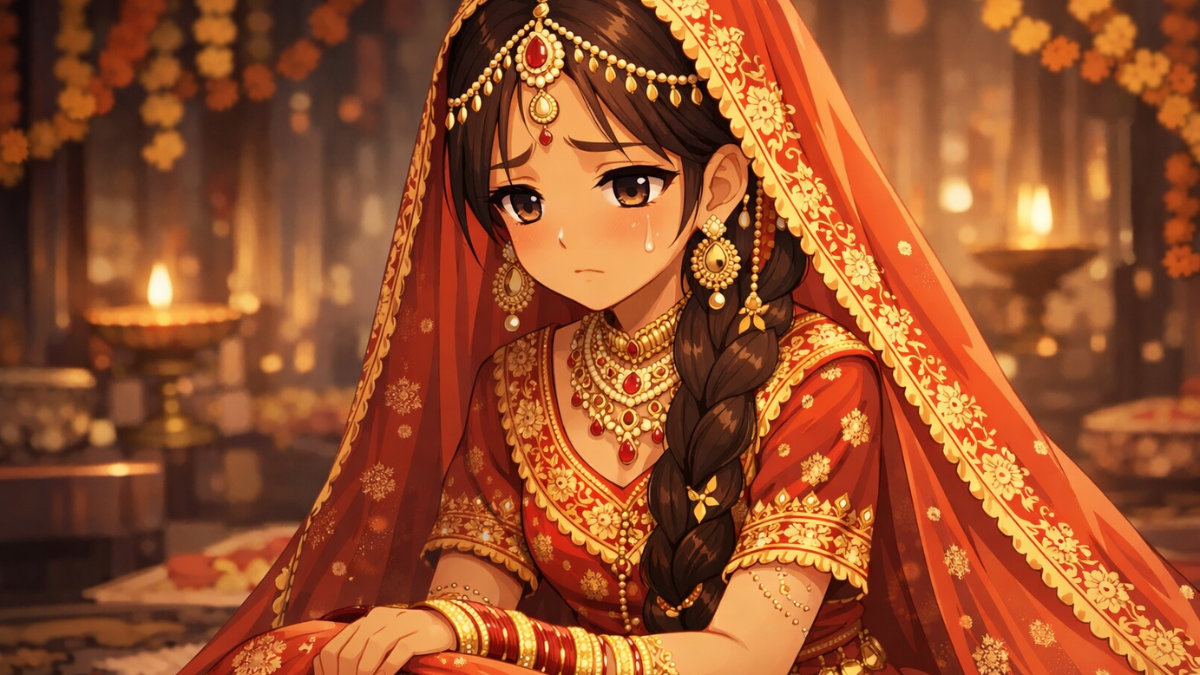
Child marriage remains one of the most stubborn social problems in India, combining human-rights violations with long-term social and economic costs. While the incidence has declined over recent decades, millions of girls still marry before they reach adulthood. To understand why the practice persists we must look beyond law and policy to the complex web of social structures, economic pressures, gender norms, and local institutions that sustain early unions. This article situates child marriage within sociological theory and empirical evidence, traces its structural drivers, discusses the failures and limits of legal remedies, and surveys culturally grounded pathways that have been shown to reduce child marriage.
Child Marriage in India continues despite legal bans. Explore its sociological causes, gender roots, poverty links, and solutions for social change.
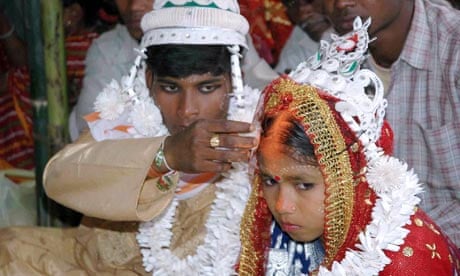
How big is the problem (and is it improving)?
India accounts for a large share of the world’s child brides. Recent country-level analyses and national survey data show a clear downward trend over time, but the absolute numbers remain high. Around one in four young women in India were married before their 18th birthday according to recent national estimates, and specific states (for example Uttar Pradesh, Bihar, West Bengal, Maharashtra and Madhya Pradesh) carry a disproportionate burden. These figures come from analyses of the national family health data and consolidated UNICEF/UNFPA reporting.
At the same time, the picture is uneven: some districts and states have seen substantial reductions, while in others progress has stagnated or is slow. Local news reports and government briefings show both disturbing pockets of ongoing early marriage and promising district-level initiatives that have lowered incidence through community mobilisation and enforcement.
Legal framework and legislative debates
Legally, India defines child marriage as a marriage where the bride is under 18 and the groom under 21; these ages are enshrined in the Prohibition of Child Marriage Act, 2006. The Act makes child marriages voidable and prescribes penalties for those who solemnize or promote such unions — but it also contains mechanisms intended to protect the married child (for example, options for annulment and guardianship protections).
Policy debates have focused on whether the legal age of marriage for women should be raised to 21 to achieve parity with men. The Prohibition of Child Marriage (Amendment) Bill, 2021 proposed this change and has been considered in parliamentary committees, reflecting tensions between gender-equality arguments and conservative fears about disrupting customary practices. Whether changing the statutory age will, by itself, end the practice is an empirical question; law matters, but enforcement and social acceptance matter even more.
Why child marriage persists: structural causes
Sociology directs us to see child marriage not as an isolated ‘tradition’ but as an outcome of several structural and cultural forces interacting at household, community, and institutional levels. Below are the key drivers evident in the literature and field studies.
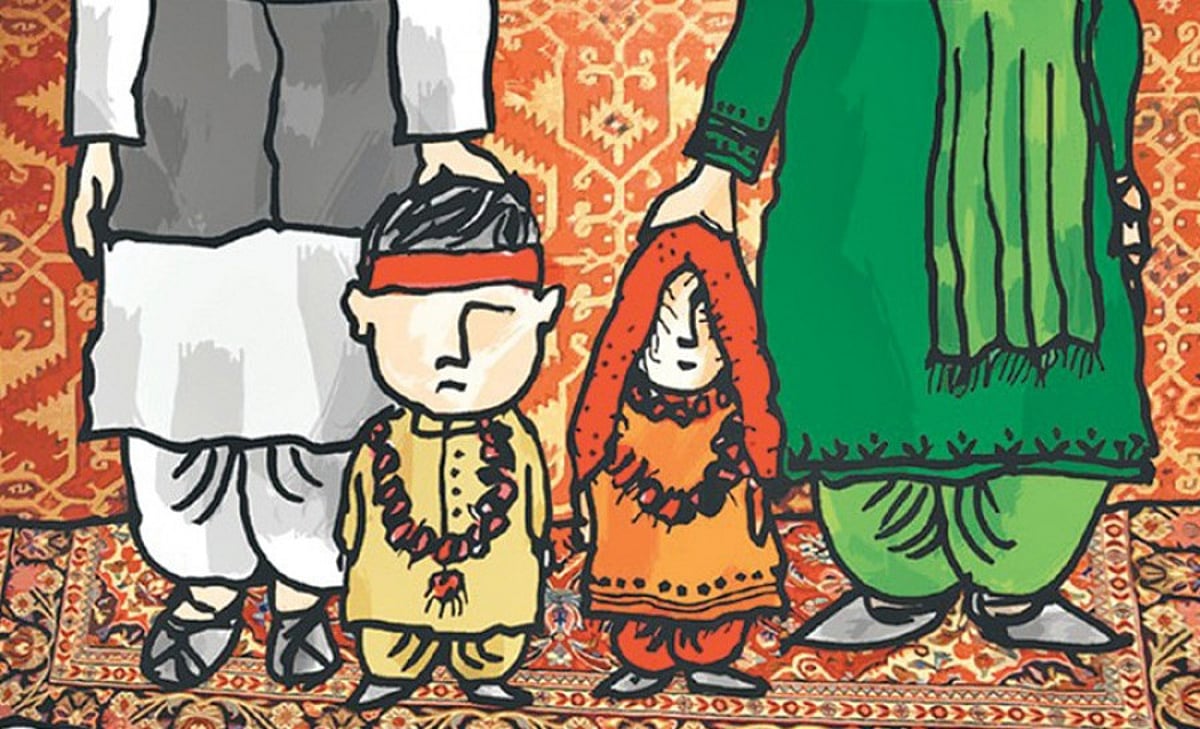
1. Poverty and economic insecurity
Poverty is one of the strongest predictors of child marriage. Families living in precarious economic conditions often view marriage as a strategy to reduce household economic burdens—transferring daughters to another household—and as a way to secure an economic alliance. In some settings, the anticipation of dowry costs or the desire to avoid future dowry escalation motivates earlier matches. Empirical studies from multiple Indian districts find a clear negative correlation between household wealth and the probability of girls marrying before 18.
2. Gender norms and patriarchal control
Patriarchal norms that prioritize family honor, female chastity, and gendered control over female sexuality underpin many early marriages. Where the social logic values early marriage as a means to protect family reputation or to secure a daughter’s ‘appropriate’ social role, families face strong normative pressure to marry daughters earlier rather than later. This is reinforced in patrilocal and patrilineal systems where control over lineage and inheritance incentivizes securing marriages early and within acceptable social boundaries. Qualitative studies repeatedly highlight how “protecting honor” is invoked by parents when explaining early marriages.
3. Educational access and quality
Education—both access to school and the perceived returns of staying in school—is a major protective factor. Where secondary schooling is not available, is unsafe, or is perceived as unlikely to lead to employment, families are less motivated to delay marriage. School dropout, especially around puberty, often precedes early marriage. Programs that keep girls in school (including conditional cash transfers and scholarships) have shown promising results in reducing early marriage incidence.
4. Weak enforcement and legal ambiguities
Although the law prohibits child marriage, enforcement gaps are widespread. Local officials may lack training or face social pushback for intervening in what communities call “family affairs.” Moreover, marriages are sometimes solemnized informally or unregistered, making legal intervention difficult. The presence of state machinery (child marriage prohibition officers, panchayat vigilance committees) varies widely; where they are active, prevention improves, but such bodies are unevenly distributed and under-resourced. Recent district initiatives illustrate that stronger local governance can prevent marriages, but these are still the exception rather than the rule.
5. Caste, religion, and regional culture
Caste and religious norms shape marriage timing. Endogamous marriage systems (marriage within caste groups) can put pressure on families to secure alliances quickly, especially when matches depend on specific kinship networks. Regional cultural patterns—long histories of arranged marriage, local rites, and customary law—also influence the practice. National aggregates hide this heterogeneity; sociologists therefore stress the need for place-based analysis.
6. Gendered expectations about adulthood and labor
In agrarian and informal labor markets, adult responsibilities often come earlier than statutory adulthood; girls may be seen as ‘ready’ for household roles when they reach puberty. Conversely, boys sometimes marry early in settings where economic pressures or migration create unusual familial arrangements. The social definition of adulthood is thus co-produced with economic structures.
Consequences: why the practice matters for development and equality
The social, health, and economic consequences of child marriage are severe and intergenerational. Girls who marry early tend to have fewer opportunities for education and earning, higher rates of adolescent pregnancy, increased maternal and child health risks, and greater exposure to domestic violence. Early childbearing is associated with higher maternal mortality and poorer child health outcomes. These consequences perpetuate cycles of poverty and reinforce gender inequality, curtailing India’s human-development potential. Large-scale analyses and program evaluations link declines in child marriage to improvements in education and women’s health indicators, underscoring the practice’s developmental significance.
Why laws alone are not enough: a sociological perspective

A legalist view assumes that setting the statutory age will deter families. Sociological theory — particularly institutionalist and cultural approaches — cautions against over-reliance on legal formalism. Laws are meaningful only when backed by institutional capacity and when they resonate with local norms. In many Indian communities, marriage is a deeply social event regulated by kinship, caste councils, and religious leaders whose authority often exceeds the reach of the state. In such contexts, the law can be ignored, circumvented (via informal ceremonies), or contested.
Moreover, simply raising the legal age without addressing underlying gender inequality, poverty, and schooling access risks criminalizing families and pushing the practice underground. Evidence from programmatic interventions suggests that coordinated strategies — combining social protection, education, community mobilisation, and legal enforcement — work best.
What works: evidence-based interventions
Sociological research and program evaluations highlight several effective approaches, particularly when combined and tailored to local contexts:
- Education and economic incentives: Keeping girls in secondary school is one of the most robust protective factors. Conditional cash transfers, scholarships, and livelihood programs for young women increase the perceived returns to schooling and delay marriage. Rigorous evaluations show reductions in early marriage where families receive financial support tied to girls’ schooling.
- Community engagement and norm change: Interventions that work with community leaders, religious figures, and parents to change expectations about appropriate marriage age can shift norms. Social-network and public-commitment strategies—such as public declarations by villages to be “child-marriage-free”—create social accountability and reduce stigma for families that delay marriage. Recent district campaigns in some states have used these tactics to good effect.
- Legal enforcement plus protection services: Strengthening local monitoring (child marriage prohibition officers, vigilance committees), ensuring easy reporting channels, and providing shelters and legal aid for at-risk girls are essential. Enforcement must be paired with services—education, counselling, livelihoods—so rescued girls are not simply left without support.
- Media, information campaigns and role models: Mass media and targeted campaigns that show alternative life trajectories for girls—education, careers, delayed marriage—help reframe what is socially desirable. Role-modeling stories of women who delayed marriage and succeeded reduce the imagined trade-offs families face.
- Targeted social protection: Programs addressing extreme poverty, including food or cash transfers, reduce the economic logic of early marriage. Linking transfers to long-term investments (schooling, health) changes the household calculus. Evaluations from South Asia show conditional transfers can delay marriage when combined with schooling supports.
Areas of caution and ethical complexities
Sociologists stress that anti–child-marriage efforts must avoid paternalism and must be sensitive to cultural meanings attached to marriage. Interventions that disrespect local agency or focus solely on law without building local ownership can provoke backlash. Similarly, policy makers must be cautious about criminalizing parents in ways that further harm girls (for example, by making households fearful of seeking help). Ethical program design therefore centers the rights and voices of adolescent girls themselves, and prioritizes their safety and future opportunities.
Moving forward: a sociologically informed policy agenda
If the goal is to eradicate child marriage, policy must combine structural reform with cultural engagement:
- Invest substantially in girls’ secondary education and safe school infrastructure (sanitation, safe transport).
- Expand economic supports for poor households—cash transfers, employment programs, and targeted subsidies—that make postponing marriage economically viable.
- Build local governance capacity: fund and train child-marriage prevention officers and panchayat vigilance committees, and ensure that reporting mechanisms are accessible and gender-sensitive.
- Support community-led norm-change campaigns that involve religious leaders, local influencers, adolescent boys and girls, and parents.
- Monitor and evaluate interventions with rigorous research designs to scale up what works while being attentive to unintended consequences.
- Ensure legal reform (where proposed) is accompanied by community dialogue and capacity building, not by punitive measures alone. The 2021 Amendment Bill’s proposal to raise the age to 21 highlights the need for a careful roll-out that matches law with social investment and enforcement capacity.
Conclusion: child marriage in India as a social problem, not just a legal one
Child marriage in India persists because it is woven into larger social structures: poverty, patriarchy, unequal schooling, and weak local governance. Legal prohibitions provide an essential normative benchmark—and they are necessary—but they are insufficient on their own. The sociological lens insists that sustained change requires transforming the social and economic conditions that make early marriage rational for families. Interventions that combine education, economic supports, community mobilisation, and robust protection services — and that center adolescent girls’ voices — offer the clearest path toward elimination.
As scholars, practitioners, and citizens, our task is twofold: to document where and why the practice continues, and to support locally grounded strategies that expand girls’ freedom to choose their futures. For hubsociology.com readers, the takeaway is clear: ending child marriage requires both structural policy shifts and patient social work—an integration of macro-level investment with micro-level norm change.
FAQs
1. What is Child Marriage in India?
Child Marriage in India refers to the marriage of a girl below 18 years or a boy below 21 years, as defined under Indian law.
2. Why does Child Marriage in India still exist despite legal prohibition?
Child Marriage in India persists due to poverty, patriarchal norms, social pressure, lack of education, and weak law enforcement.
3. What law prohibits Child Marriage in India?
The Prohibition of Child Marriage Act, 2006 makes Child Marriage in India illegal and punishable under specific conditions.
4. Which states have high rates of Child Marriage in India?
States like Bihar, West Bengal, Rajasthan, Uttar Pradesh, and Madhya Pradesh have reported relatively higher rates of Child Marriage in India.
5. How does poverty influence Child Marriage in India?
Poor families may see marriage as a way to reduce financial burden or secure their daughter’s future, which fuels Child Marriage in India.
6. What role does education play in reducing Child Marriage in India?
Access to secondary education significantly reduces Child Marriage in India by empowering girls and expanding their life opportunities.
7. Is Child Marriage in India declining?
Yes, Child Marriage in India has declined over recent decades, but millions of girls are still affected.
8. How does patriarchy sustain Child Marriage in India?
Patriarchal values that prioritize family honor, female chastity, and male dominance contribute to Child Marriage in India.
9. What are the health consequences of Child Marriage in India?
Child Marriage in India increases risks of adolescent pregnancy, maternal mortality, malnutrition, and mental health issues.
10. Can Child Marriage in India be legally cancelled?
Yes, under the law, a child marriage is voidable at the option of the contracting party who was a child at the time of marriage.
11. How does Child Marriage in India affect girls’ education?
Child Marriage in India often leads to school dropout, limiting girls’ educational attainment and employment prospects.
12. What is the link between gender inequality and Child Marriage in India?
Gender inequality reinforces social expectations that girls should marry early, perpetuating Child Marriage in India.
13. Does raising the legal marriage age help stop Child Marriage in India?
Raising the age may help, but without addressing social norms and poverty, Child Marriage in India may continue informally.
14. How can communities prevent Child Marriage in India?
Community awareness campaigns, school retention programs, economic support for families, and strict enforcement help prevent Child Marriage in India.
15. Why is ending Child Marriage in India important for development?
Ending Child Marriage in India promotes gender equality, improves public health, increases workforce participation, and strengthens national development.