Introduction
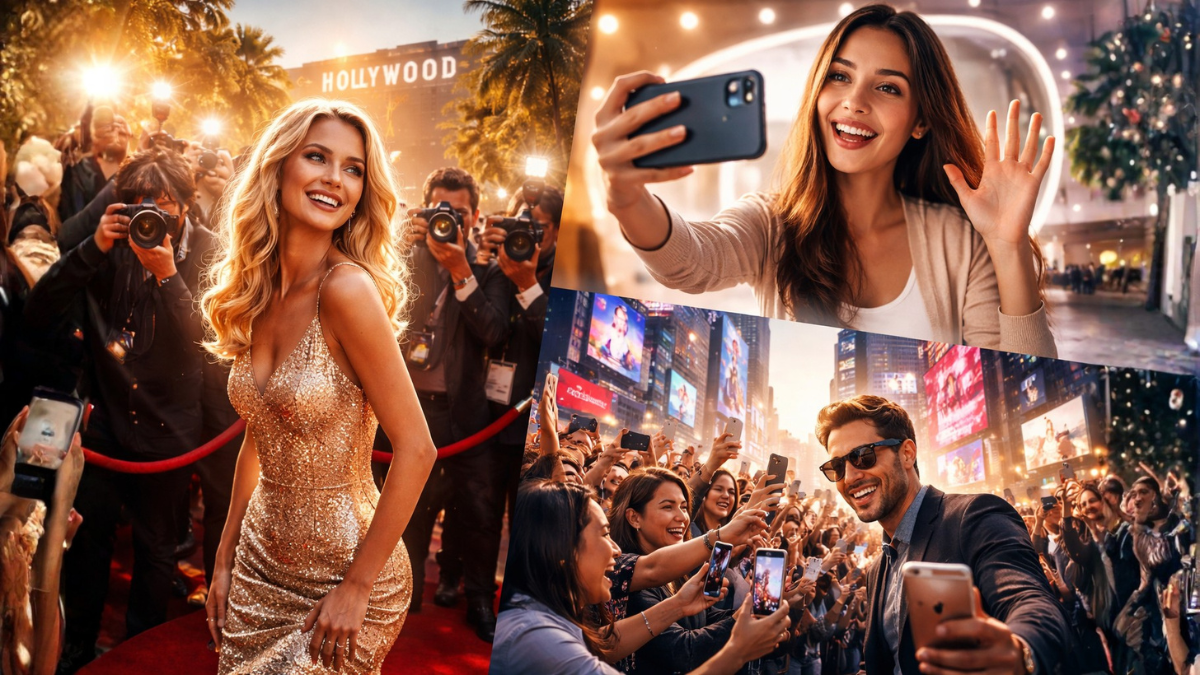
Celebrity culture has become one of the most visible and influential components of contemporary American society. From Hollywood actors and pop musicians to athletes, reality television personalities, and social media influencers, celebrities occupy a central position in public imagination. Their lives are consumed through television, streaming platforms, tabloids, podcasts, and digital media. However, celebrity culture is not merely entertainment; it is a powerful social institution that shapes identities, values, aspirations, consumption patterns, and even political choices.
In sociological terms, celebrity culture represents a complex interaction between media systems, capitalist markets, public desire, and structures of power. It reflects broader patterns of inequality, commodification, and symbolic influence. This article examines celebrity culture and social influence in America through sociological perspectives such as functionalism, conflict theory, symbolic interactionism, feminism, and postmodern theory.
Understanding Celebrity Culture
Celebrity culture refers to a social system in which individuals gain widespread recognition and visibility, and their personal lives become matters of public interest. In the United States, celebrity culture expanded significantly during the 20th century with the rise of cinema in Hollywood, television broadcasting, and later the internet.
Sociologist Chris Rojek describes celebrities as “manufactured” through media processes. They are constructed through publicity, storytelling, branding, and repeated exposure. In America, the entertainment industry—centered in places like Los Angeles and New York—functions as a celebrity-producing machine.
Today, celebrity status is not limited to actors or singers. Influencers on platforms such as Instagram, YouTube, and TikTok have transformed ordinary individuals into micro-celebrities. This shift reflects the democratization of fame, but also intensifies competition and commodification of personal identity.
Theoretical Perspectives on Celebrity Culture
Functionalist Perspective
From a functionalist viewpoint, celebrity culture serves several functions in American society. Celebrities act as role models, offering narratives of success, resilience, and achievement. They provide shared topics of conversation, contributing to social cohesion. Major award shows, sports championships, and public events create collective experiences that unite people across diverse backgrounds.
Celebrities also help reinforce societal norms. When they advocate for charity, health awareness, or social causes, they promote moral values. However, functionalists also recognize dysfunctions such as unrealistic expectations and distorted body images.
Conflict Theory
Conflict theory views celebrity culture as a product of capitalist structures. The entertainment industry is controlled by corporations that profit from fame. Celebrities become commodities—brands that generate revenue through endorsements, advertisements, and merchandise.
This perspective highlights inequality. While a small group accumulates immense wealth and influence, millions struggle economically. Celebrity culture may distract from systemic issues like poverty, racial inequality, and labor exploitation. Media attention often prioritizes celebrity gossip over structural social problems.
The commodification of personal life illustrates how capitalism transforms even private emotions into marketable content.
Symbolic Interactionism
Symbolic interactionism focuses on everyday interactions and meanings. Celebrities function as powerful symbols. Their clothing, speech, lifestyle, and relationships influence how people construct identity. Fans form “parasocial relationships,” feeling emotionally connected to celebrities they have never met.
Through social media, celebrities interact directly with followers, blurring the boundary between public and private. Likes, comments, and shares create a sense of intimacy, reinforcing identification and imitation.
Feminist and Critical Perspectives
Feminist sociology examines how celebrity culture reflects gender inequalities. Female celebrities often face intense scrutiny regarding appearance, age, sexuality, and motherhood. Media narratives frequently objectify women while excusing similar behaviors in male celebrities.
Race and ethnicity also shape celebrity experiences. African American, Latino, and Asian American celebrities navigate stereotypes and structural barriers. Representation in film, television, and music influences broader social attitudes about race and identity.
Media, Technology, and the Production of Fame

The expansion of celebrity culture in America is closely linked to technological development. Early film studios created movie stars through controlled publicity campaigns. Television later amplified visibility, bringing celebrities into living rooms nationwide.
The digital revolution transformed the landscape. Social media platforms allow celebrities to bypass traditional media gatekeepers. Influencers build personal brands through self-presentation, curated images, and algorithm-driven visibility.
Reality television further blurred the line between ordinary people and celebrities. Shows featuring everyday individuals demonstrate how fame can be rapidly constructed. This has altered societal perceptions of success and recognition.
Digital technology also accelerates scandal and cancellation. Viral controversies spread instantly, demonstrating how fragile celebrity status can be in the age of online surveillance.
Celebrity Culture and Consumerism
Celebrity culture plays a central role in consumer capitalism. Advertisements frequently use celebrities to endorse products. Their symbolic value transfers to commodities, encouraging consumers to associate products with glamour, success, and desirability.
Fashion, cosmetics, fitness programs, and luxury goods industries rely heavily on celebrity influence. The “celebrity brand” extends beyond traditional endorsement to personal product lines, from perfumes to clothing brands.
This phenomenon reflects Thorstein Veblen’s concept of conspicuous consumption. Consumers purchase goods not only for utility but for symbolic status. By imitating celebrities, individuals attempt to signal prestige and belonging.
However, this process reinforces economic stratification. Many people aspire to lifestyles that are financially unattainable, leading to debt, dissatisfaction, and social comparison anxiety.
Social Media Influencers and Micro-Celebrity

The rise of influencers marks a significant shift in American celebrity culture. Unlike traditional celebrities, influencers often present themselves as relatable and authentic. Their fame emerges from perceived intimacy and accessibility.
Micro-celebrity involves strategic self-branding. Individuals manage online personas, curate content, and engage with followers to maintain visibility. Algorithms reward engagement, creating pressure for constant production of content.
Sociologically, influencer culture intensifies self-surveillance. Individuals evaluate themselves based on metrics such as followers and likes. This contributes to identity commodification, where personal experiences become content for public consumption.
For young Americans, influencers often replace traditional authority figures in shaping fashion, beauty standards, political views, and lifestyle choices.
Political Influence of Celebrities
Celebrity involvement in politics has become increasingly visible. Endorsements during elections, activism on social media, and participation in protests demonstrate how fame can translate into political capital.
Some celebrities use their platforms to advocate for racial justice, climate action, gender equality, and voting rights. Their visibility amplifies social movements. However, critics argue that celebrity activism may oversimplify complex issues or prioritize image over substance.
The blending of entertainment and politics reflects what scholars describe as the “mediatization” of public life. Political candidates themselves adopt celebrity-style branding strategies, emphasizing charisma and media presence.
Body Image, Identity, and Social Comparison
Celebrity culture strongly influences perceptions of beauty and success. Media representations often promote narrow standards of attractiveness. Photo editing, cosmetic surgery, and curated presentation create unrealistic ideals.
Social comparison theory explains how individuals evaluate themselves relative to others. Constant exposure to idealized celebrity images can lead to dissatisfaction, low self-esteem, and body image issues.
At the same time, contemporary movements promoting body positivity and diversity challenge traditional beauty standards. Some celebrities use their influence to advocate authenticity and mental health awareness.
Celebrity Scandals and Moral Regulation
Scandals are central to celebrity culture. Public fascination with controversy reflects a collective process of moral evaluation. Society constructs celebrities as both idols and cautionary examples.
When scandals occur, media coverage often involves moral judgment. This process reinforces social norms about acceptable behavior. However, it also exposes double standards related to gender and race.
The phenomenon of “cancel culture” demonstrates how public opinion can rapidly shift, leading to loss of sponsorships and reputational damage. This illustrates the power of digital publics in shaping celebrity trajectories.
Globalization and American Celebrity Culture
American celebrity culture extends globally. Hollywood films, pop music, and social media influencers reach audiences worldwide. This contributes to cultural globalization, spreading American values, fashion, and lifestyles.
However, globalization is not one-directional. American celebrities increasingly collaborate with international artists, reflecting cultural hybridity. The global circulation of fame reshapes national identity and soft power.
Inequality and the Illusion of Accessibility
One paradox of celebrity culture is the illusion of accessibility. Social media creates a sense that celebrities are “just like us.” Yet structural inequalities remain vast.
The American Dream narrative—anyone can become famous—reinforces meritocratic ideals. While some individuals achieve fame from modest backgrounds, many benefit from existing networks, wealth, or industry connections.
Sociologically, this reflects Pierre Bourdieu’s concept of cultural capital. Access to education, skills, and social networks increases the likelihood of success in entertainment industries.
Mental Health and the Pressure of Fame
Celebrity life involves intense scrutiny, loss of privacy, and constant evaluation. Many public figures speak openly about anxiety, depression, and burnout.
The pressure to maintain relevance in a competitive media environment contributes to stress. Online harassment and invasive media practices exacerbate psychological strain.
This dimension reveals the human cost of celebrity culture and challenges the glamorized image of fame.
Celebrity Philanthropy and Social Responsibility
Many American celebrities engage in charitable activities. Foundations, fundraising campaigns, and public advocacy initiatives contribute to social causes.
Philanthropy can mobilize resources and awareness quickly. However, sociologists question whether celebrity charity sometimes substitutes for structural reform. It may individualize social problems rather than addressing systemic inequality.
Conclusion
Celebrity culture in America is more than entertainment; it is a powerful social force embedded in media systems, capitalist markets, and cultural values. Through theoretical perspectives, we see that celebrity culture performs social functions, reproduces inequality, shapes identity, and influences political processes.
The rise of social media has intensified visibility, commodified identity, and blurred boundaries between public and private life. While celebrity culture offers inspiration and shared experiences, it also generates unrealistic expectations, reinforces consumerism, and perpetuates structural inequalities.
Understanding celebrity culture sociologically allows us to critically examine how fame operates as a form of social power. It invites reflection on how media consumption shapes our values, aspirations, and collective life in contemporary America.
FAQs on Social Influence in America
1. What is social influence in America?
Social influence in America refers to the ways individuals, groups, media, and institutions shape people’s attitudes, beliefs, behaviors, and lifestyle choices within American society.
2. How does celebrity culture contribute to social influence in America?
Celebrity endorsements, activism, and lifestyle representation significantly shape public opinion, fashion trends, consumer habits, and even political participation.
3. What role does social media play in social influence in America?
Social media platforms amplify social influence in America by allowing influencers, celebrities, and public figures to directly interact with audiences and shape cultural norms.
4. How does social influence in America affect youth identity?
Young people often adopt fashion styles, speech patterns, political views, and aspirations based on socially influential figures and online communities.
5. Is social influence in America linked to consumer behavior?
Yes, advertising and celebrity endorsements strongly impact purchasing decisions, making social influence in America central to marketing strategies.
6. How does political endorsement demonstrate social influence in America?
When celebrities or public figures endorse political candidates or causes, they can mobilize voters and shape public discourse.
7. Can social influence in America reinforce inequality?
Yes, social influence often reflects existing power structures, where wealthier or more visible individuals have greater influence over public narratives.
8. What is the relationship between media and social influence in America?
Traditional and digital media serve as primary channels through which social influence in America spreads, shaping collective perceptions and cultural values.
9. How does peer pressure relate to social influence in America?
Peer groups, especially among adolescents, create strong forms of social influence in America by encouraging conformity to social norms.
10. Does social influence in America affect body image standards?
Yes, media portrayals and celebrity images contribute to beauty ideals that impact self-esteem and body perception.
11. How do influencers shape social influence in America?
Influencers create relatable content that affects followers’ lifestyle choices, fashion, health habits, and opinions.
12. Is social influence in America always positive?
Not necessarily. While it can promote awareness and social change, it may also spread misinformation or unrealistic expectations.
13. How does globalization interact with social influence in America?
American social influence extends globally through entertainment and digital platforms, while global trends also reshape American culture.
14. What sociological theories explain social influence in America?
Theories such as symbolic interactionism, conflict theory, and functionalism help explain how social influence operates within structures of power and meaning.
15. Why is it important to study social influence in America?
Studying social influence in America helps understand how media, power, identity, and culture interact to shape modern society.