
Introduction
Western Europe has long been regarded as the birthplace and stronghold of the modern welfare state. After the devastation of the Second World War, countries such as the United Kingdom, Germany, France, Sweden, and the Netherlands constructed extensive systems of social protection designed to guarantee healthcare, education, housing, pensions, unemployment benefits, and social security for all citizens. These welfare arrangements were not merely economic mechanisms; they represented a moral and political commitment to social justice, equality, and collective responsibility.
However, since the late twentieth century, Western European welfare states have entered what many scholars describe as a “crisis.” Rising public debt, aging populations, globalization, migration pressures, neoliberal economic reforms, and changing labor markets have all contributed to mounting challenges. From a sociological perspective, this crisis is not simply financial. It reflects deeper transformations in social structure, class relations, family patterns, labor organization, and political legitimacy.

This article examines Western Europe and the crisis of welfare states through a sociological lens, analyzing historical foundations, structural challenges, ideological shifts, demographic pressures, and emerging transformations.
Historical Foundations of the Western European Welfare State
The modern welfare state in Western Europe emerged from both humanitarian ideals and political compromise. Early foundations can be traced to social insurance programs introduced in the 19th century under Otto von Bismarck in Germany. However, it was after 1945 that welfare states expanded dramatically.
In the United Kingdom, the Beveridge Report (1942) laid the groundwork for universal social security, leading to the creation of the National Health Service (NHS) and comprehensive welfare provisions. Scandinavian countries developed universalistic welfare systems emphasizing equality and social citizenship. France and Germany strengthened contributory insurance models linking benefits to employment.
Sociologically, the welfare state was rooted in three core principles:
- Social solidarity.
- Redistribution of wealth.
- Protection against market risks.
These systems were embedded in the Fordist industrial economy, characterized by stable employment, male breadwinner households, and strong labor unions. Welfare policies were designed around full employment and predictable life courses.
Theoretical Perspectives on Welfare States
Understanding the crisis requires theoretical grounding. Several sociological frameworks offer insights.
Functionalist Perspective
From a functionalist viewpoint, welfare states promote social stability by reducing poverty, inequality, and social unrest. They integrate individuals into society by guaranteeing minimum living standards. However, when welfare systems become financially unsustainable, they may create dysfunctions such as dependency or fiscal strain.
Marxist Perspective
Marxist sociologists argue that welfare states emerged to stabilize capitalism by mitigating class conflict. Social benefits pacify working-class demands while preserving capitalist structures. The current crisis reflects contradictions within global capitalism—profit maximization conflicts with social redistribution.
Weberian and Institutional Perspectives
Weberian analysis emphasizes bureaucratization and rationalization. Welfare systems are complex administrative structures that require high taxation and regulation. As societies become more diverse and globalized, bureaucratic systems struggle to adapt.
Esping-Andersen’s Welfare Regime Theory
Gøsta Esping-Andersen classified Western welfare states into three models:
- Liberal (e.g., UK)
- Conservative-corporatist (e.g., Germany, France)
- Social-democratic (e.g., Sweden)
Each model faces distinct pressures but shares common structural challenges.
Economic Globalization and Market Pressures
One major source of crisis is globalization. Since the 1980s, Western European economies have been integrated into global markets characterized by capital mobility, trade liberalization, and competition from emerging economies.
Corporations can relocate production to lower-cost regions. Governments compete to attract investment by lowering taxes and deregulating labor markets. This reduces state revenue while increasing demand for social spending.
The transition from industrial to post-industrial economies has also weakened traditional employment structures. Manufacturing jobs with stable contracts have declined, replaced by service-sector work, gig employment, and precarious labor. Welfare systems designed for stable, full-time workers struggle to accommodate fragmented career patterns.
Sociologically, this reflects the shift from Fordism to post-Fordism. Welfare institutions built around predictable employment now face labor market volatility.
Demographic Aging and Population Structure
Western Europe has one of the oldest populations in the world. Declining fertility rates and increasing life expectancy have transformed demographic structures.
An aging population increases demand for pensions, healthcare, and long-term care services. At the same time, the working-age population shrinks, reducing the tax base that funds welfare programs.
This creates what sociologists call an “intergenerational contract” crisis. Younger generations may perceive welfare systems as disproportionately benefiting retirees, leading to tensions between age cohorts.
Countries like Italy and Germany face severe demographic imbalance. Scandinavian countries have somewhat mitigated this through family-friendly policies, but aging remains a structural issue across the region.
Migration, Diversity, and Social Cohesion
Migration has become another contentious issue. Western Europe has experienced waves of immigration from former colonies, Eastern Europe, the Middle East, and Africa.
While migrants contribute economically and demographically, their integration poses political and social challenges. Critics argue that high immigration strains welfare systems. Populist political movements often frame migrants as “welfare dependents.”
From a sociological perspective, the issue is less about cost and more about social solidarity. Welfare states rely on shared identity and trust. As societies become ethnically and culturally diverse, maintaining collective support for redistribution becomes more complex.
The rise of right-wing parties in countries like France, Italy, and Germany reflects anxieties about national identity, social cohesion, and welfare entitlements.
Neoliberal Reforms and Retrenchment
Since the 1980s, Western European governments have implemented neoliberal reforms emphasizing privatization, deregulation, and austerity.
In the United Kingdom under Margaret Thatcher, state industries were privatized and welfare benefits tightened. Germany introduced labor market reforms (Hartz reforms) to reduce unemployment costs. Southern European countries implemented austerity after the Eurozone crisis.
These reforms aimed to reduce public spending and enhance economic competitiveness. However, sociologists argue they also increased inequality and weakened social protections.
Welfare retrenchment has shifted risks from the state to individuals and families. Citizens are increasingly responsible for their own pensions, healthcare, and employment security.
The Eurozone Crisis and Fiscal Constraints
The 2008 global financial crisis and subsequent Eurozone crisis intensified welfare challenges. Countries like Greece, Spain, and Portugal faced severe austerity measures imposed by international financial institutions.
Public debt levels increased sharply. Governments cut social programs to meet fiscal targets. Unemployment soared, particularly among youth.
Sociologically, the crisis undermined trust in political institutions and European integration. It exposed tensions between national sovereignty and supranational economic governance.
Changing Family Structures and Gender Roles
Traditional welfare states were built around the male breadwinner model. However, contemporary Western Europe has experienced profound changes in family structures:
- Increased female labor force participation.
- Rising divorce rates.
- Growth of single-parent households.
- Declining birth rates.
These shifts require new forms of social policy, such as childcare support, parental leave, and flexible work arrangements.
Scandinavian countries have adapted relatively successfully by promoting gender equality and dual-earner households. Other countries have struggled to reform conservative family policies.
Inequality and Social Stratification
Despite extensive welfare systems, inequality has grown in many Western European countries. Income disparities, housing shortages, and educational inequalities persist.
The crisis of welfare states is partly a crisis of legitimacy. If welfare institutions fail to reduce inequality effectively, public support declines.
Sociologists note that neoliberal restructuring has strengthened elite economic groups while weakening labor unions and collective bargaining.
Political Legitimacy and Populism
The perceived crisis of welfare states has fueled political polarization. Populist movements often argue that welfare systems are either too generous (burdening taxpayers) or unfairly distributed (benefiting outsiders).
This political fragmentation challenges traditional social democratic parties that historically defended welfare expansion.
Trust in government institutions has declined in some regions, raising concerns about democratic stability.
Comparative Overview of Major Western European Welfare Models
United Kingdom

The UK represents a liberal welfare model emphasizing means-tested benefits. Recent decades have seen austerity policies and welfare conditionality. Debates over healthcare funding and social housing shortages highlight systemic pressures.
Germany

Germany’s conservative-corporatist system links benefits to employment contributions. Demographic aging and labor market transformation pose significant challenges, though strong industrial foundations provide resilience.
Sweden
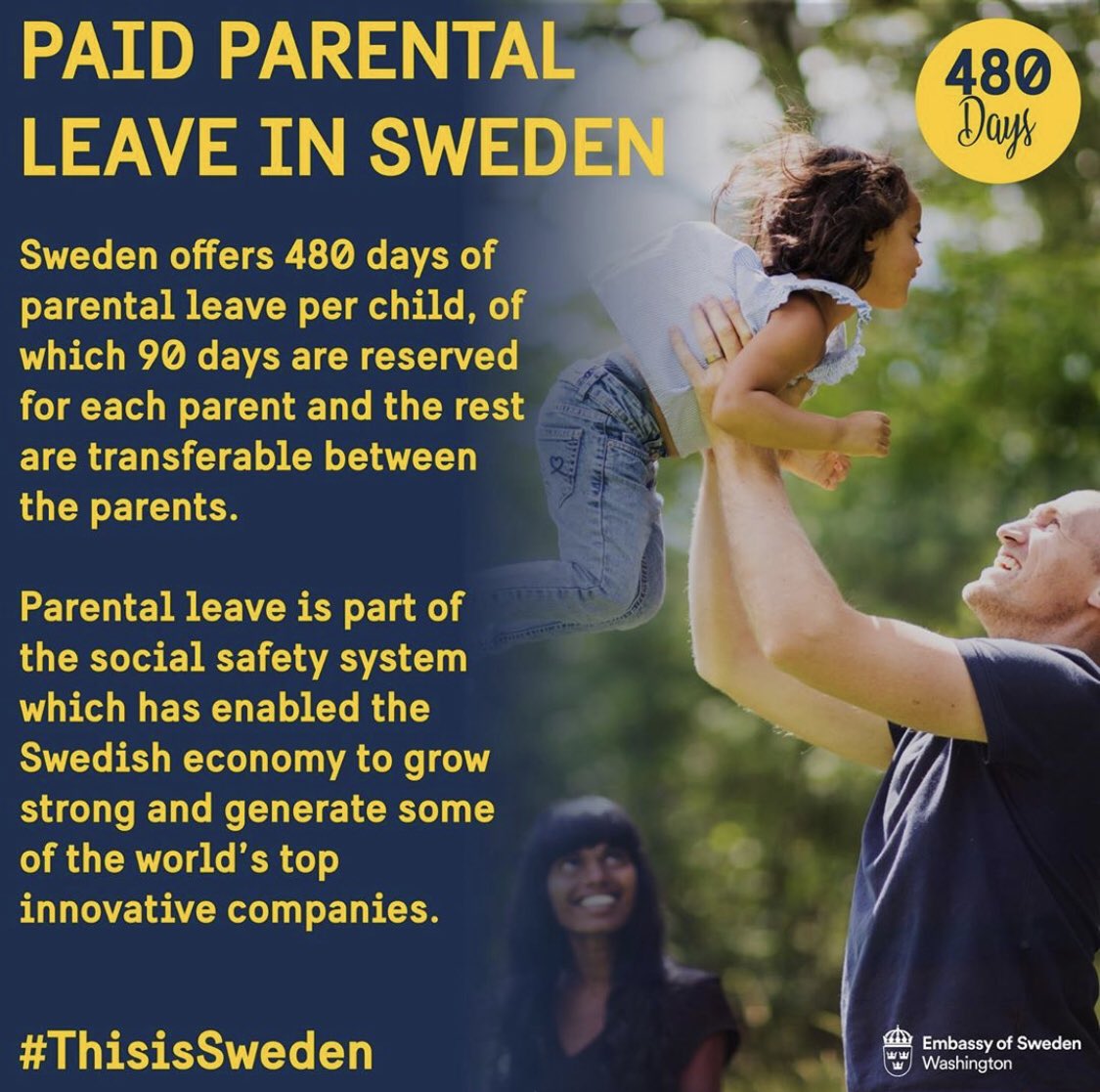
Sweden’s social-democratic model emphasizes universal benefits and high taxation. Although facing fiscal pressures, it remains comparatively robust due to strong public trust and gender-equal policies.
France

France combines state intervention with contributory insurance. Pension reforms have sparked mass protests, reflecting tensions between fiscal sustainability and social rights.
Is It Truly a Crisis?
Some scholars argue that the term “crisis” may be exaggerated. Welfare states have adapted over time, introducing reforms without complete dismantlement.
Rather than collapse, Western European welfare states are undergoing restructuring. They are shifting from passive income support to active labor market policies emphasizing skills and employability.
The concept of “social investment state” has emerged, focusing on education, childcare, and lifelong learning.
Future Prospects
The future of Western European welfare states depends on several factors:
- Successful integration of migrants into labor markets.
- Policies encouraging higher fertility or balanced immigration.
- Sustainable pension reforms.
- Technological adaptation in healthcare and administration.
- Strengthening democratic legitimacy.
Digitalization and artificial intelligence may reshape employment, requiring new forms of social protection such as universal basic income or platform worker insurance.
Conclusion
Western Europe and the crisis of welfare states represent a complex sociological phenomenon. The crisis is not merely fiscal but structural, demographic, political, and cultural.
Welfare states emerged from historical compromises between labor and capital, embedded in industrial economies and cohesive national identities. Today, globalization, aging populations, migration, and neoliberal reforms challenge those foundations.
Yet, welfare states remain central to Western European identity and social stability. Rather than disappearing, they are transforming. The key sociological question is whether they can adapt to post-industrial realities while preserving principles of equality and solidarity.
The future of Western Europe’s welfare states will shape not only economic policy but the broader meaning of citizenship, democracy, and social justice in the 21st century.
FAQs on Crisis of Welfare States
1. What is meant by the Crisis of Welfare States?
The Crisis of Welfare States refers to the economic, political, and social challenges faced by Western European welfare systems due to rising public debt, aging populations, globalization, and neoliberal reforms.
2. Why is Western Europe experiencing the Crisis of Welfare States?
Western Europe is experiencing the Crisis of Welfare States because traditional welfare models were built for industrial economies with stable employment, which have now transformed into post-industrial and globalized systems.
3. How does globalization contribute to the Crisis of Welfare States?
Globalization intensifies economic competition, reduces state taxation capacity, and pressures governments to cut public spending, thereby deepening the Crisis of Welfare States.
4. Is demographic aging responsible for the Crisis of Welfare States?
Yes, demographic aging significantly contributes to the Crisis of Welfare States as increasing life expectancy raises pension and healthcare costs while shrinking the workforce.
5. How does migration affect the Crisis of Welfare States?
Migration influences the Crisis of Welfare States by creating debates about social cohesion, integration, and the sustainability of welfare benefits.
6. What role does neoliberalism play in the Crisis of Welfare States?
Neoliberal reforms promote privatization, austerity, and reduced public spending, which many sociologists argue have intensified the Crisis of Welfare States.
7. Is the Crisis of Welfare States purely economic?
No, the Crisis of Welfare States is also sociological, involving shifts in class relations, gender roles, labor markets, and political legitimacy.
8. How has the Eurozone crisis influenced the Crisis of Welfare States?
The Eurozone crisis increased public debt and led to austerity measures, worsening unemployment and social inequality, thus accelerating the Crisis of Welfare States.
9. Are all Western European countries equally affected by the Crisis of Welfare States?
No, the Crisis of Welfare States affects countries differently depending on their welfare model—liberal, conservative, or social-democratic systems face distinct challenges.
10. What is the sociological explanation of the Crisis of Welfare States?
Sociologically, the Crisis of Welfare States reflects structural transformations in capitalism, demographic shifts, and weakening social solidarity.
11. Does the Crisis of Welfare States increase social inequality?
In many cases, the Crisis of Welfare States has contributed to rising inequality due to reduced benefits and labor market insecurity.
12. How does political populism relate to the Crisis of Welfare States?
Political populism often emerges from dissatisfaction with welfare reforms, linking national identity and redistribution debates to the Crisis of Welfare States.
13. Can welfare states survive the Crisis of Welfare States?
Many scholars argue welfare states can adapt through reforms such as social investment policies, digitalization, and pension restructuring, despite the Crisis of Welfare States.
14. What is the intergenerational dimension of the Crisis of Welfare States?
The Crisis of Welfare States creates tension between younger taxpayers and older pensioners, raising questions about fairness in resource distribution.
15. Is the Crisis of Welfare States a permanent decline?
The Crisis of Welfare States may not signal collapse but transformation, as welfare systems evolve to meet new economic and social realities.