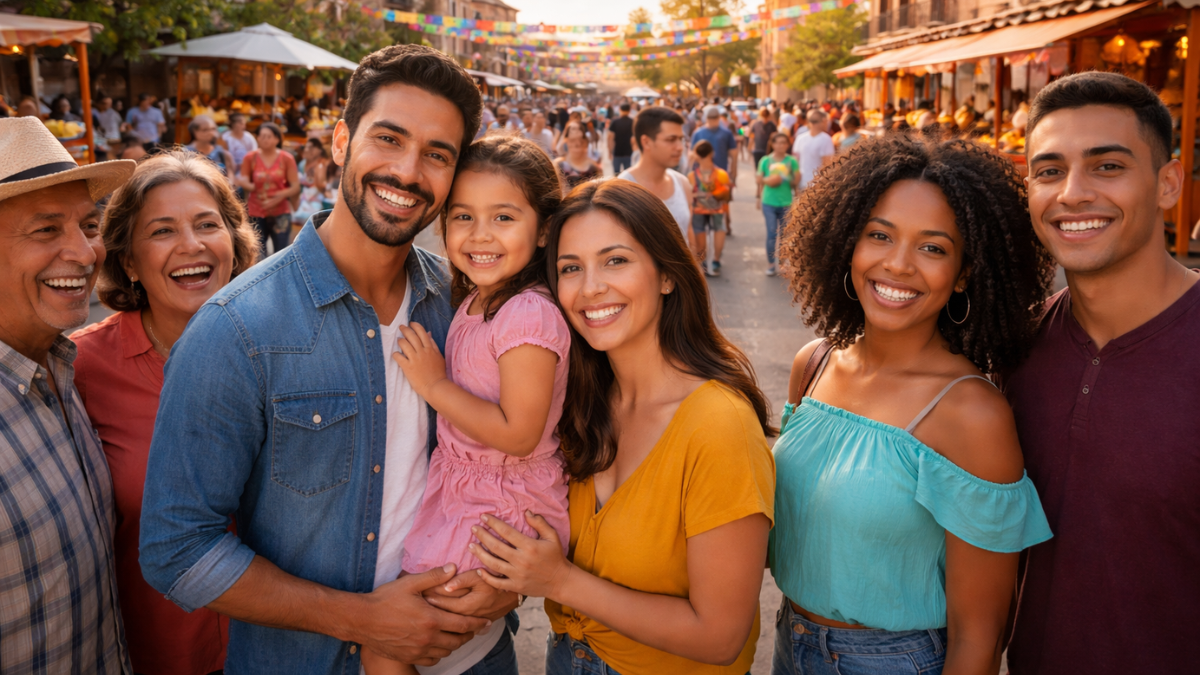
The sociology of Latino communities in America offers a rich and complex field of study that intersects with migration, race, class, culture, religion, labor, gender, and political participation. Latino communities are not a monolithic group; rather, they consist of diverse national origins, histories, languages, and identities. From Mexican Americans in the Southwest to Puerto Ricans in the Northeast, Cuban Americans in Florida, and Central and South American immigrants across urban and rural regions, Latino communities have played a transformative role in shaping American society.
Understanding the sociology of Latino communities in America requires examining historical patterns of colonization, migration, and labor incorporation, as well as contemporary issues such as identity formation, assimilation, discrimination, education, and political mobilization. This article explores these dimensions through sociological theories and empirical insights.
Historical Foundations of Latino Communities in America
The presence of Latino populations in what is now the United States predates the nation itself. Spanish colonization of regions such as California, Texas, New Mexico, Arizona, and Florida occurred centuries before the formation of the United States. After the Mexican-American War (1846–1848) and the Treaty of Guadalupe Hidalgo, many Mexicans became U.S. residents without crossing any border; rather, the border crossed them.
Subsequent waves of migration have been shaped by economic, political, and social factors. The early twentieth century saw Mexican laborers recruited for agricultural and railroad work. The Bracero Program (1942–1964) institutionalized temporary labor migration. Puerto Rican migration expanded after World War II, facilitated by U.S. citizenship status. Cuban migration increased after the Cuban Revolution in 1959, while Central American migration intensified during civil wars in the 1980s.
Sociologically, these migration flows are linked to world-systems theory, which highlights how global economic inequalities push labor from peripheral nations to core economies. Latino migration reflects structural demand for low-wage labor in agriculture, construction, service industries, and domestic work.
Demographic Growth and Diversity
Latinos represent one of the fastest-growing ethnic groups in the United States. This growth is driven by both immigration and higher birth rates. However, sociological analysis emphasizes that demographic growth does not automatically translate into equal power or representation.
Latino communities are internally diverse. Differences in national origin, legal status, class background, race, and generational status shape social experiences. For example, second-generation Mexican Americans may face different identity challenges compared to recently arrived Venezuelan asylum seekers. Afro-Latinos may experience racial discrimination differently than lighter-skinned Latinos.
The concept of intersectionality, introduced by sociologist Kimberlé Crenshaw, is crucial here. It helps explain how ethnicity, race, gender, and class intersect to produce unique forms of marginalization and privilege within Latino communities.
Identity, Assimilation, and Biculturalism
One of the central themes in the sociology of Latino communities in America is identity formation. Classical assimilation theory suggested that immigrant groups would gradually adopt mainstream American culture, language, and norms, eventually blending into a homogeneous society. However, contemporary sociologists argue that assimilation is neither linear nor uniform.
Segmented assimilation theory proposes multiple pathways: some Latinos achieve upward mobility and integrate into middle-class America; others experience downward mobility due to structural inequalities; still others maintain strong ethnic identities while achieving economic success.

Biculturalism is common among Latino communities. Many individuals navigate dual cultural frameworks—speaking Spanish at home and English in public spaces. Cultural practices such as Día de los Muertos celebrations, quinceañeras, and religious festivals coexist with participation in mainstream American institutions.
Identity is also shaped by external labeling. The term “Hispanic” was introduced by the U.S. government for census purposes, while “Latino” emphasizes cultural and regional connections to Latin America. In recent years, “Latinx” and “Latine” have emerged in academic and activist circles to promote gender inclusivity. These labels reflect ongoing debates about representation and self-definition.
Family Structure and Social Capital
Family plays a central role in Latino communities. Sociologists often highlight familism—the strong emphasis on family loyalty, interdependence, and collective well-being. Extended family networks provide emotional support, childcare, financial assistance, and cultural continuity.
Social capital within Latino neighborhoods can foster resilience. Churches, community organizations, and mutual aid networks help immigrants navigate legal systems, employment opportunities, and education. However, dense social networks may also limit exposure to broader economic opportunities if communities remain spatially segregated.
Gender roles within families are also evolving. Traditional expectations may emphasize male breadwinners and female caregivers, but economic necessity often leads to dual-income households. Latina women increasingly pursue higher education and professional careers, challenging patriarchal norms.
Education and Social Mobility
Education is a key site for examining inequality. Latino students often attend underfunded schools in segregated neighborhoods. Language barriers, undocumented status, and economic hardship can hinder academic achievement.
The achievement gap between Latino students and white students reflects structural inequalities rather than cultural deficiency. Sociologists emphasize that factors such as school funding disparities, tracking systems, and teacher expectations contribute to unequal outcomes.
At the same time, there has been significant growth in Latino college enrollment. First-generation college students represent a major portion of Latino youth. Higher education serves as a pathway to social mobility, yet student debt and limited institutional support pose challenges.

Programs such as bilingual education and affirmative action have been central to debates about equity. These policies highlight tensions between multiculturalism and assimilation in American educational systems.
Labor, Class, and Economic Stratification
Latino communities are deeply embedded in the American labor market. Historically concentrated in agriculture and manual labor, Latinos now participate in diverse sectors, including healthcare, education, entrepreneurship, and public service.
However, occupational segregation persists. Many Latinos are employed in low-wage, precarious jobs with limited benefits. Undocumented workers face exploitation due to fear of deportation. Sociologically, this reflects the concept of a dual labor market, where immigrants are channeled into secondary-sector jobs characterized by instability and low wages.
Class stratification within Latino communities is also significant. While some Cuban Americans and Mexican Americans have achieved middle- and upper-class status, others remain trapped in poverty. The Latino middle class is expanding, but wealth inequality remains high compared to white households.
Remittances to family members in home countries further complicate economic dynamics, as earnings are often redistributed across national borders.
Religion and Cultural Institutions
Religion plays a vital role in shaping community life. Many Latinos identify as Roman Catholic, though Protestant and evangelical churches are growing rapidly. Religious institutions provide not only spiritual guidance but also social services, political mobilization, and community cohesion.
Churches often serve as spaces for immigrant integration, offering English classes, legal advice, and cultural events. Liberation theology and social justice movements have influenced Latino activism, linking faith with advocacy for immigrant rights and labor protections.
Political Participation and Activism
Political incorporation of Latino communities has evolved significantly. Historically marginalized, Latinos have increasingly mobilized around issues such as immigration reform, education, healthcare, and labor rights.
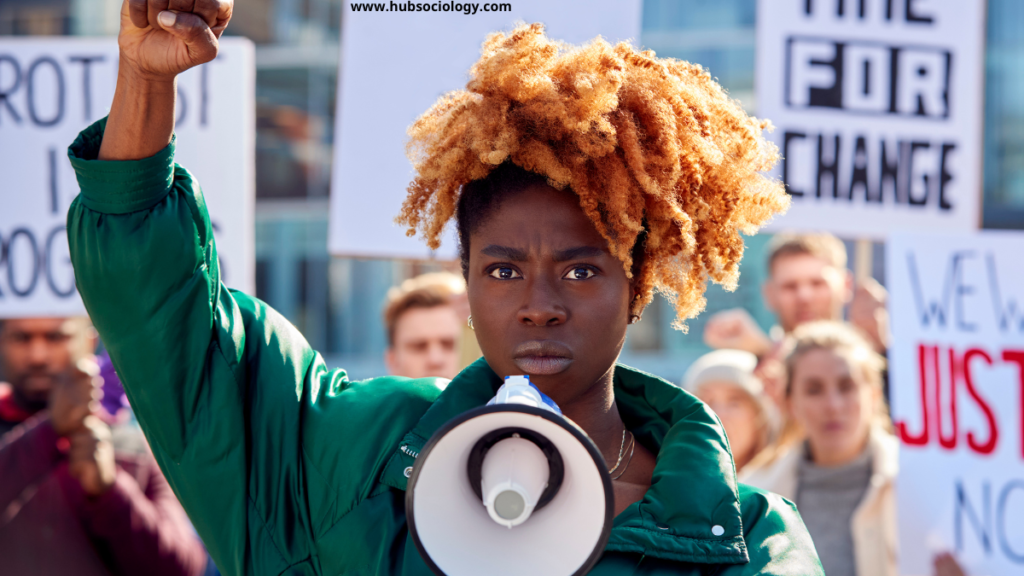
The Chicano Movement of the 1960s and 1970s demanded civil rights, educational reform, and cultural recognition. More recently, large-scale protests against restrictive immigration policies have demonstrated the political power of Latino communities.
Voting patterns vary by national origin, class, and religion. Cuban Americans in Florida historically leaned Republican, while Mexican Americans in California often align with the Democratic Party. However, political affiliations are shifting and cannot be generalized.
Barriers such as voter suppression, language access, and legal status continue to affect political participation. Nevertheless, Latino elected officials and advocacy organizations are gaining influence at local, state, and national levels.
Discrimination, Racism, and Social Exclusion
Latino communities experience racialization in complex ways. Though classified as an ethnic group rather than a race, Latinos are often treated as a racialized minority. Anti-immigrant rhetoric, racial profiling, and workplace discrimination contribute to social exclusion.
Sociological theories of systemic racism highlight how institutions reproduce inequality. Immigration enforcement policies, housing discrimination, and criminal justice disparities disproportionately affect Latino populations.
Media representations also shape public perceptions. Stereotypes portraying Latinos as criminals or undocumented immigrants reinforce stigma. Conversely, increasing representation in media and politics challenges these narratives and promotes cultural visibility.
Urbanization and Spatial Segregation
Latino communities are concentrated in both urban neighborhoods and rural agricultural regions. Cities such as Los Angeles, Miami, Chicago, and Houston have large Latino populations, shaping urban culture, cuisine, language, and labor markets.
Spatial segregation can foster community solidarity but may also limit access to quality housing and public services. Gentrification in urban areas often displaces long-standing Latino residents, altering neighborhood demographics and social networks.
Suburbanization trends show that many Latino families are moving beyond traditional ethnic enclaves, reflecting upward mobility and changing settlement patterns.
Transnationalism and Global Connections
A distinctive feature of Latino communities is transnationalism. Advances in communication and transportation allow migrants to maintain strong ties with their countries of origin. Remittances, dual citizenship, and cross-border political engagement illustrate this phenomenon.
Transnational identities challenge the idea of assimilation as a one-way process. Many Latinos see themselves as belonging to both the United States and their ancestral homelands. This dual orientation influences cultural practices, economic decisions, and political activism.
Conclusion
The sociology of Latino communities in America reveals a dynamic interplay between structure and agency. Latino communities have shaped and been shaped by American institutions, labor markets, educational systems, and political structures. While facing systemic barriers such as discrimination and economic inequality, these communities demonstrate resilience through family networks, cultural preservation, and political activism.
Rather than viewing Latino communities through a deficit lens, sociological analysis highlights their contributions to cultural diversity, economic growth, and democratic participation. As demographic changes continue to transform the United States, understanding the sociology of Latino communities in America remains essential for building a more inclusive and equitable society.
FAQs on Latino Communities in America
1. What are Latino Communities in America?
Latino Communities in America refer to people in the United States who trace their cultural or national origins to Latin American countries such as Mexico, Puerto Rico, Cuba, and nations in Central and South America.
2. How did Latino Communities in America historically develop?
Latino Communities in America developed through Spanish colonization, territorial changes after the Mexican-American War, labor migration programs, and modern immigration waves driven by economic and political factors.
3. Why are Latino Communities in America sociologically significant?
Latino Communities in America are significant because they influence labor markets, politics, culture, religion, education systems, and demographic trends in the United States.
4. How diverse are Latino Communities in America?
Latino Communities in America are highly diverse in terms of race, language, religion, national origin, class background, and migration status.
5. What role does family play in Latino Communities in America?
Family plays a central role in Latino Communities in America, emphasizing strong intergenerational bonds, collective responsibility, and emotional support networks.
6. How do Latino Communities in America experience assimilation?
Latino Communities in America experience different patterns of assimilation, including upward mobility, bicultural integration, and sometimes structural marginalization, depending on socioeconomic conditions.
7. What challenges do Latino Communities in America face in education?
Latino Communities in America often face challenges such as underfunded schools, language barriers, and limited access to higher education, though enrollment rates are increasing.
8. How are Latino Communities in America represented in the labor market?
Latino Communities in America are active in sectors such as agriculture, construction, healthcare, service industries, and entrepreneurship, though many face wage inequality and job insecurity.
9. What is the political impact of Latino Communities in America?
Latino Communities in America play an increasingly important role in elections, public policy debates, and social movements, especially concerning immigration and civil rights.
10. How do Latino Communities in America maintain cultural identity?
Latino Communities in America preserve cultural identity through language, festivals, cuisine, religious traditions, and transnational family connections.
11. What forms of discrimination affect Latino Communities in America?
Latino Communities in America may experience racial profiling, anti-immigrant sentiment, workplace discrimination, and unequal treatment in housing and criminal justice systems.
12. How does religion influence Latino Communities in America?
Religion, particularly Catholicism and growing Protestant denominations, provides spiritual guidance and social support within Latino Communities in America.
13. What is the role of transnationalism in Latino Communities in America?
Transnationalism allows Latino Communities in America to maintain social, economic, and political ties with their countries of origin through remittances and dual identities.
14. How are Latino Communities in America contributing to American culture?
Latino Communities in America contribute through music, art, literature, food, language, entrepreneurship, and civic engagement.
15. What is the future outlook for Latino Communities in America?
The future of Latino Communities in America includes growing demographic influence, expanding educational attainment, and increasing political representation, though structural inequalities remain a concern.
1 thought on “Sociology of Latino Communities in America”